Photos courtesy of Savills · view the original listing
Castle / chateaux for sale in Buckie, UK
South Tower
Property Type
Castle / Chateaux
City
Buckie
Overview
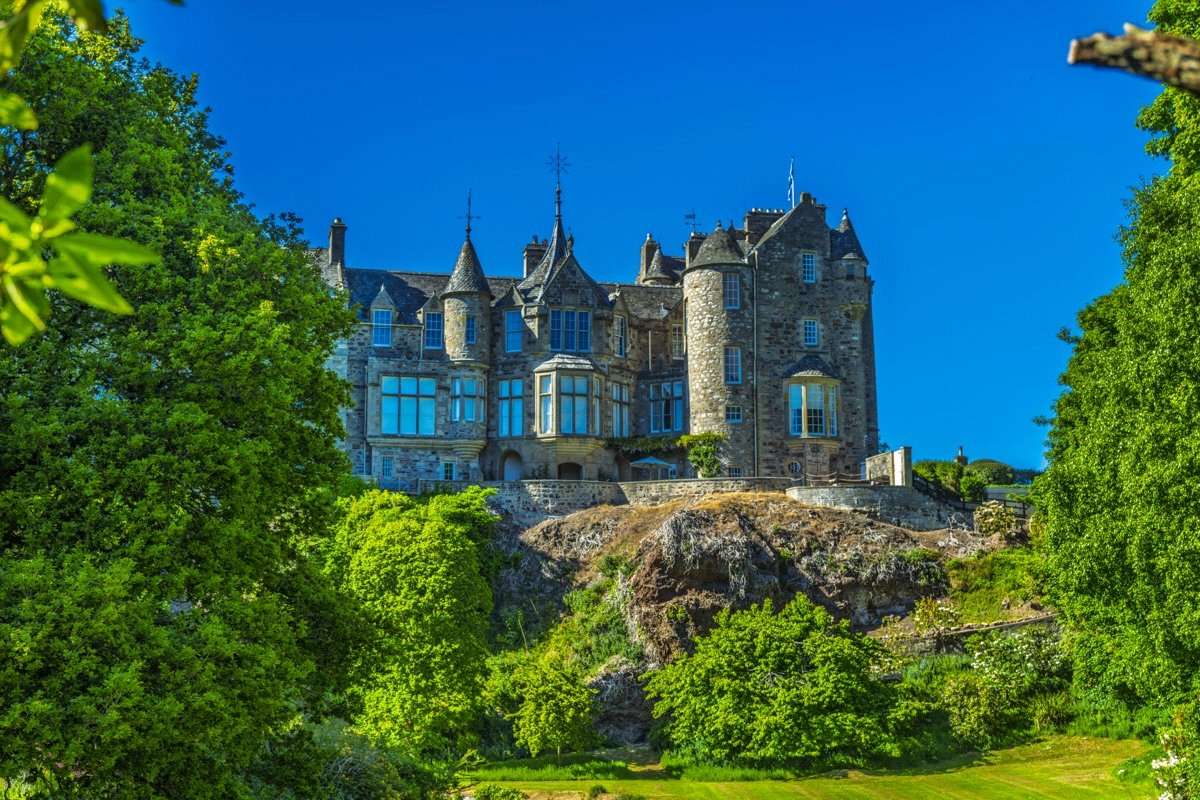
Summary & History: South Tower forms part of Cullen House, a spectacular example of French-style castellated Scottish architecture and an A Listed building. Its position on the rock 70 feet above Cullen Burn is both dramatic and impressive. A romantic silhouette of gables and turrets along with a bell capped tower and a Georgian bow on the south front take full advantage of the views.
Cullen House was the historic seat of the Ogilvy-Grant family, the family name of the Earl of Seafield. It is also believed to have been at one time the home of Martha, Countess of Carrick, mother of Robert the Bruce. In the last thirty plus years, this magnificent Scottish mansion house has successfully fought off two of the most serious setbacks in its 750 year history.
Firstly, it became redundant after Lord Seafield reluctantly concluded that the 376 room house was no longer economically viable as a home. In 1982, Kit Martin, an entrepreneurial architect property developer, purchased Cullen House and its 18 acres of idyllic wilderness garden with the intention of converting the building into a small number of sympathetically designed homes. In 1987, however, a serious fire broke out within the building.
Local Cullen architect Douglas Forrest took on the major restoration work following the fire, and two years later, the restoration of this historic building to its former glory won prestigious awards for everyone involved in the enterprise. In a valuable spin off from the restoration work on a building which is regarded as one of the most architecturally important in Scotland, local craftsmen and apprentices have been given the chance to use traditional skills. This has created the perfect blend of old and new.
In a wonderfully imaginative way, a 16th century painted ceiling has been cleverly re-created in interactive digital artwork which can be projected on the wall of the original room. Accommodation: This incredible residence spans four floors. The interior design is a captivating blend of modern and classical elements.
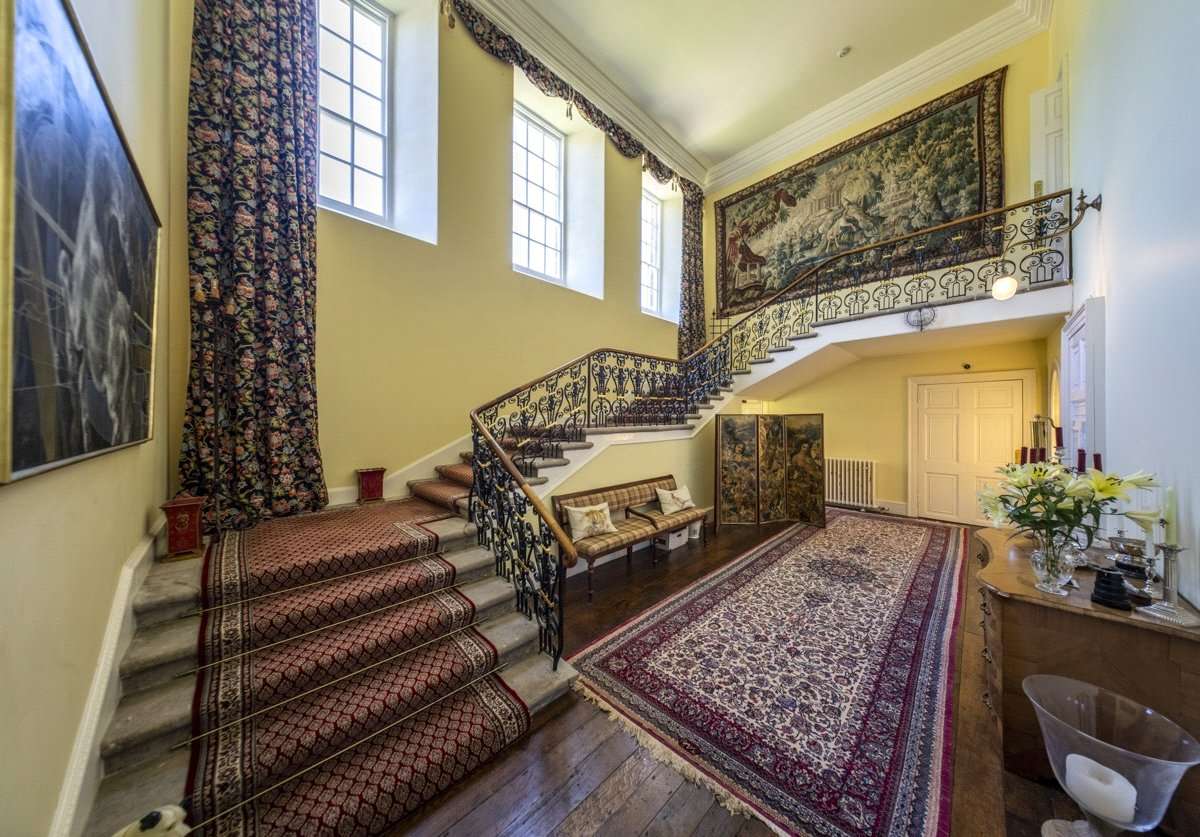
A grand stone staircase with ornate wrought iron balustrades and wooden handrails serves as a central feature connecting the various levels. From the hall to the main staircase is a beautiful carved door with a lock and key still retaining an original Old Scots inscription and dated 1618. The property also includes practical elements such as a utility room, and hallways connecting the various spaces.
Large windows throughout the property, most of which are fitted with working shutters, allow for ample natural light and frame picturesque views of the surrounding landscape. The bedrooms are generously sized and each room has its own special character, with some featuring fireplaces and vaulted ceilings with exposed beams. Bathrooms are luxurious, combining functionality with style.
Nestled in the oldest part of the South Tower lies the atmospheric Monk's Passage, once part of a monastic school connected to a Roman Catholic church. The passageway's solid timber doors open into what were once monks' cells, now repurposed as useful storage rooms. This area leads to one of the showpieces of the property: the external bowed stone terrace with incredible views.
The heart of the home is a beautifully appointed dining kitchen featuring detailed cabinetry with oak work surfaces. Appliances include a Neff induction hob, oven/microwave and warming drawer along with a Gaggenau extractor fan. The reception hall can be used as a dining hall for larger or more formal entertaining.
Two very elegant reception rooms are found on the first floor, both featuring elaborate ceiling plasterwork, bay windows and fireplaces. The spiral staircase reveals fascinating glimpses of the estate's historic past, while ancient stonework and the surrounding policies framed by the windows offering a sense of timeless grandeur. Most of the second floor is occupied with the principal bedroom suite.
The dressing room has bespoke Laings of Inverurie cabinetry with soft close drawers, hanging and shelf space. The lounge space has projector equipment and can be used as a cinema room. This is where the digital footage of the lost ceiling can be viewed.
A stylish pod contains a luxury shower room complete with mosaic tiling. A guest bedroom with en suite shower room completes this level. The third floor is a real retreat space.
Bedrooms three and four both have corner/turret windows and are serviced by a contemporary steam shower room with twin wash basins. Outside: The stunning 18 acre policies, shared by only 14 residents (4 towers, 3 wings and 7 cottages) of the mansion house properties, were largely planned by the 5th Earl of Findlater. The church from that period remains, as does part of the original estate office and the factor's house, named Old Cullen.
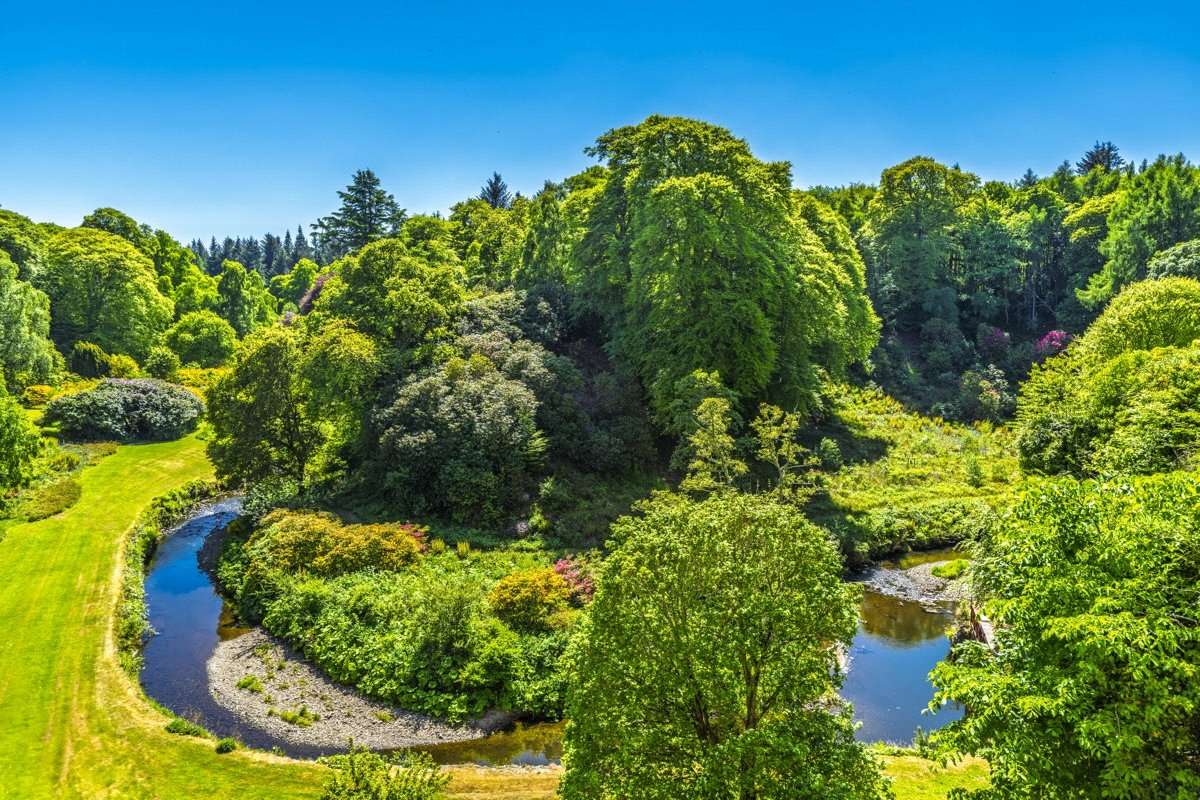
The extensive, well-wooded policies are beautiful in all seasons, with much horticultural interest, and provide excellent walks. Among the highlights are the Castle Hill, from which there is a beautiful, almost panoramic view of the Moray Firth and the hills of Caithness and Sutherland beyond. The large single-arched stone bridge, which stands 64 feet above the Cullen Burn, was built by James, 5th Earl of Findlater, but paid for, unusually, by his wife, Lady Sophia Hope.
It is an outstanding example of the work of Robert Adam, who also designed the grand entrance gate by which the house is approached. In the striking landscape known as the Punch Bowl, above which the rock and house tower can be seen, is a small stone bridge, known as Prince Charlie's Bridge. This was part of the old road from Aberdeen to Inverness which ran through the old Burgh of Cullen.
One of the South Tower's most captivating features is its private rose covered terrace. Laid with stone and enclosed by traditional stone walls, this stunning spot offers a sheltered haven with panoramic views into the Punch Bowl and the majestic trees beyond. Beyond the terrace, the property benefits from an exclusive sloping garden area, that gently descends towards the communal grounds by the burn, adding a sense of openness and connection to nature.
A block built boiler house discreetly houses the oil tank. Garage: The sale includes a double block garage which has a pitched slated roof, electrically operated door and power. View payable LBTT Calculator for this property
Interested in this property?
Click above to view more details on the original listing or get in touch with the property agent.
Other Castles in UK
Glengorm
Glengorm, Tobermory, Isle of Mull, Argyll and Bute, PA75 6QE
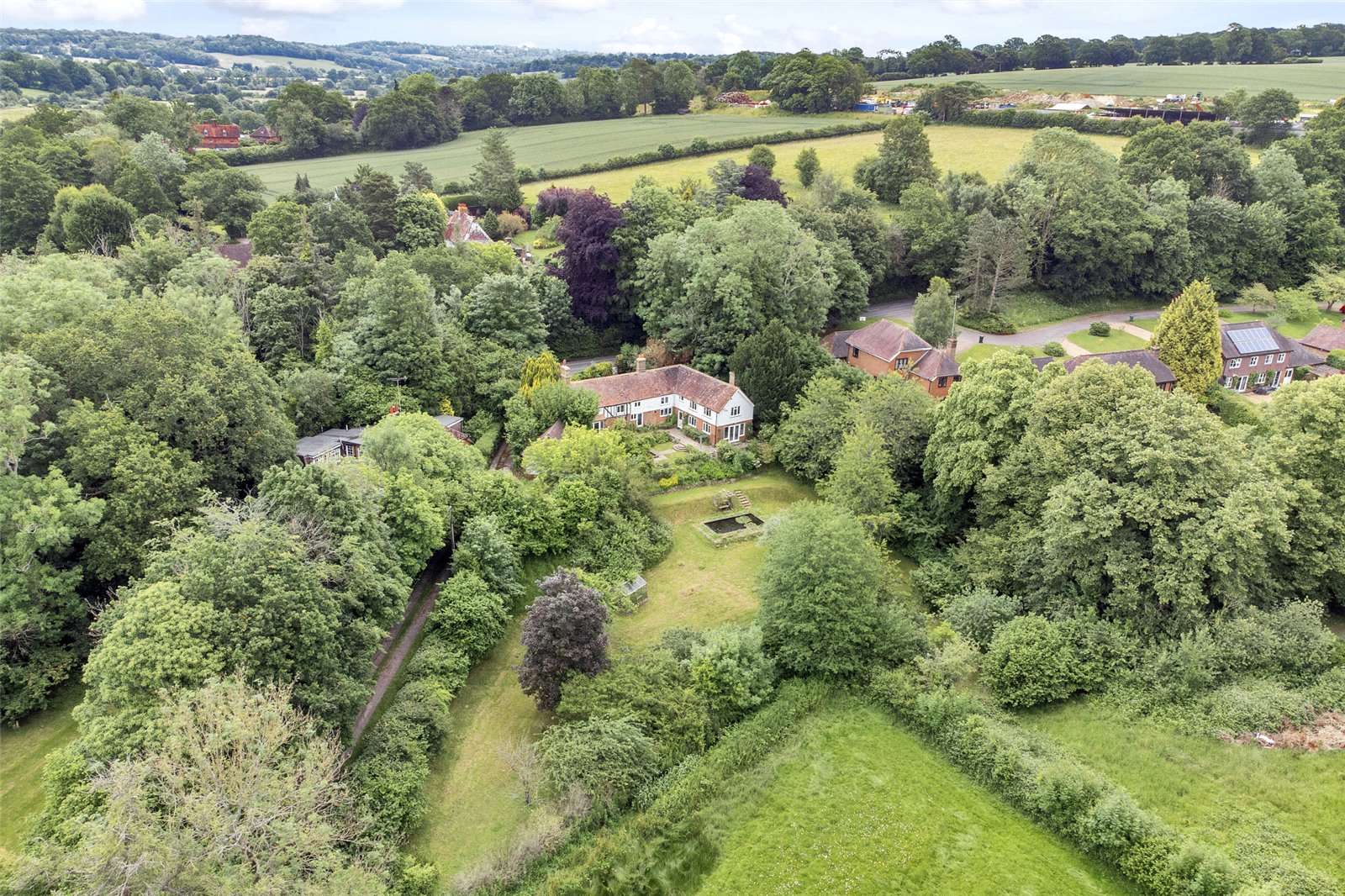
Spring Hill
Spring Hill, Fordcombe, Tunbridge Wells, Kent, TN3 0SB
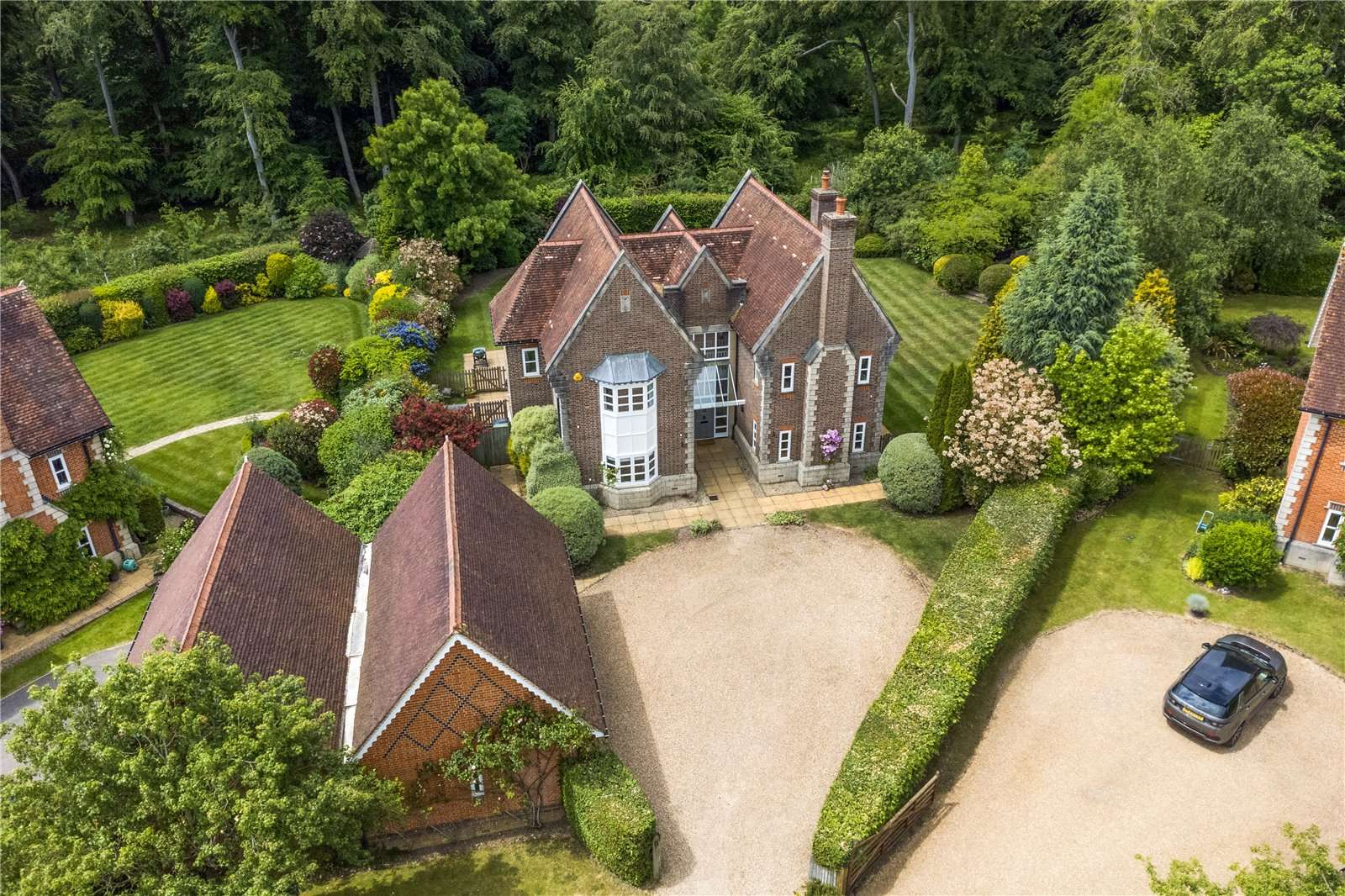
House for Sale in Oxfordshire, UK
Ashdown Way, Kingwood, Henley-on-Thames, Oxfordshire, RG9 5WD
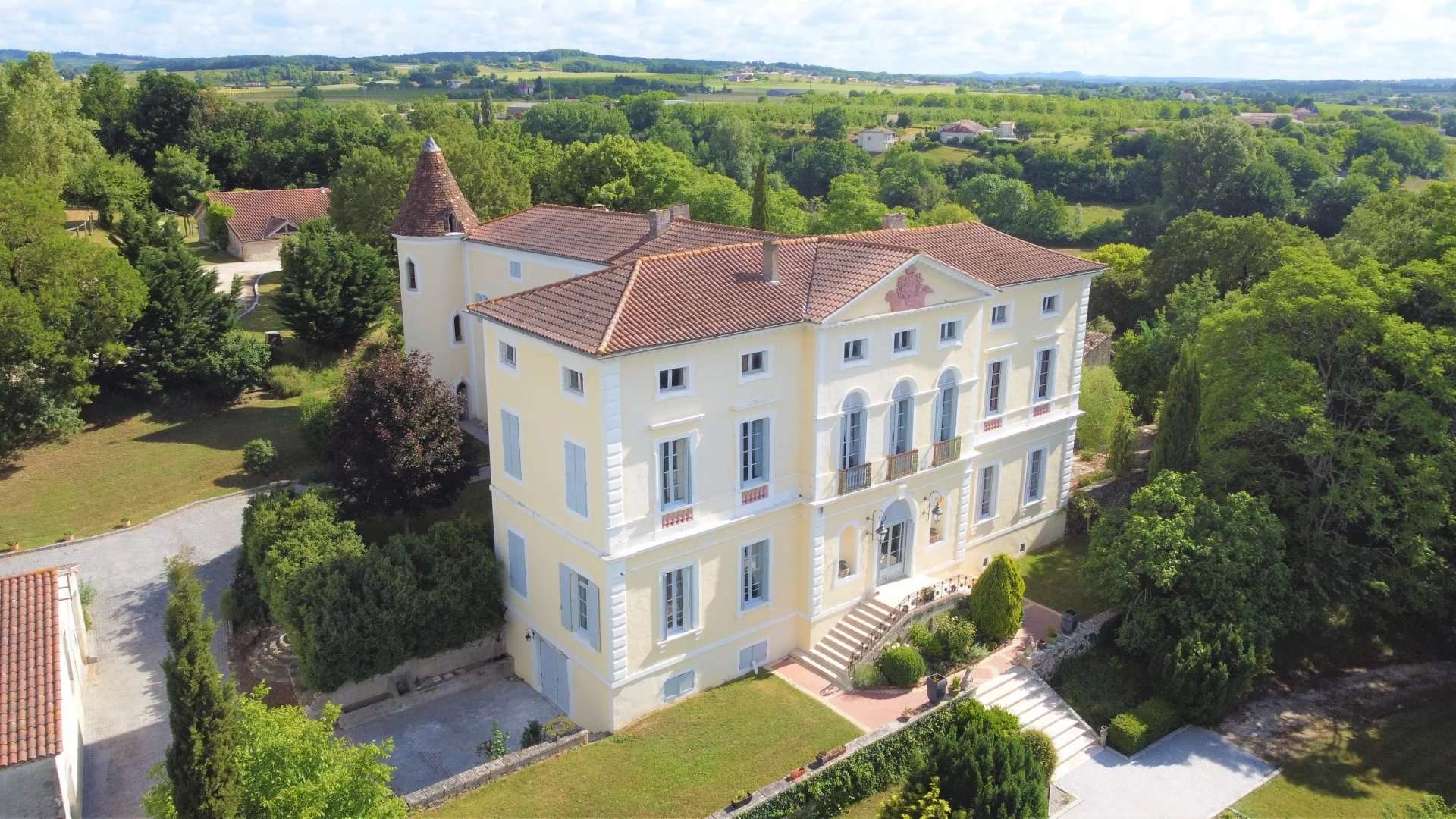
Monflanquin
Monflanquin, Lot-et-Garonne
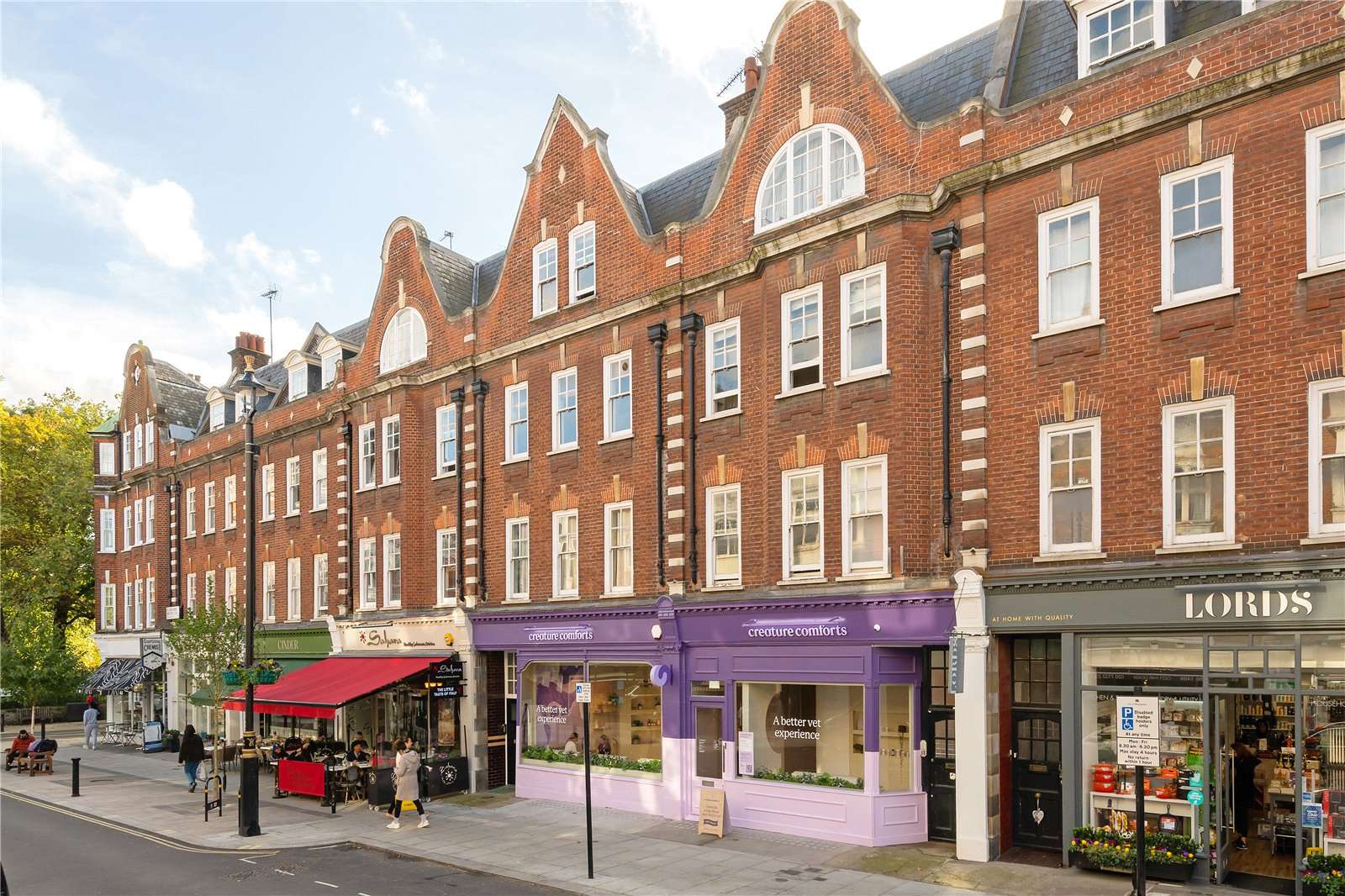
St. John's Wood High Street
St. John's Wood High Street, St. John's Wood, London, NW8 7NG
High Street
High Street, Blockley, Moreton-in-Marsh, Gloucestershire, GL56 9ET
We can't find the internet
Attempting to reconnect
Something went wrong!
Attempting to reconnect