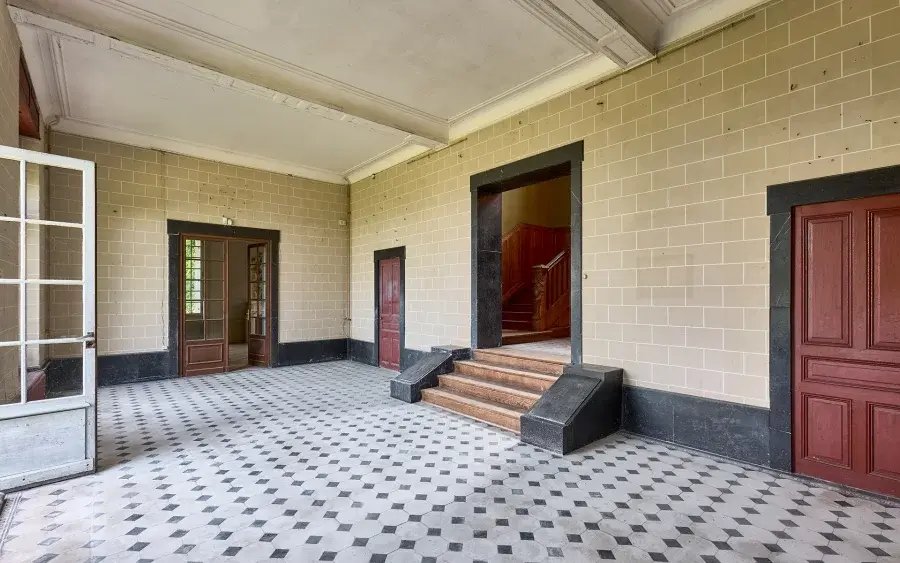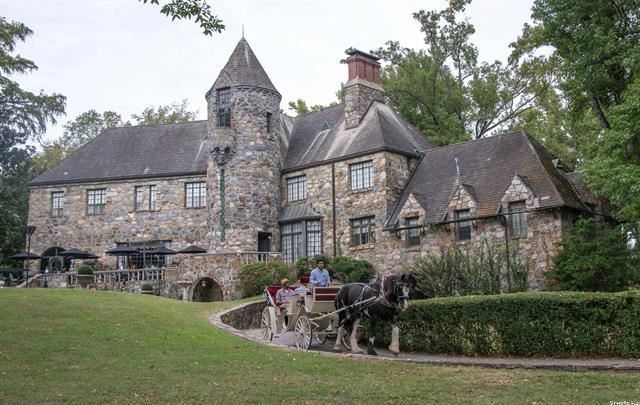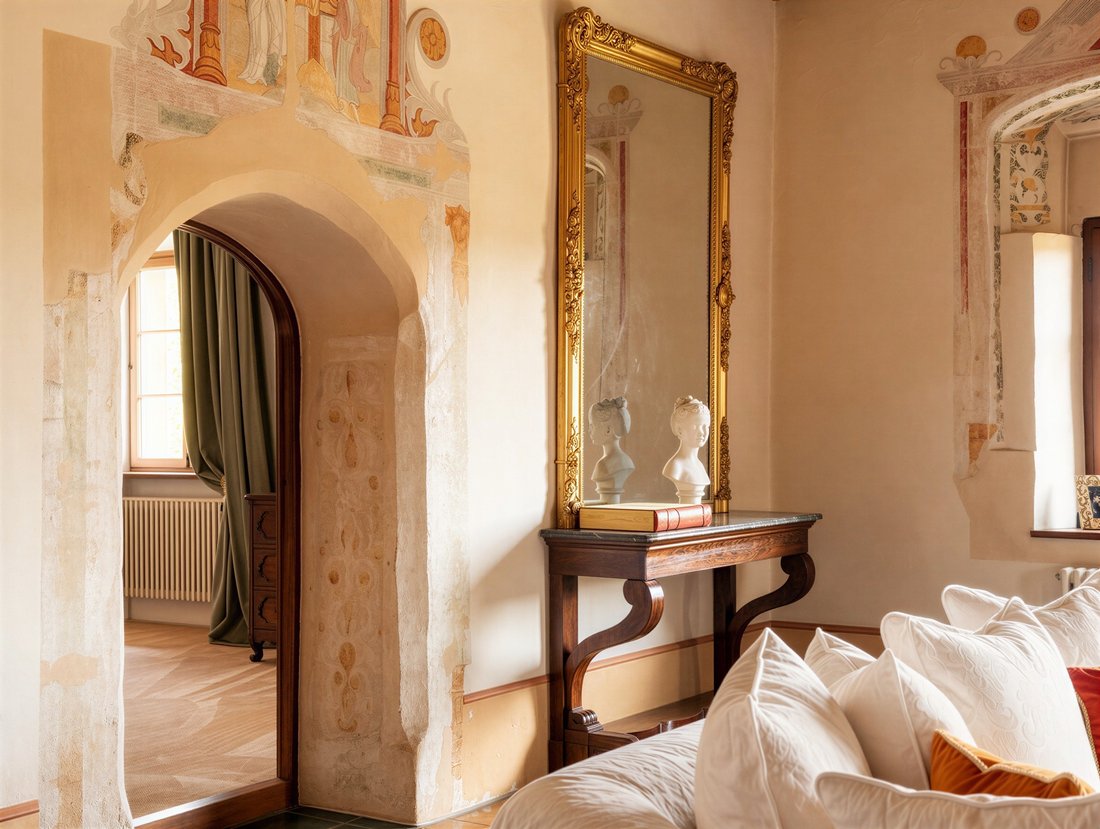
High Quality Renovated Early Renaissance Castle In A Stunning Location With Manor House And Park
Dietersburg, Bavaria, Germany
Price On Request
View details
Discover 22 historic castles and luxury estates in Germany
Dietersburg, Bavaria, Germany
Price On Request
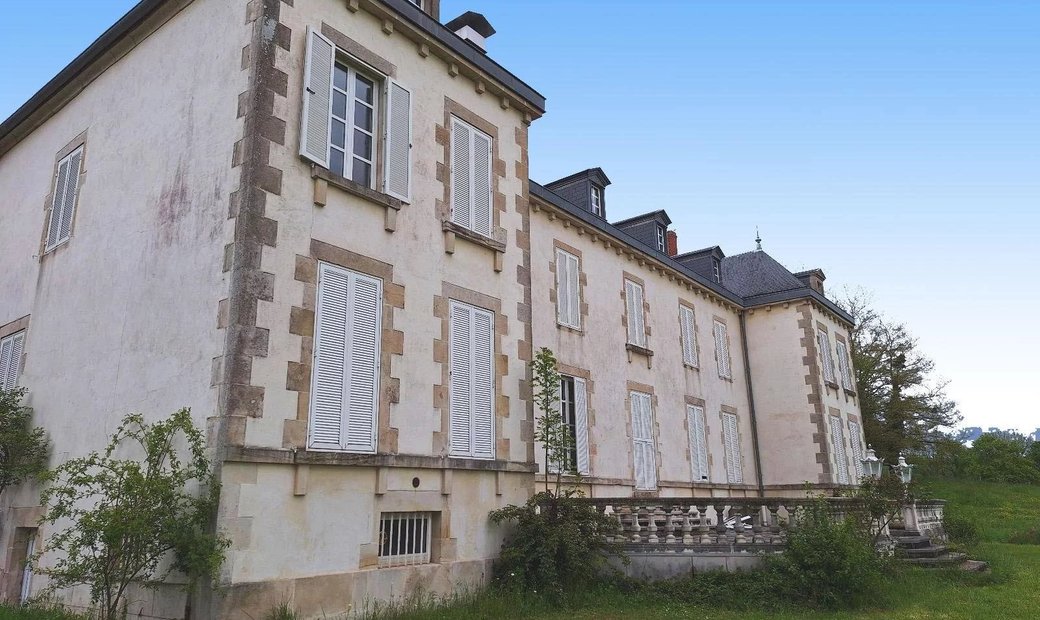
Heusenstamm, Hessen, Germany
€1,000,000
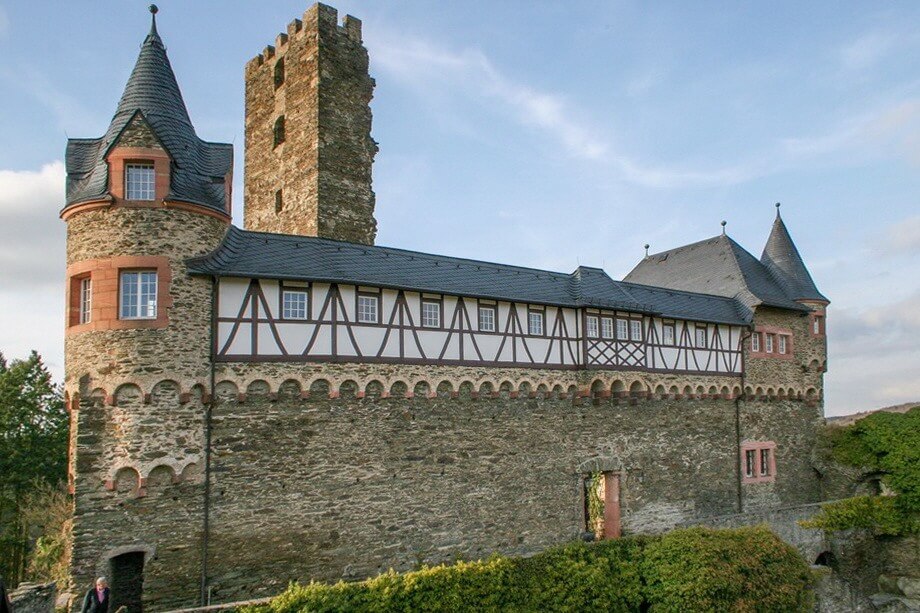
Rheinland-Pfalz, GERMANY
€2.7m
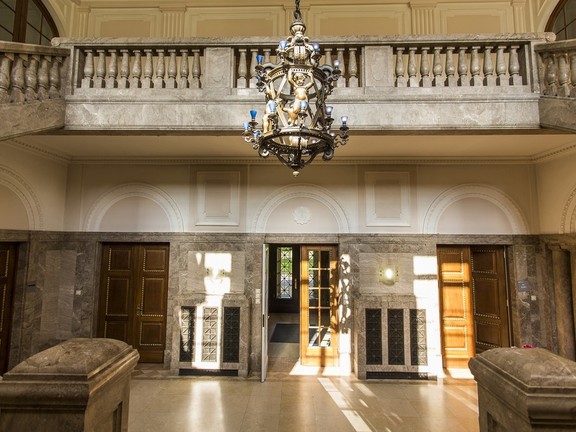
Dusseldorf, GERMANY
€5.3m
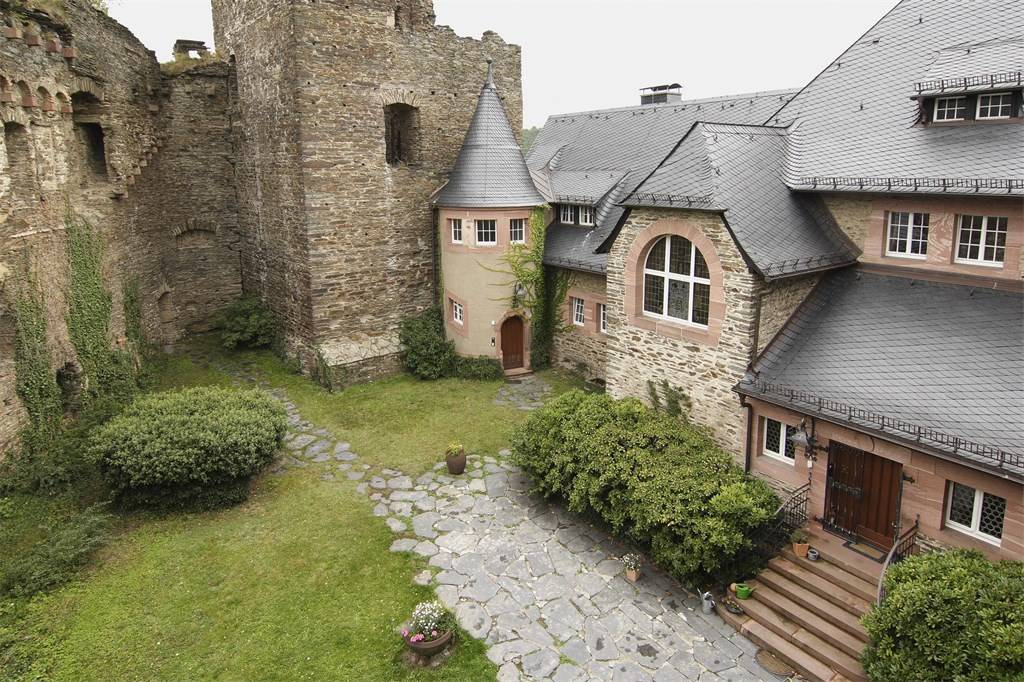
Rhineland Palatinate, GERMANY
€2.9m
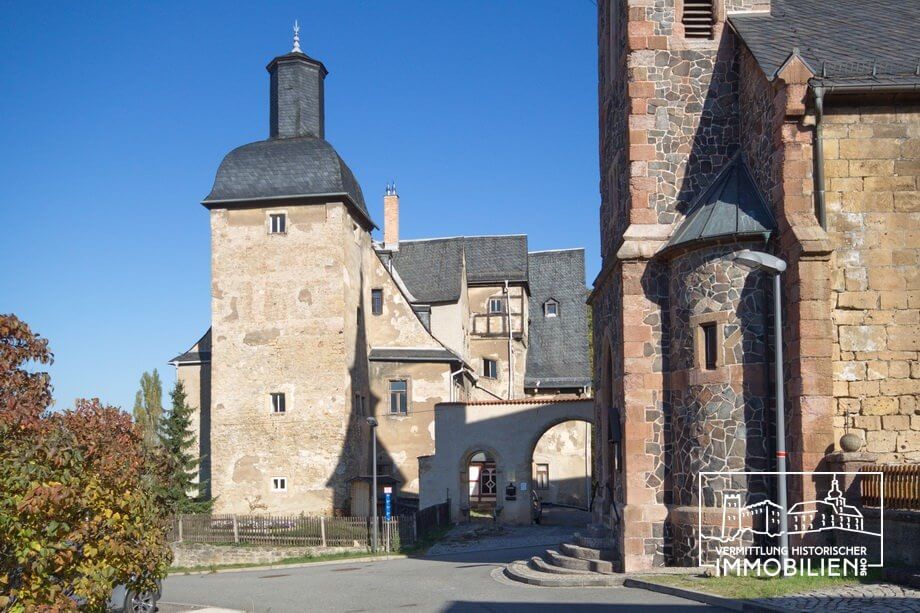
Thuringia, GERMANY
€1.15m
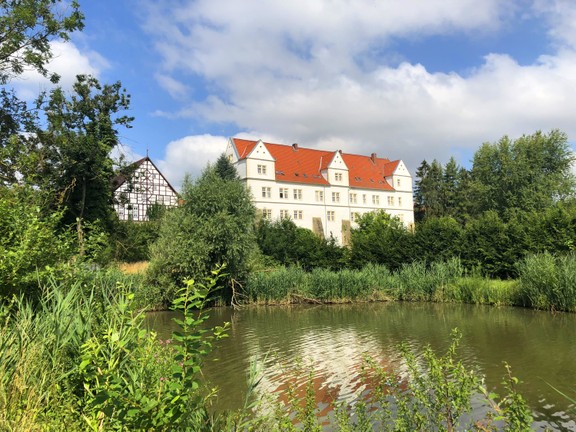
Lower Saxony, GERMANY
€1.14m
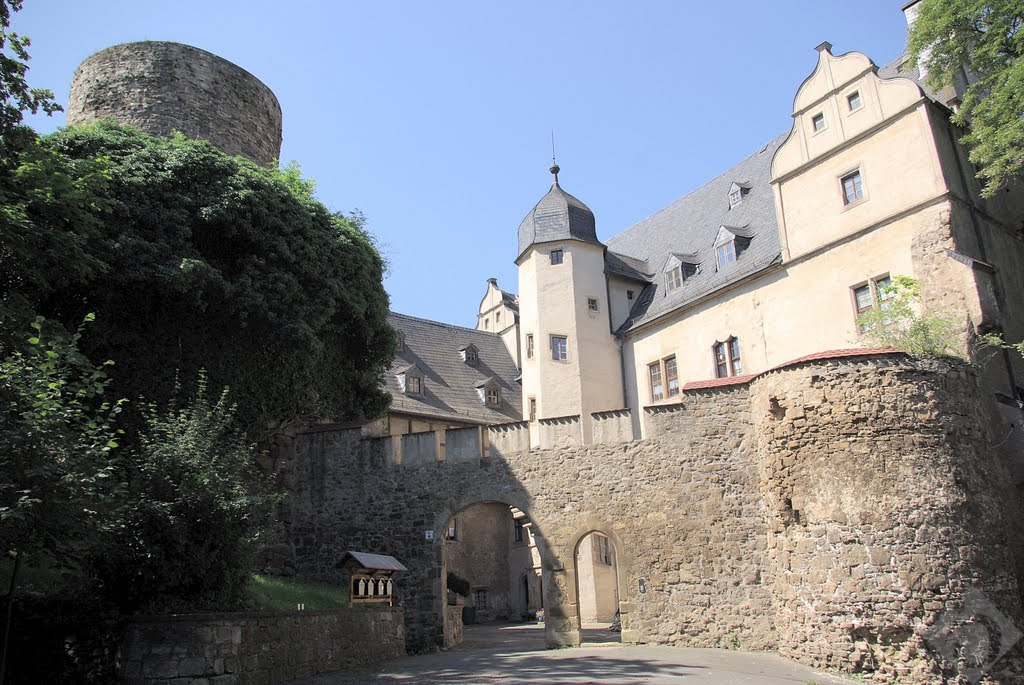
Thuringia, GERMANY
€1.49m
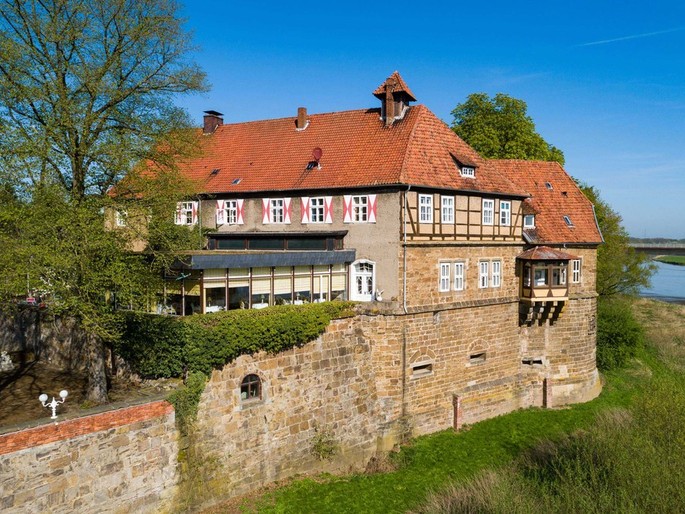
Rhine-Westphalia, GERMANY
€1.25m
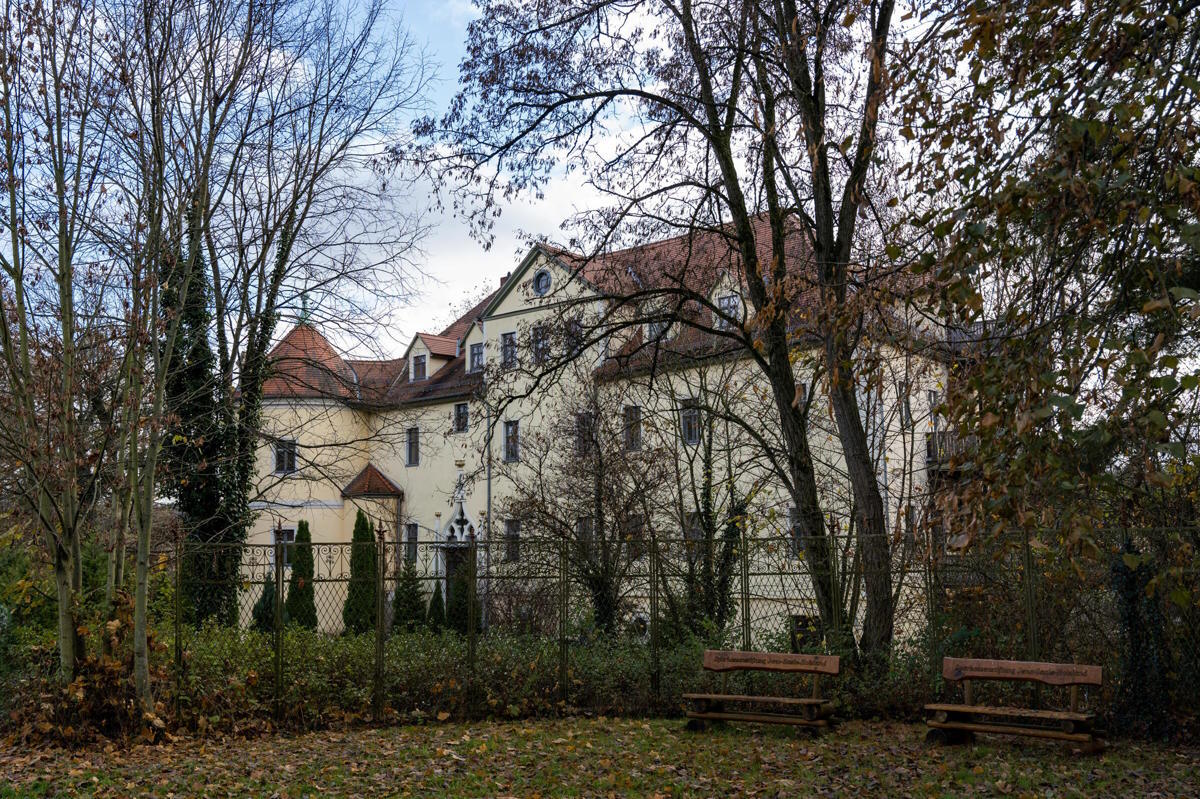
Hummelshain, GERMANY
€3.179m
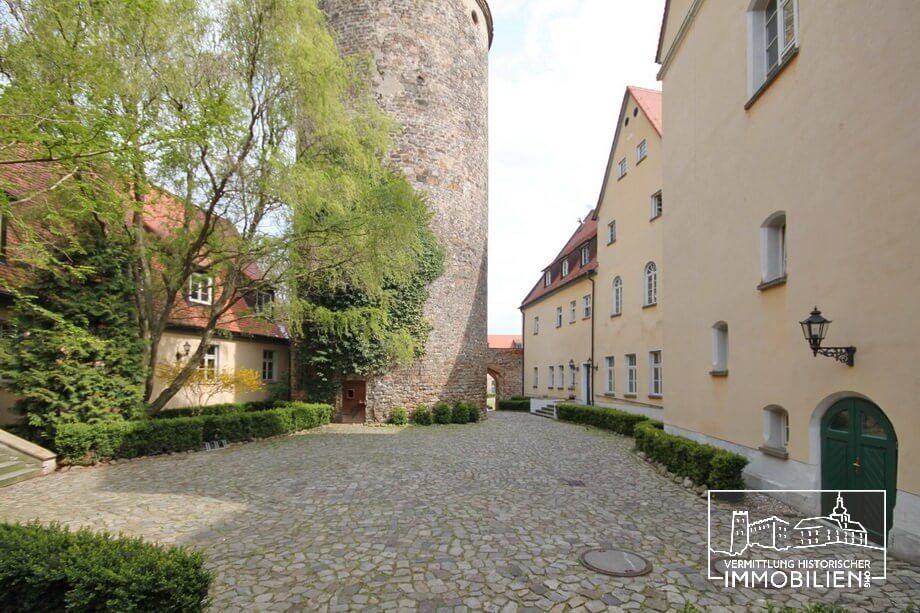
Saxony-Anhalt, GERMANY
€1.9m
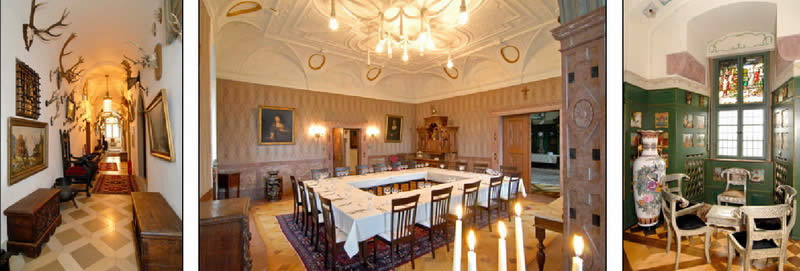
Bayern, GERMANY
€2m
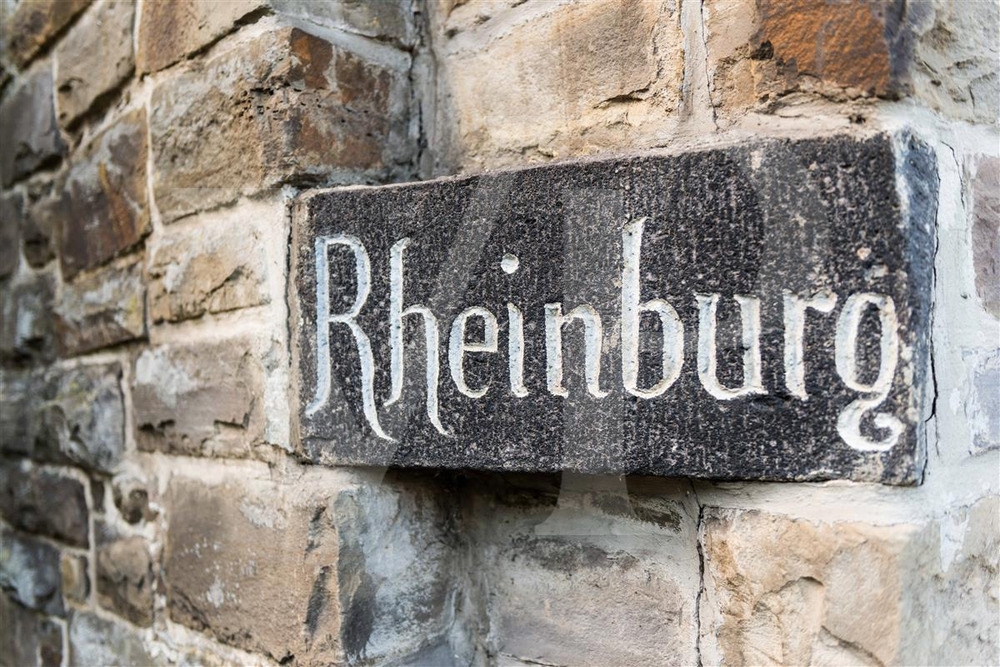
Koblenz, GERMANY
€3.75m
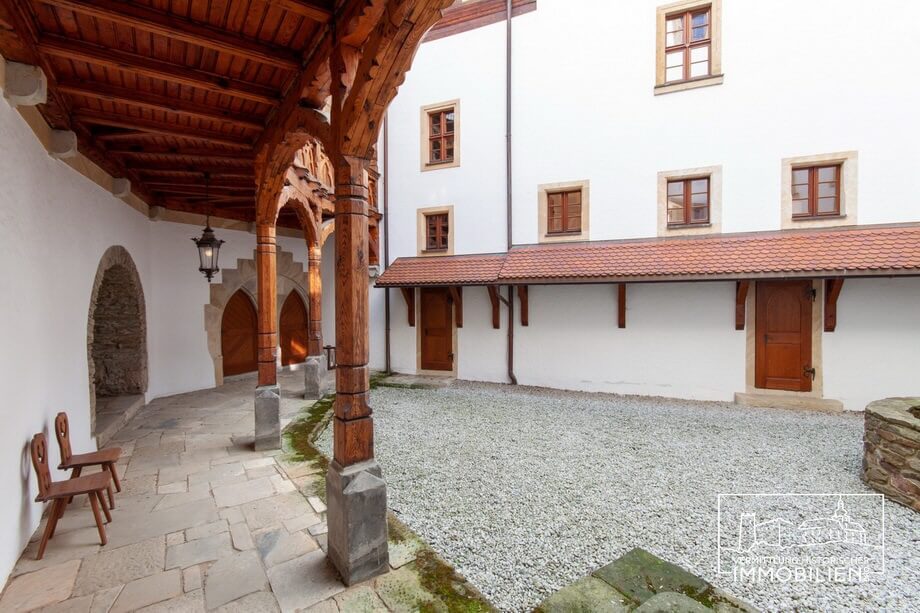
Erzgebirge, GERMANY
€POA
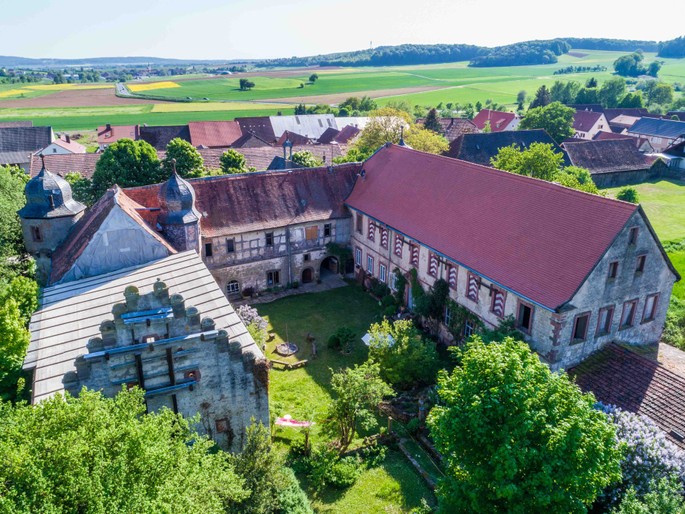
Bavaria, GERMANY
€535k
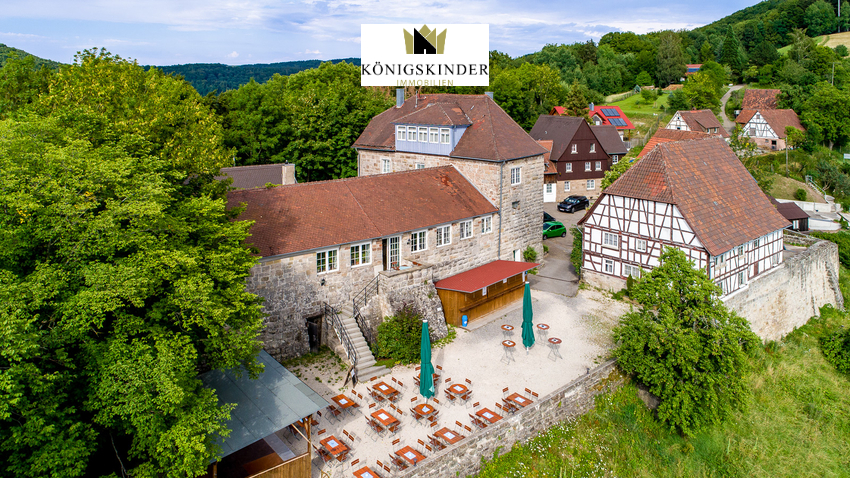
Rudersberg, GERMANY
€2.199m
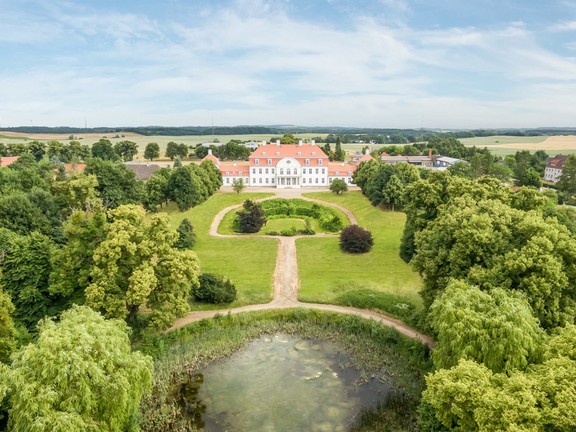
Vietgest, GERMANY
€1.5m
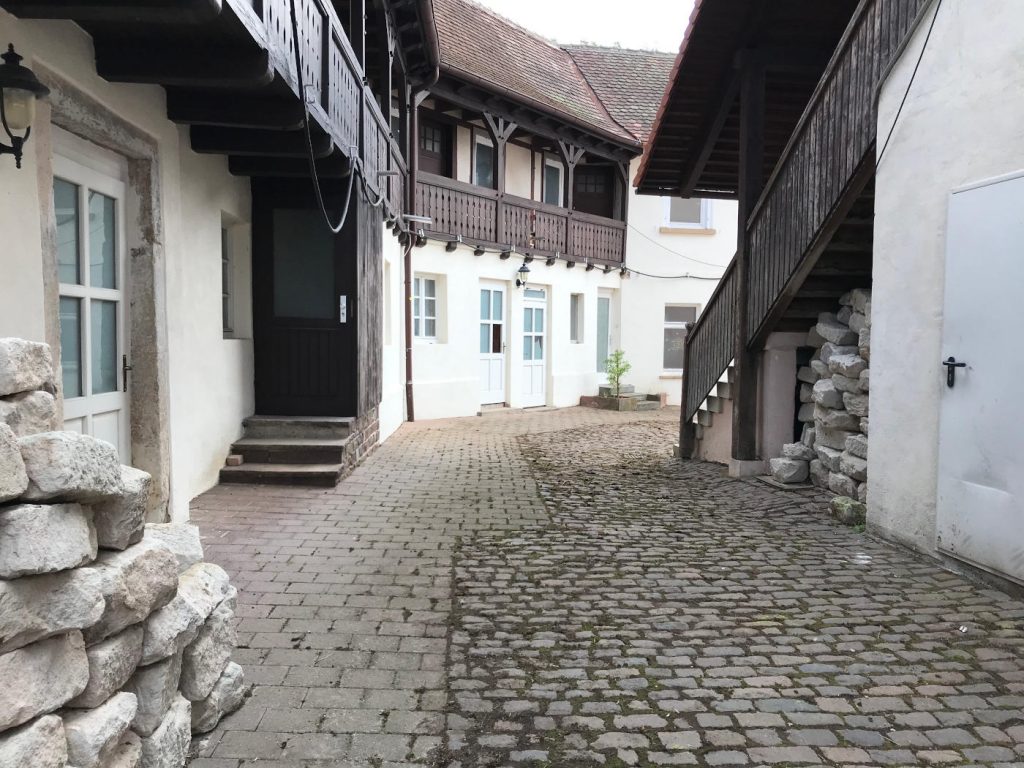
Tubingen, GERMANY
€4.5m
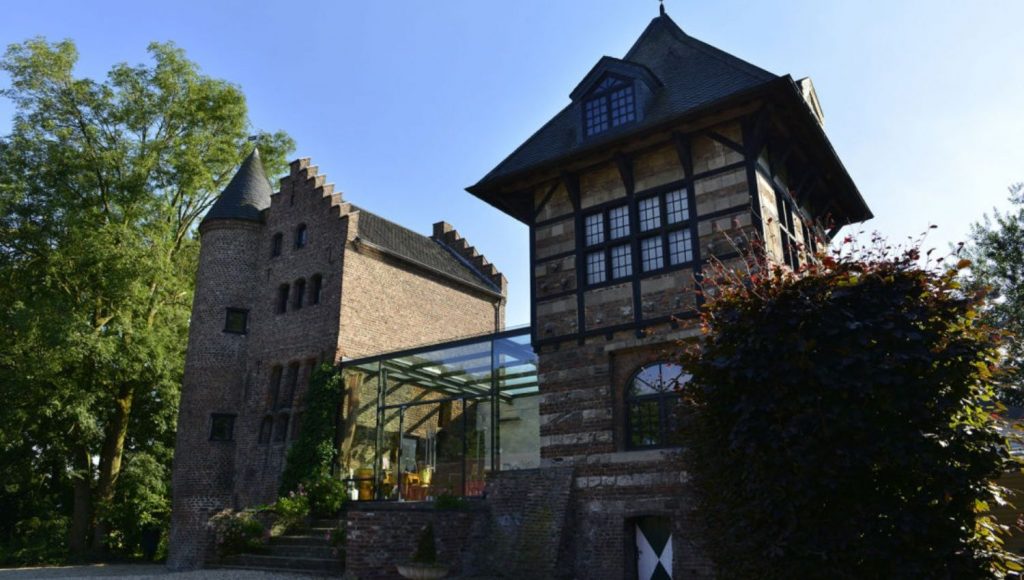
Dusselfdorf, GERMANY
€2.115m
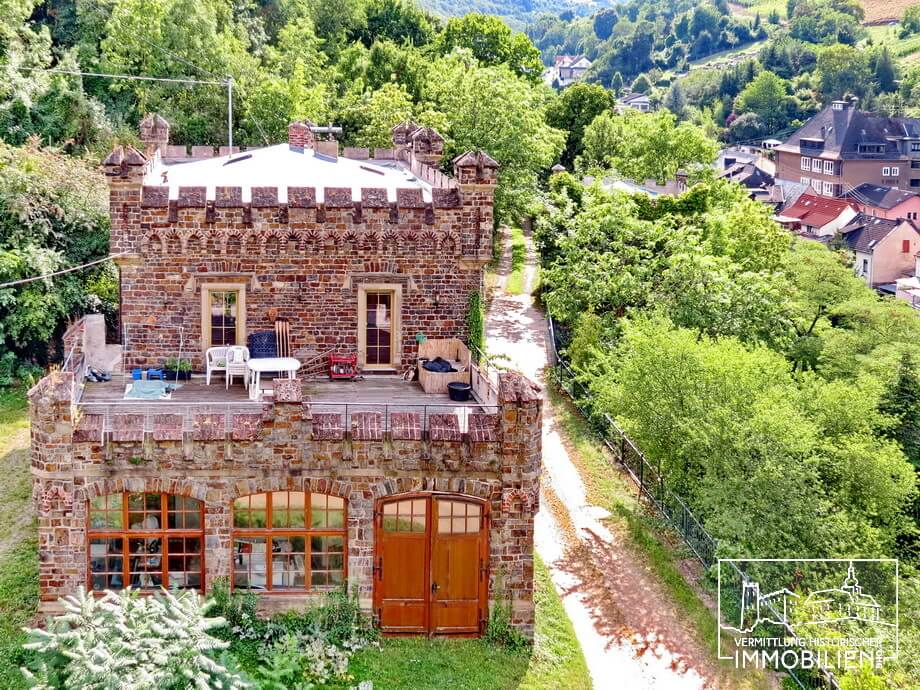
Bingen, GERMANY
€2.85m
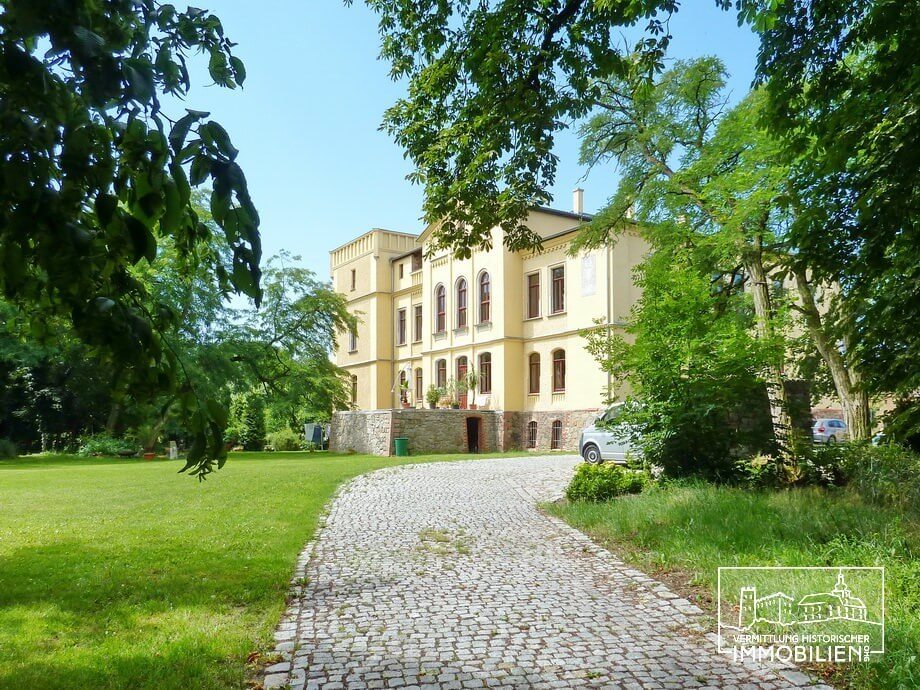
Leipzig, GERMANY
€1.2m
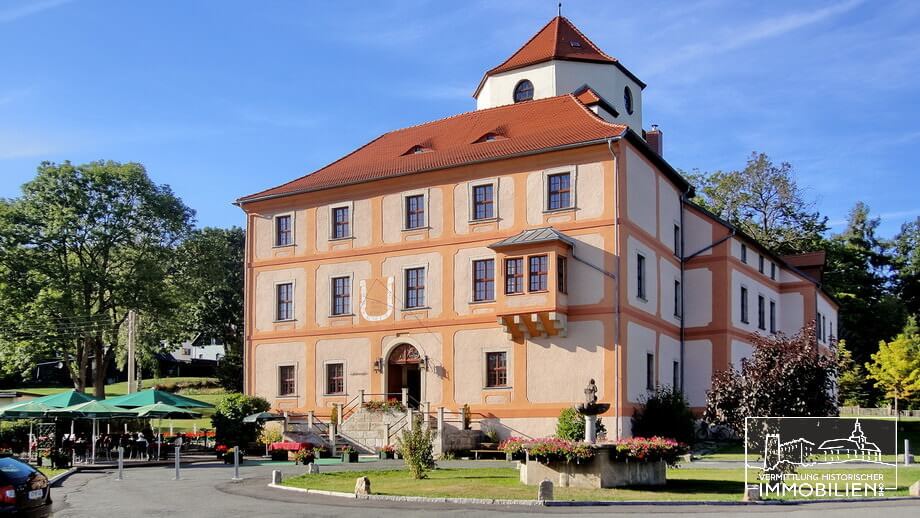
Saxony-Vogtland, GERMANY
€1.8m
Browse our exclusive collection of 22 historic castles and luxury estates available for sale in Germany. Each property is carefully curated to meet the highest standards of luxury, heritage, and architectural significance.
Our portfolio includes exceptional properties across Dietersburg, Heusenstamm, Dusseldorf, Holle, Hummelshain , offering diverse opportunities for discerning international buyers seeking unique heritage properties.
Data-led country guide
Market figures are calculated from the published Castelle catalogue and update with the inventory.
Castelle currently indexes 22 published properties in Germany. Of this live inventory, 20 listings carry a public price in the market's most frequently used currency and 2 are offered on a price-on-application or undisclosed basis. Within the 20 listings quoted in EUR, asking prices run from €535k to €5.3m, with a median of €1.9m. These figures describe the catalogue visible now, rather than a completed-sales index: condition, land, commercial permissions, restoration quality and provenance can create substantial differences between two historic estates in the same area. The sample is refreshed from published listing records as the portfolio changes.
For a like-for-like portfolio comparison, the €1.9m median in Germany is 18% above the €1.6m median across all Castelle listings advertised in EUR. The comparison uses 20 local observations and 946 portfolio observations in the same currency; it does not convert currencies or mix price-on-application records into the calculation. A median marks the midpoint of advertised prices, not the cost of a typical castle and not a valuation. Buyers should therefore read it as a navigation aid: an estate above the midpoint may include more land, a stronger location, income-producing accommodation or a completed restoration, while a lower figure may reflect scale, access, protected-building obligations or work still required.
The most frequently represented places in the current catalogue are Thuringia, Baden-Württemberg, Bavaria, North Rhine-Westphalia, and Dusseldorf. The leading property labels are castle and castle, but supplier terminology varies and should be checked against each description. Together, these location fields show where supply is concentrated today; they are not a claim that other parts of Germany lack historic properties. A search across 22 live records also highlights the practical diversity of this niche: an urban palazzo, a rural fortified house and a large country estate can serve very different uses even when all appear under a castle search. Prospective owners should compare access to airports and services, privacy, surrounding land, climate, tourism demand and the availability of specialist craftspeople. For protected buildings, early checks on planning status, permitted alterations and maintenance history are as important as the headline location.
German terminology helps organise a search. A Burg generally points toward a fortified origin, whereas a Schloss is more often a palace or representative residence; a Herrenhaus or Gutshaus belongs to the manor and landed-estate tradition. Along the Rhine and Moselle, steep terrain, river views and vineyards shape both appeal and access. Bavaria and Baden-Württemberg combine courtly residences with Alpine or upland settings, while Brandenburg, Mecklenburg and other northern areas contain manor estates tied to farmland and lakes. Thuringia, Saxony and Franconia add dense layers of princely and civic history. Monument protection is administered through the Länder, and local authorities play a substantial role. Energy upgrades, new services, fire safety and commercial conversion therefore need early discussion with conservation professionals familiar with the relevant state and municipality.
Germany's castle market presents discerning buyers with remarkable opportunities to acquire properties ranging from Rhineland fortresses to Bavarian Schlösser, from medieval Burgen to elegant baroque palaces. German historic properties combine architectural grandeur with meticulous restoration standards and strong legal protections for heritage buildings. The diverse regions offer distinct architectural styles: Rhine Valley castles with vineyard estates, Alpine properties with mountain vistas, North German manor houses with agricultural holdings, and Franconian residences of refined elegance. German heritage real estate appeals particularly to those who value engineering excellence, comprehensive modernization potential within historic frameworks, and locations offering both privacy and proximity to major European cultural and business centers.
Germany's historic residences reflect the political fragmentation of the Holy Roman Empire and the many secular and ecclesiastical territories that followed. Hilltop Burgen controlled routes, rivers and lordships; prosperous courts later built or remodelled residences as Renaissance and baroque Schlösser with ceremonial rooms and gardens. Warfare, especially the Thirty Years' War, damaged or transformed numerous sites. Secularisation and the political changes of the nineteenth century altered ownership again, while Romanticism encouraged restorations and sometimes imaginative reconstructions of medieval ruins. Prussian, Bavarian, Saxon and smaller regional traditions produced no single national castle style. Twentieth-century division and reunification added another layer of use, neglect and restoration, particularly in the east. Buyers should distinguish surviving historic fabric from nineteenth-century interpretation and modern rebuilding, all of which can possess significance but imply different conservation questions.
Each category page carries its own aggregate market data.
Each price page is filtered to Germany only.
We can't find the internet
Attempting to reconnect
Something went wrong!
Attempting to reconnect