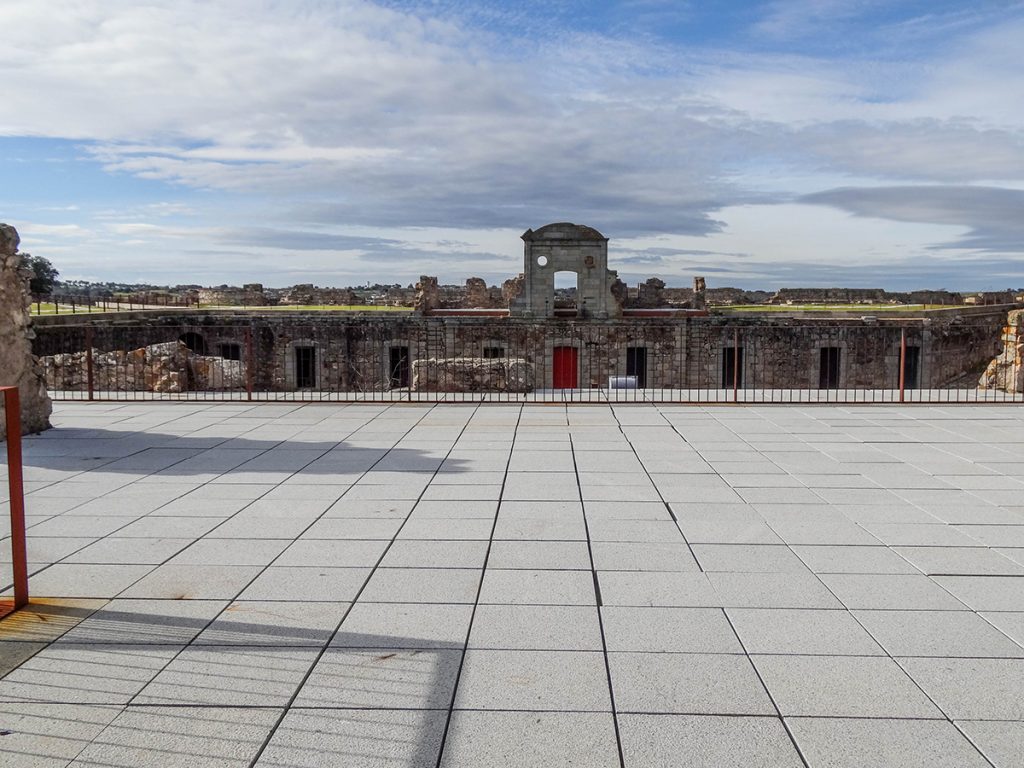
Aldea del Obispo: Where 16th-Century Majesty Meets Iberian Grandeur
Salamanca, SPAIN
€15m
View details
Aggregate market data from the published Castelle catalogue, updated with the inventory.
Buyer's guide
An estate on this page is rarely just a house. Typically it includes the principal residence plus the buildings that once served it — stables, a coach house, staff cottages, farm buildings, occasionally a chapel — along with a parcel of land that can range from a few hectares to several hundred. That range is why an "average" estate is not a useful figure; what matters is the classification of the land itself, since agricultural, forestry, building-plot and protected land carry different tax treatment and different rules on what you may do with them.
The secondary buildings are where both the opportunity and the risk concentrate. Converted well, stables and outbuildings become holiday lets, event spaces or additional accommodation and materially improve the economics of holding the estate. Left alone, the same buildings quietly absorb a large share of the annual maintenance budget without producing anything.
Income generation is, in fact, how most historic estates are held today rather than the exception: holiday lets, weddings and events, agricultural tenancies and forestry are the common routes. Each comes with its own licensing and planning requirements, and in most jurisdictions any change of use needs consent secured before you begin trading, not after the first booking.
Salamanca, SPAIN
€15m
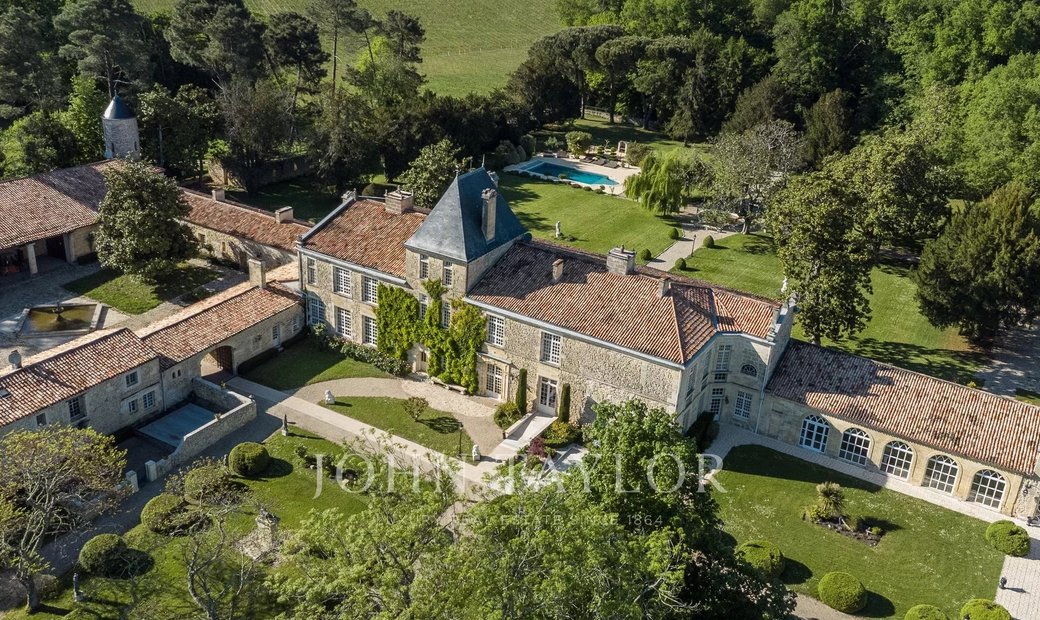
Bordeaux, Nouvelle-Aquitaine, France
€9,800,000
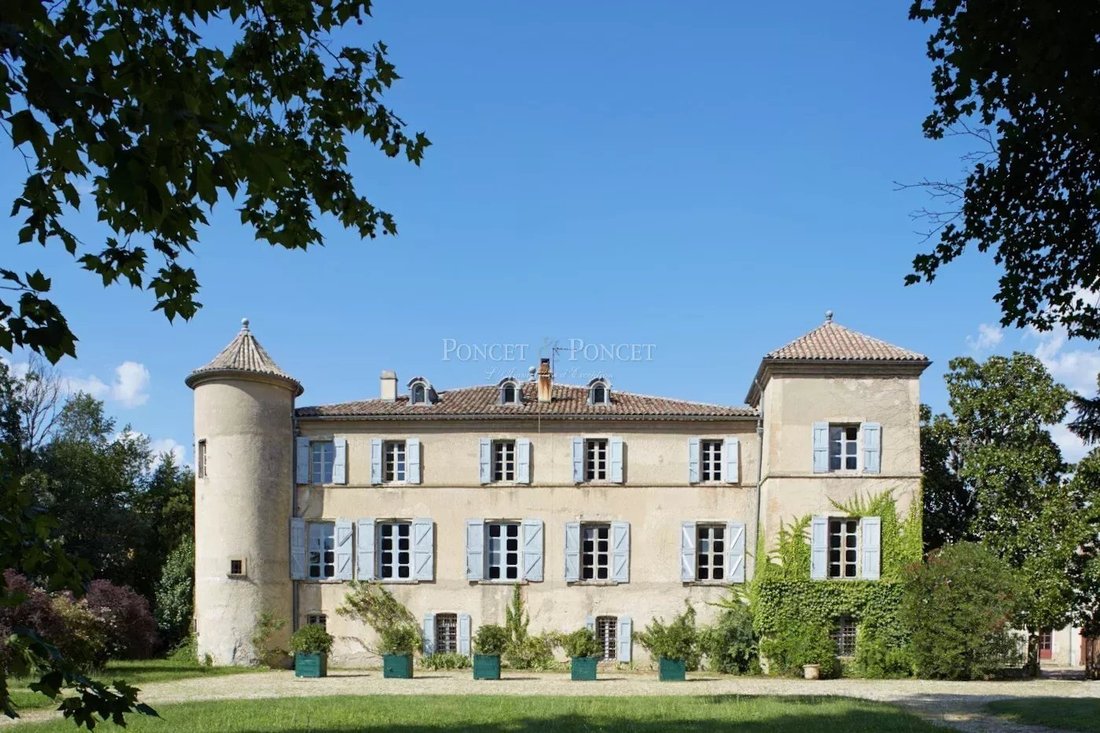
Cardet, Occitania, France
€9,500,000
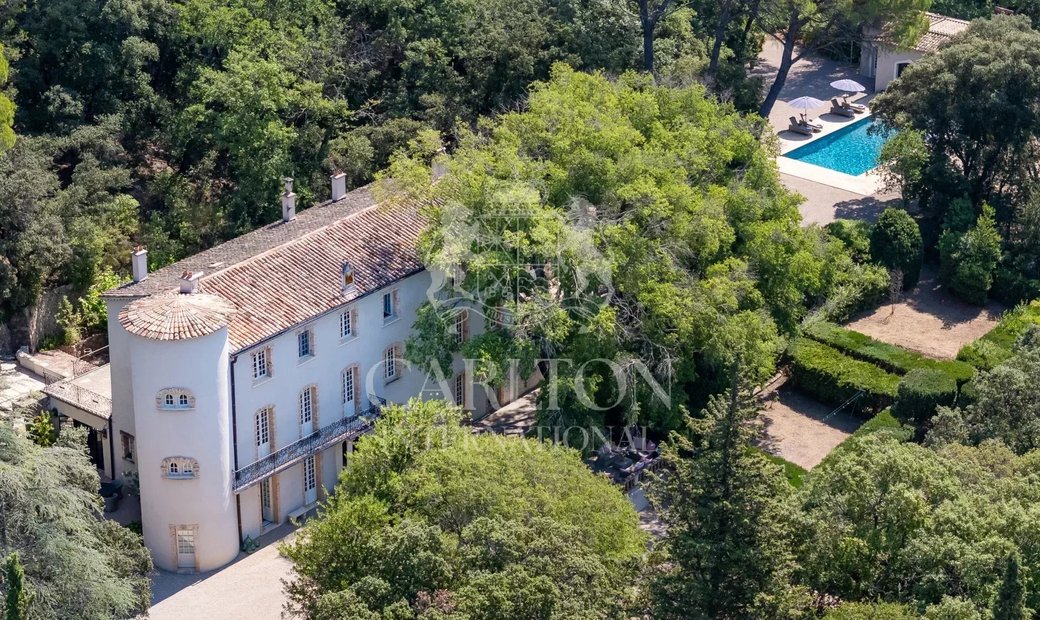
Lorgues, Provence-Alpes-Côte d'Azur, France
€9,500,000
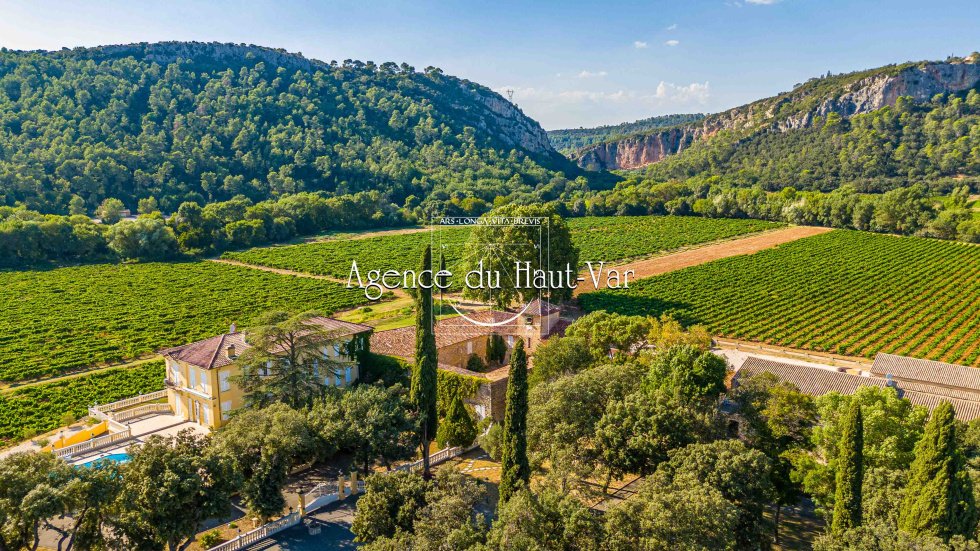
Vidauban, Provence-Alpes-Côte d'Azur, France
$8,084,368
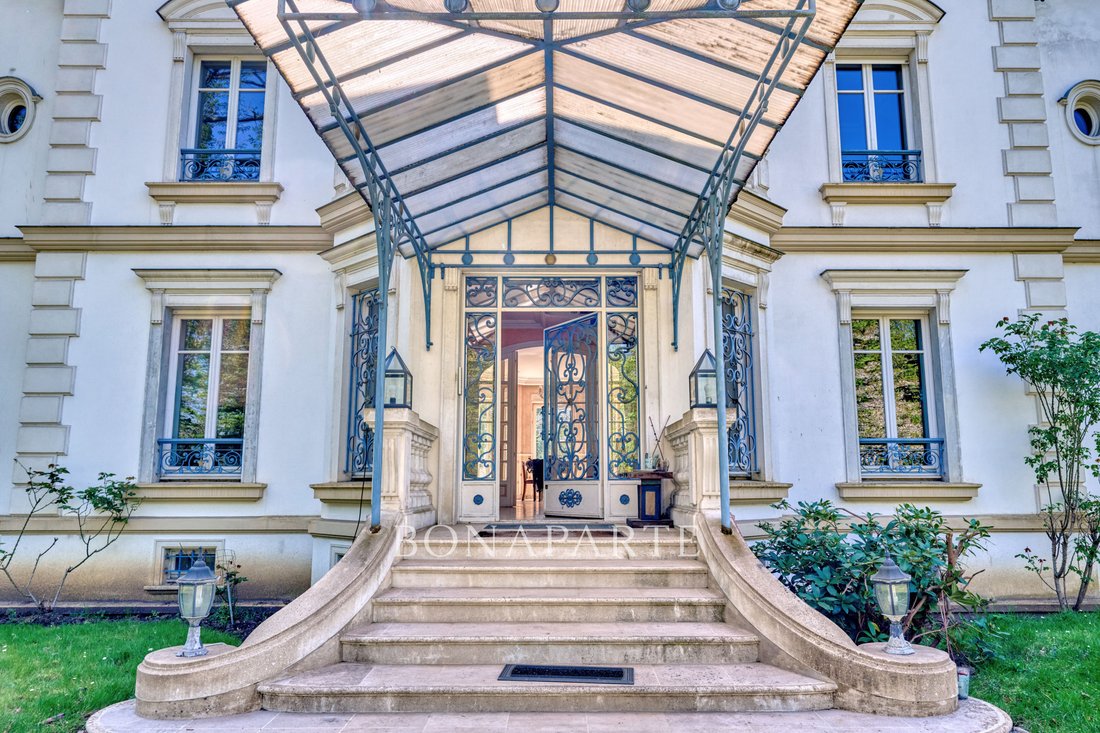
Le Vésinet, Île-de-France, France
$8,042,993
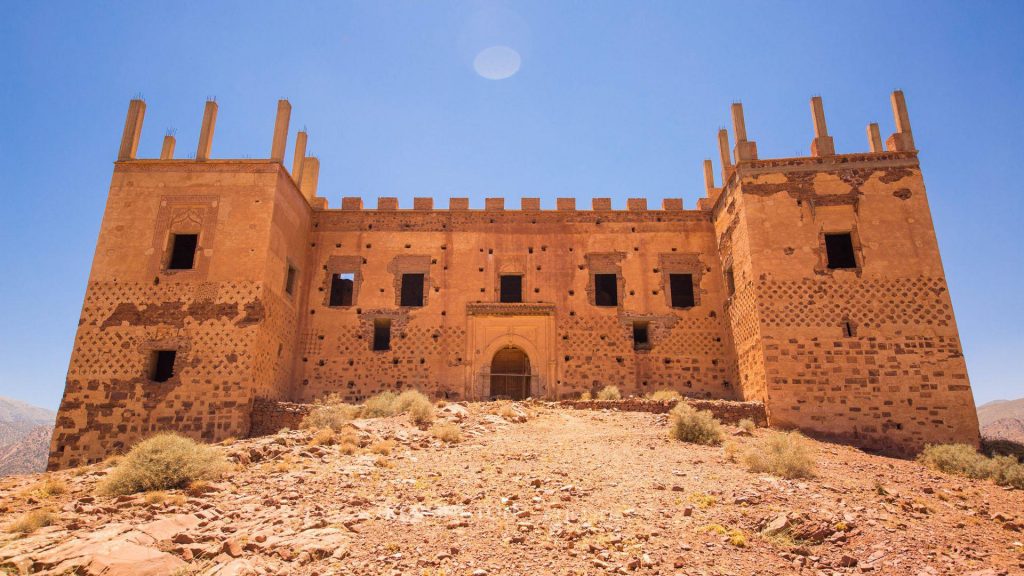
Tagountaft, MOROCCO
€6m
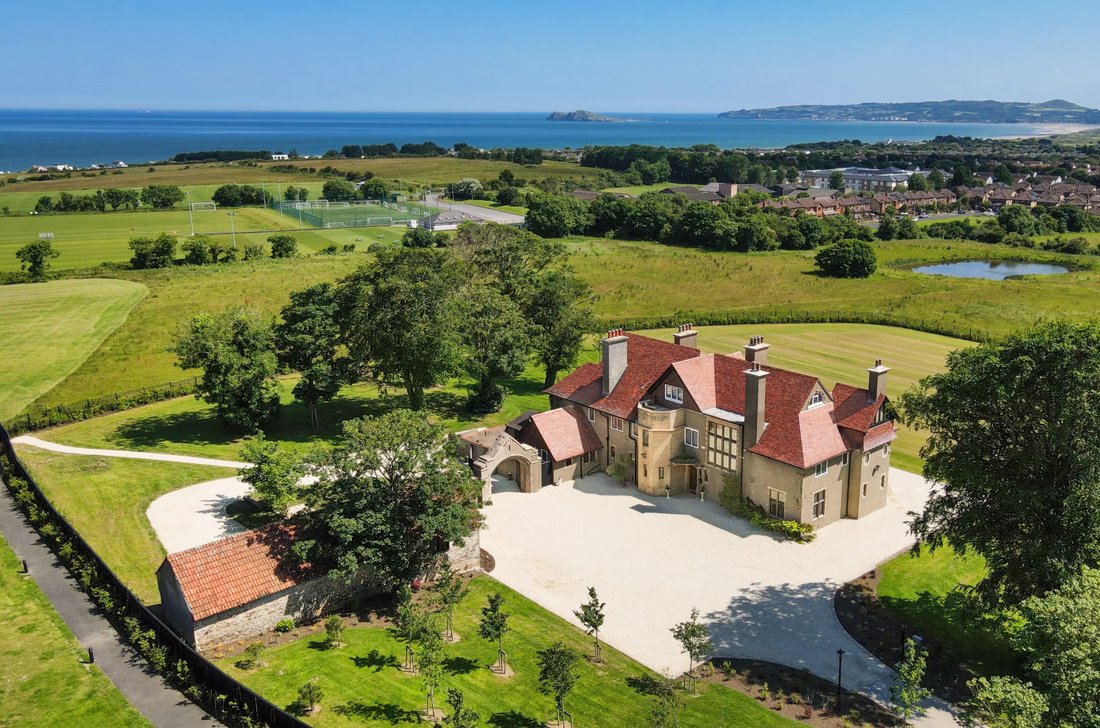
Seamount House, Seamount Road, Malahide, In Malahide, County Dublin, Ireland
€6,000,000
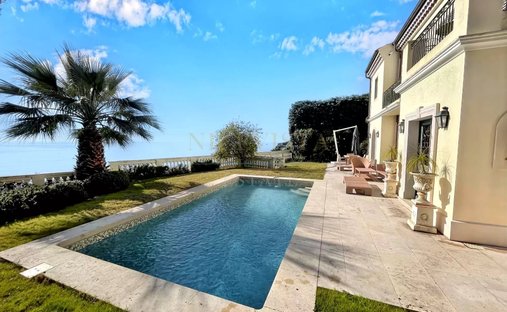
Roquebrune-Cap-Martin, Provence-Alpes-Côte d'Azur, France
$5,632,070
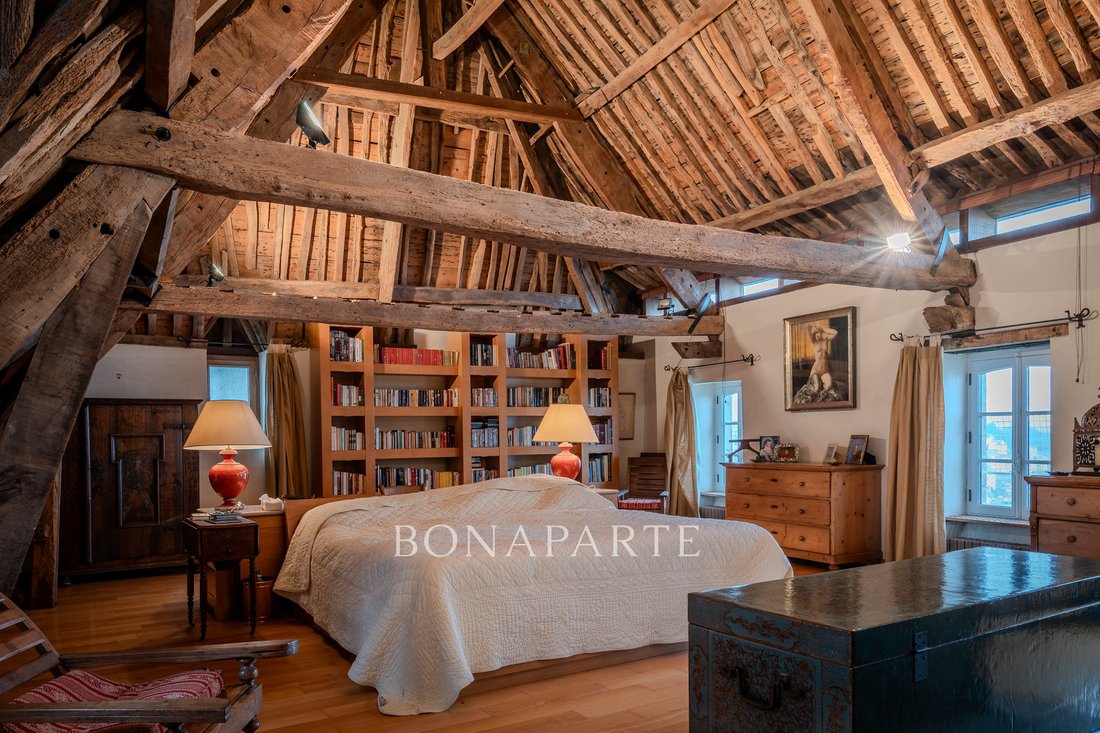
Saint-Planchers, Normandy, France
$4,931,470
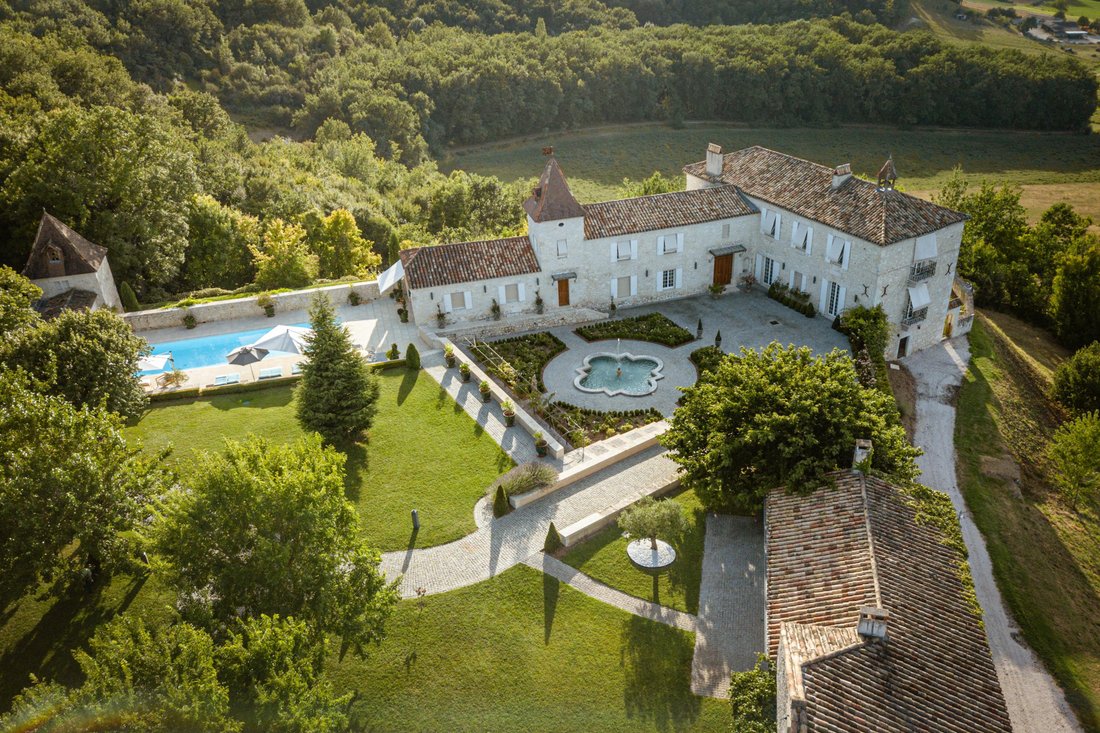
Roquecor, Occitania, France
€4,750,000
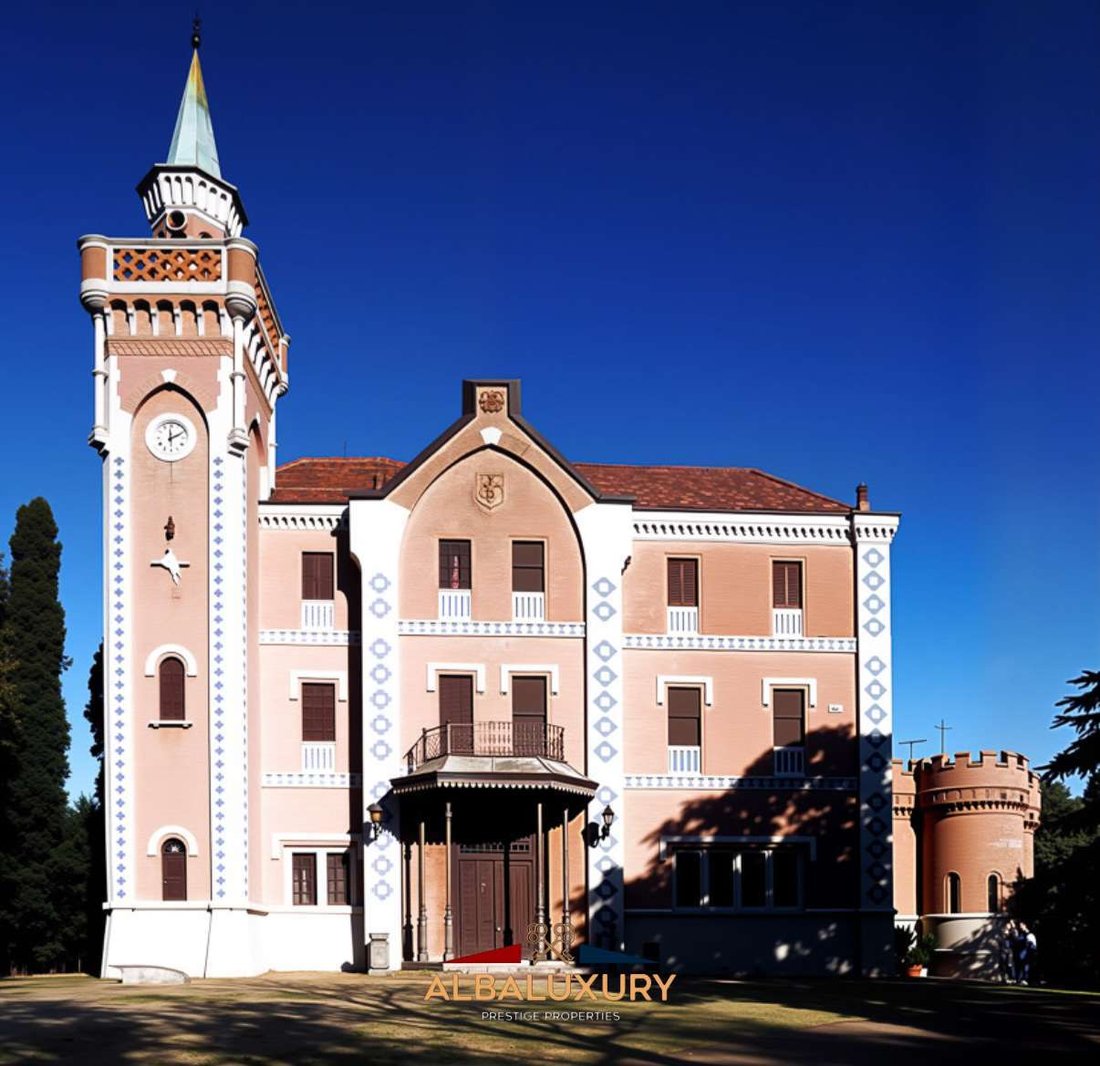
Bertinoro, Emilia-Romagna, Italy
$4,109,558 (€3,500,000)
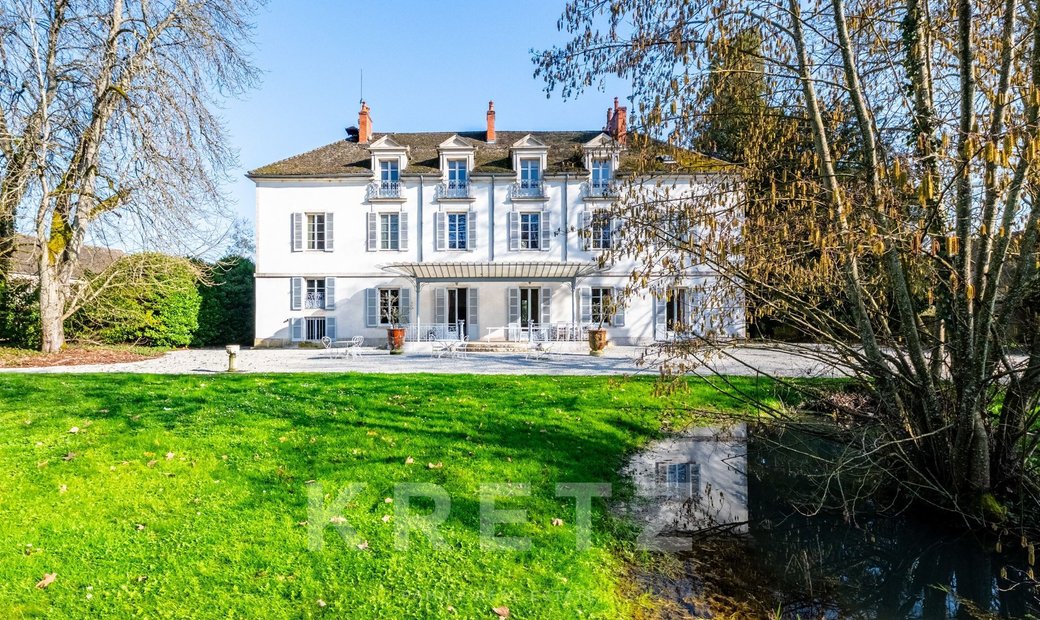
Beaune, Bourgogne-Franche-Comté, France
€3,950,000
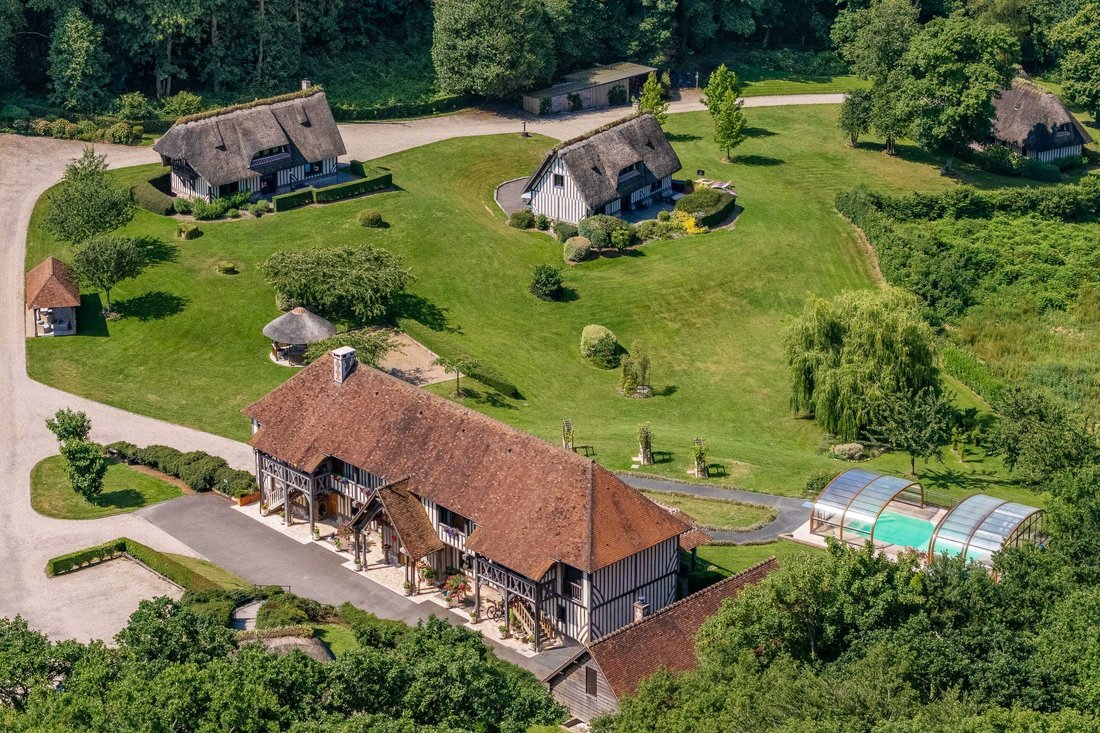
Honfleur, Normandy, France
$3,874,726 (€3,300,000)
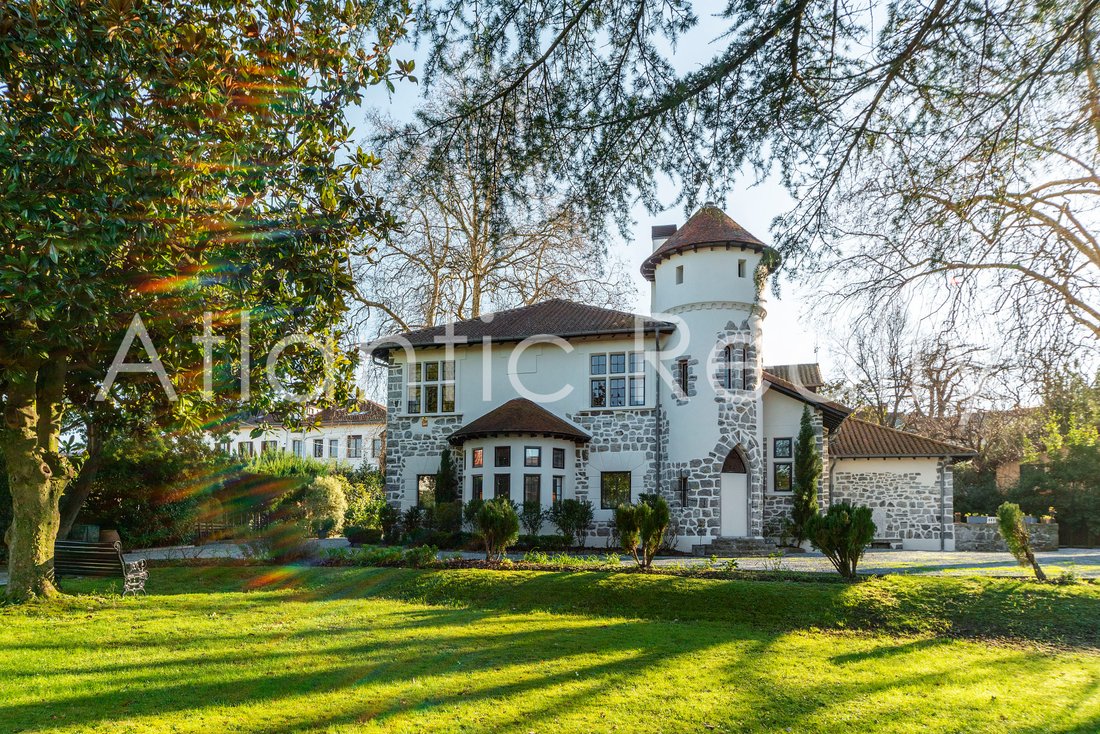
Centro, Donostia-San Sebastian, Spain
$2,806,241
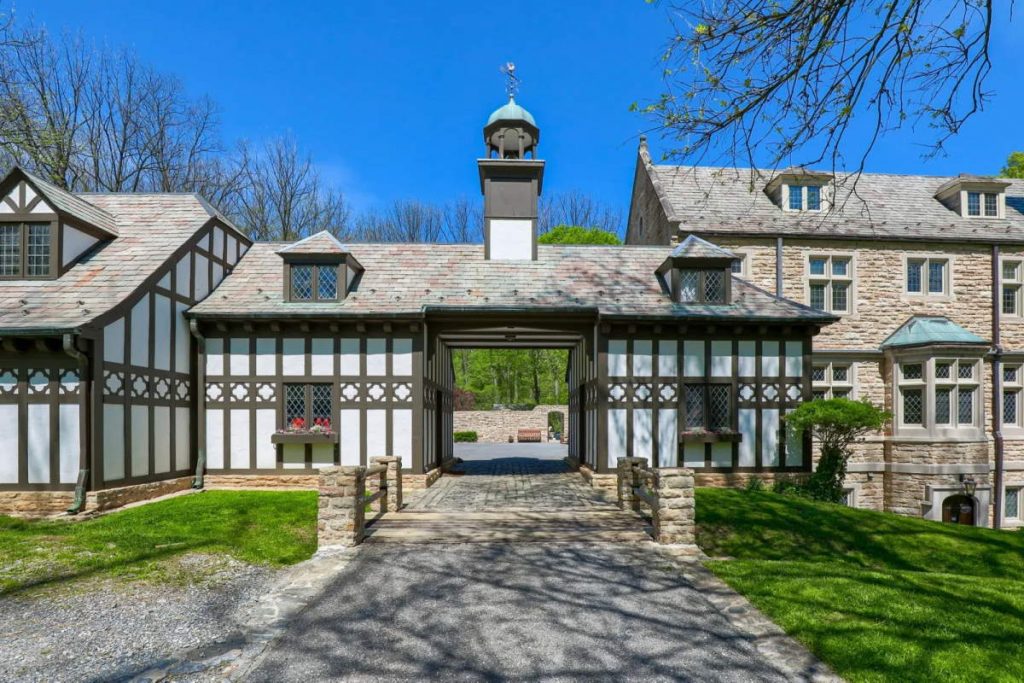
80 School House Road, Lancaster, Pennsylvania 17603, United States
$2.495m PA
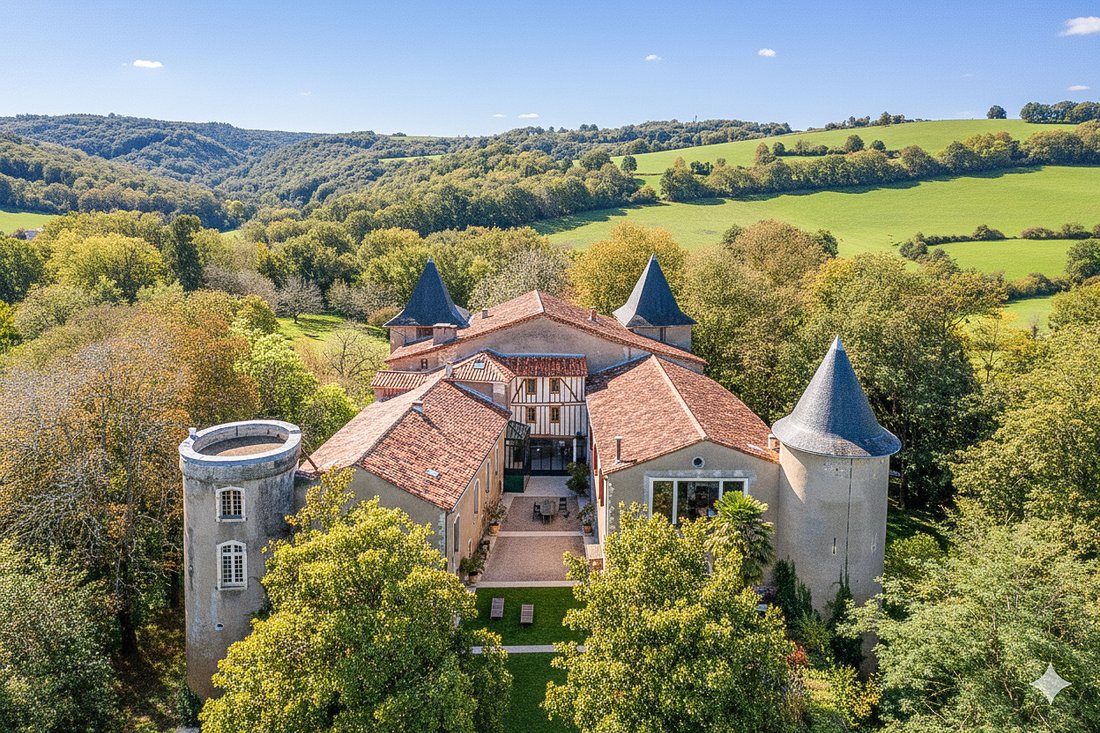
Betchat, Occitania, France
€2,300,000
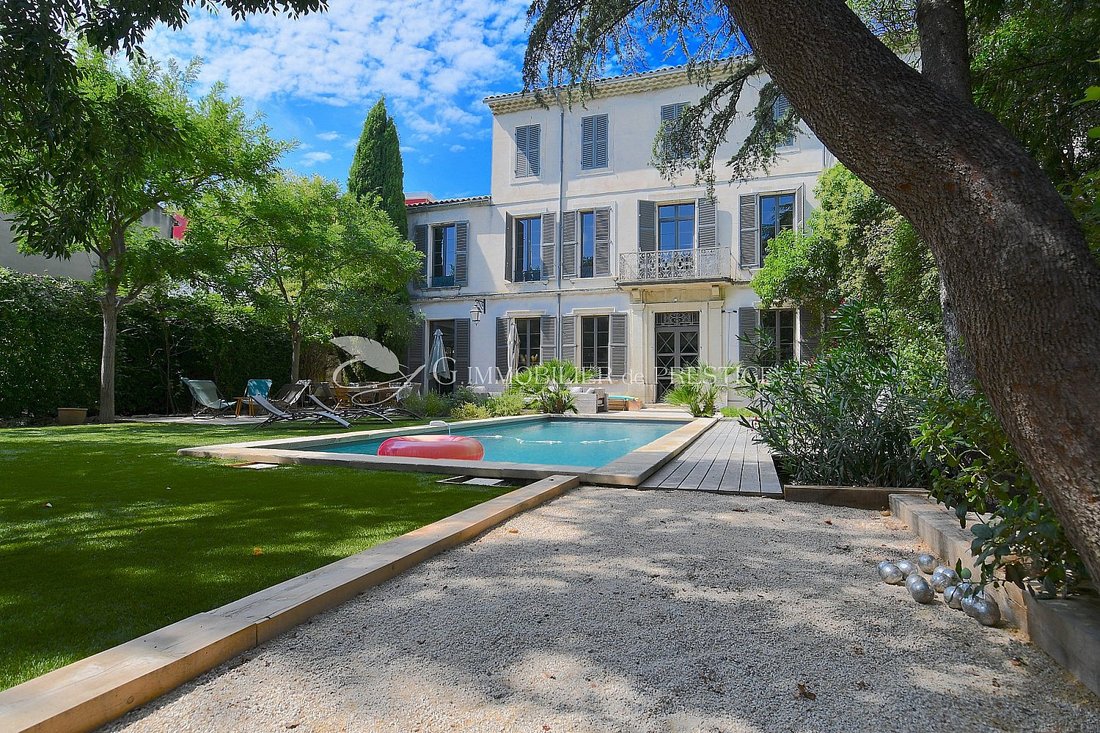
Carpentras, Provence-Alpes-Côte d'Azur, France
$2,252,522
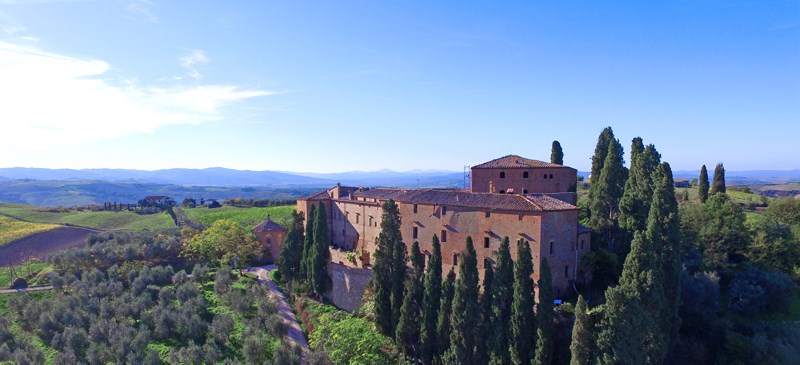
Tuscany, ITALY
€2m
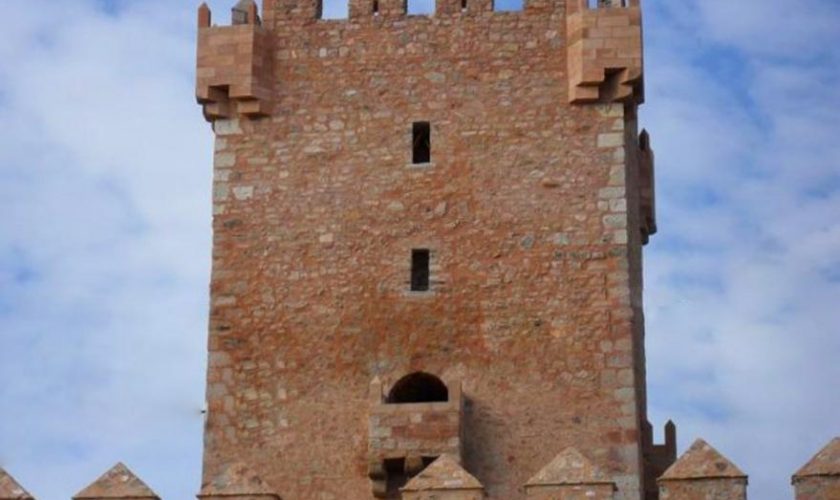
Municipal Term of Sigüenza (Guadalajara), hamlet of Guijosa, 6 km from Sigüenza
€2m
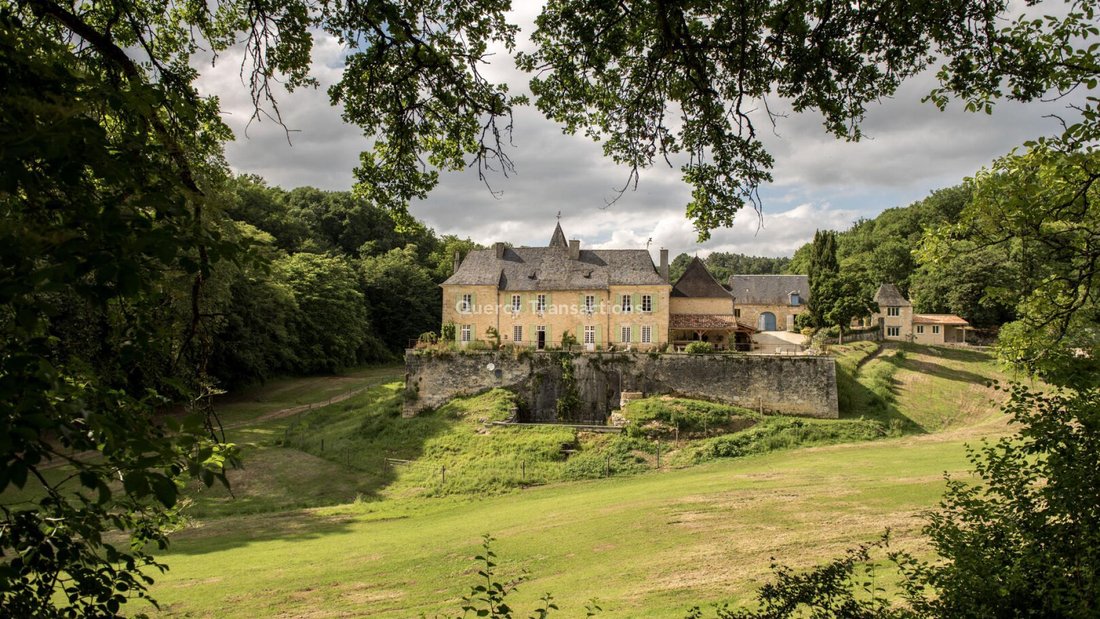
Montignac-Lascaux, Nouvelle-Aquitaine, France
€1,995,000
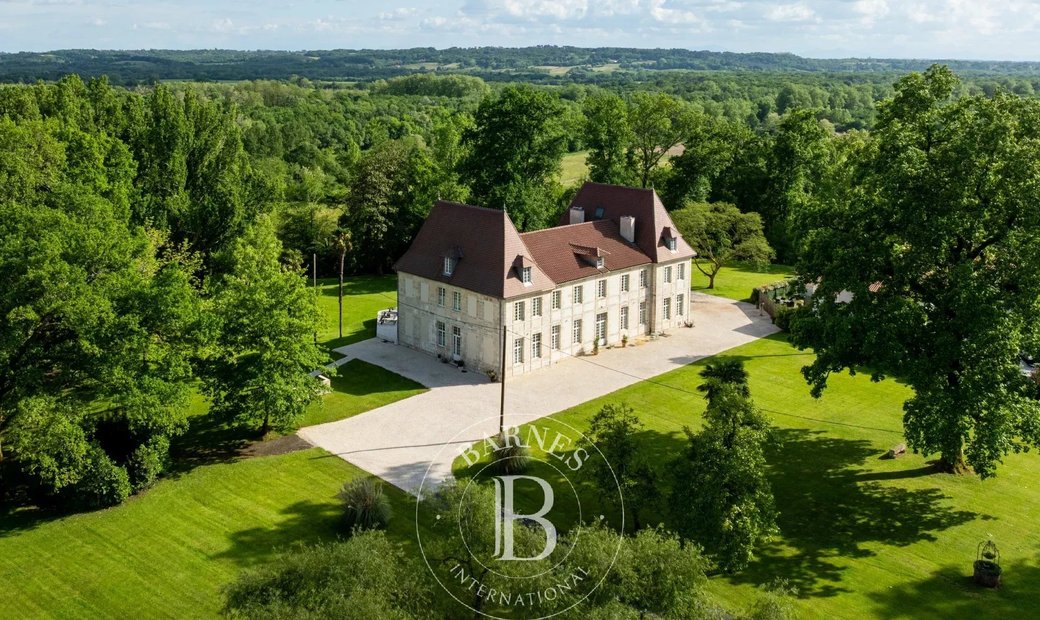
Dax, Nouvelle-Aquitaine, France
€1,995,000
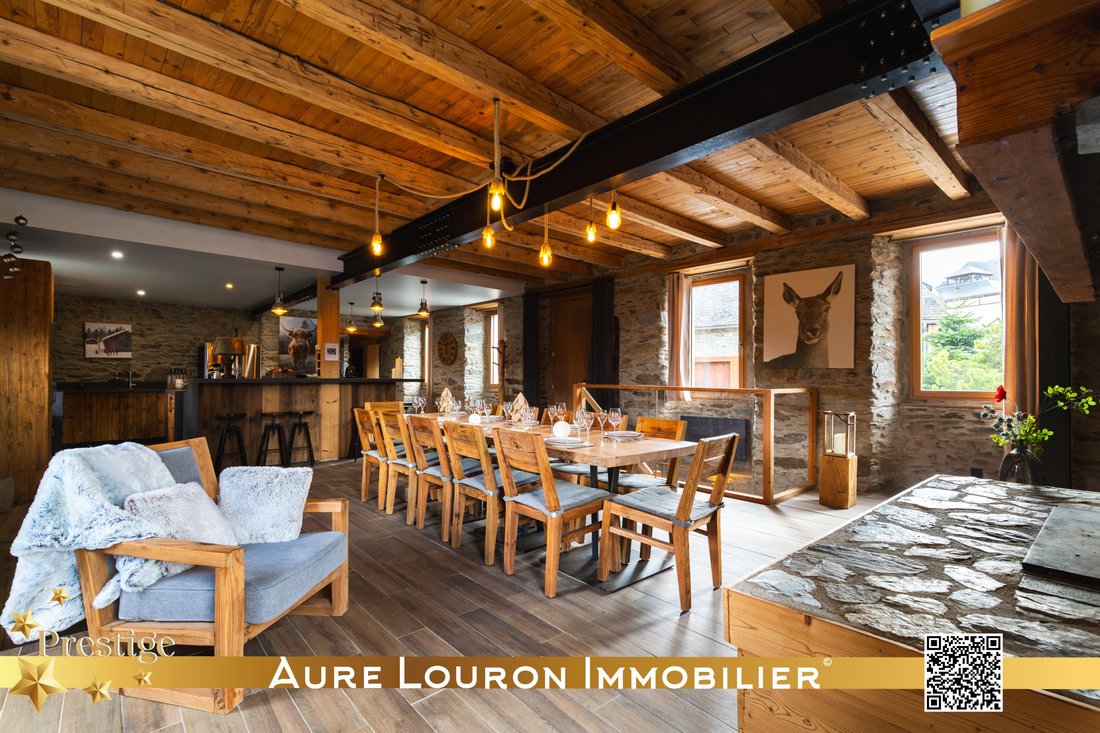
Saint-Lary-Soulan, Occitanie, France
€1,880,000
Marciac, Occitanie, France
€1,590,000
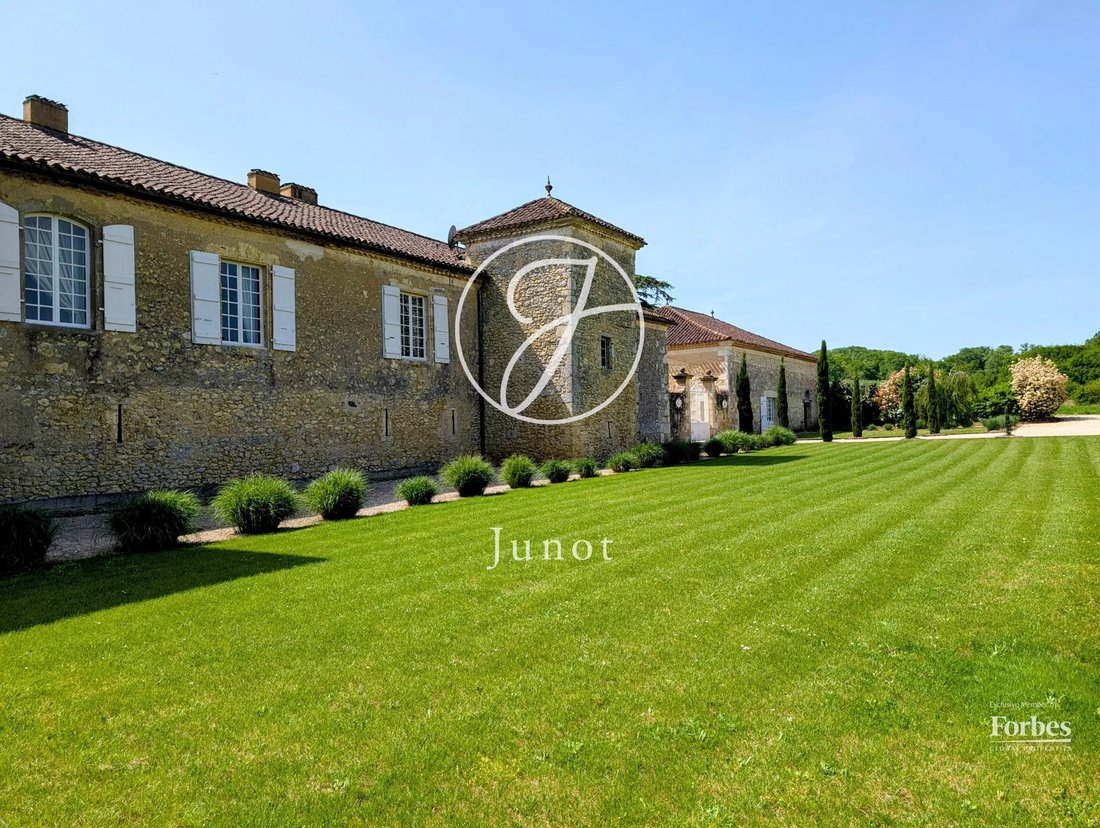
Vic-Fezensac, Occitanie, France
€1,495,000
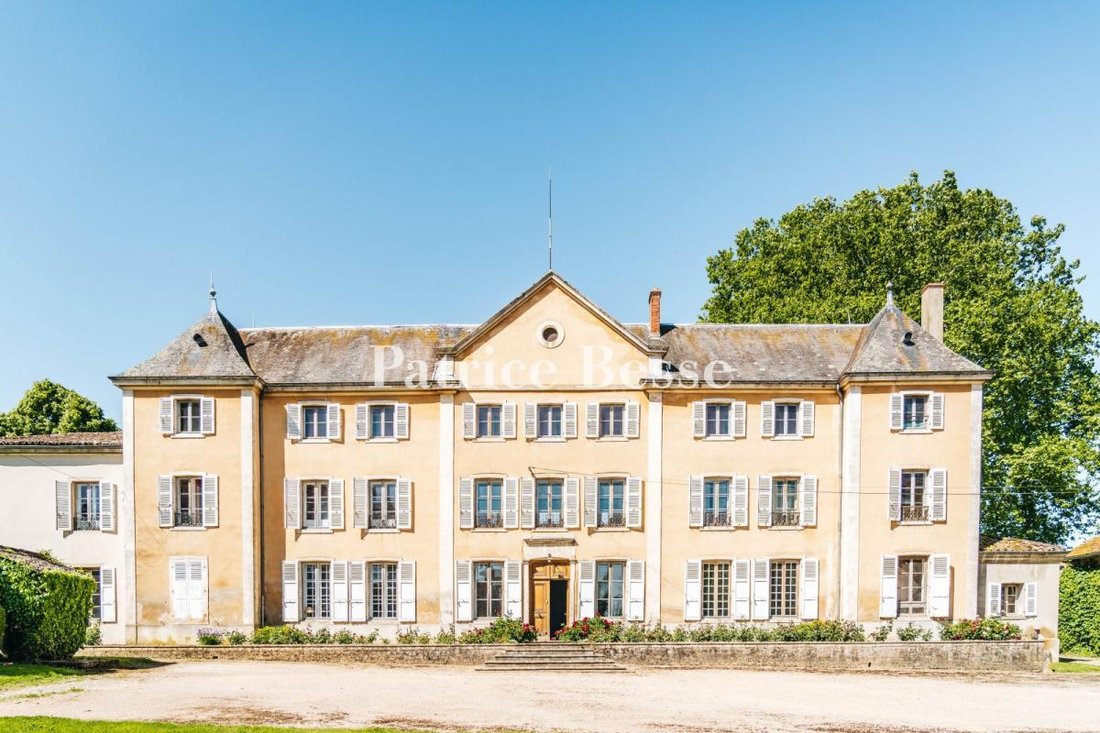
Biziat, Auvergne-Rhône-Alpes, France
$1,467,699
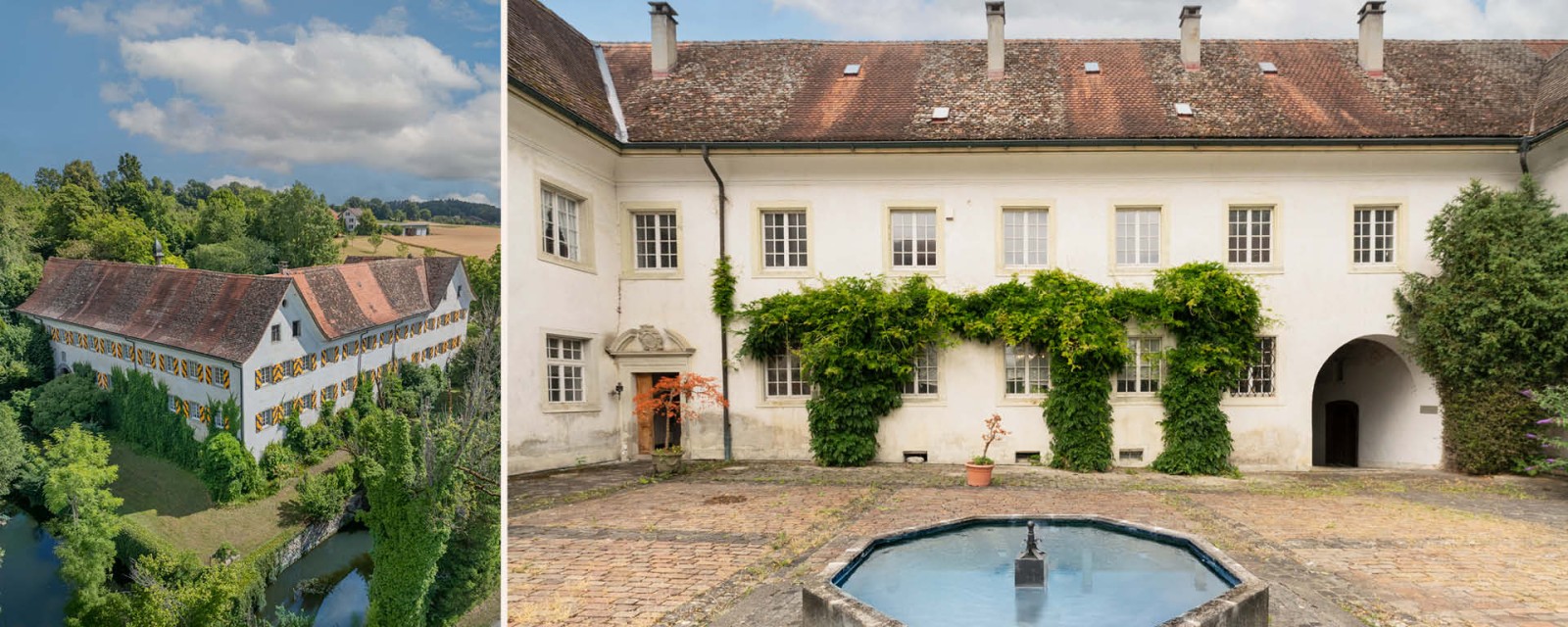
Homburg, Switzerland
EUR €1,390,000
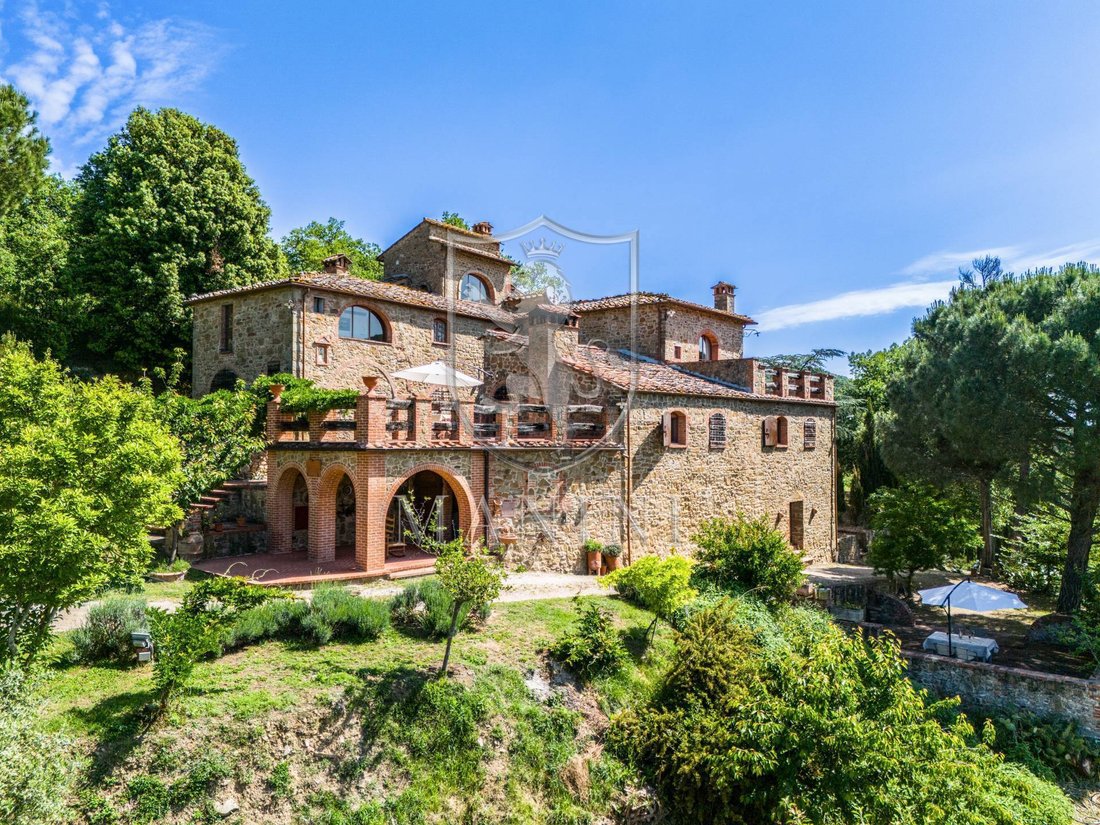
Sinalunga, Tuscany, Italy
€1,300,000
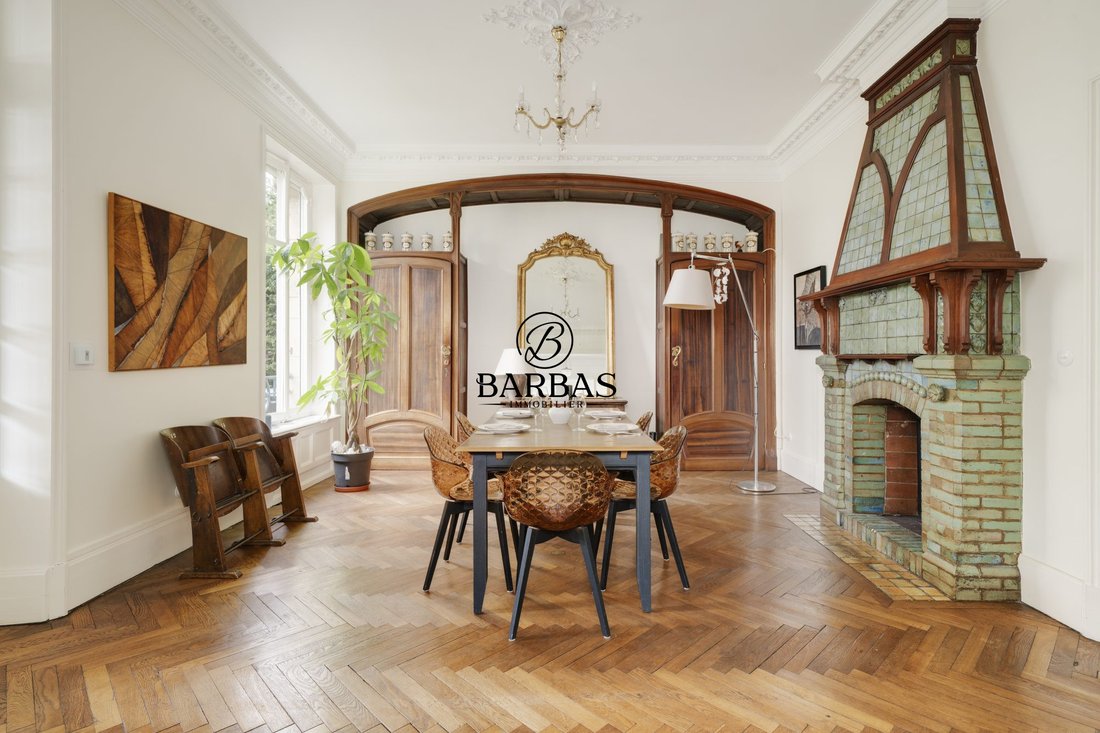
Nancy, Grand Est, France
$1,045,002
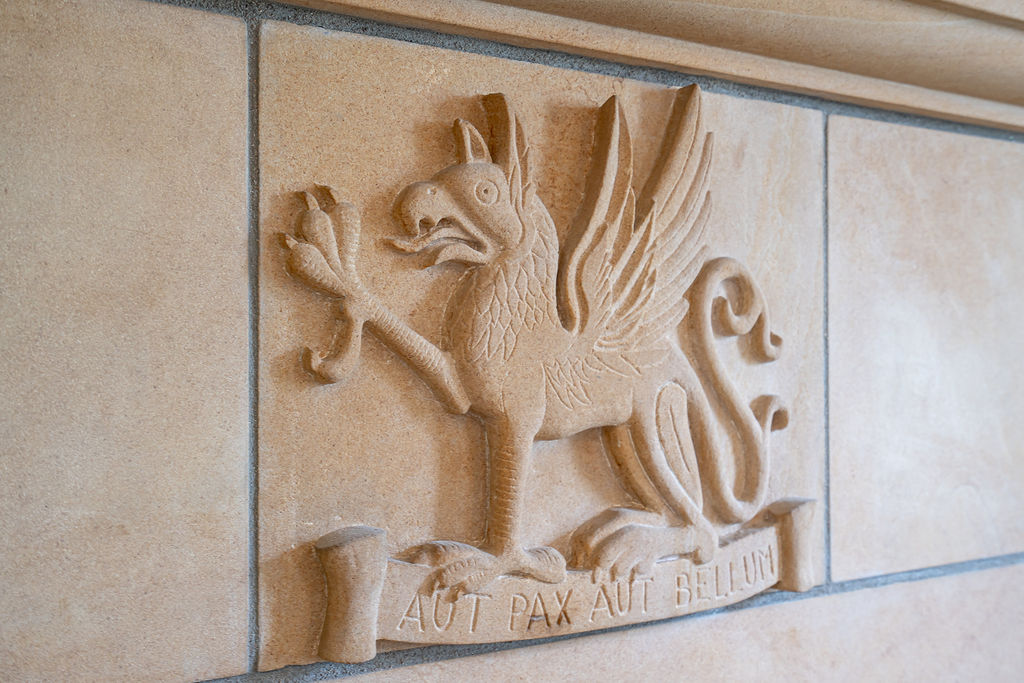
Elgin, SCOTLAND
Offers Over £1m
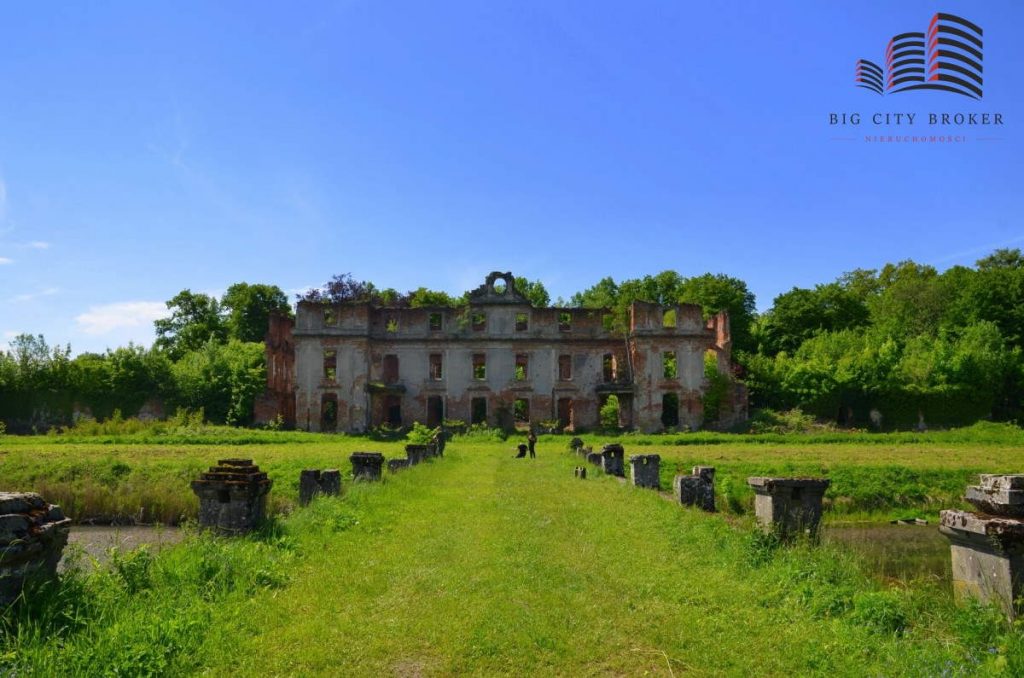
Slobity, POLAND
€999k
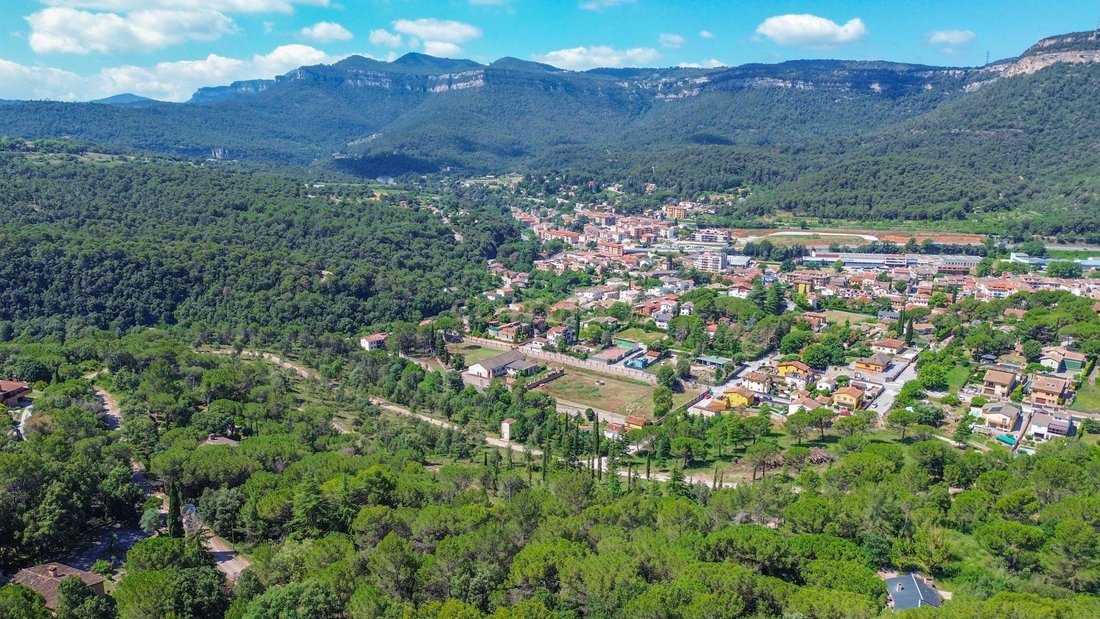
Aiguafreda, Catalonia, Spain
$983,169
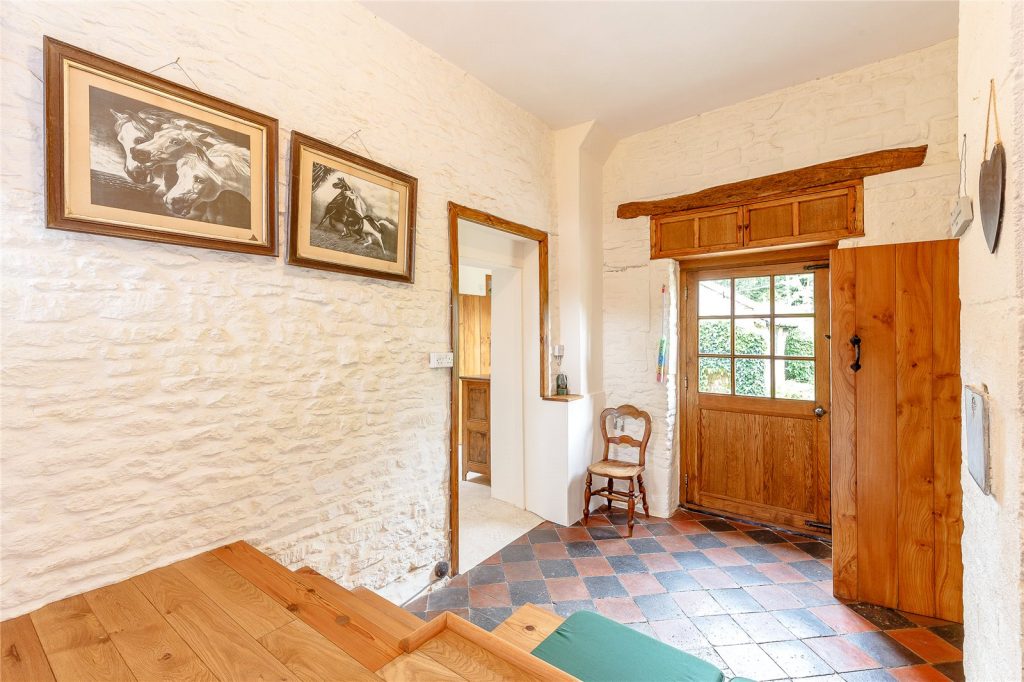
Bath, ENGLAND
£975k
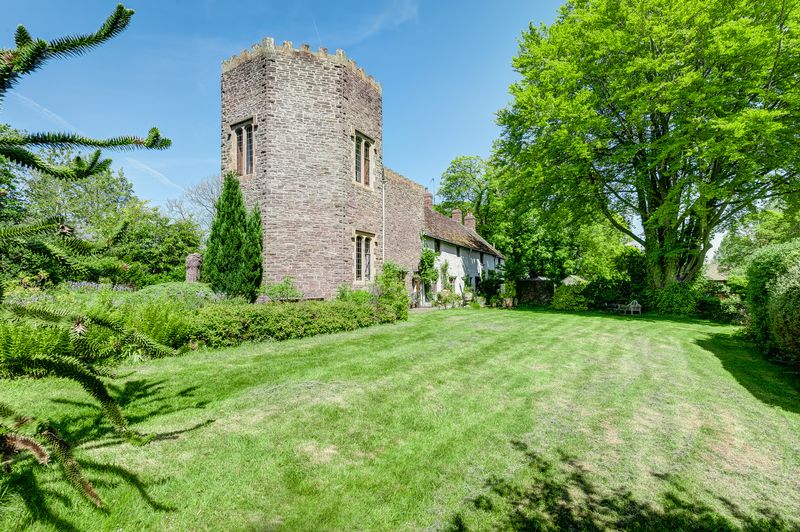
nr Abergavenny, WALES
£875k
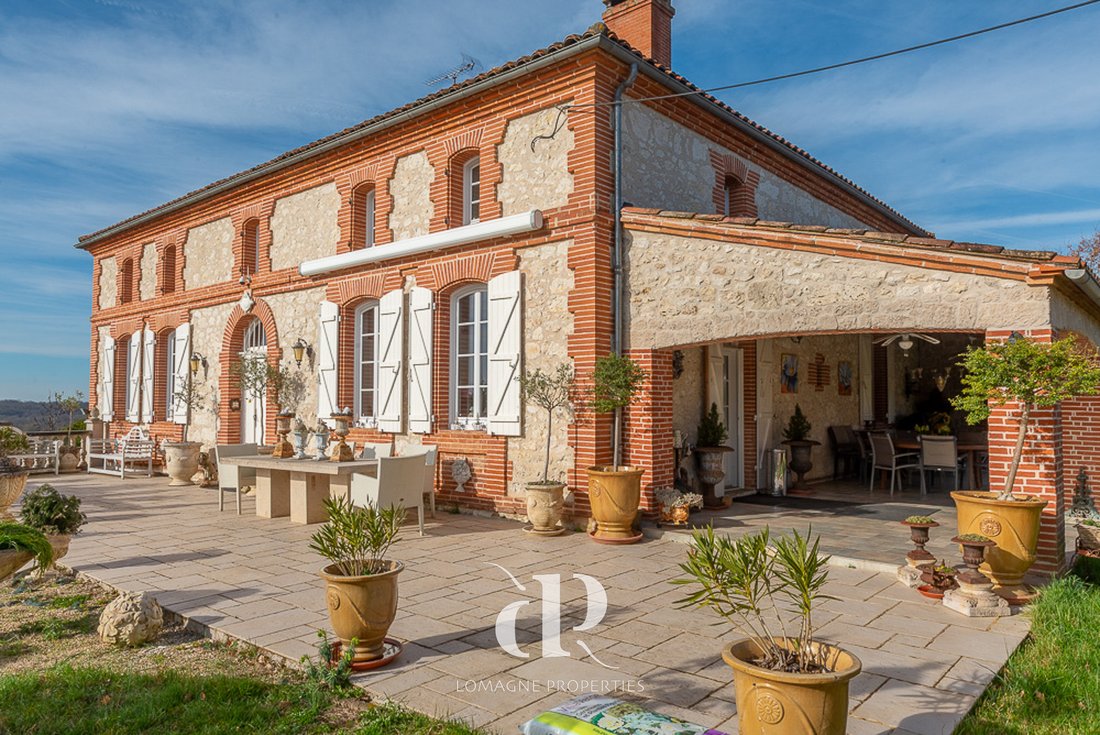
Cazes-Mondenard, Occitanie, France
€719,000 ($844,220)
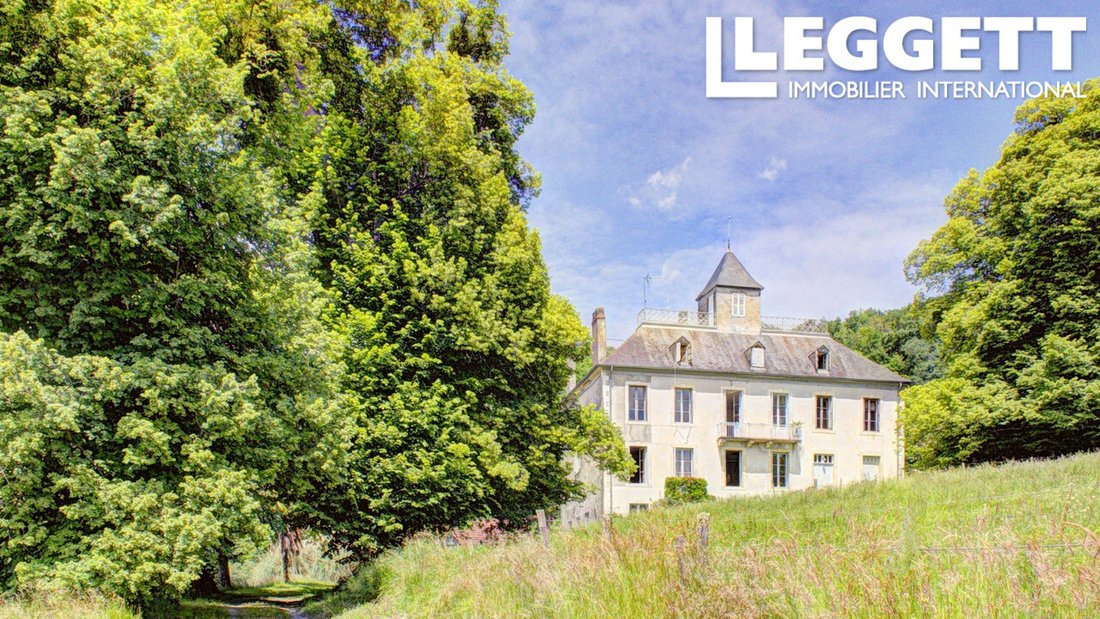
Pau, Nouvelle-Aquitaine, France
$703,321
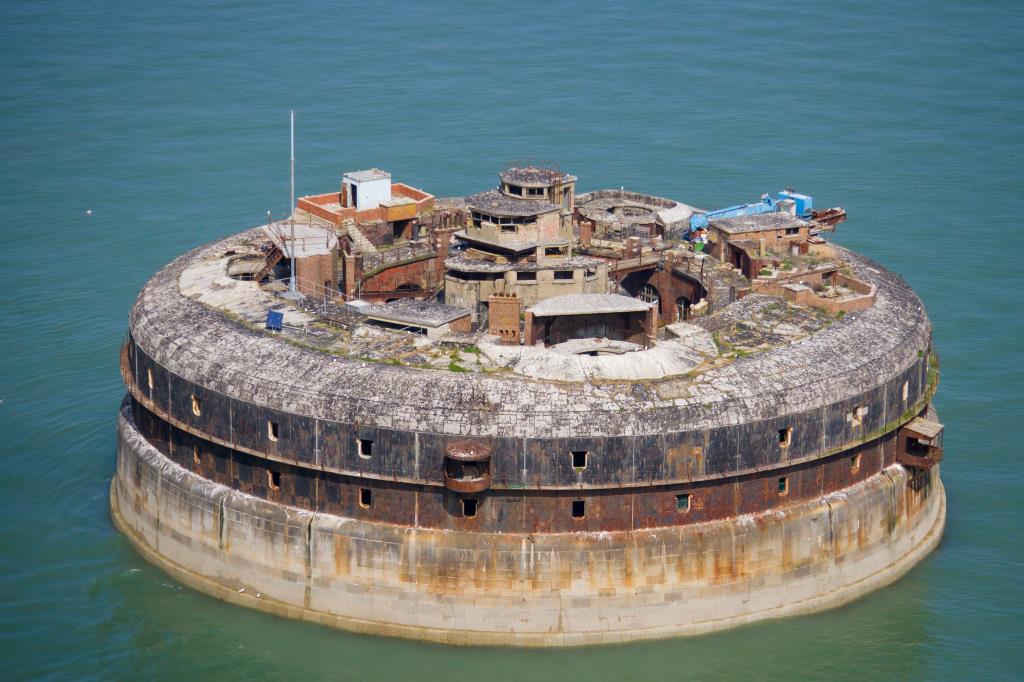
Horse Sand Fort, Solent, between Southsea and the Isle of Wight, Hampshire, England
£700k
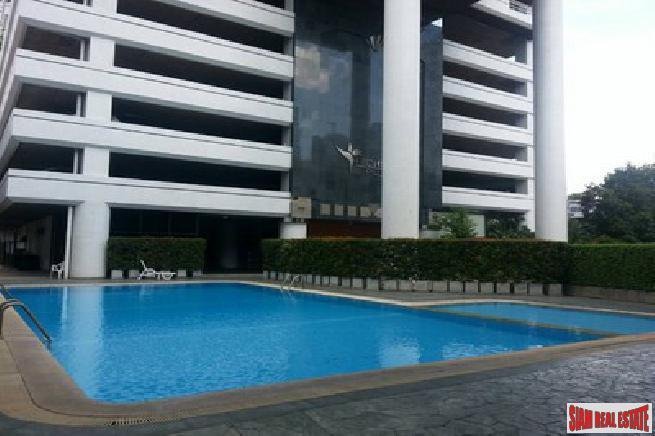
Bangkok, Bangkok, Thailand
$555,825
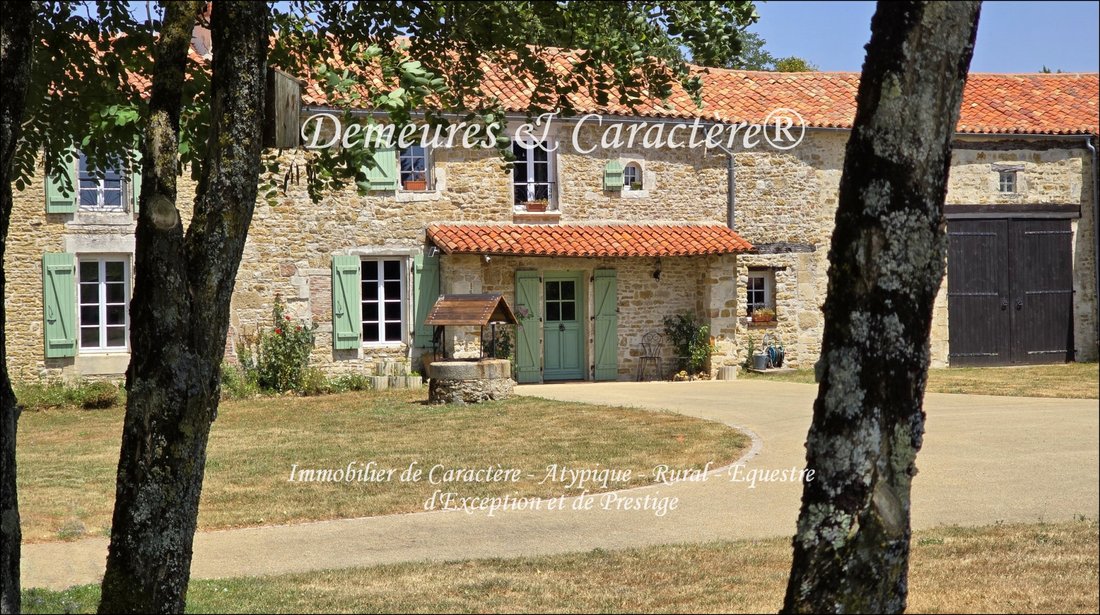
Sainte-Hermine, Pays de la Loire, France
€549,000 (converted to $644,613)
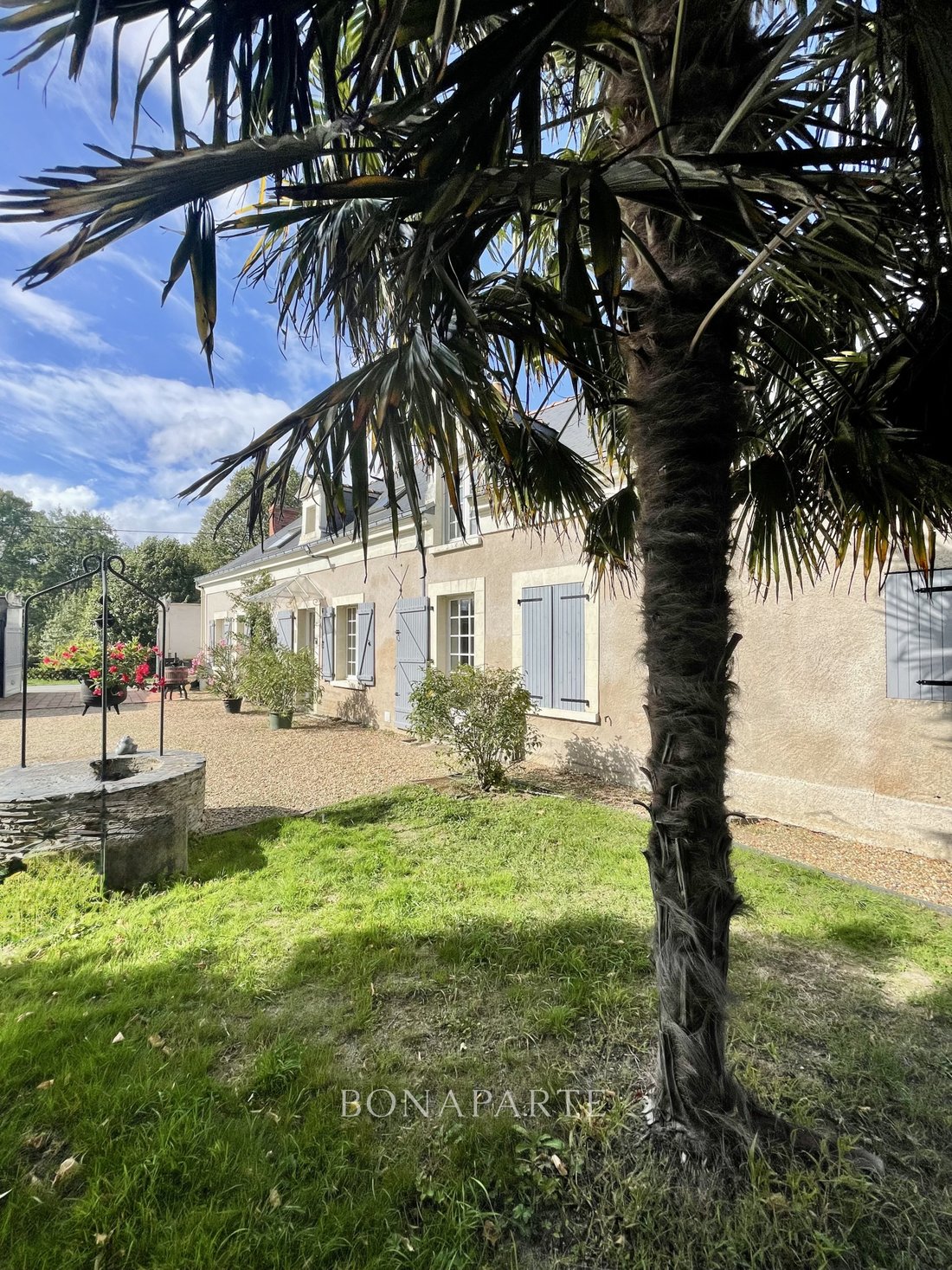
Loire-Authion, Pays de la Loire, France
€462,000 ($542,461)
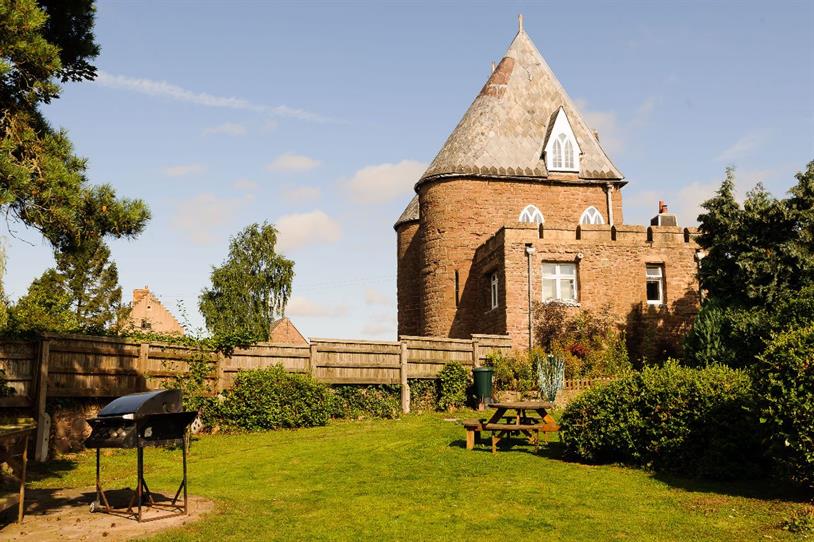
Pencraig, WALES
£450k
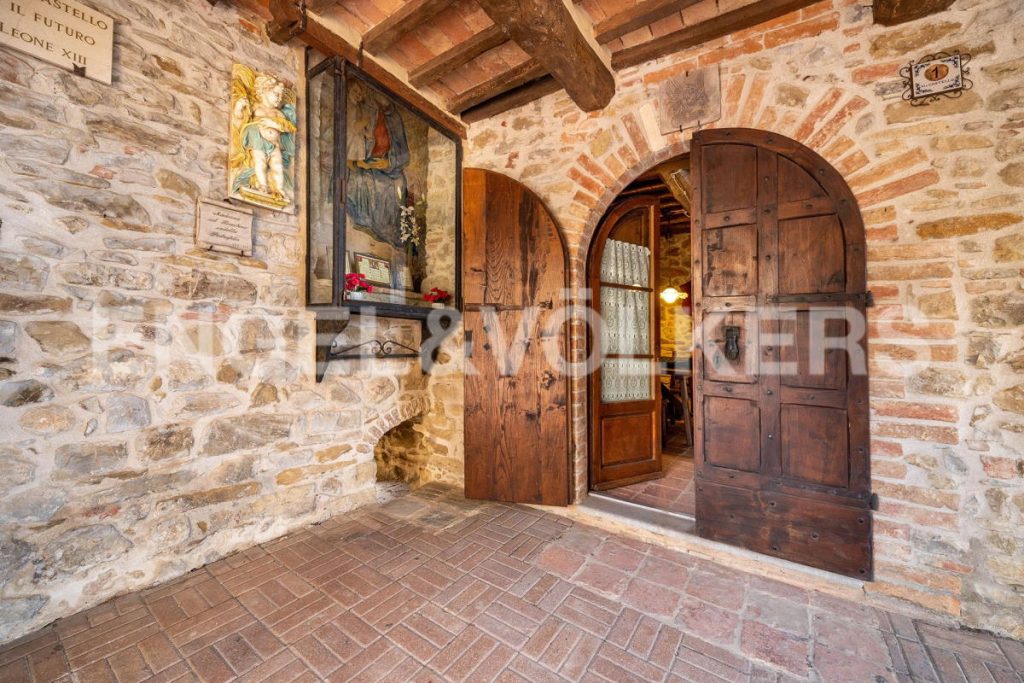
Umbria, ITALY
€350k
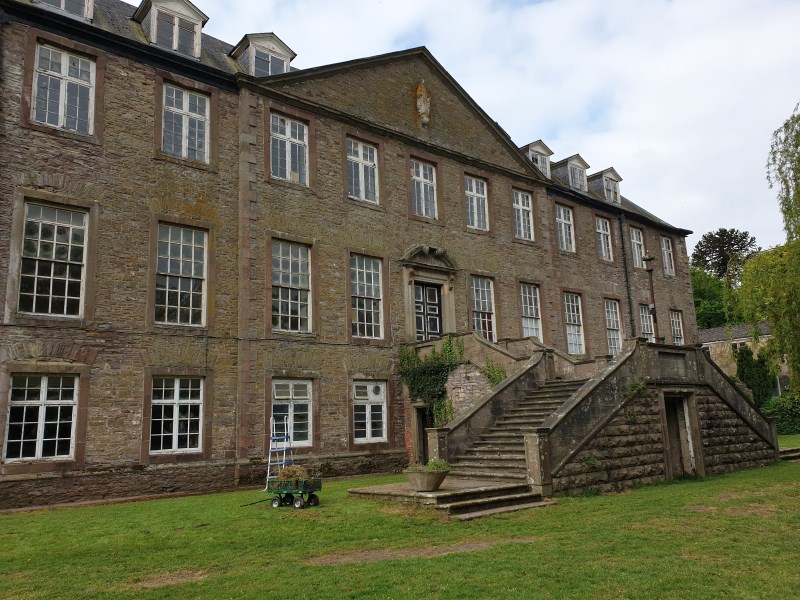
Monmouth, WALES
£200k-£250k
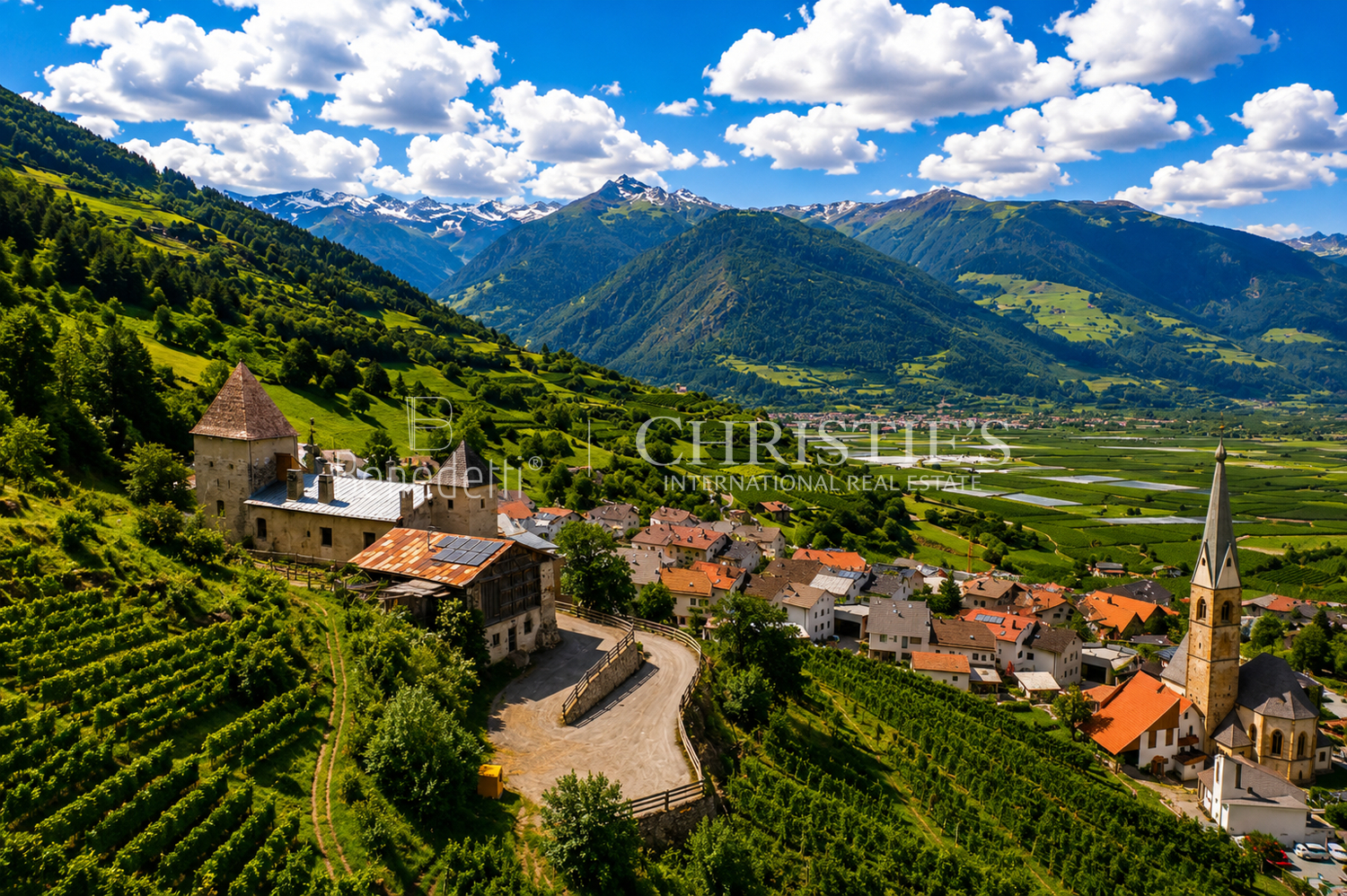
Laas, South Tyrol, Italy
POA
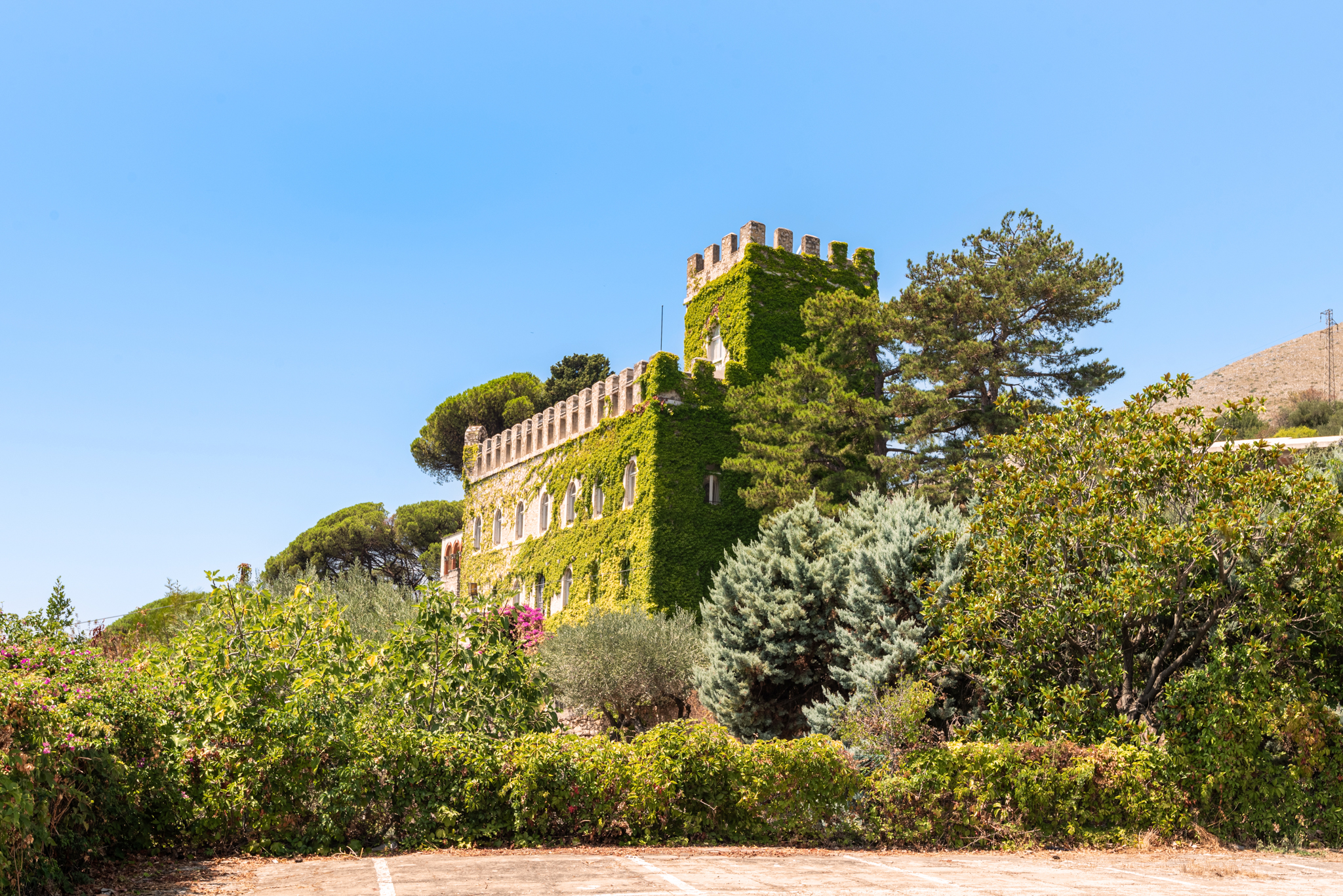
Via Balze di Pagnano, Latina, Formia, Italy
POA
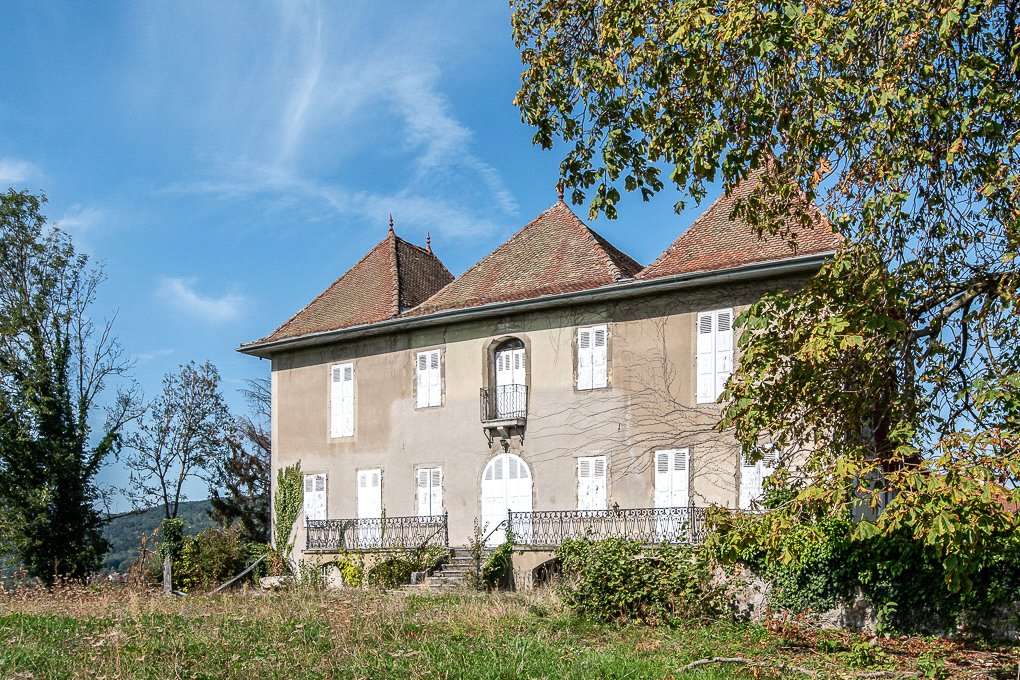
Pringy, 74960
POA

Larvik, Norway
€POA
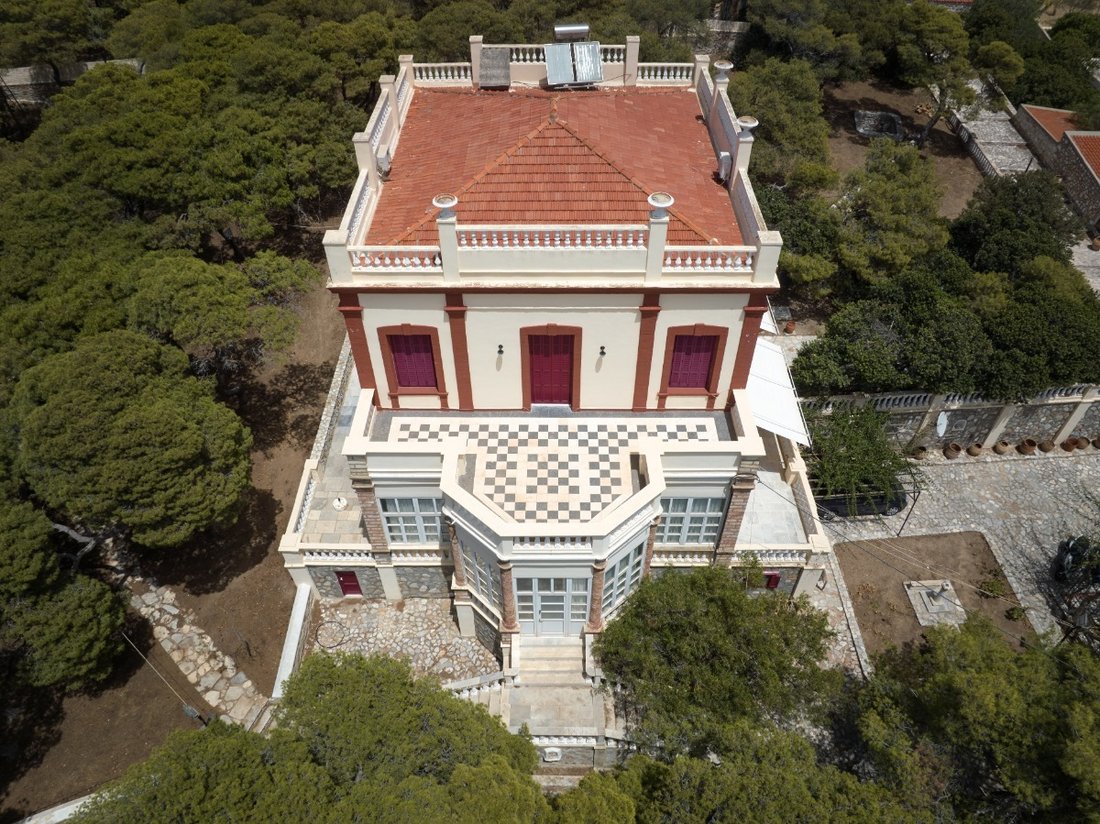
Poseidonia, Decentralized Administration of the Aegean, Greece
Price On Request
Price figures are calculated on the 22 properties in this category quoted in EUR. Listings priced in other currencies are excluded rather than converted, so the median reflects real asking prices.
Typically a principal house plus the buildings that once served it: stables, a coach house, staff cottages, farm buildings, sometimes a chapel. Land comes with most of them. The secondary buildings are where both the opportunity and the liability sit, since they can be converted for income or can quietly absorb a large maintenance budget.
That is how most of them are held today. The usual routes are holiday lets in converted outbuildings, events and weddings, agricultural tenancy, and forestry. Each carries its own licensing and planning requirements, and in most jurisdictions a change of use needs consent before you begin trading.
Anything from a few hectares to several hundred, which makes the average meaningless. What matters more than the headline figure is the classification of that land — agricultural, forestry, building plots or protected — because it determines both the tax treatment and what you are permitted to do with it.
Where this category is actually represented in the catalogue.
We can't find the internet
Attempting to reconnect
Something went wrong!
Attempting to reconnect