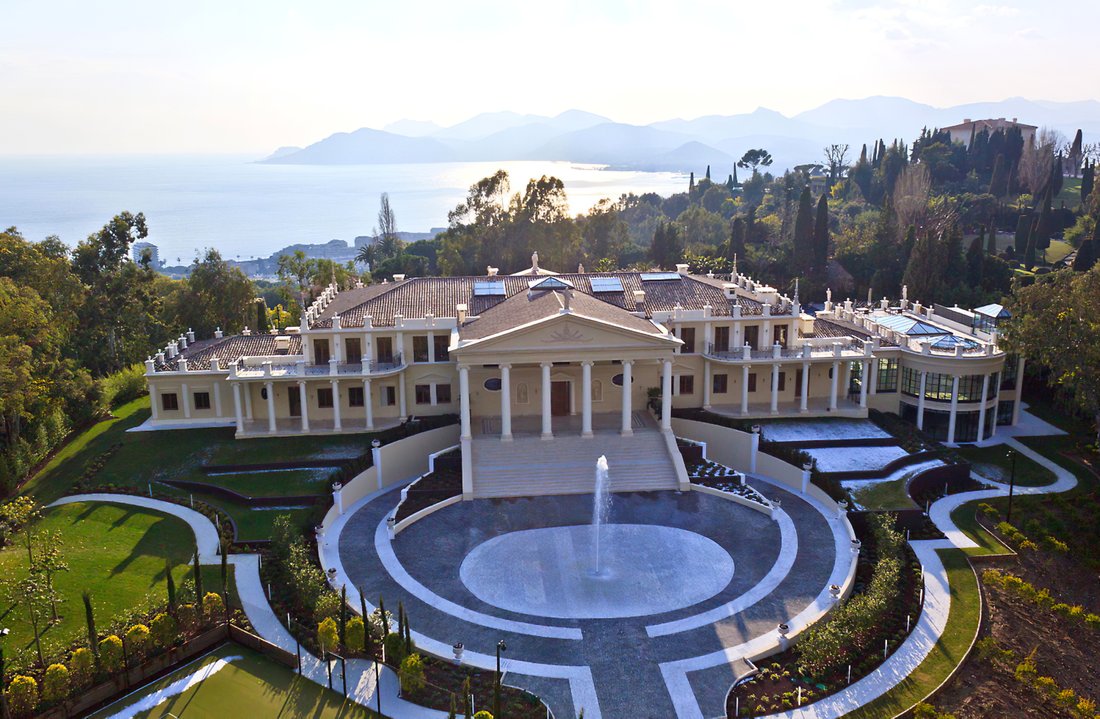
Palais Vénitien: Where Venice’s Grandeur Meets the Riviera’s Gold
Cannes, Provence-Alpes-Côte d'Azur, France
$140,899,147
View details
Aggregate market data from the published Castelle catalogue, updated with the inventory.
Buyer's guide
A palace on this page was built to be seen, not defended: ceremonial reception rooms, a formal façade, and — in Italy a palazzo on a historic square, in France a palais that was often a grand townhouse or a former episcopal residence — a location chosen for prestige rather than for terrain. That urban, ceremonial origin is the thread that runs through the category and the main thing that separates it from a castle or a fortified estate.
It also explains the practical constraints buyers run into. Palaces sit disproportionately in historic town centres, which means restricted vehicle access, limited or no on-site parking, and a conservation-area planning regime that governs the whole street, not just your building. Anyone weighing a palace against a rural chateau of similar price should factor these constraints in alongside the square metres.
Conversion to apartments or a boutique hotel is the most common route to making a palace economically viable, and a meaningful share of the palaces that reach the open market have already been partly converted. Whether further conversion is realistic depends on the local planning regime and, where the building is listed, on heritage consent — both worth checking against the specific property before you value it on its conversion potential.
Cannes, Provence-Alpes-Côte d'Azur, France
$140,899,147
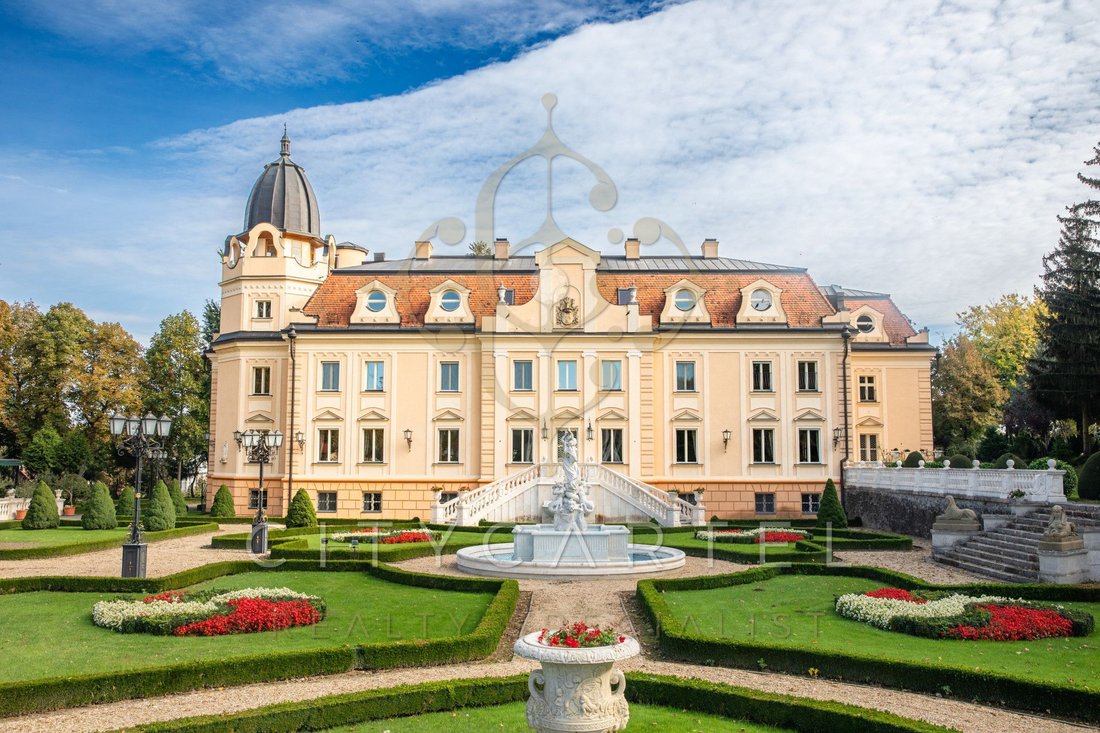
Sopron, Hungary
$35,224,786
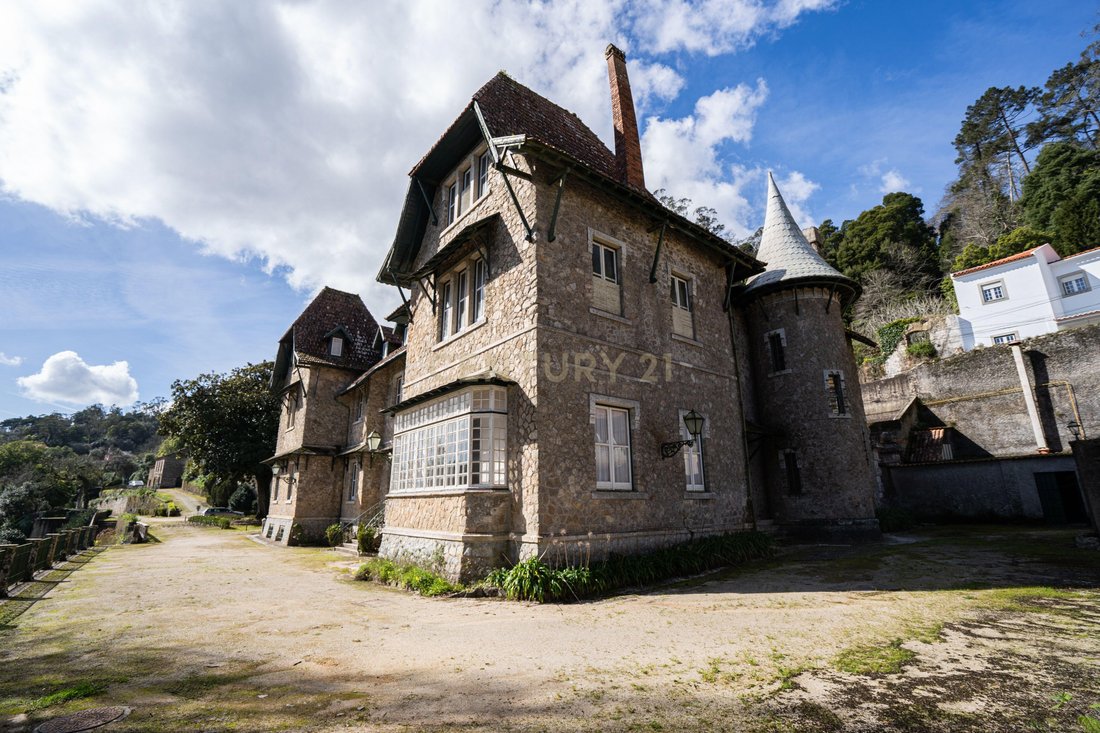
Sintra, Lisbon, Portugal
$19,373,632
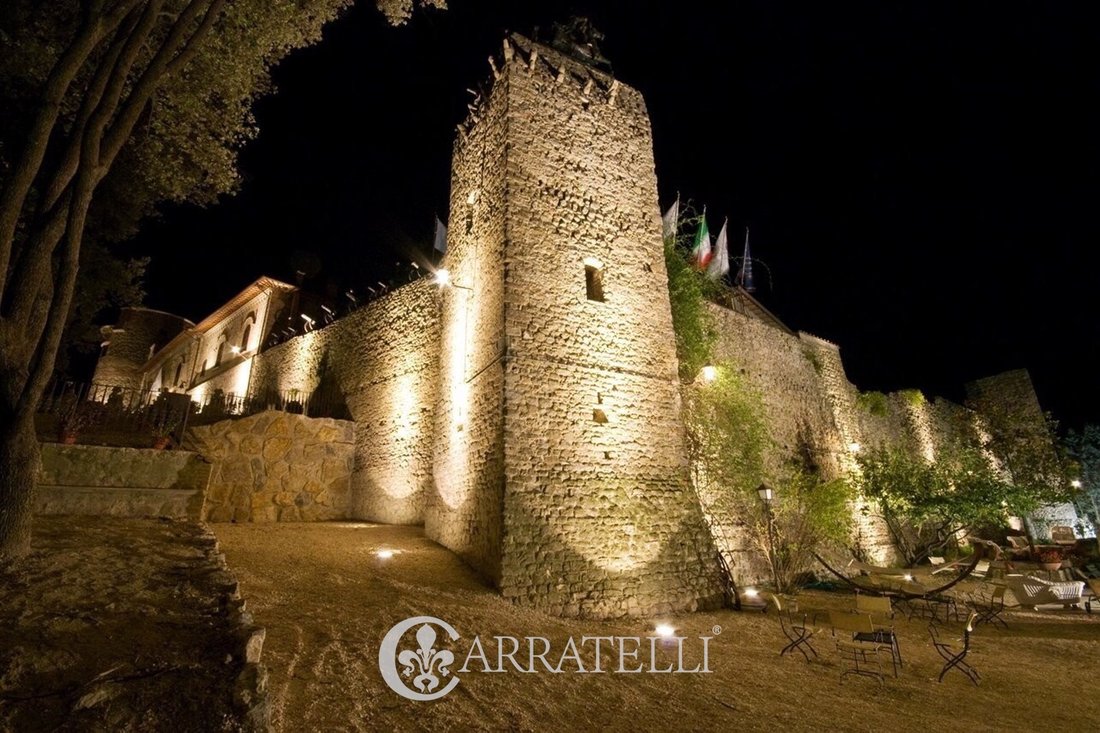
Castelleone, Umbria, Italy
$15,264,074 (converted from €13,000,000)
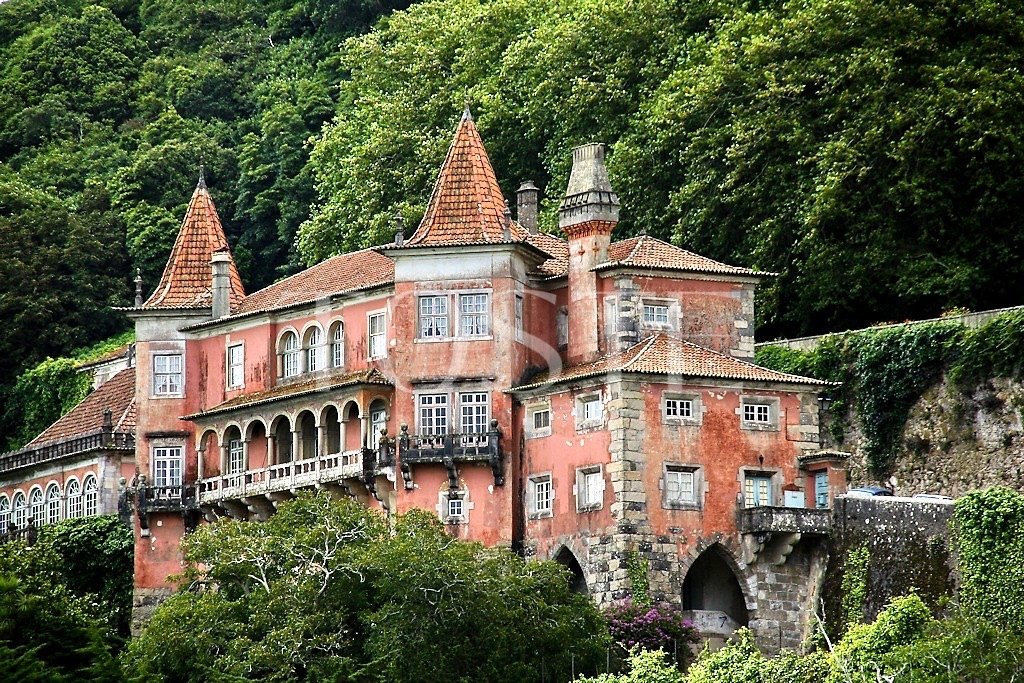
Sintra, Lisbon, Portugal
$14,676,994 (converted from €12,500,000)
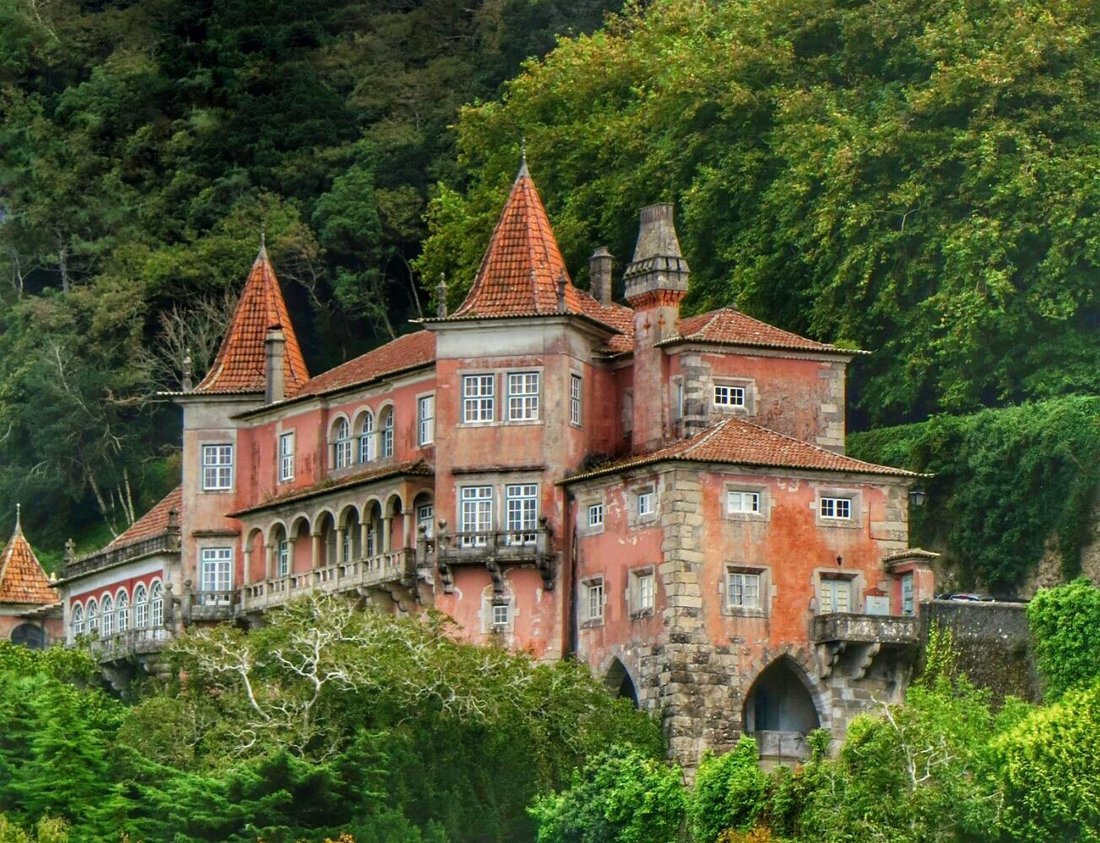
Sintra, Lisbon, Portugal
$14,676,994
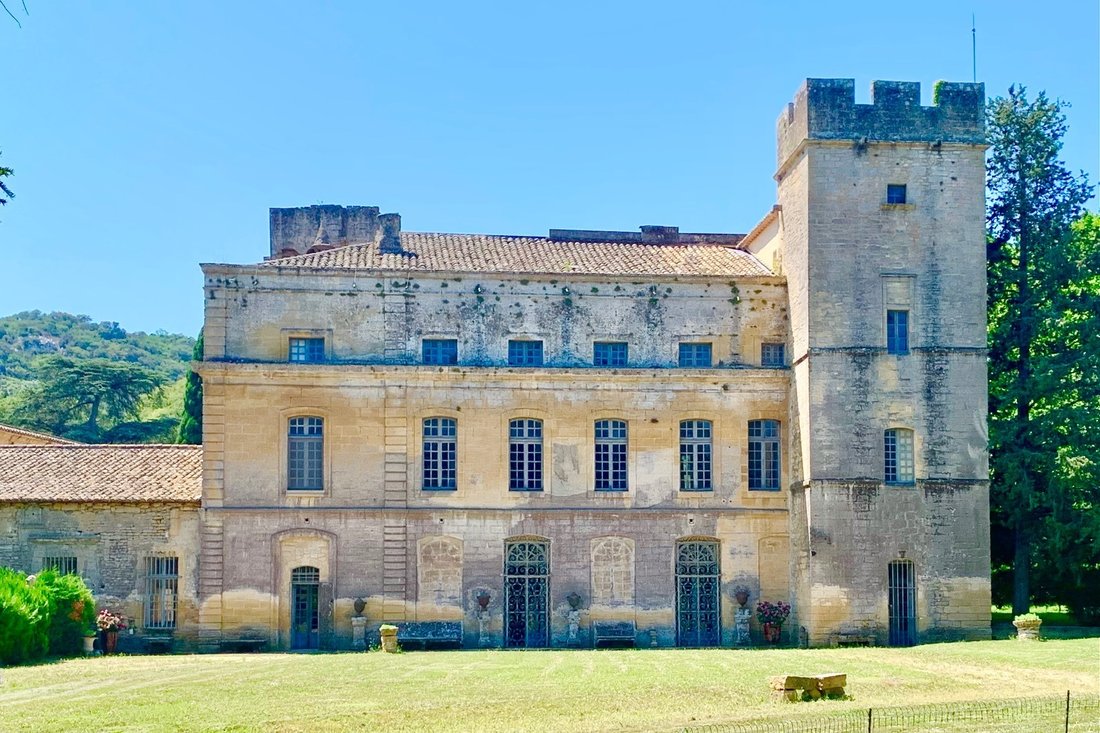
Vers-Pont-du-Gard, Occitanie, France
$11,624,179 (€9,900,000)
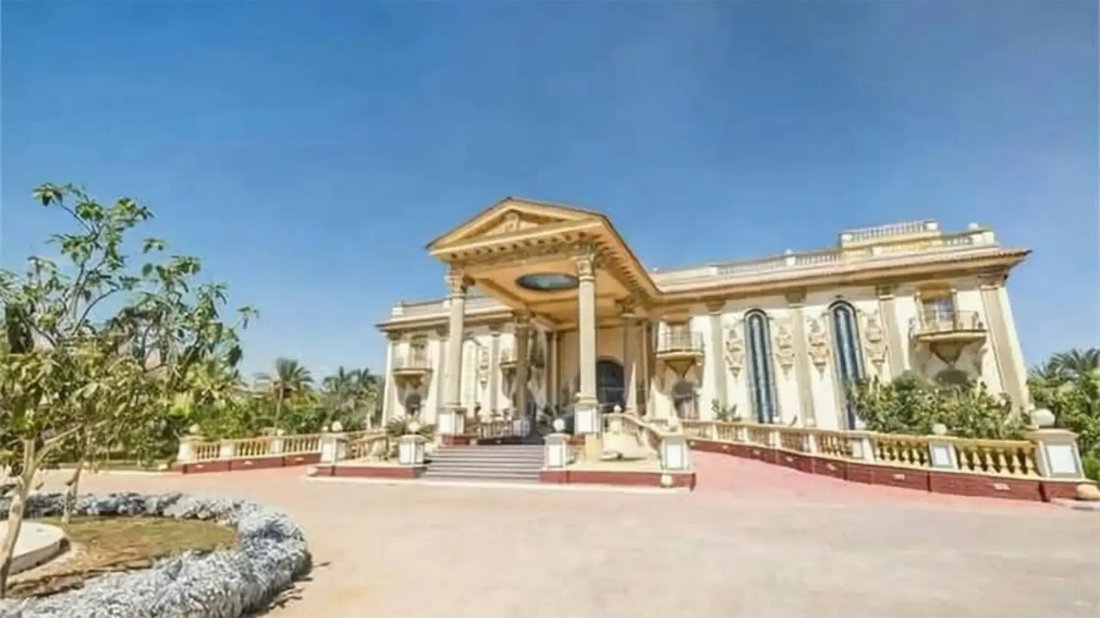
Cairo, Cairo Governorate, Egypt
$11,624,179
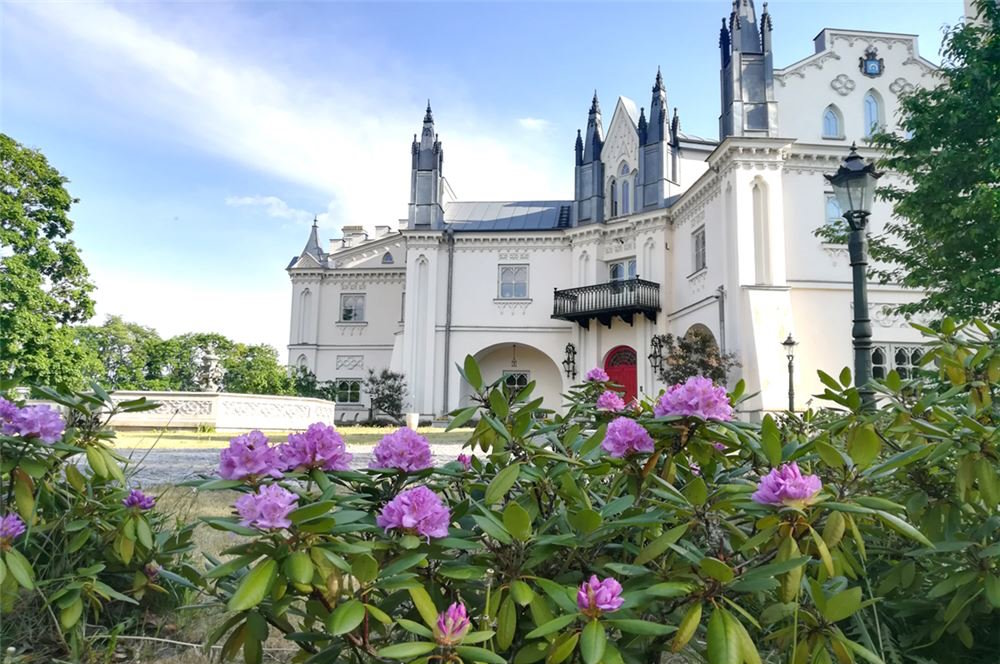
Patrykozy, Mazowieckie Voivodeship, Bielany commune, Sokołowski poviat
9.5m PLN
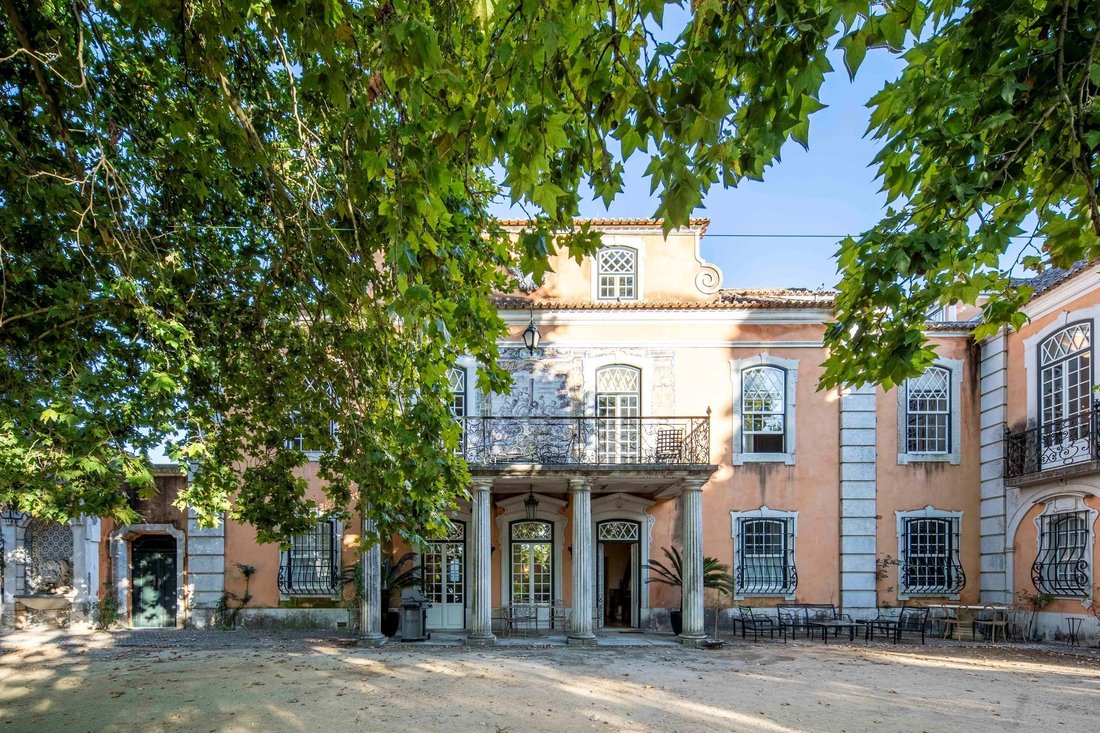
Carnide, Lisbon, Portugal
$8,806,196
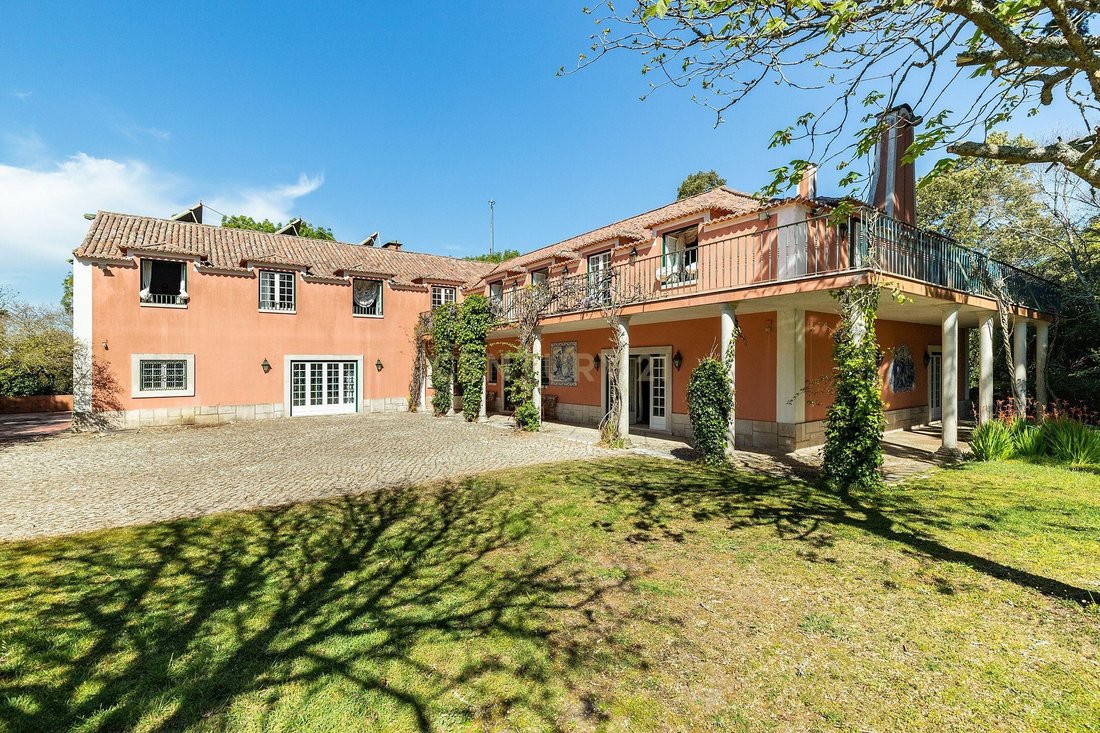
Palácio Quinta E Casa Rústica Em S. Maria E S. Miguel, S. Martinho, S. Pedro Penaferrim
$8,688,780 (€7,400,000)
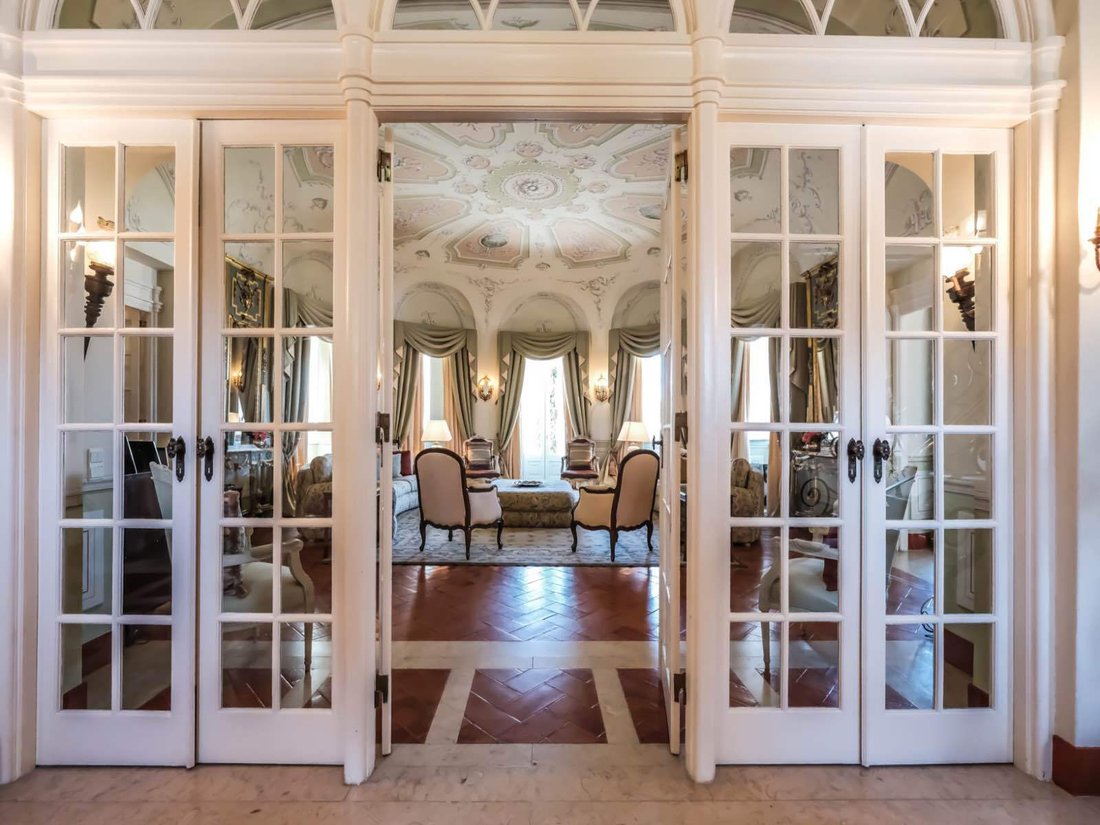
Sintra, Lisbon, Portugal
$7,632,037 (converted from €6,500,000)
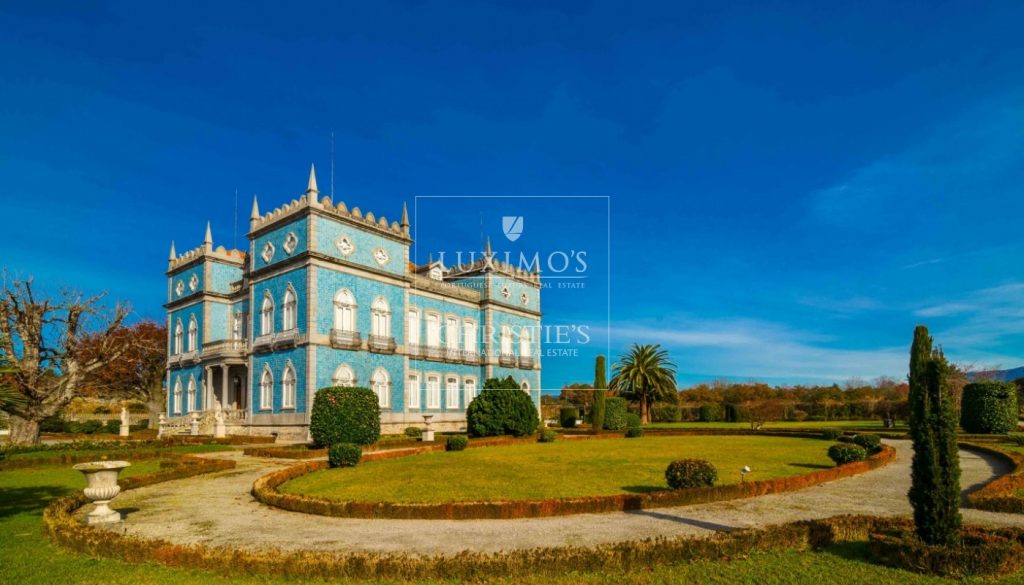
Santo Emiliao, PORTUGAL
€7.5m
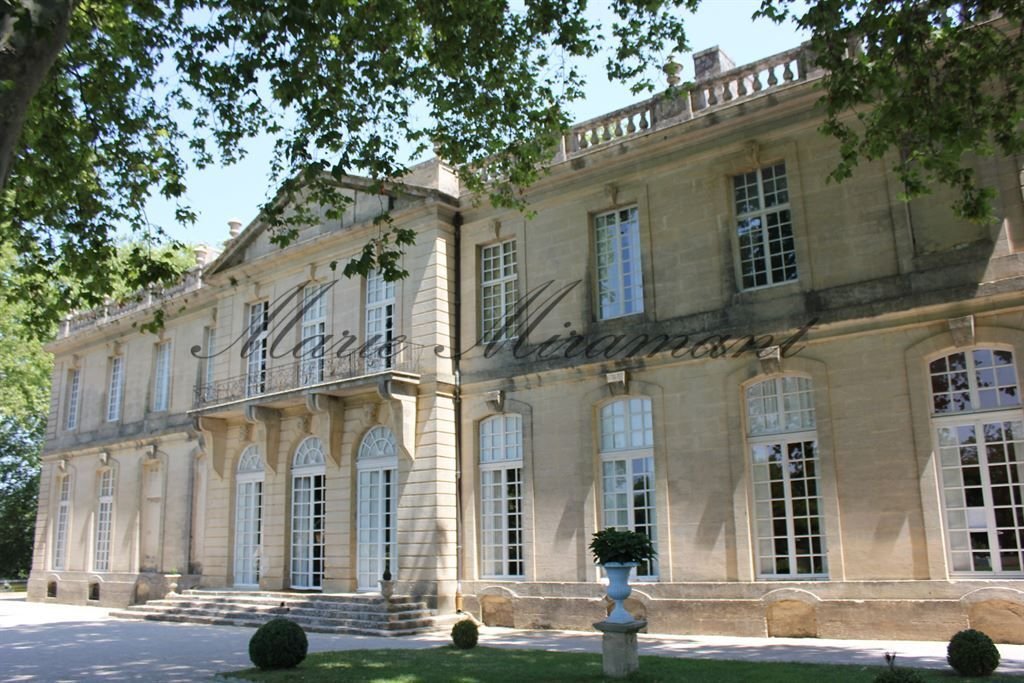
Aix-en-Provence, Provence-Alpes-Côte d'Azur, France
$6,927,541
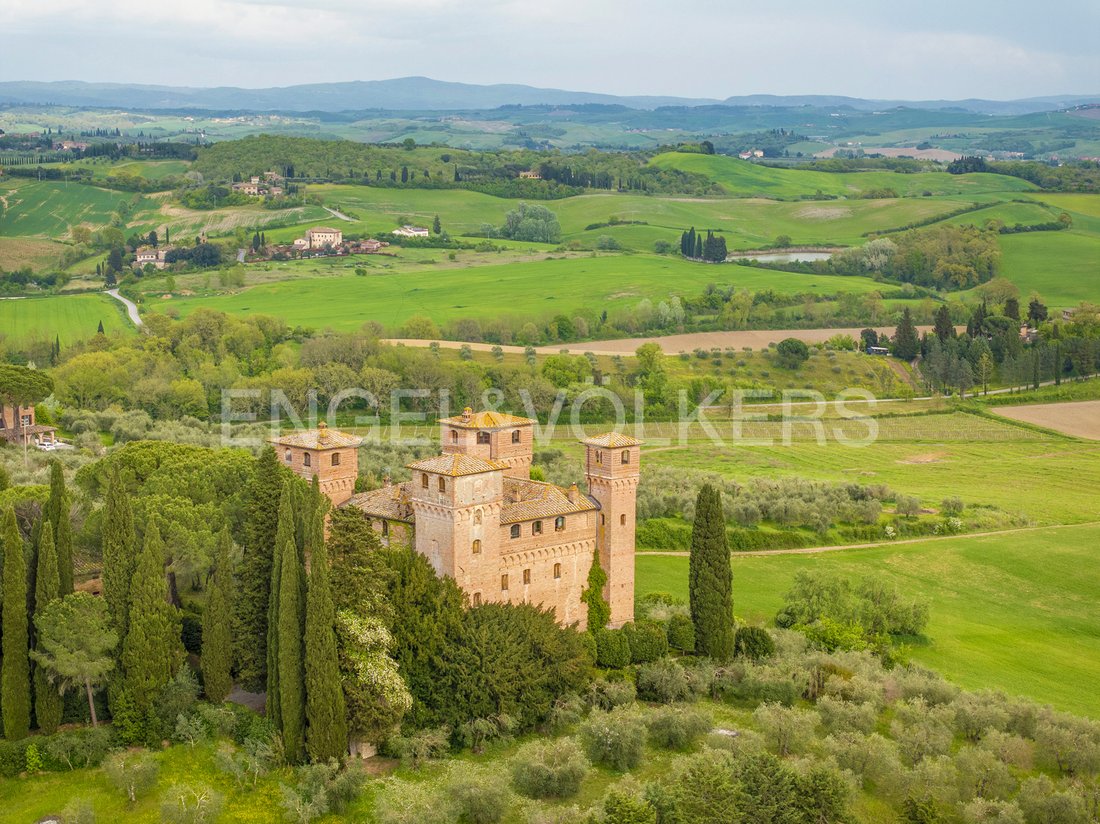
Casa Vannini, Tuscany, Italy
$6,927,541
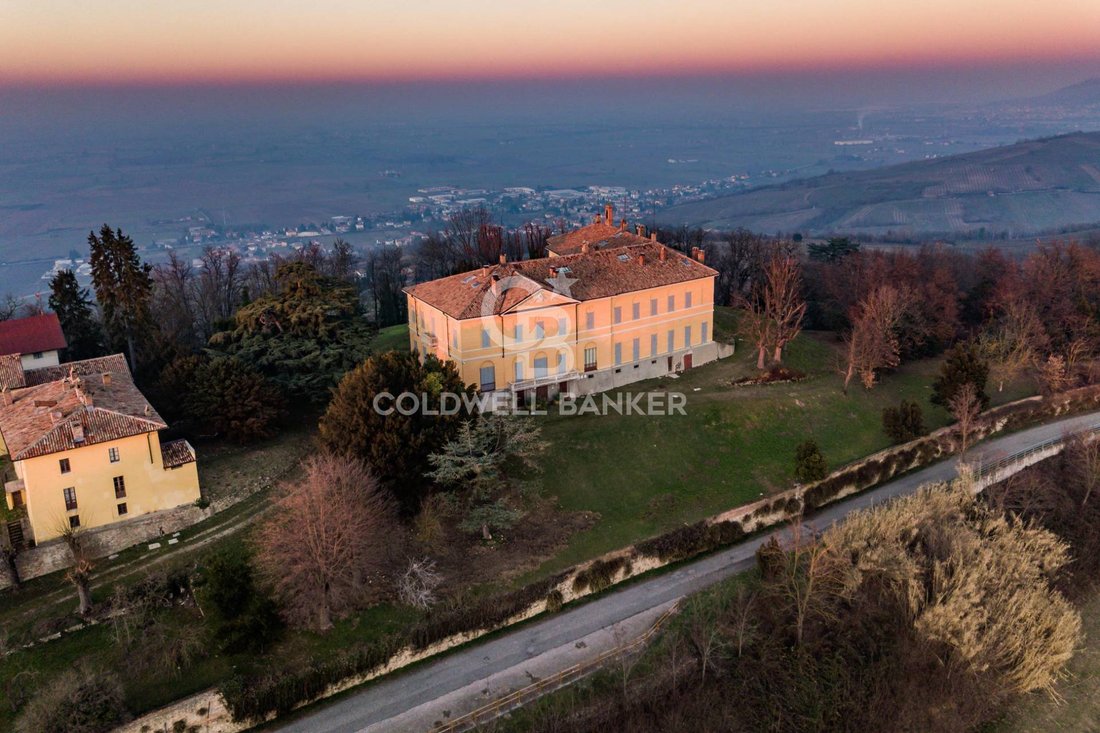
Santa Giuletta, Lombardy, Italy
$6,212,329
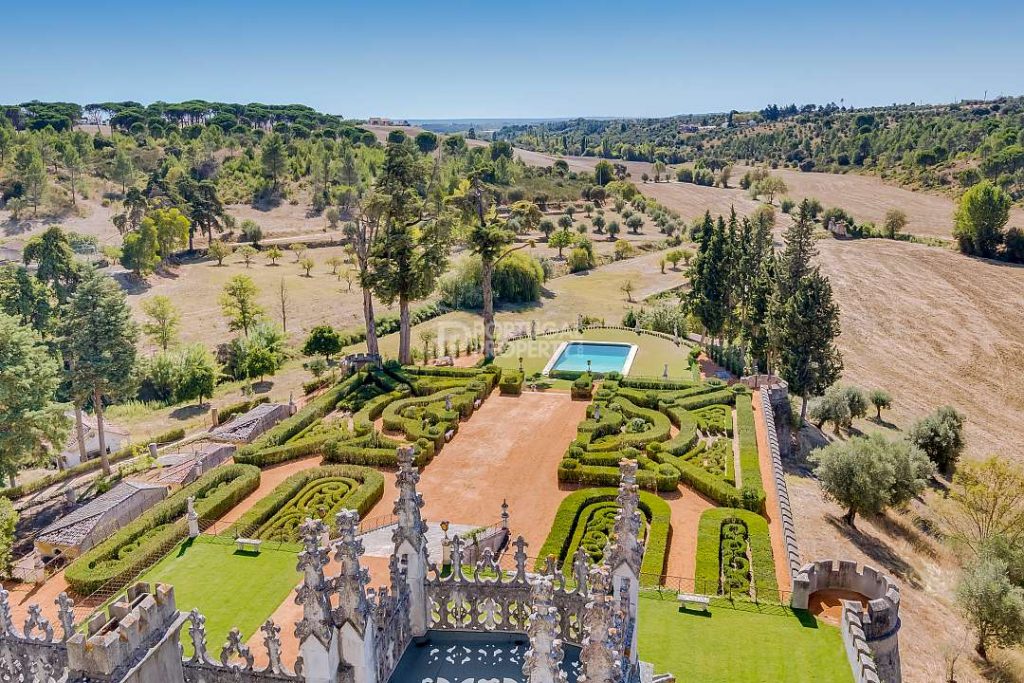
nr Lisbon, PORTUGAL
€6m
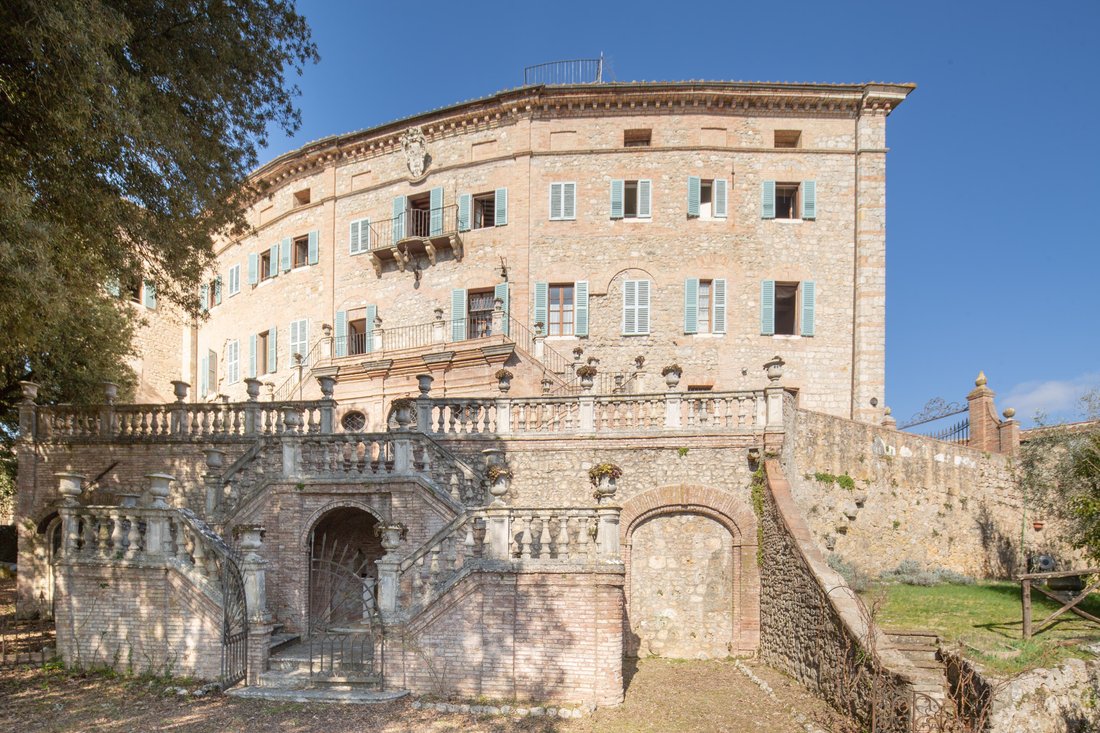
Sovicille, Tuscany, Italy
$5,870,797 (€5,000,000)
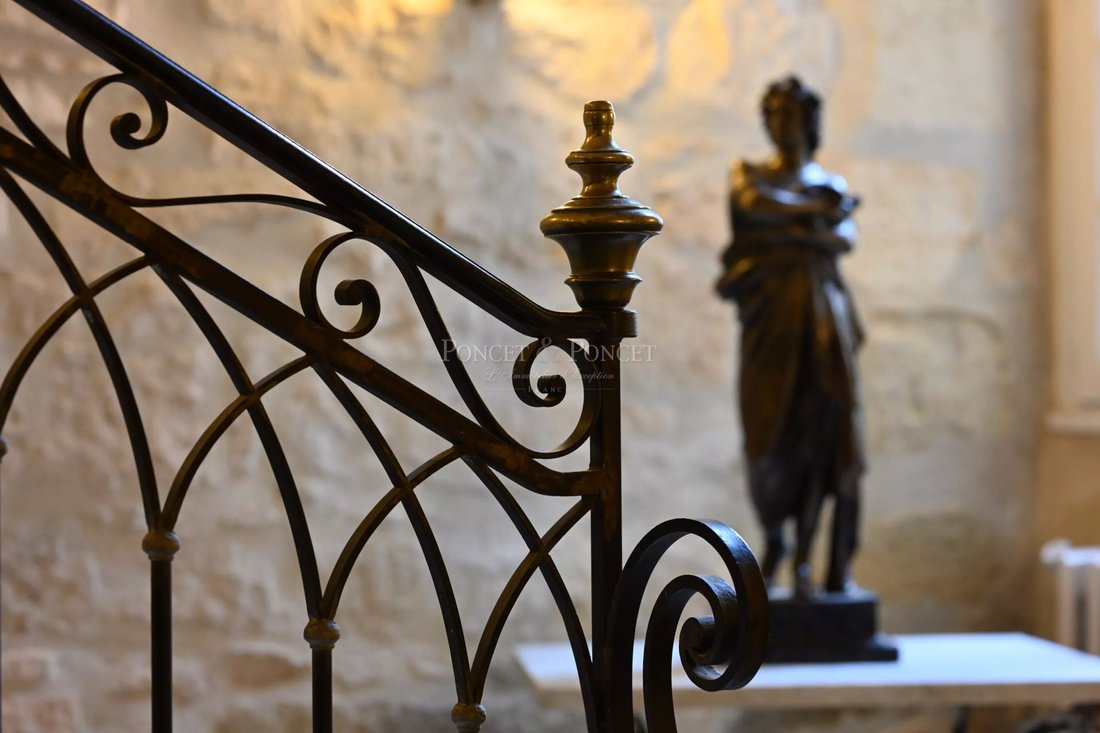
Uzès, Occitanie, France
$5,547,903
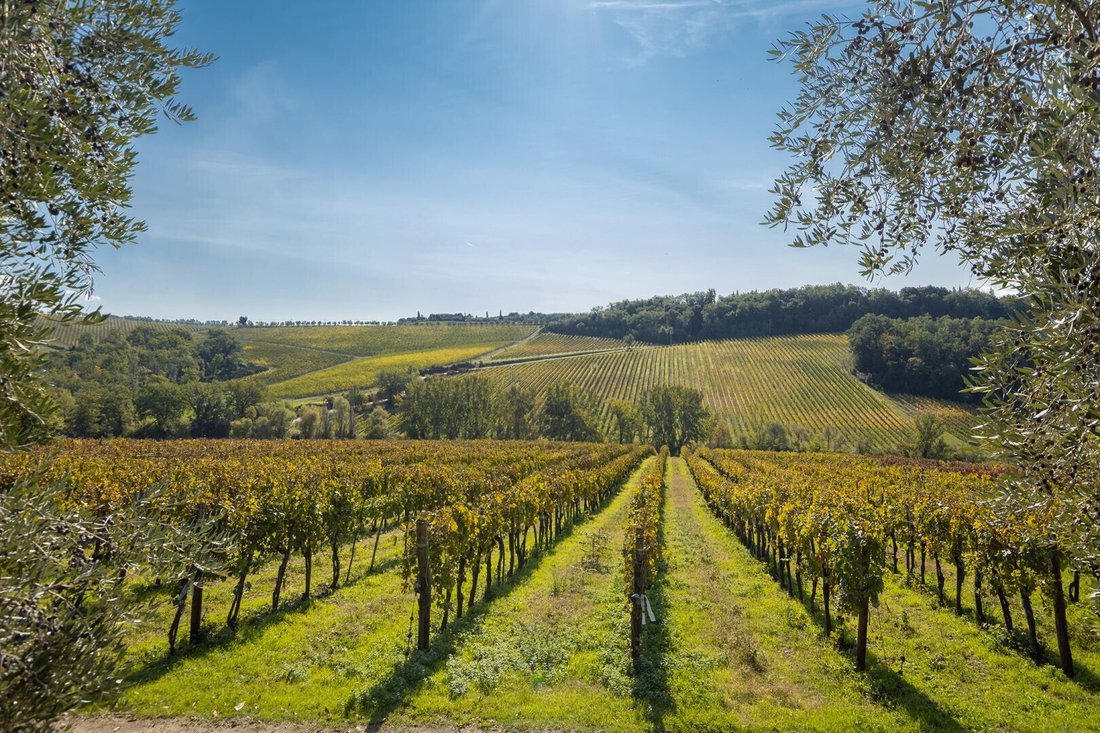
Casa Vannini, Tuscany, Italy
$5,283,718 (€4,500,000)
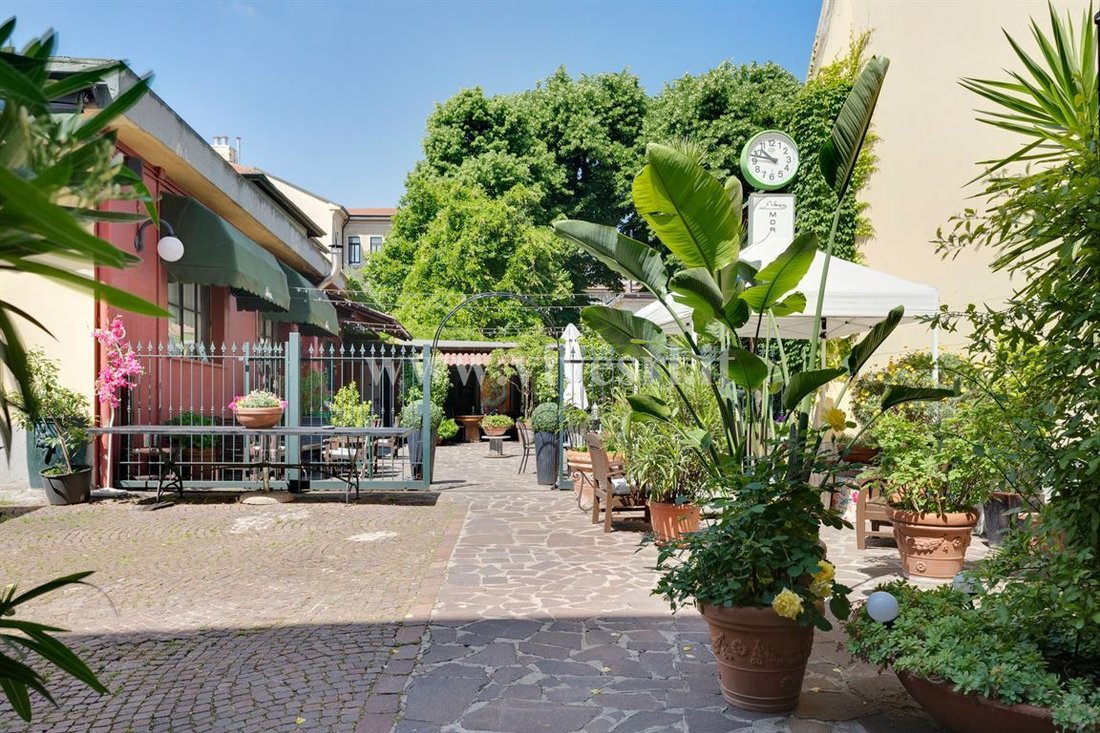
Milan, Lombardy, Italy
$5,279,552
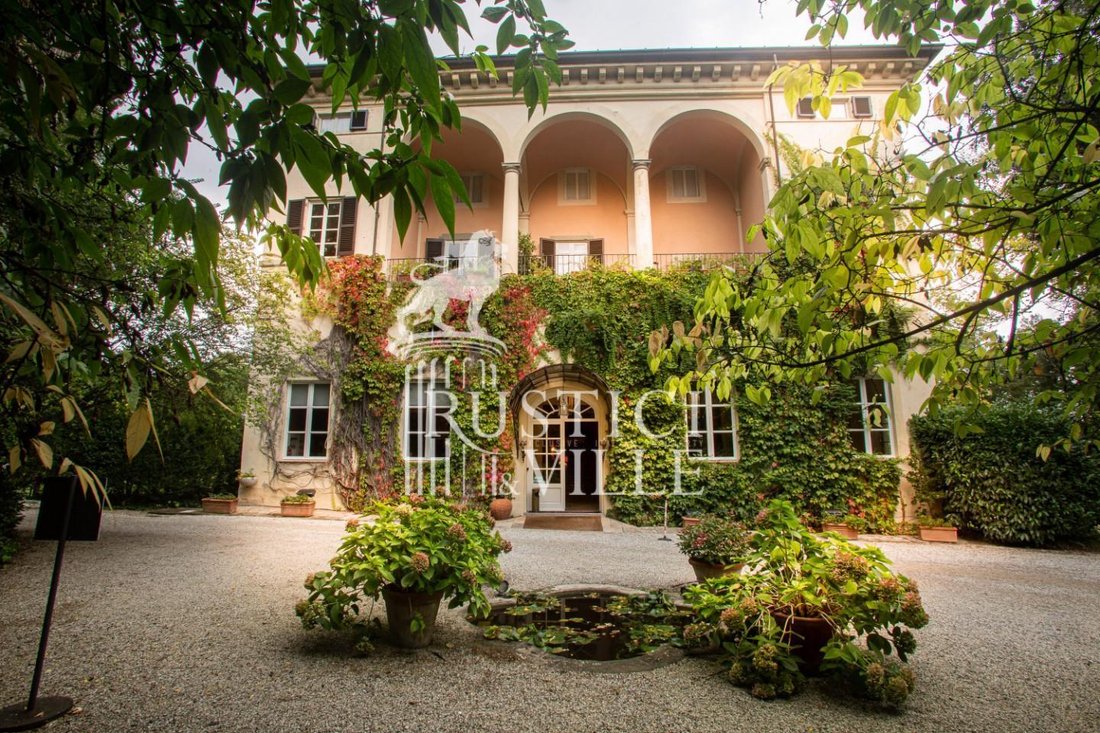
Lucca, Tuscany, Italy
€5,000,000 ($5,870,797)
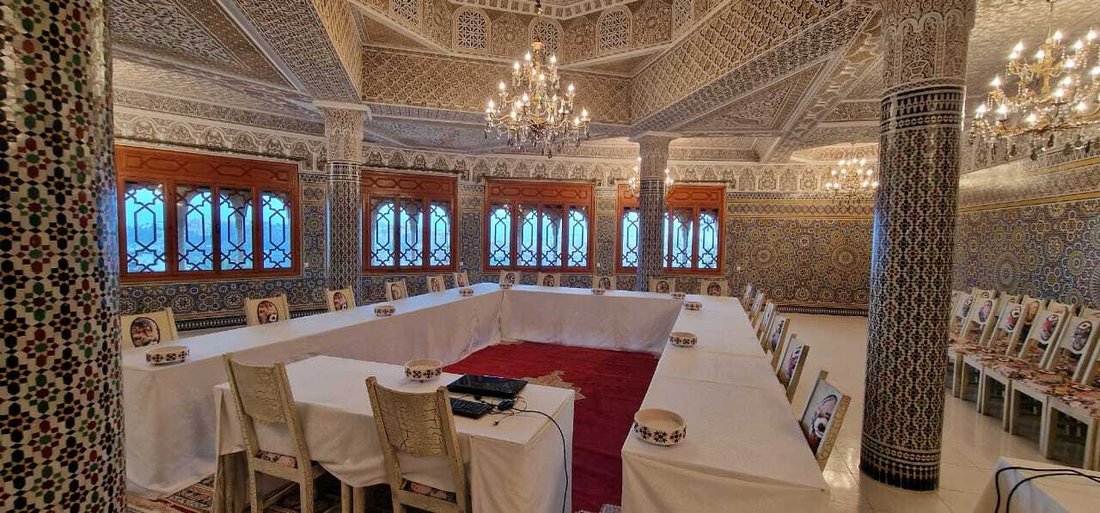
Tangier, Tangier-Tétouan-Al Hoceima, Morocco
$4,702,341
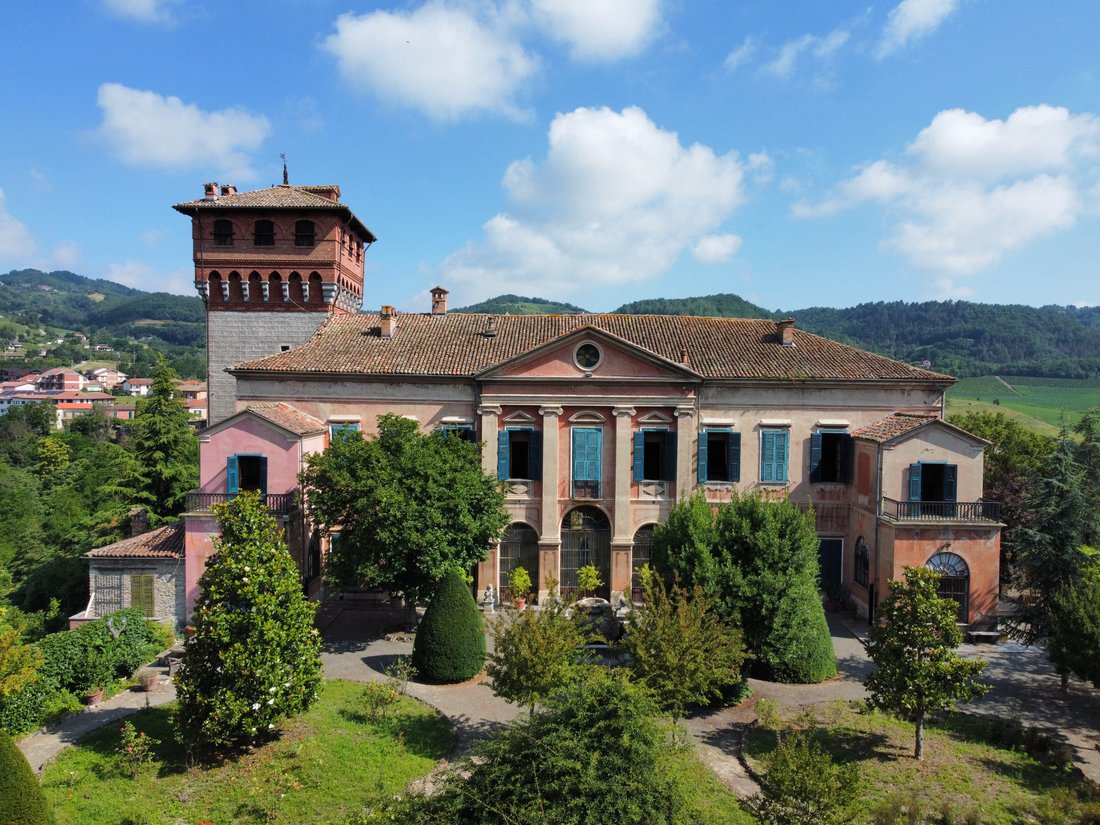
Bubbio, Piedmont, Italy
$4,696,638
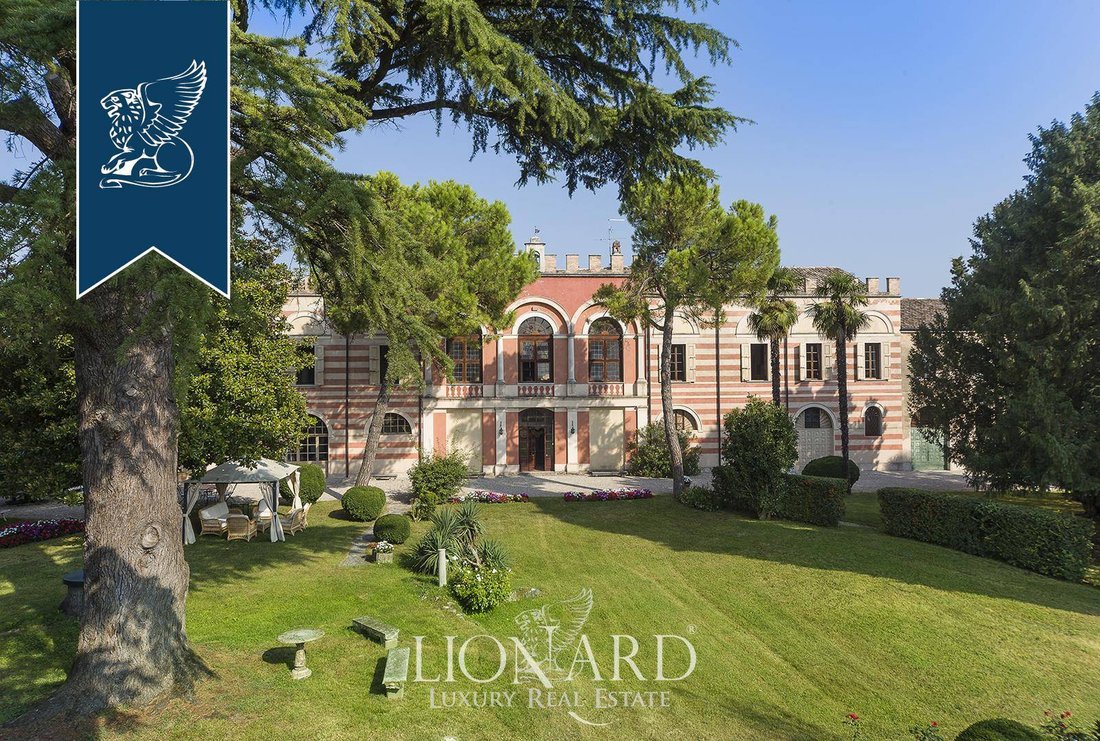
Lombardy, Italy
$4,696,638 (converted from €4,000,000)
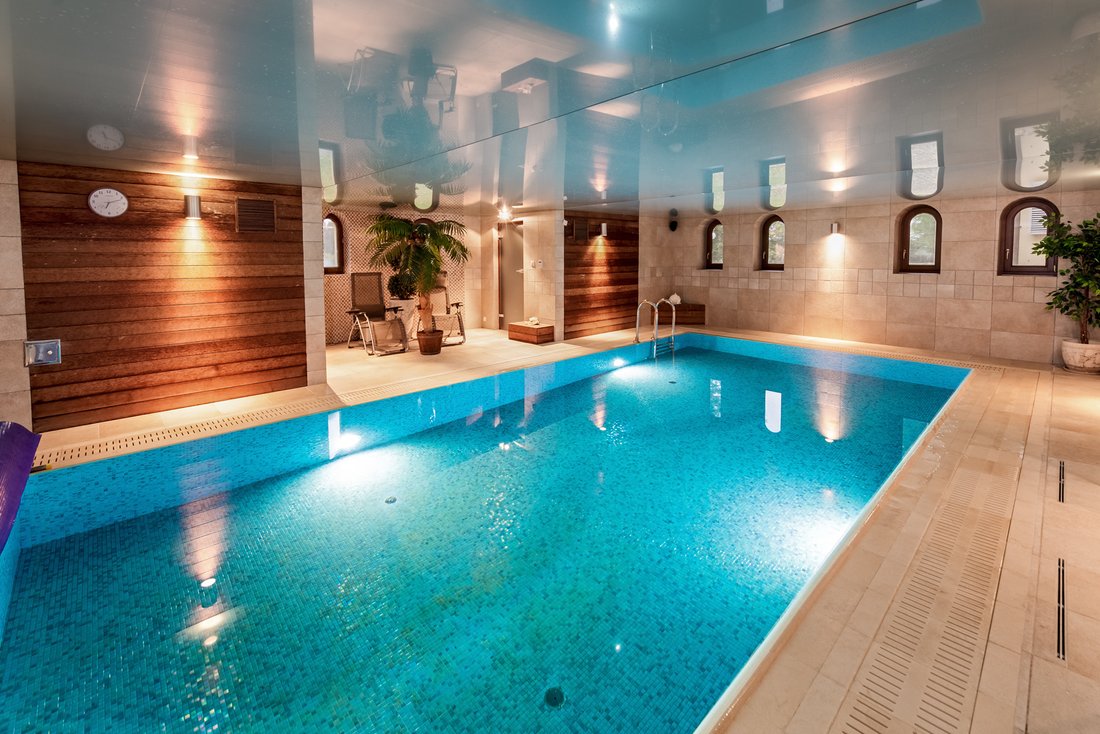
Piotrków Trybunalski, Łódź Voivodeship, Poland
$4,633,152
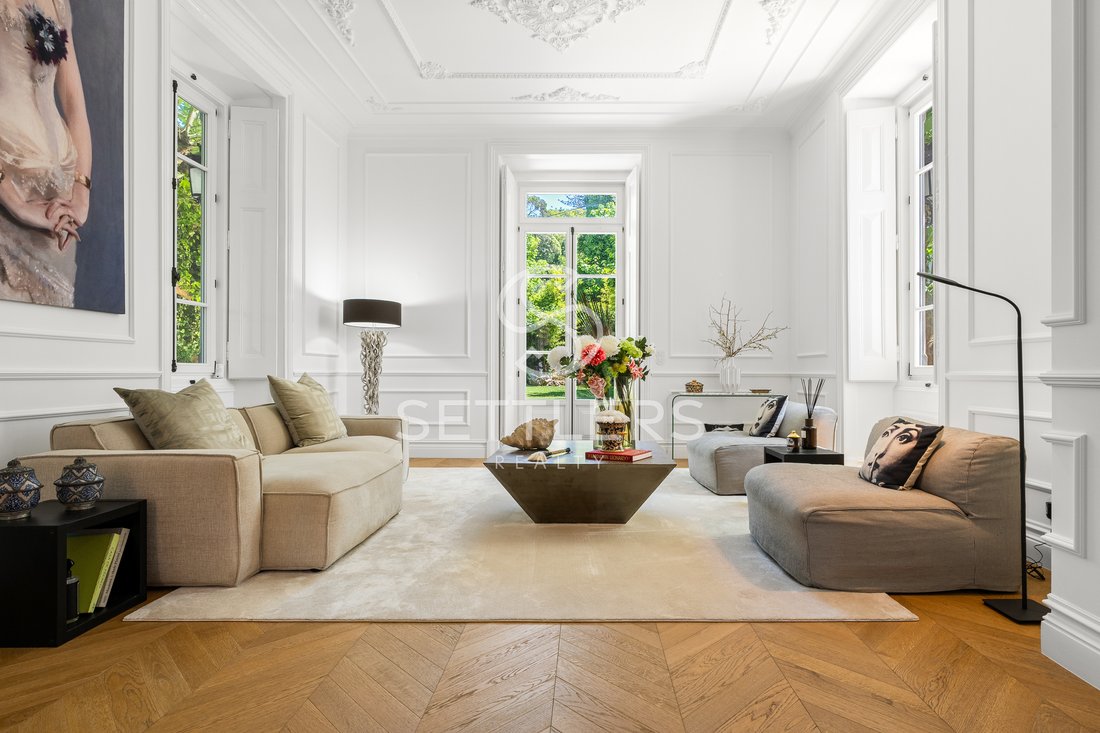
Sintra, Lisbon, Portugal
$4,579,222
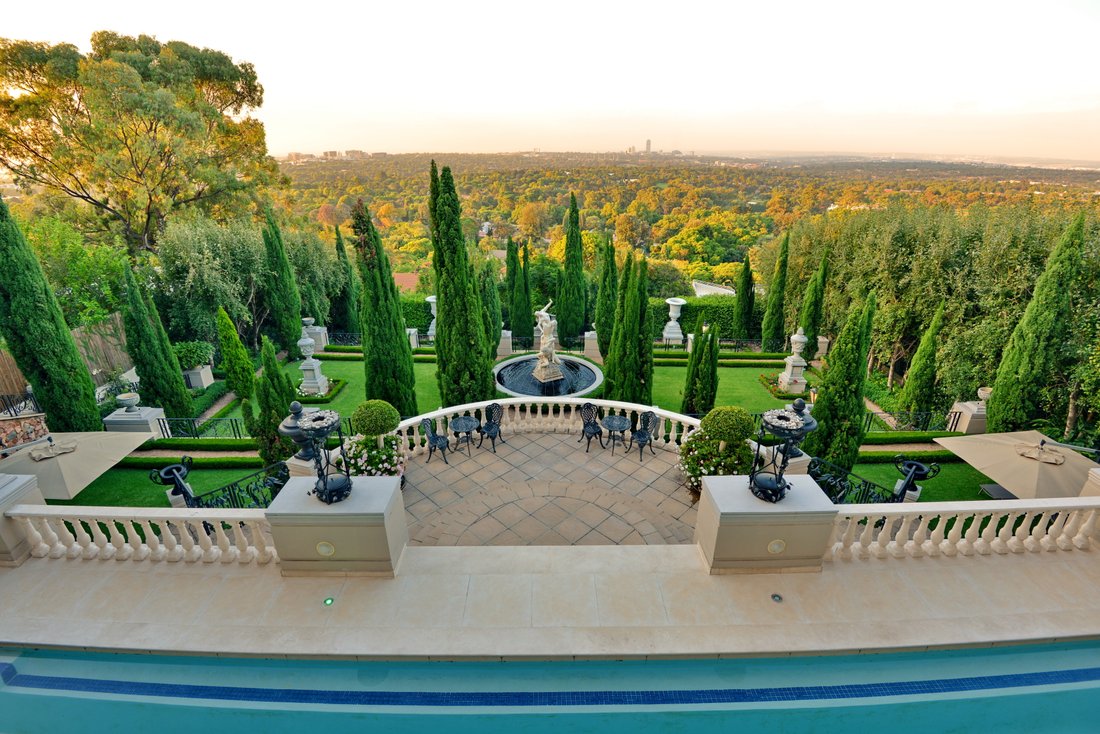
Johannesburg, Gauteng, South Africa
$4,540,388 (R 78,000,000)
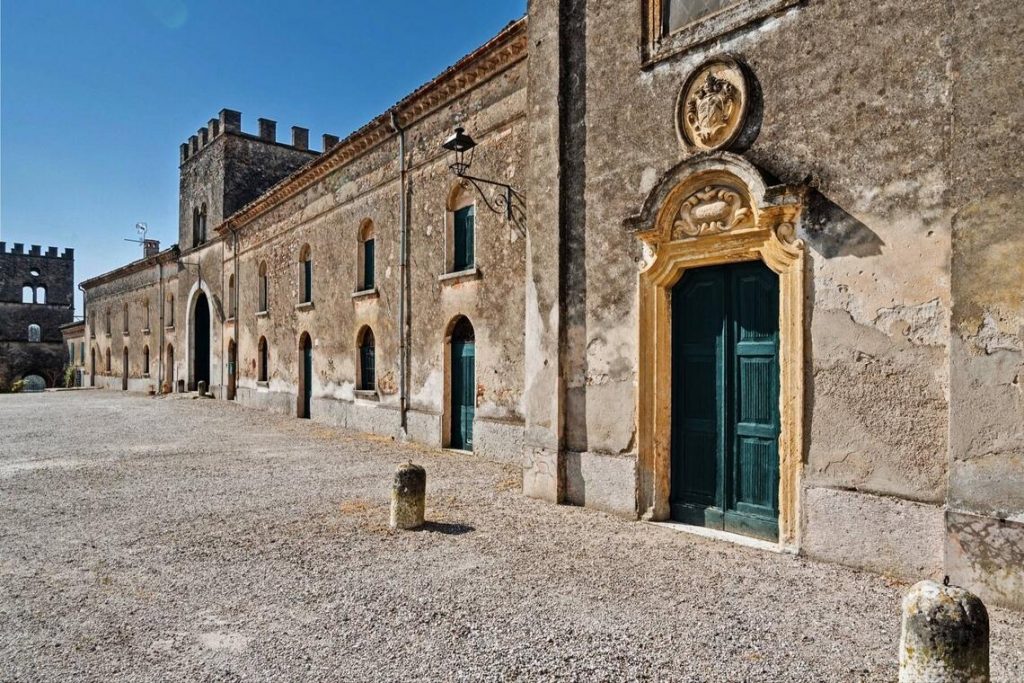
Monzambano, ITALY
€4.5m
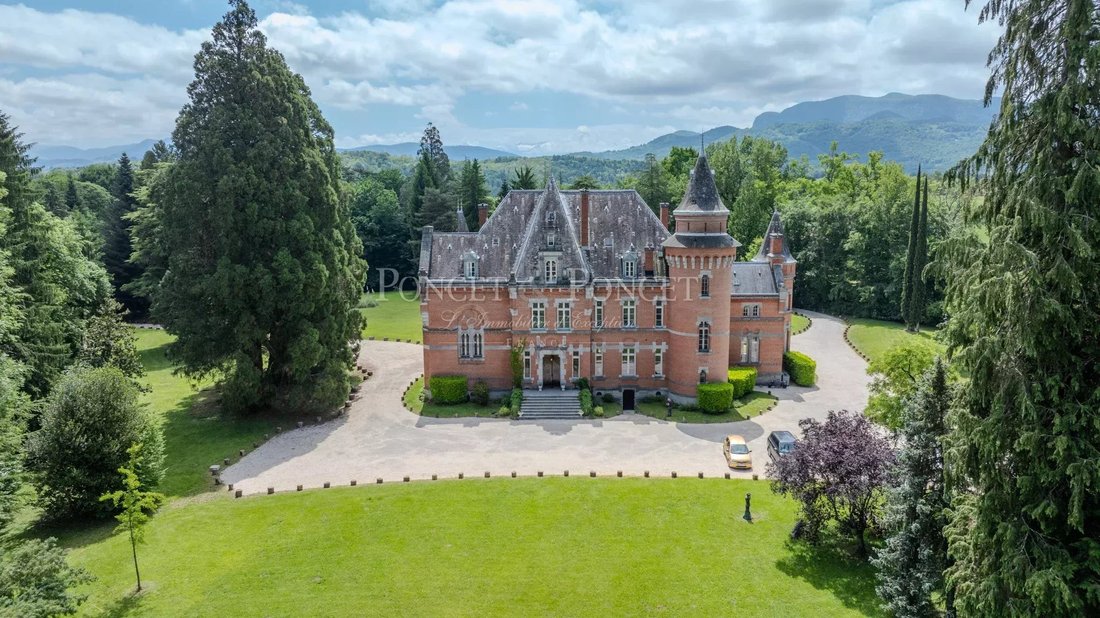
Saint-Lizier, Occitania, France
€4,385,000
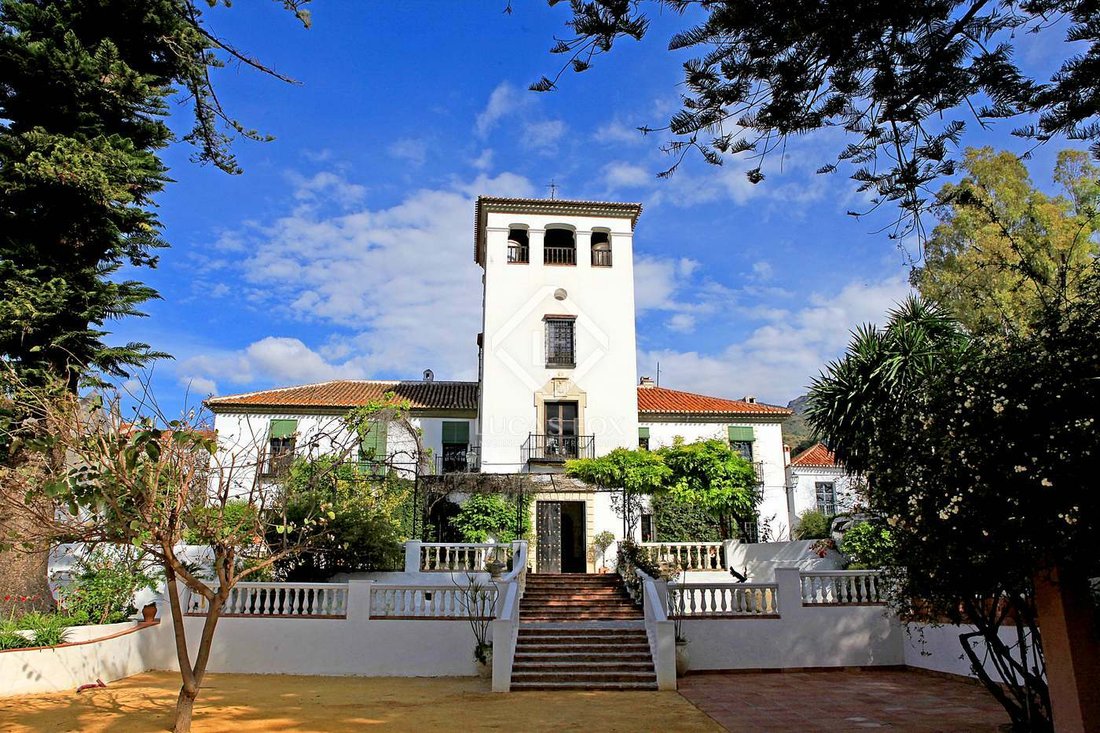
Otivar, Andalusia, Spain
$4,103,687
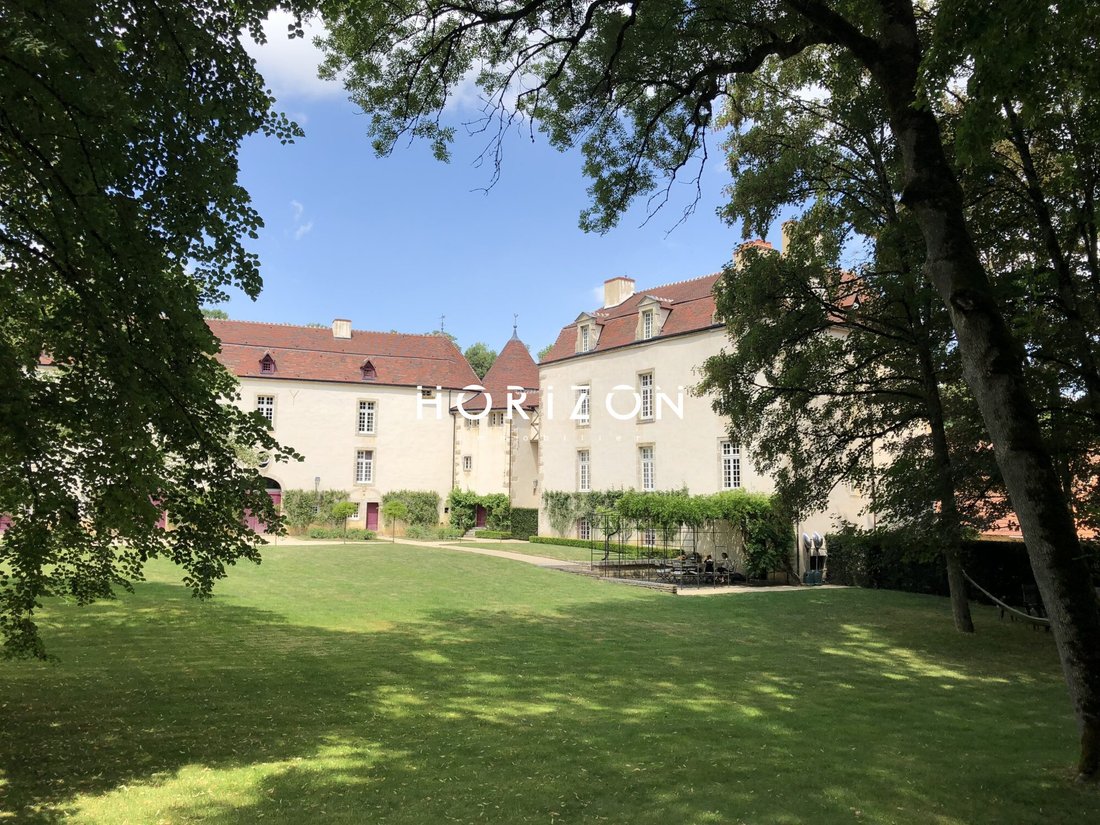
Blancey, Bourgogne-Franche-Comté, France
$3,757,310 (converted from €3,200,000)
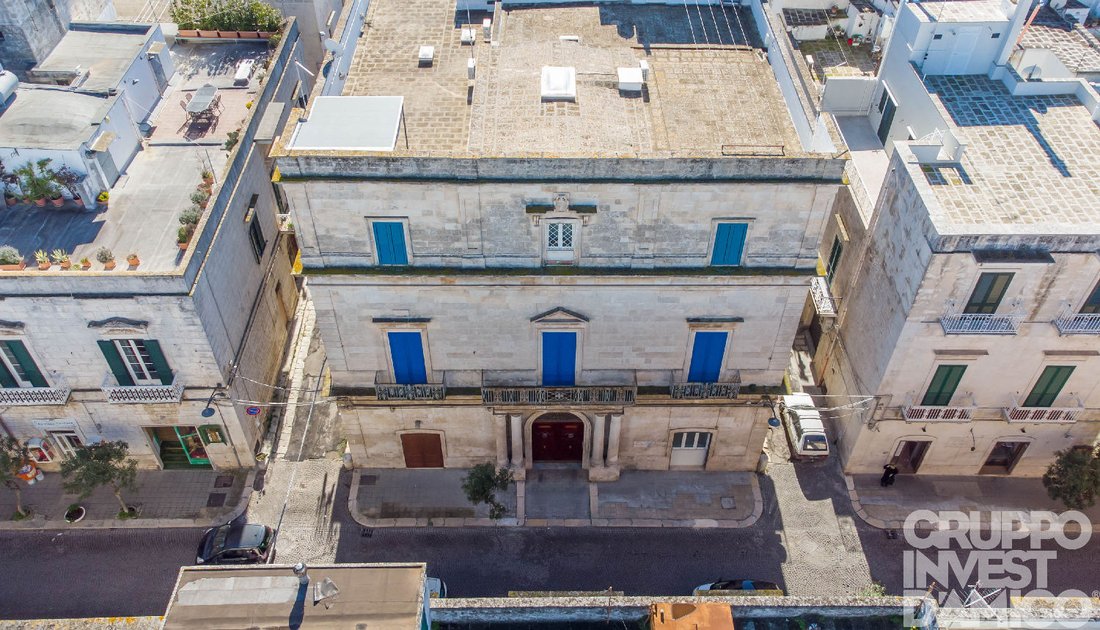
Ostuni, Apulia, Italy
$3,405,062
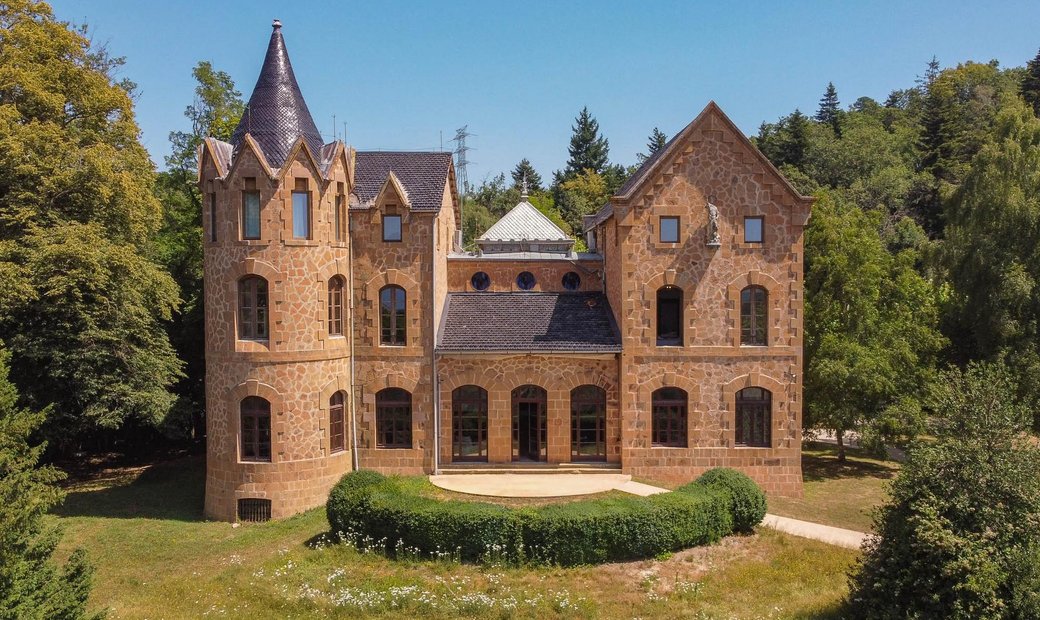
Sant Hilari Sacalm, Catalonia, Spain
€3,250,000
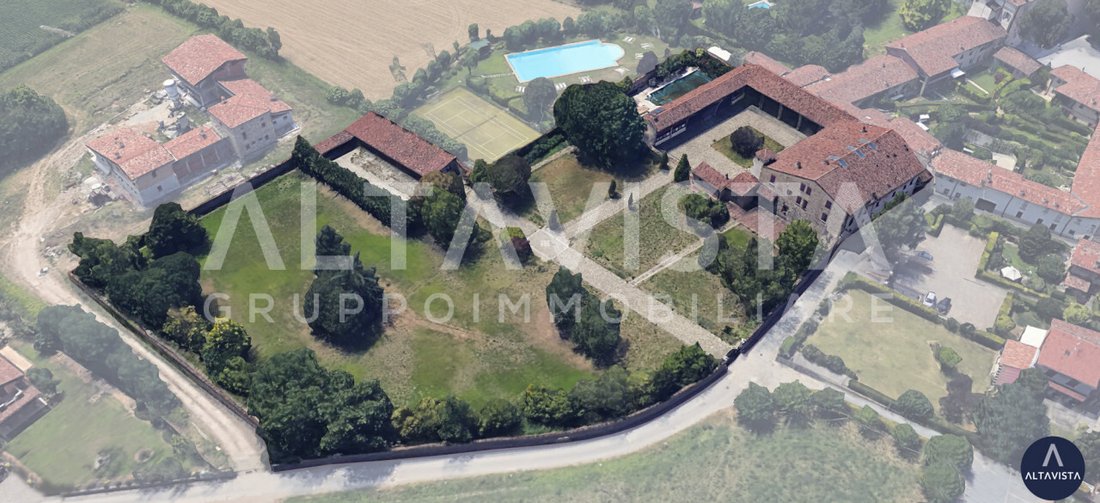
Gussago, Lombardy, Italy
$3,170,230 (€2,700,000)
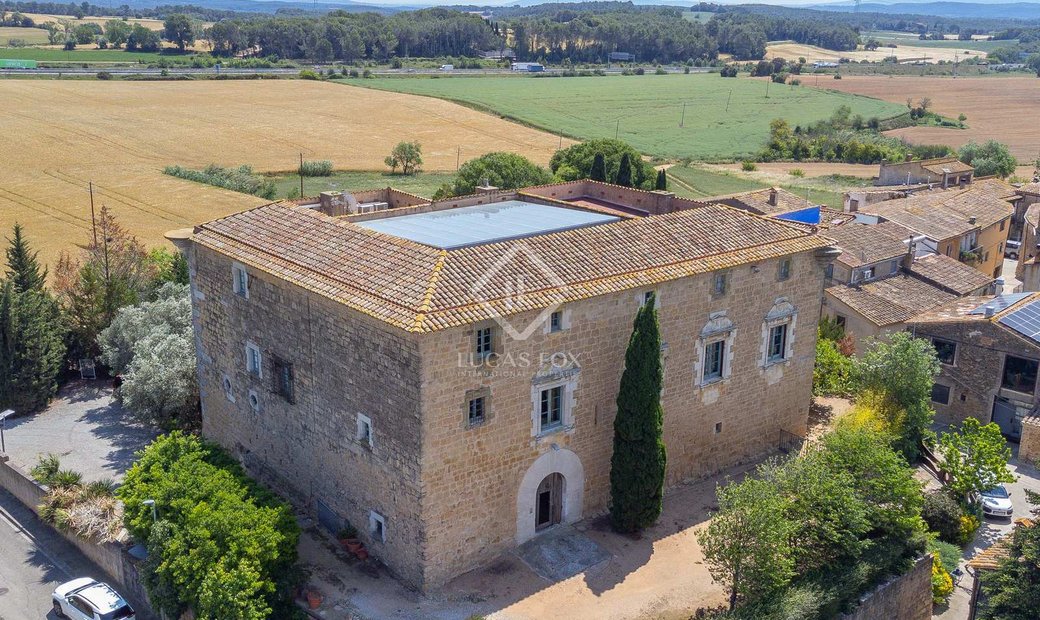
Bascara, Catalonia, Spain
€3,000,000
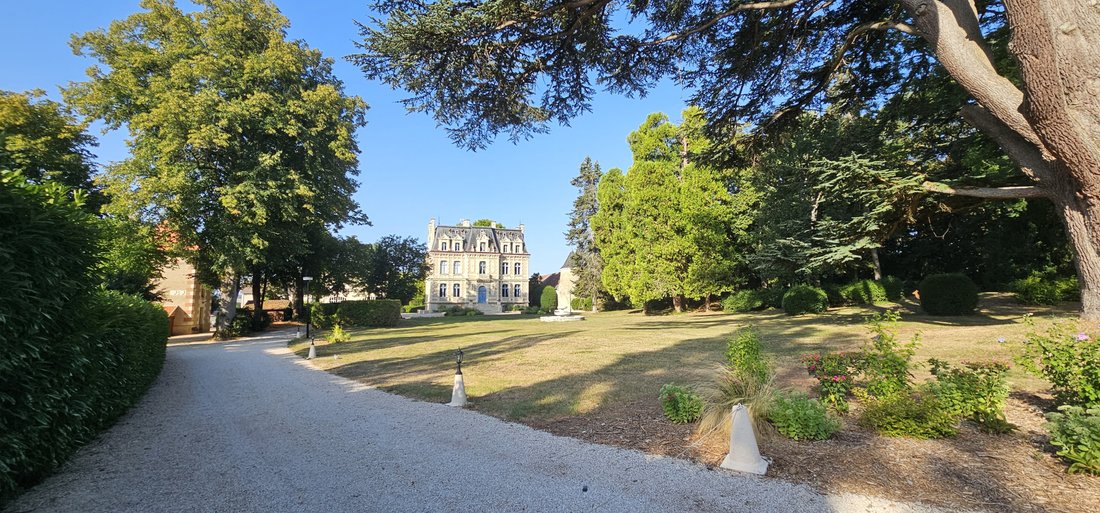
Tours, Centre-Val de Loire, France
€2,968,000 FAI (Fees 6% payable by the buyer)
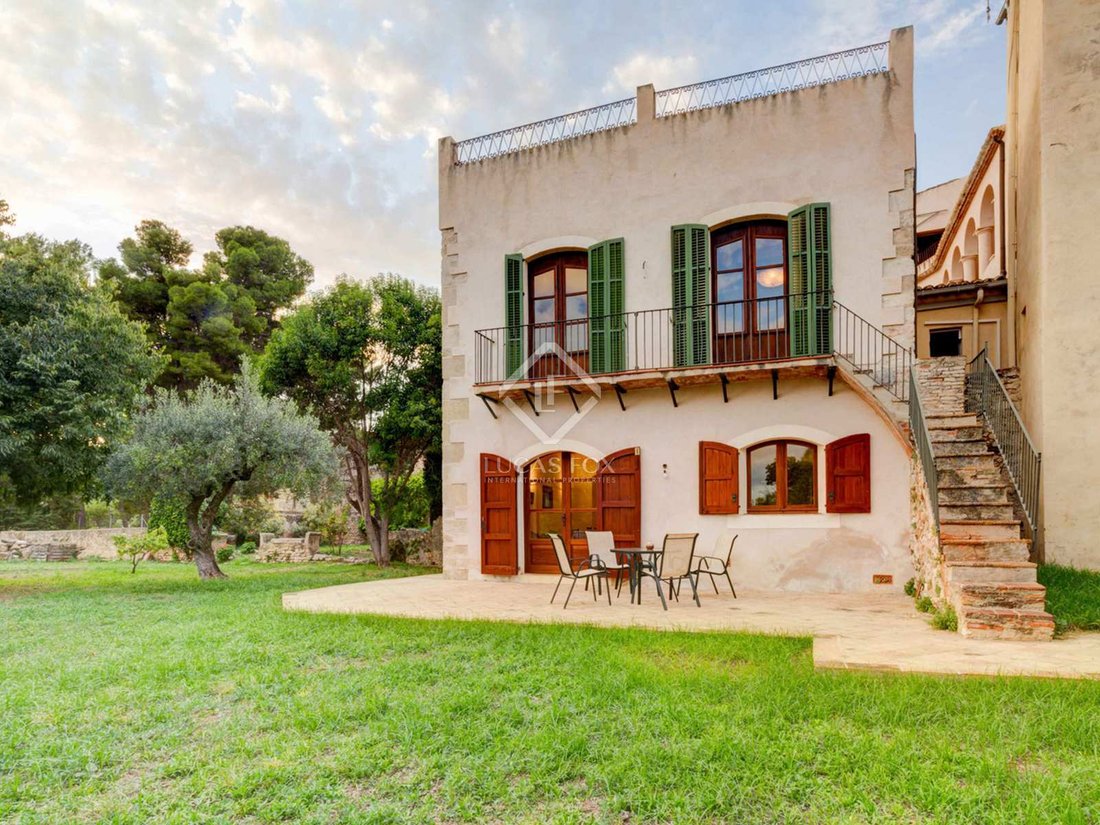
Aiguamurcia, Catalonia, Spain
$2,929,528
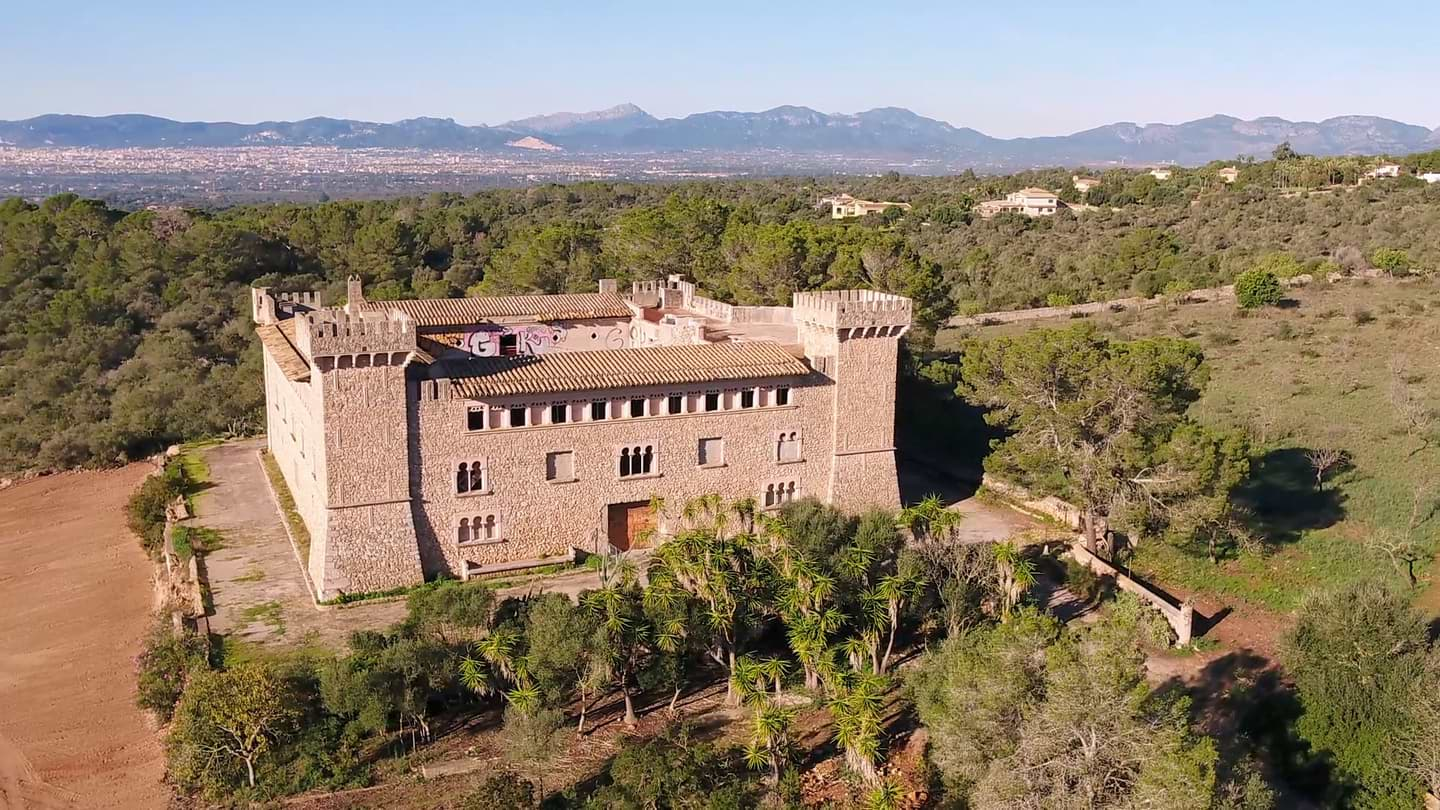
Mallorca, SPAIN
€2.85m
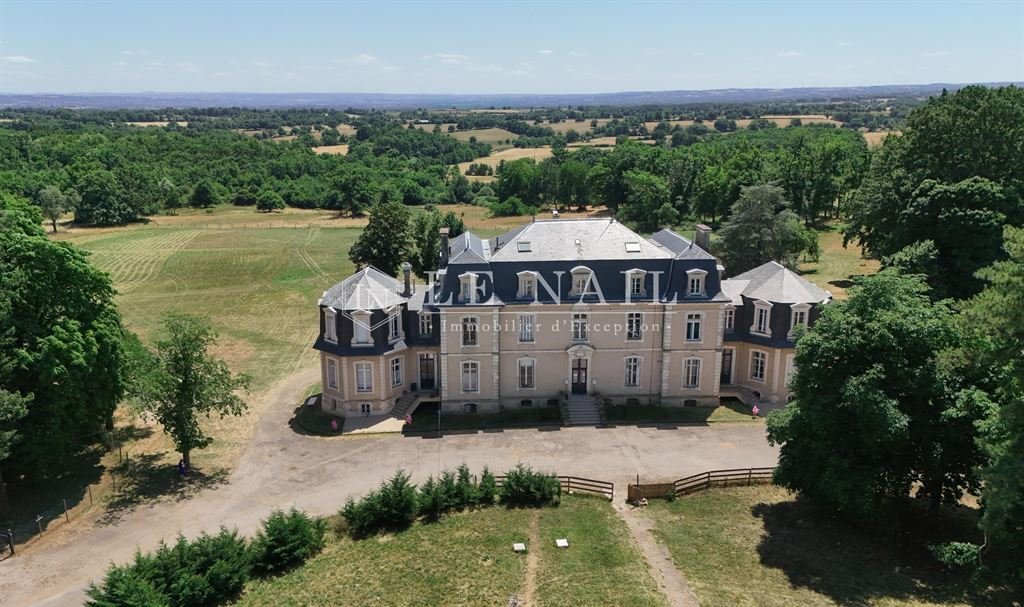
Montluçon, Auvergne-Rhône-Alpes, France
$2,835,595 (converted from €2,415,000)
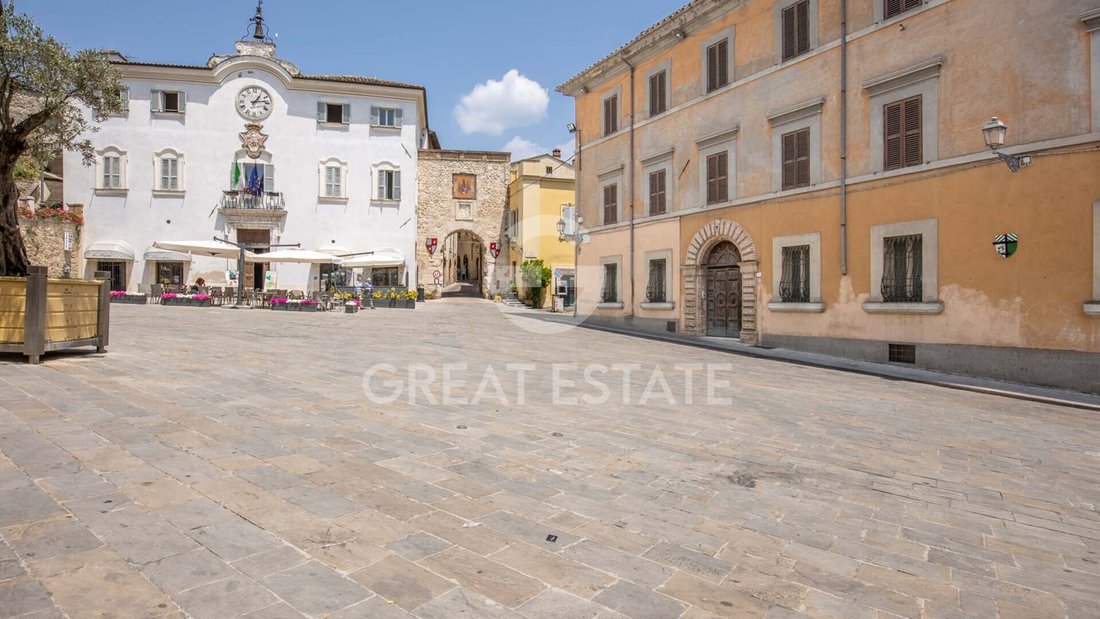
San Gemini, Umbria, Italy
$2,817,982
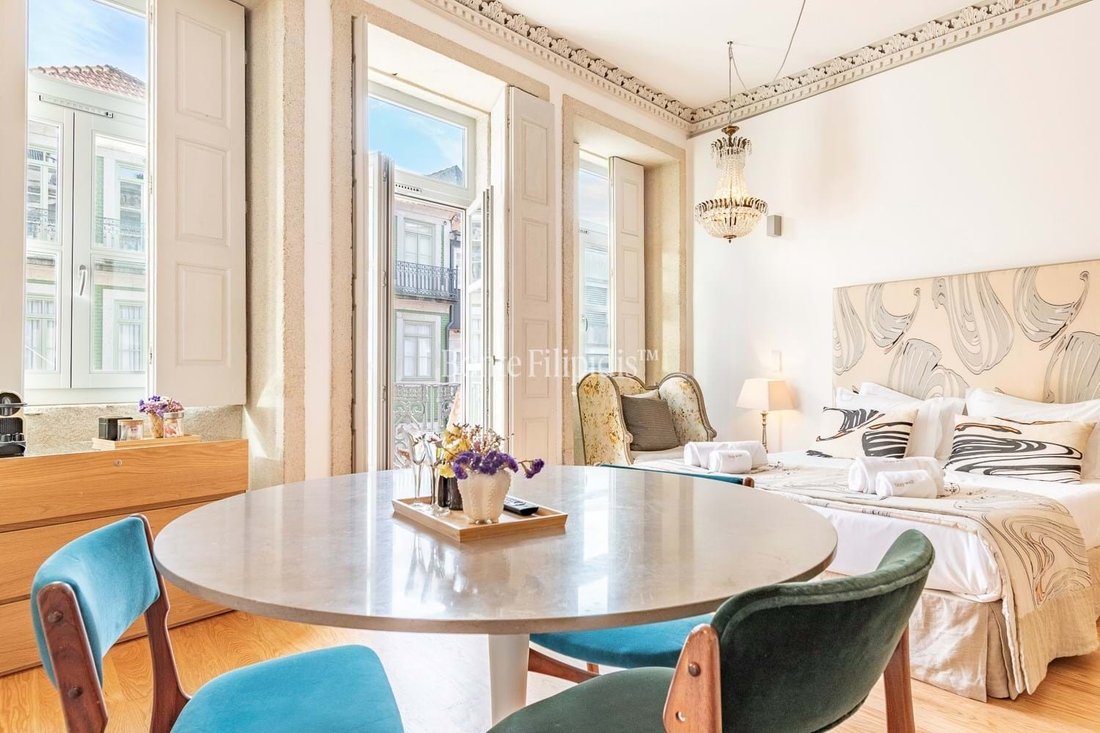
Cedofeita, Santo Ildefonso, Se, Miragaia, Sao Nicolau e Vitoria, Porto District, Portugal
$2,700,567
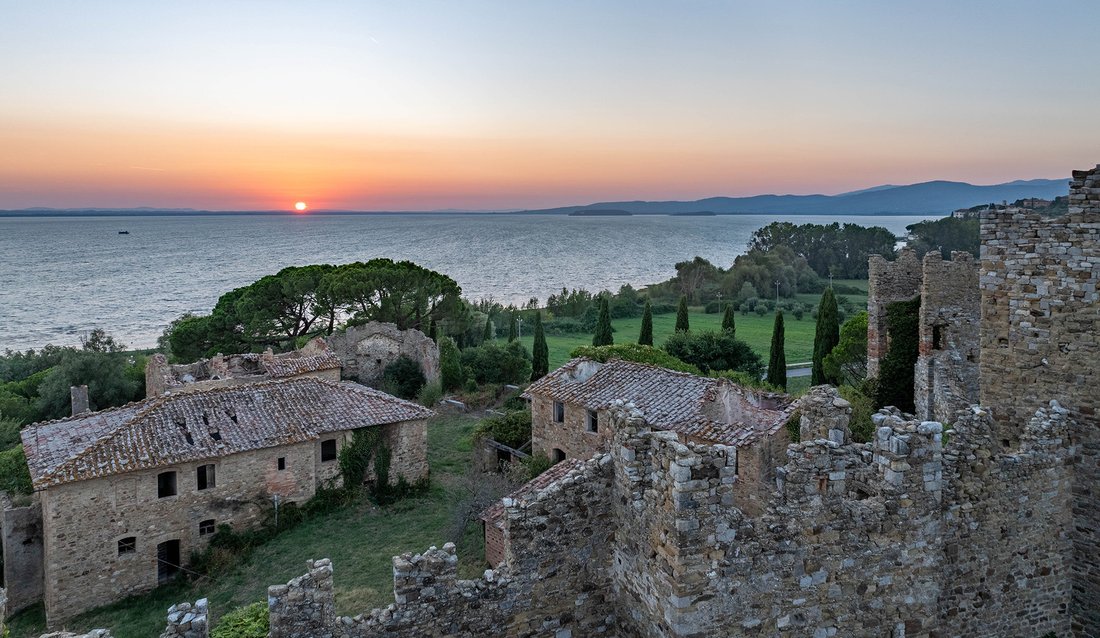
Umbria, Italy
$2,583,151
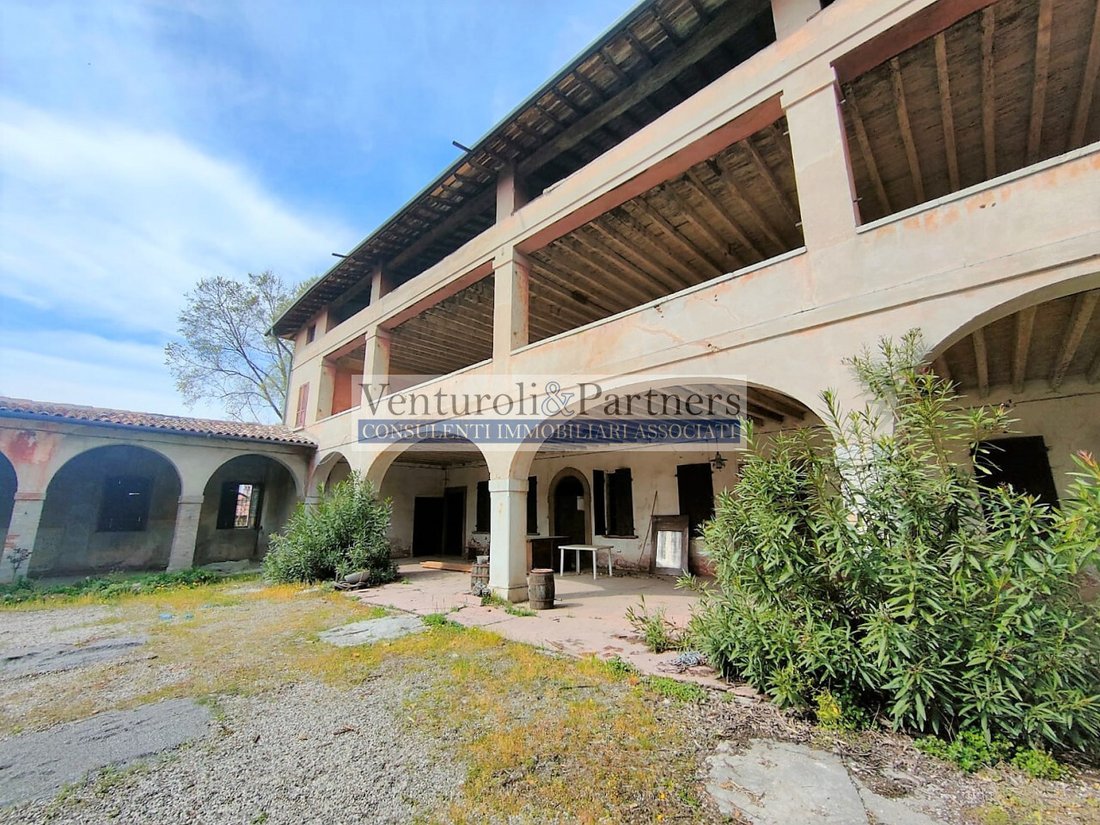
Lombardy, Italy
$2,348,319
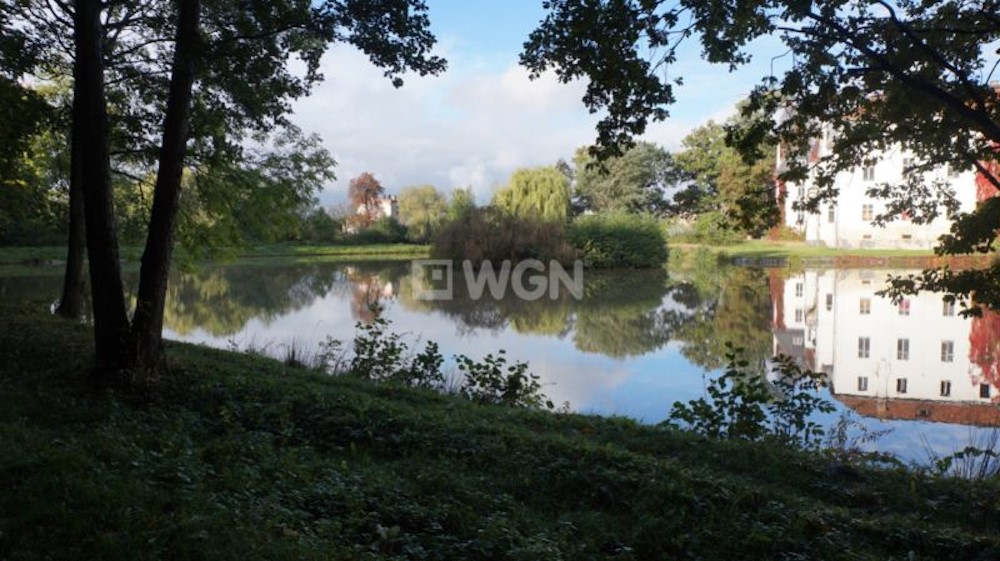
Dobrocin, POLAND
2.3m PLN (€500k)
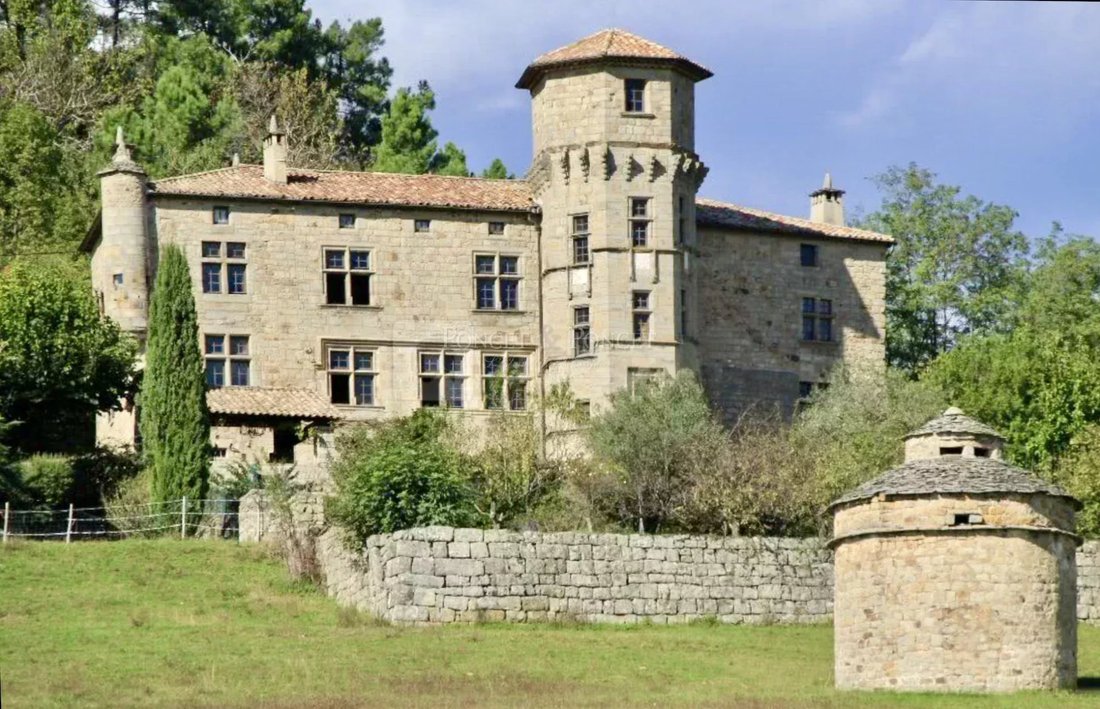
Sanilhac, Auvergne-Rhône-Alpes, France
$2,248,515
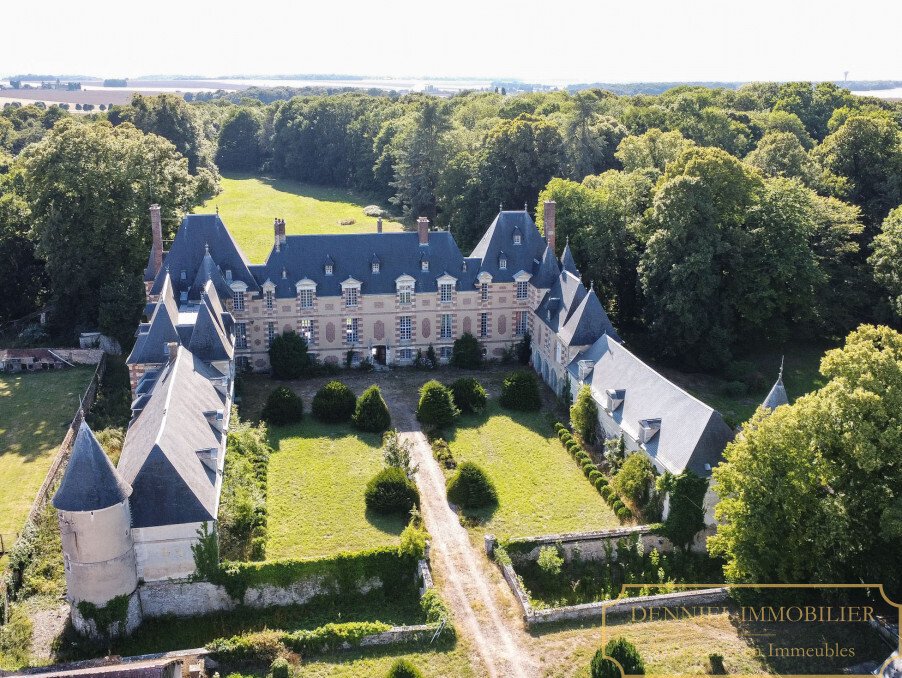
Giverny, Normandy, France
€2,200,000
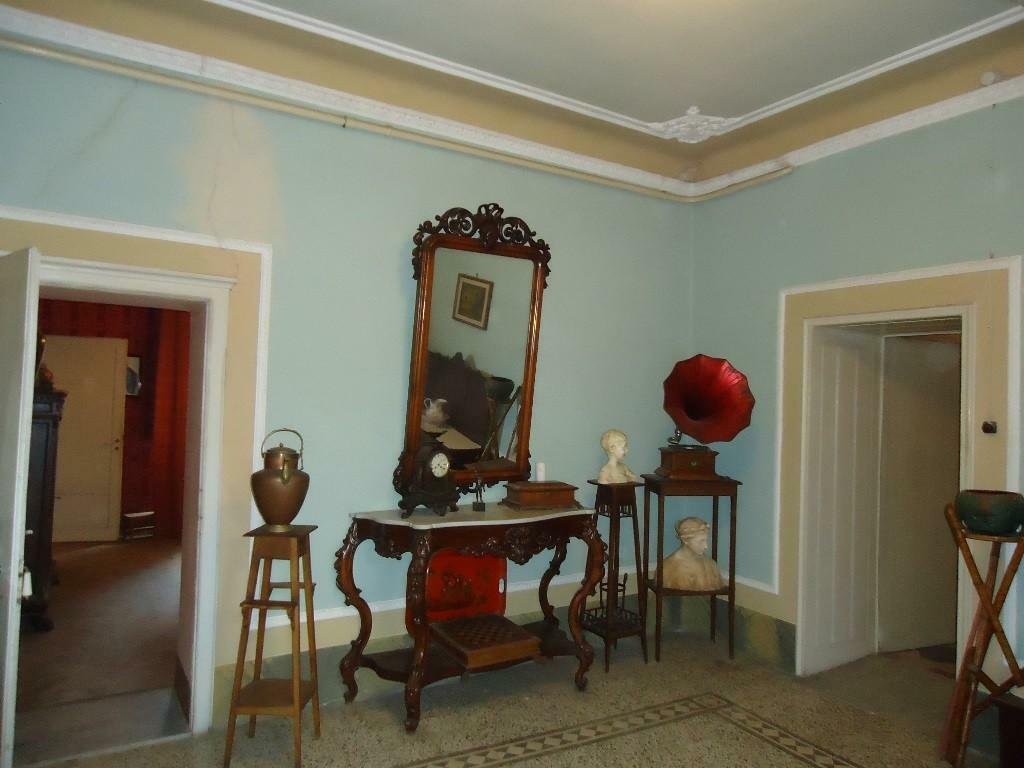
San Gimignano, Tuscany, Italy
$2,113,487
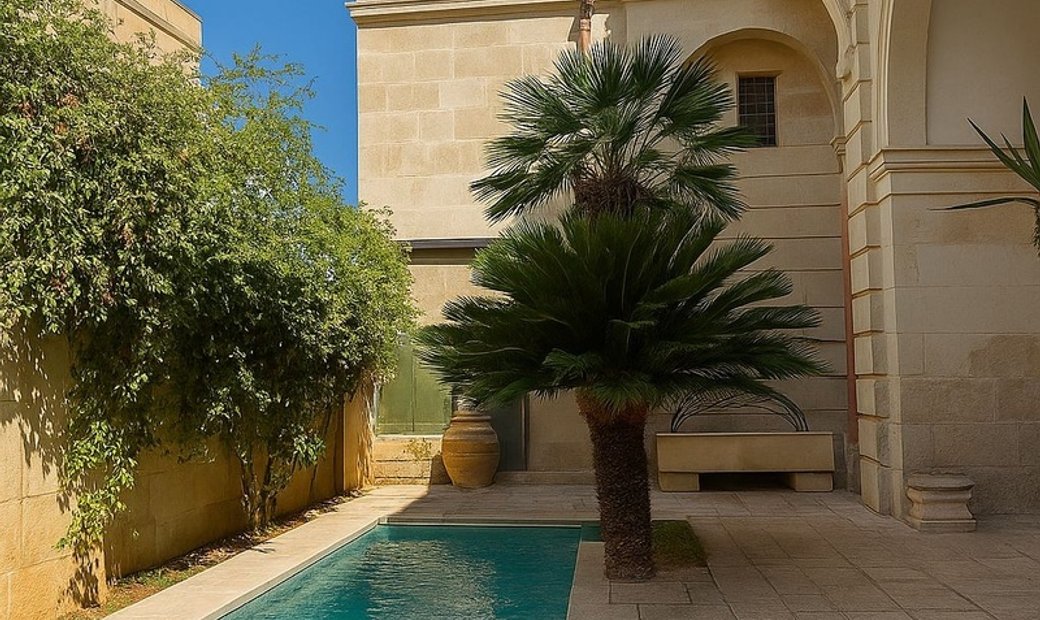
Poggiardo, Apulia, Italy
€2,000,000
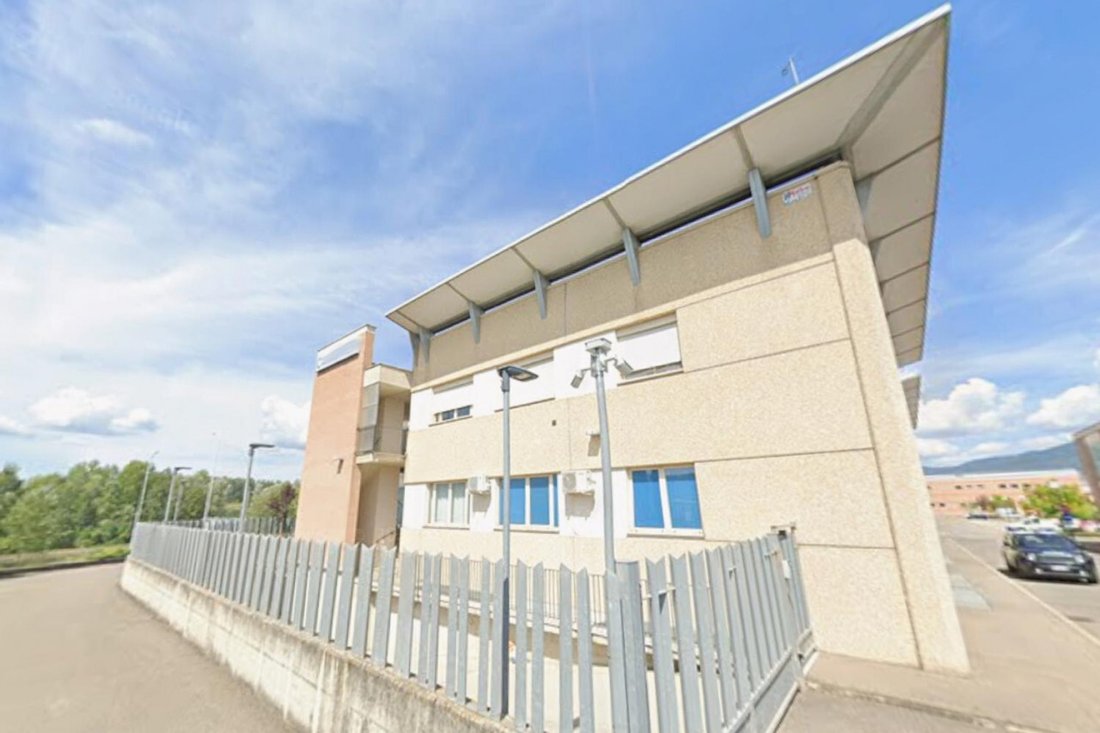
Bibbiena, Tuscany, Italy
$1,996,071
Uzès, France
$1,996,071
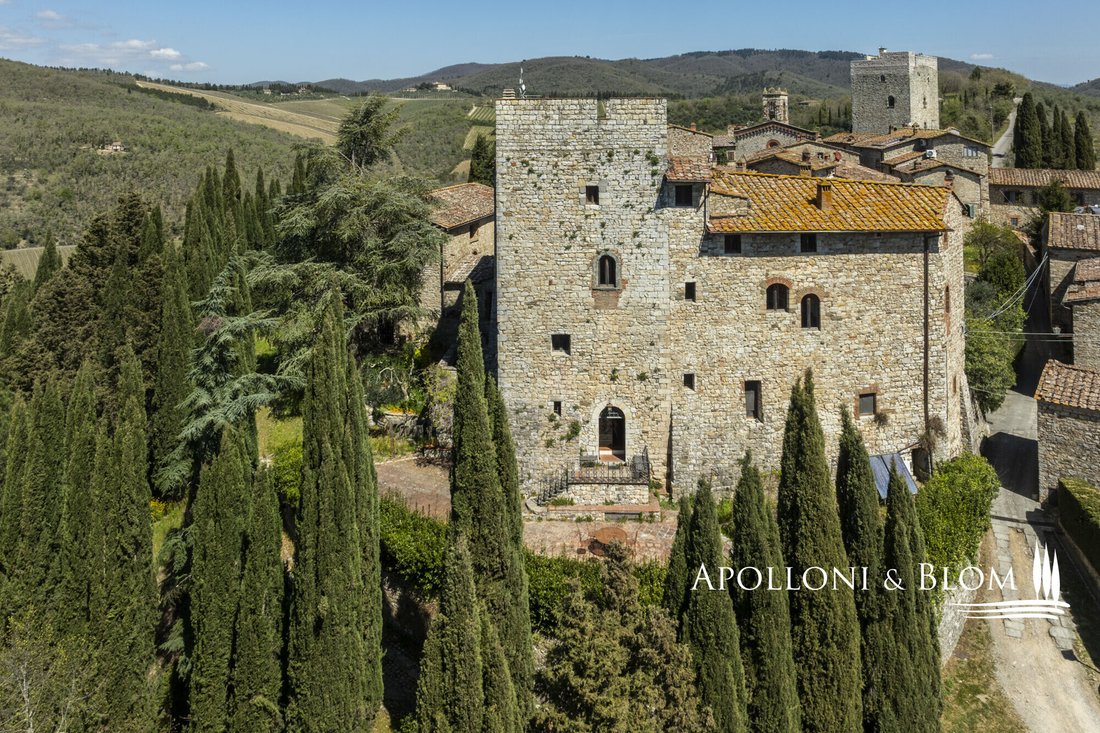
Gaiole in Chianti, Tuscany, Italy
€1,950,000
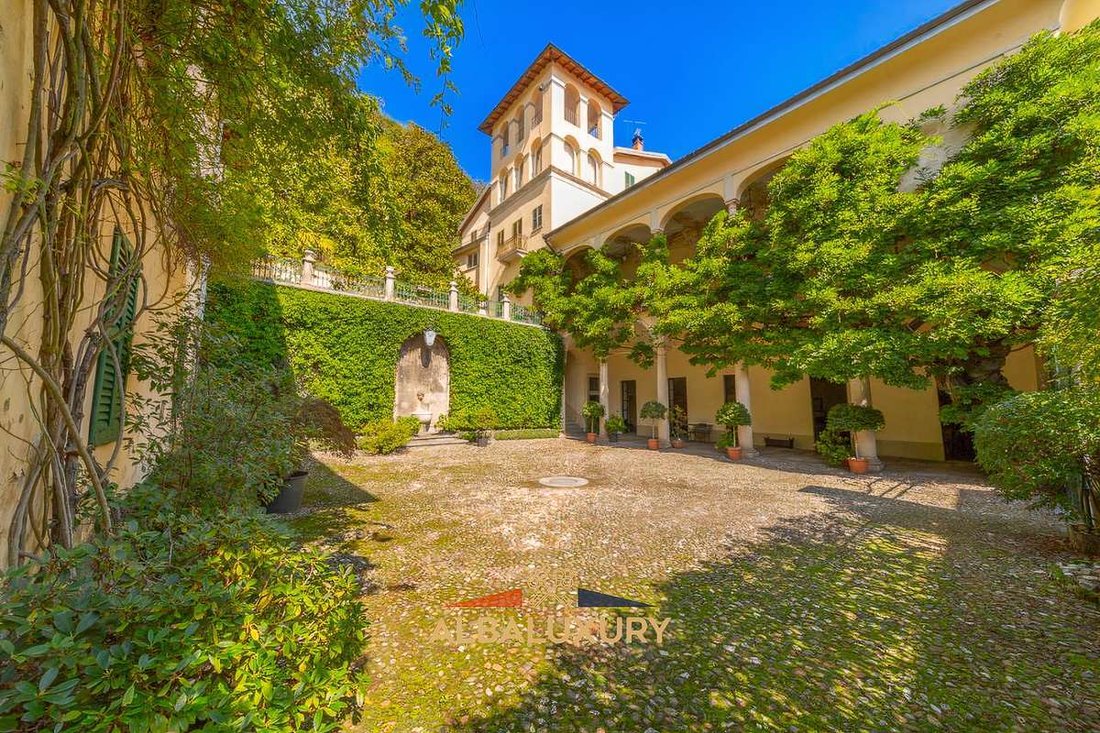
Castello Cabiaglio, Lombardy, Italy
$1,878,655
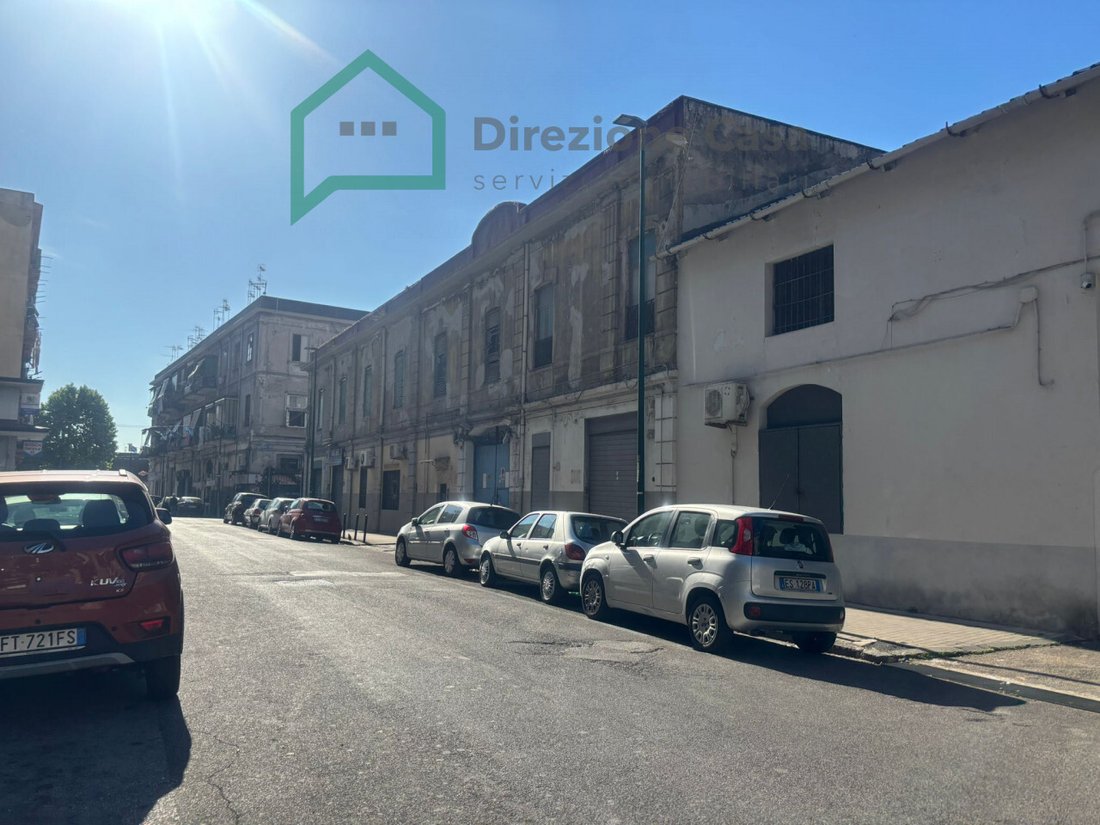
Naples, Campania, Italy
$1,878,655
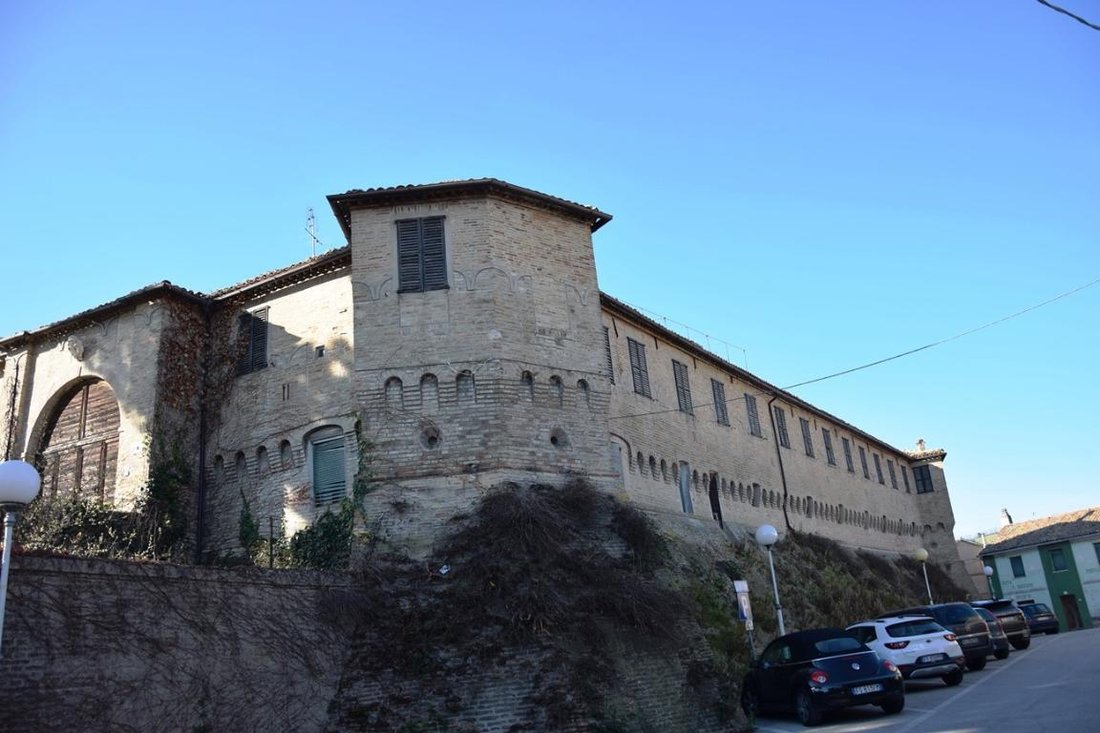
Castelvecchio, Marche, Italy
$1,877,174
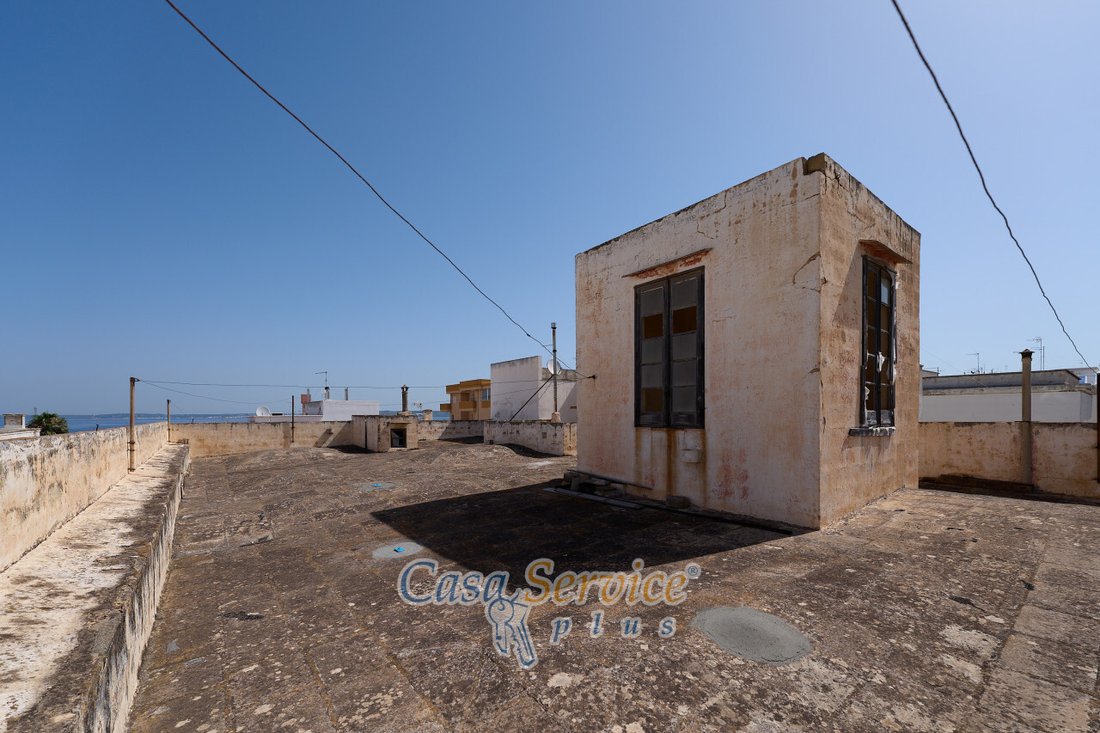
Gallipoli, Apulia, Italy
$1,866,913
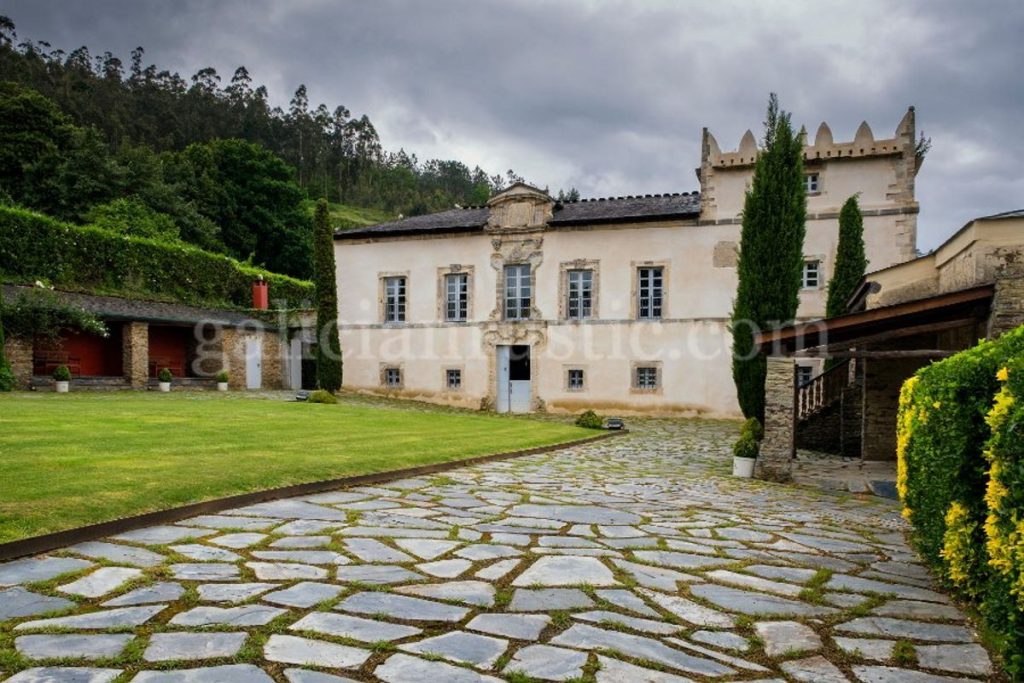
Abres, on the left bank of the River Eo, looking towards its source. Abres is a village and parish of the Council of Vegadeo (Asturias).
€1.8m
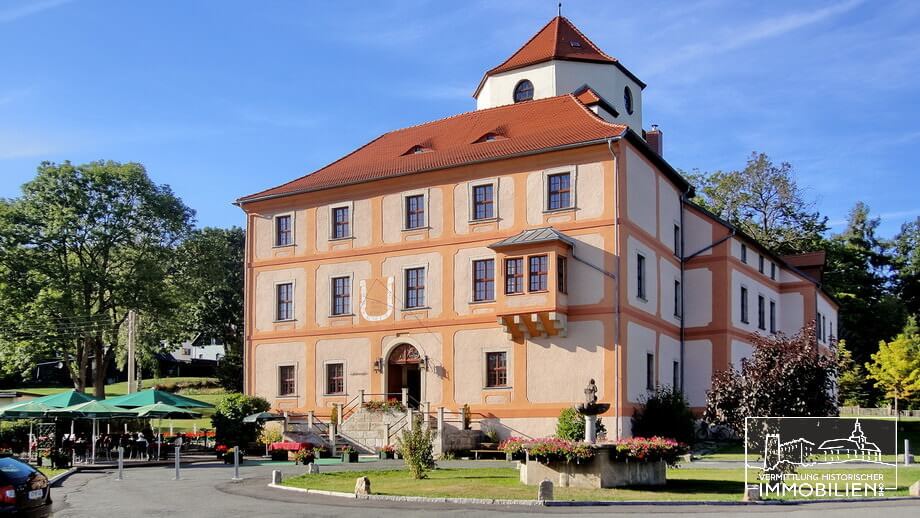
Saxony-Vogtland, GERMANY
€1.8m
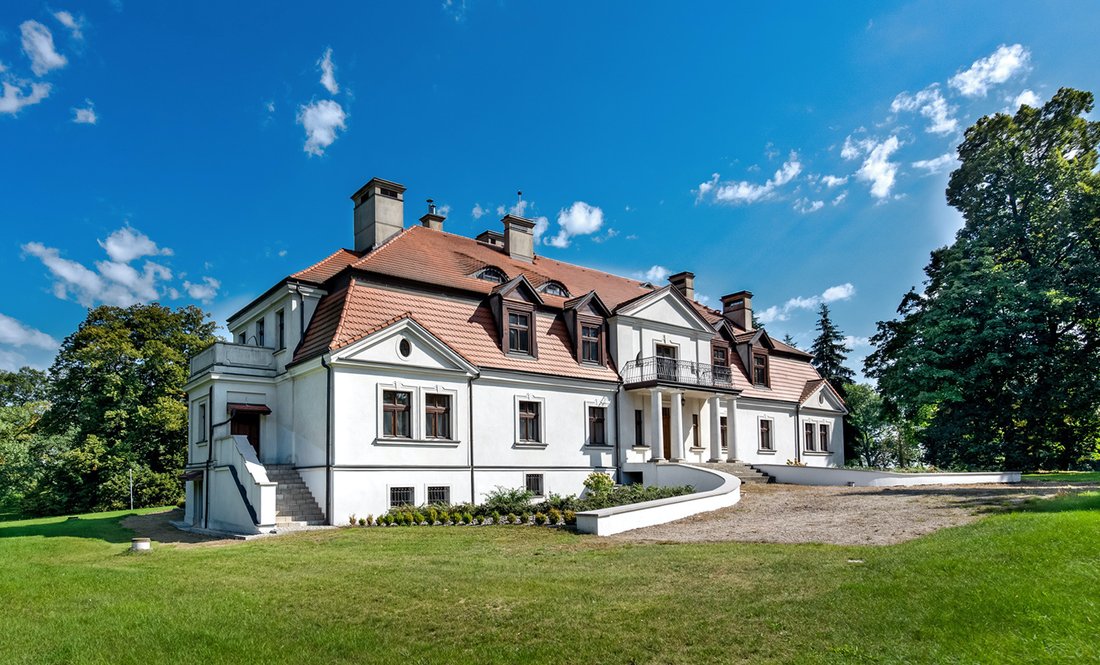
Srem, Greater Poland Voivodeship, Poland
$1,792,588
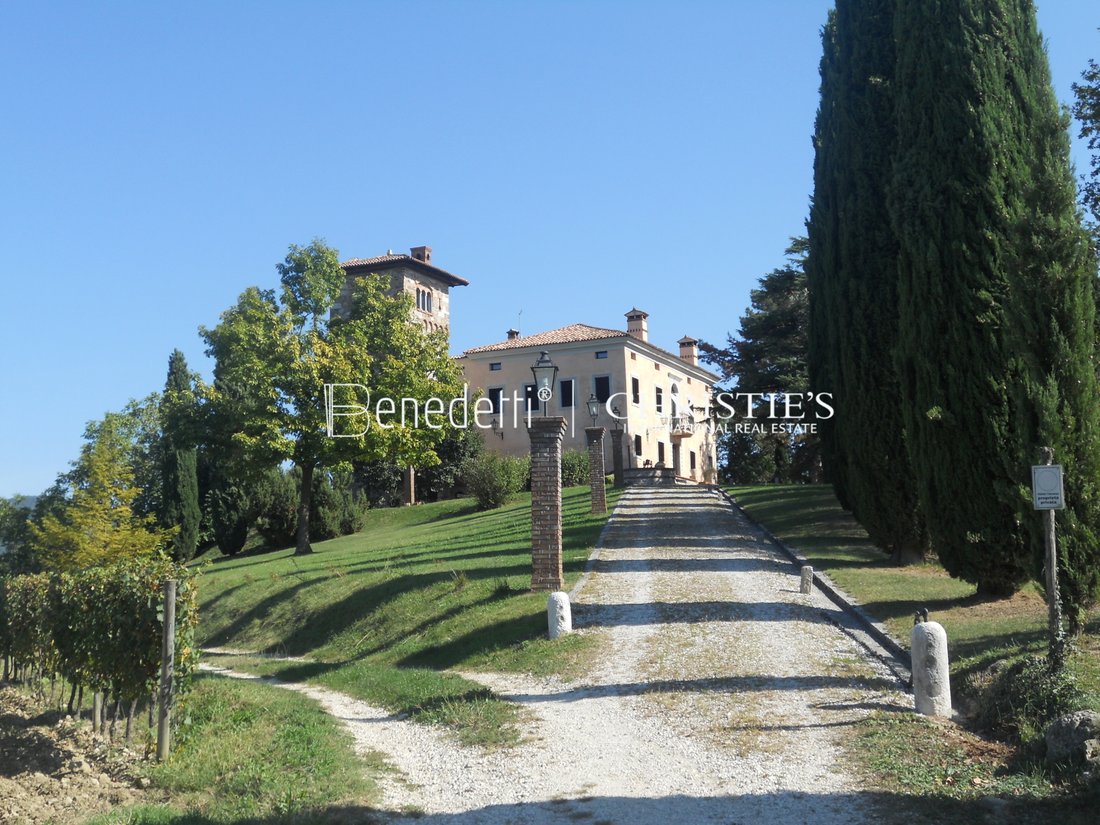
Torreano, Friuli-Venezia Giulia, Italy
$1,761,239
Showing the first 60 of 157 properties in this category.
Price figures are calculated on the 103 properties in this category quoted in USD. Listings priced in other currencies are excluded rather than converted, so the median reflects real asking prices.
A palace was built for display and residence, never for defence. In Italy a palazzo is typically an urban building on a formal square; in France a palais is usually a grand townhouse or a former episcopal residence. The common thread is ceremonial scale — reception rooms sized for entertaining rather than for family life.
More often than castles, yes. Palaces were built where power was concentrated, which means historic town centres. That brings the practical consequences of a protected urban setting: restricted vehicle access, limited parking, and planning rules that apply to the whole conservation area rather than to your building alone.
It is the most common commercial route, and many of the palaces that reach the open market have already been partly converted. Feasibility depends on the local planning regime and, where the building is listed, on <strong>heritage consent</strong>. Both need checking before purchase, not after.
Where this category is actually represented in the catalogue.
We can't find the internet
Attempting to reconnect
Something went wrong!
Attempting to reconnect