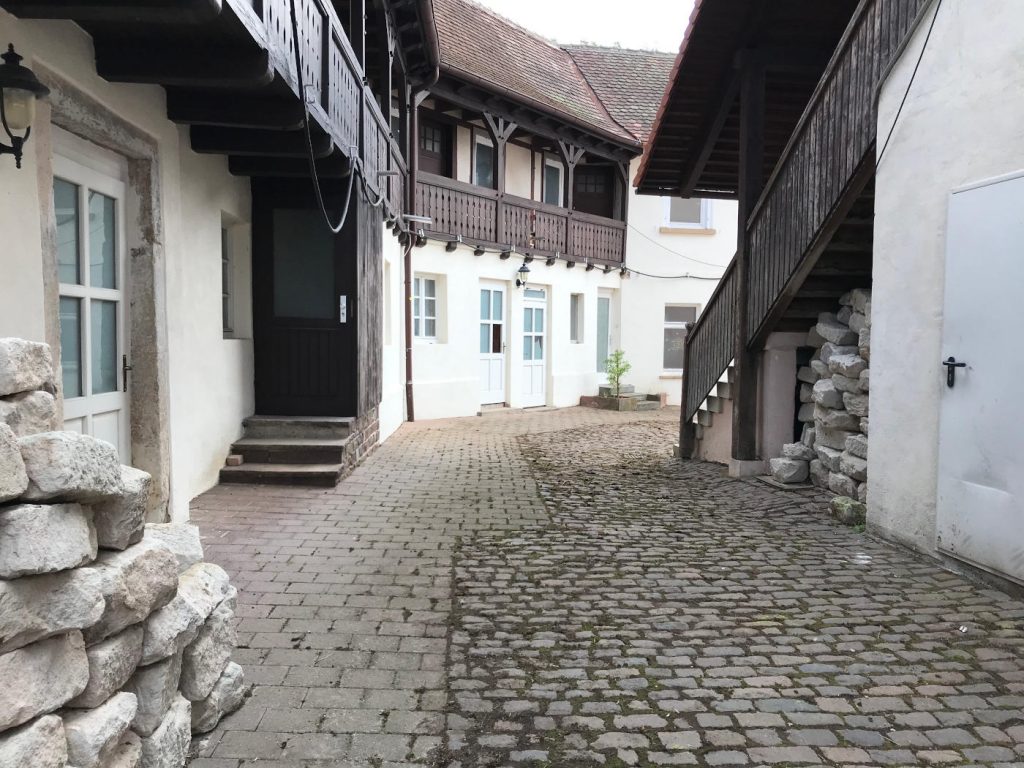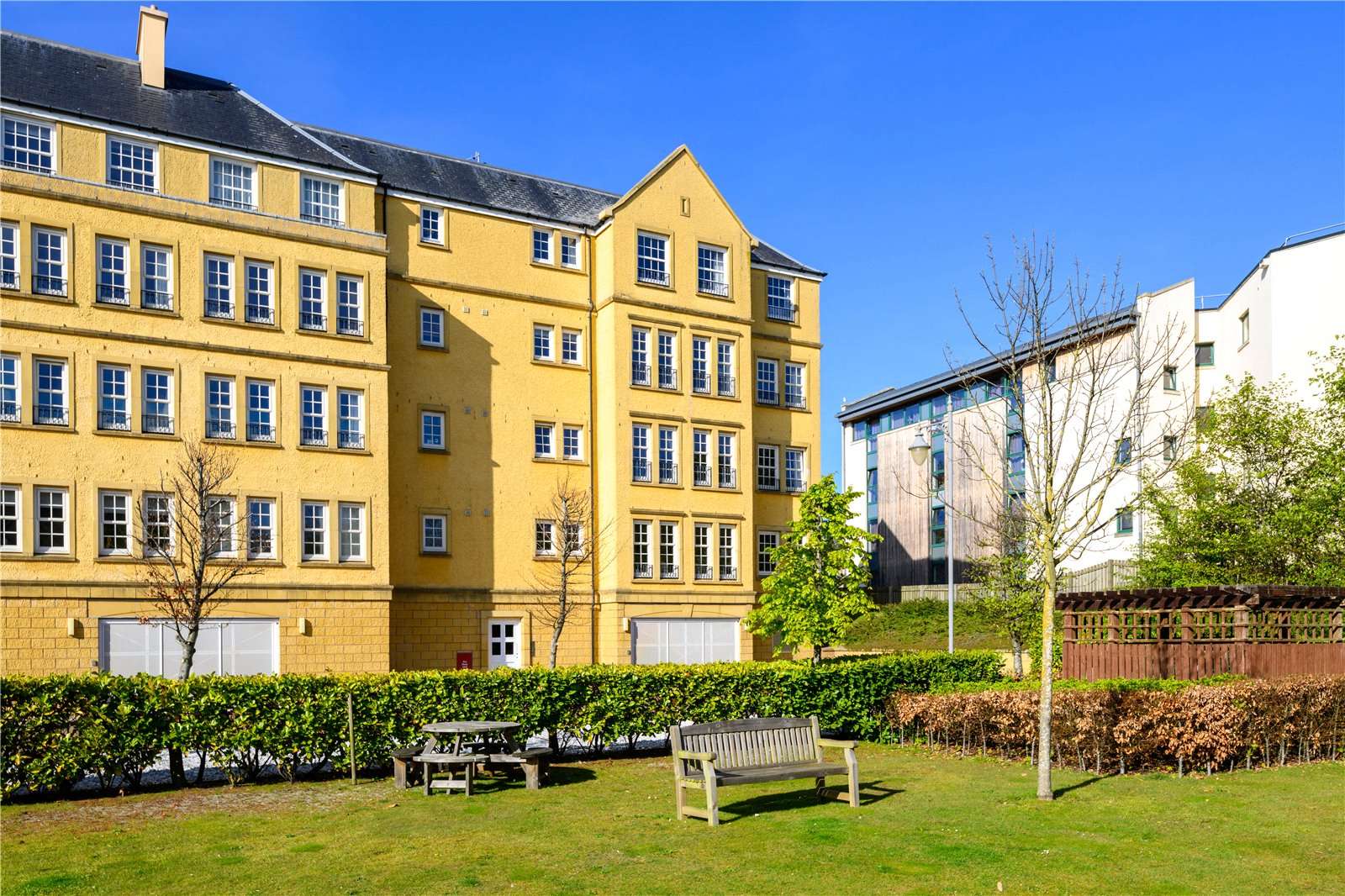
Adamson Court
Adamson Court, St. Andrews, Fife, KY16 9LJ
POA
View details
Discover 96 historic castles and luxury estates in United Kingdom
Adamson Court, St. Andrews, Fife, KY16 9LJ
POA
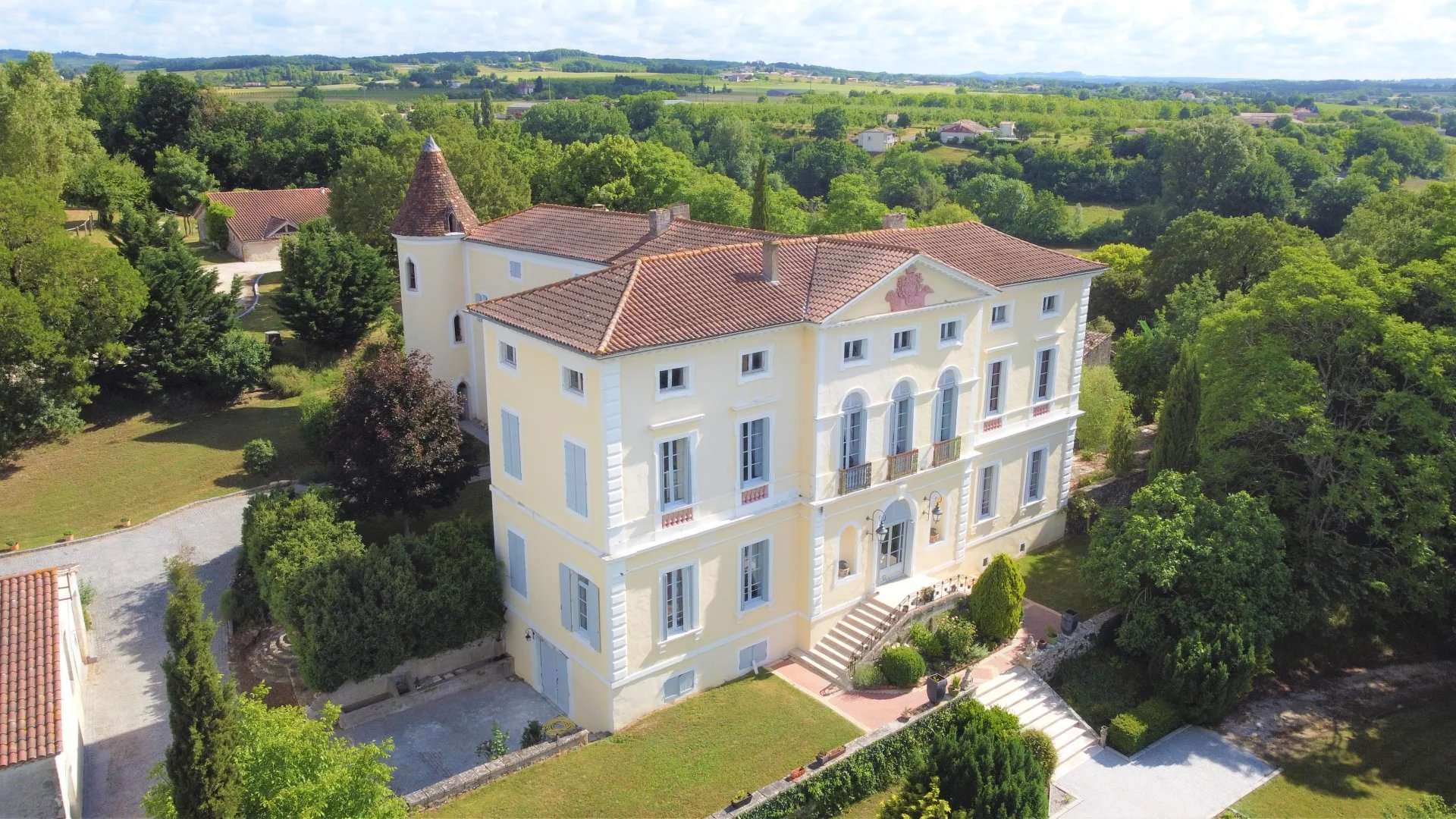
Monflanquin, Lot-et-Garonne
POA
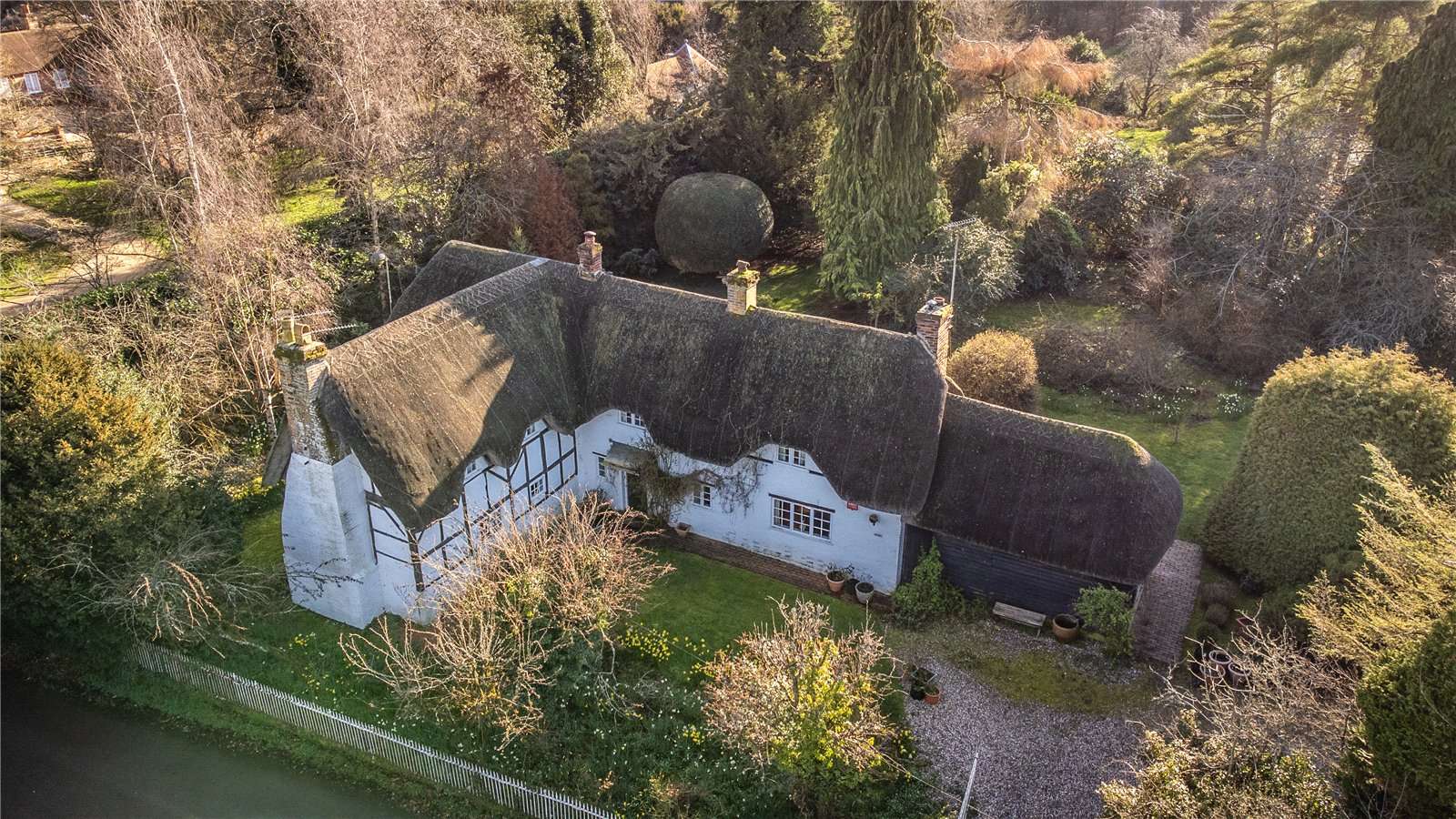
High Street, Ham, Marlborough, Wiltshire, SN8 3QS
POA
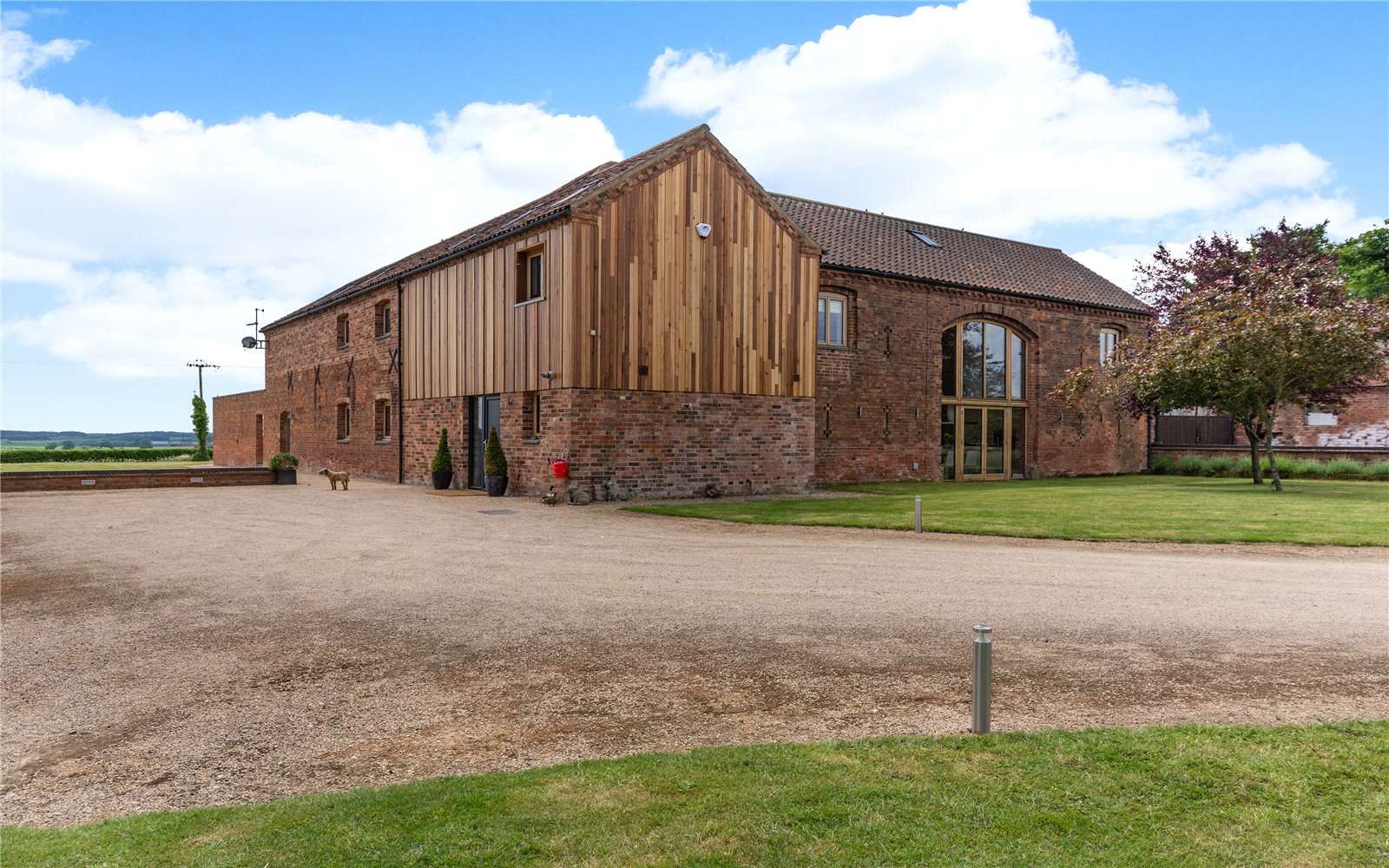
Norwell Woodhouse, Newark, Nottinghamshire, NG23 6NG
POA
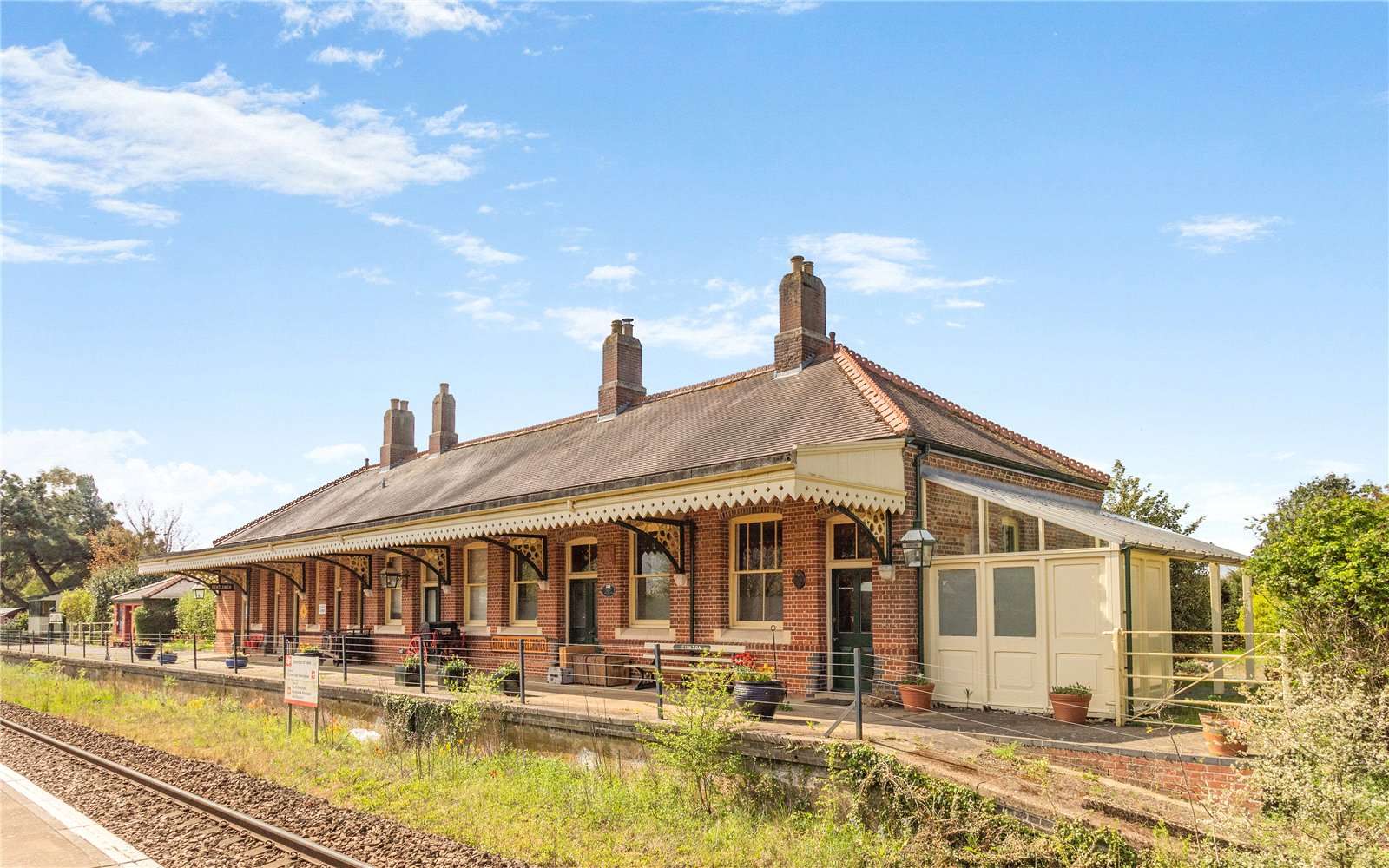
Station Road, Thorpe Market, Norwich, NR11 8UD
POA
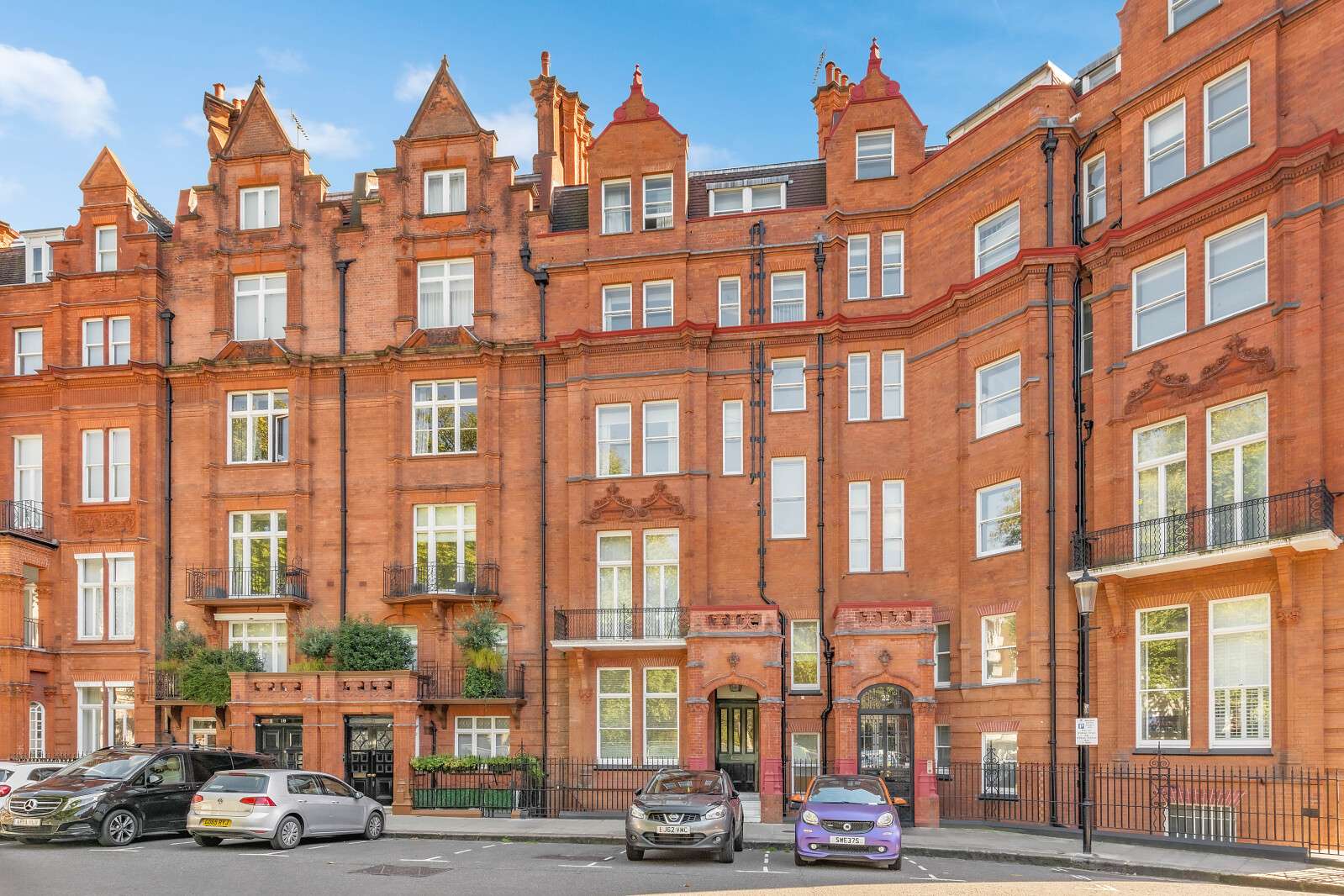
Hans Place, London, SW1X 0EP
POA
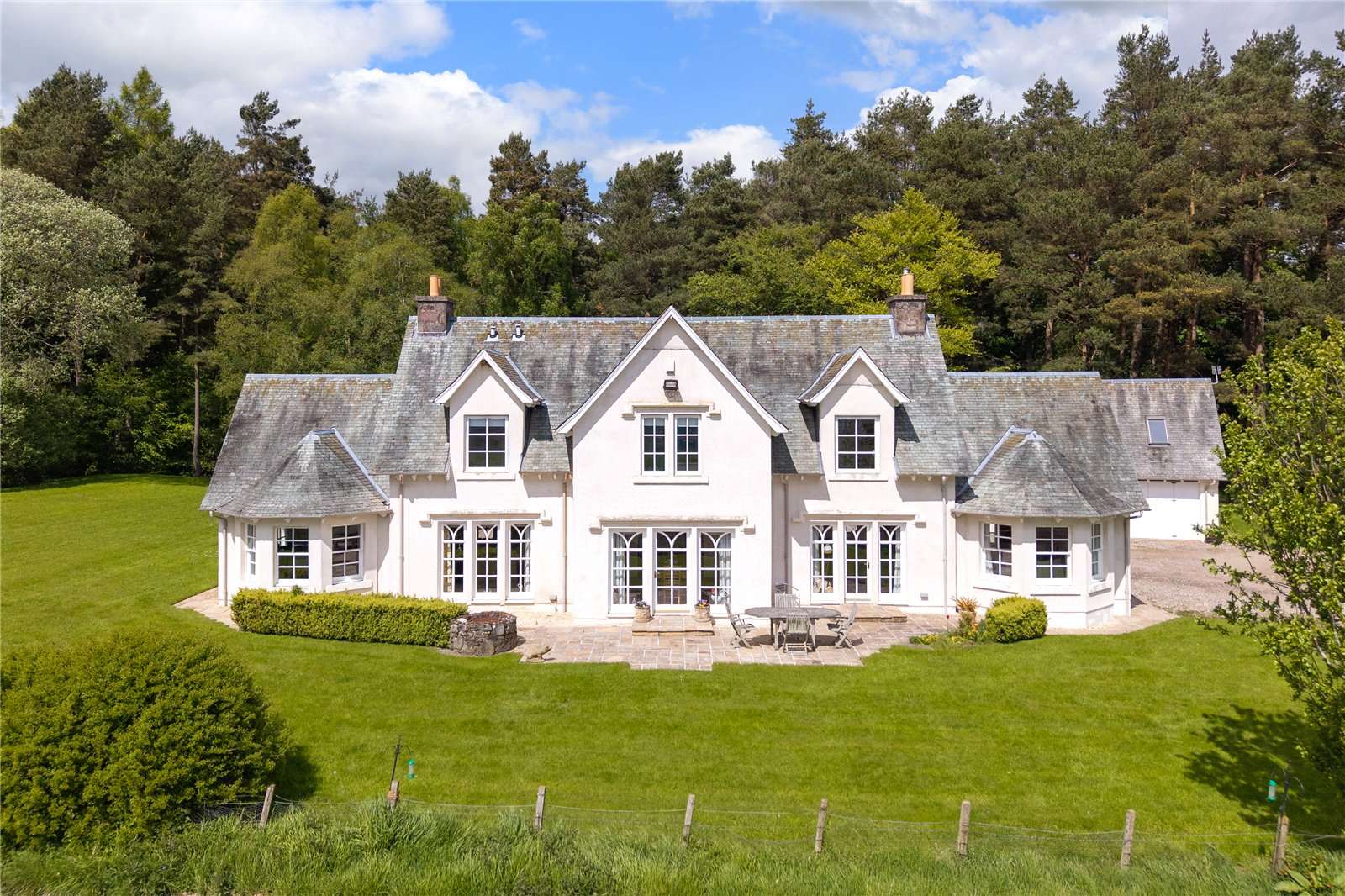
Ferniehill House, Stanley, Perth, Perth and Kinross, PH1 4QD
POA
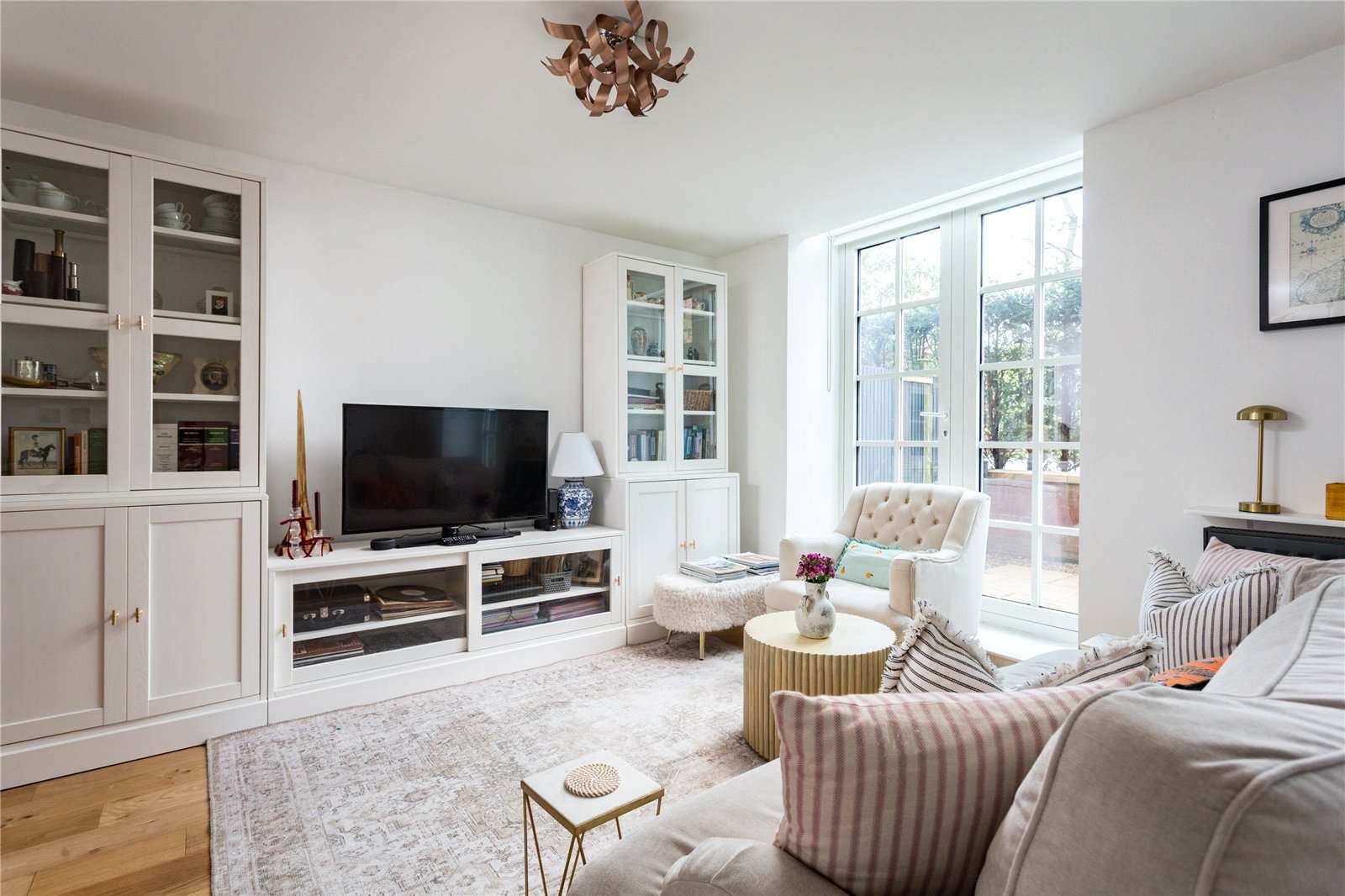
The Residence, Bishopthorpe Road, York, North Yorkshire, YO23 1DQ
POA
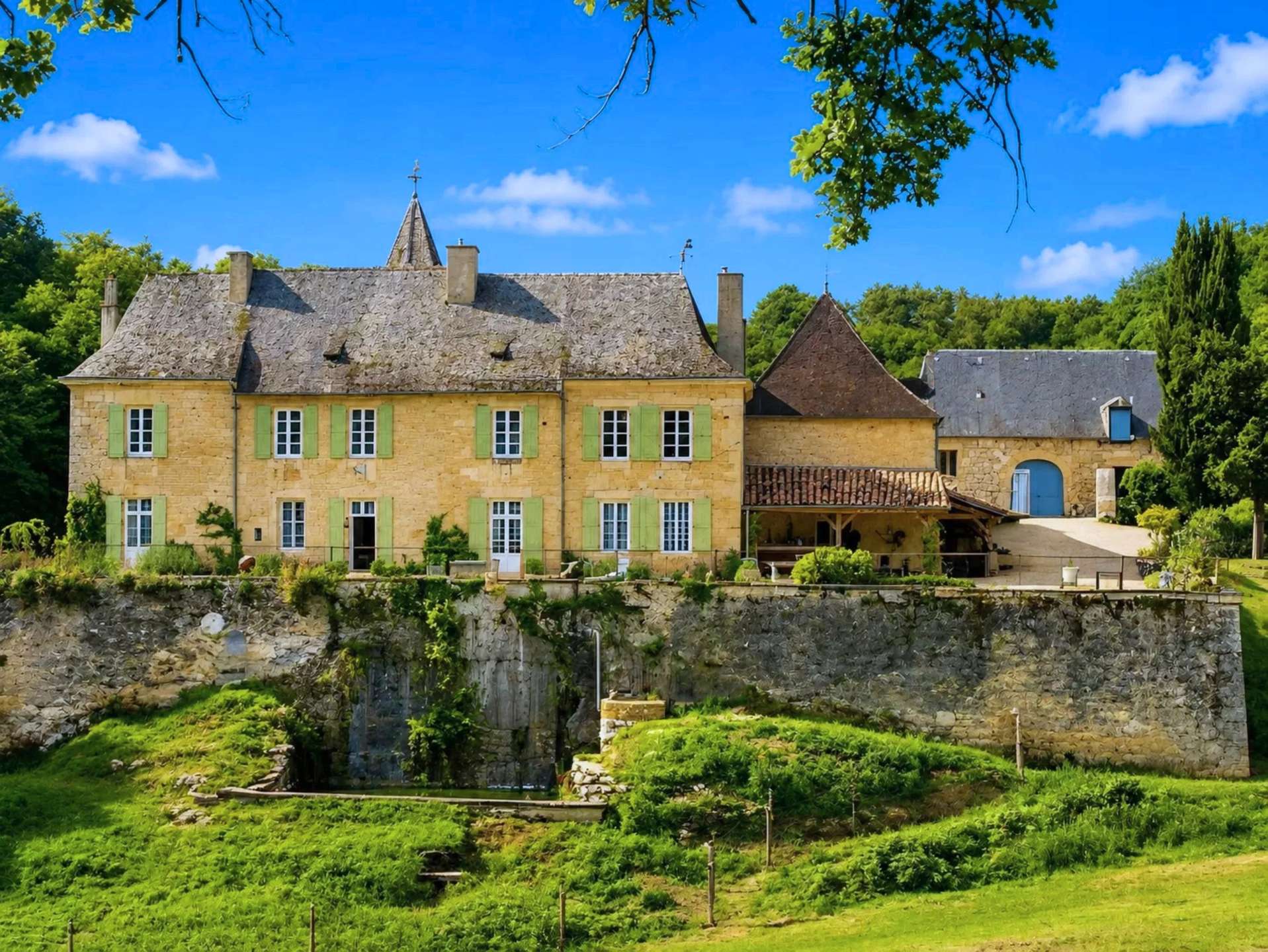
La Bachellerie, Dordogne
POA
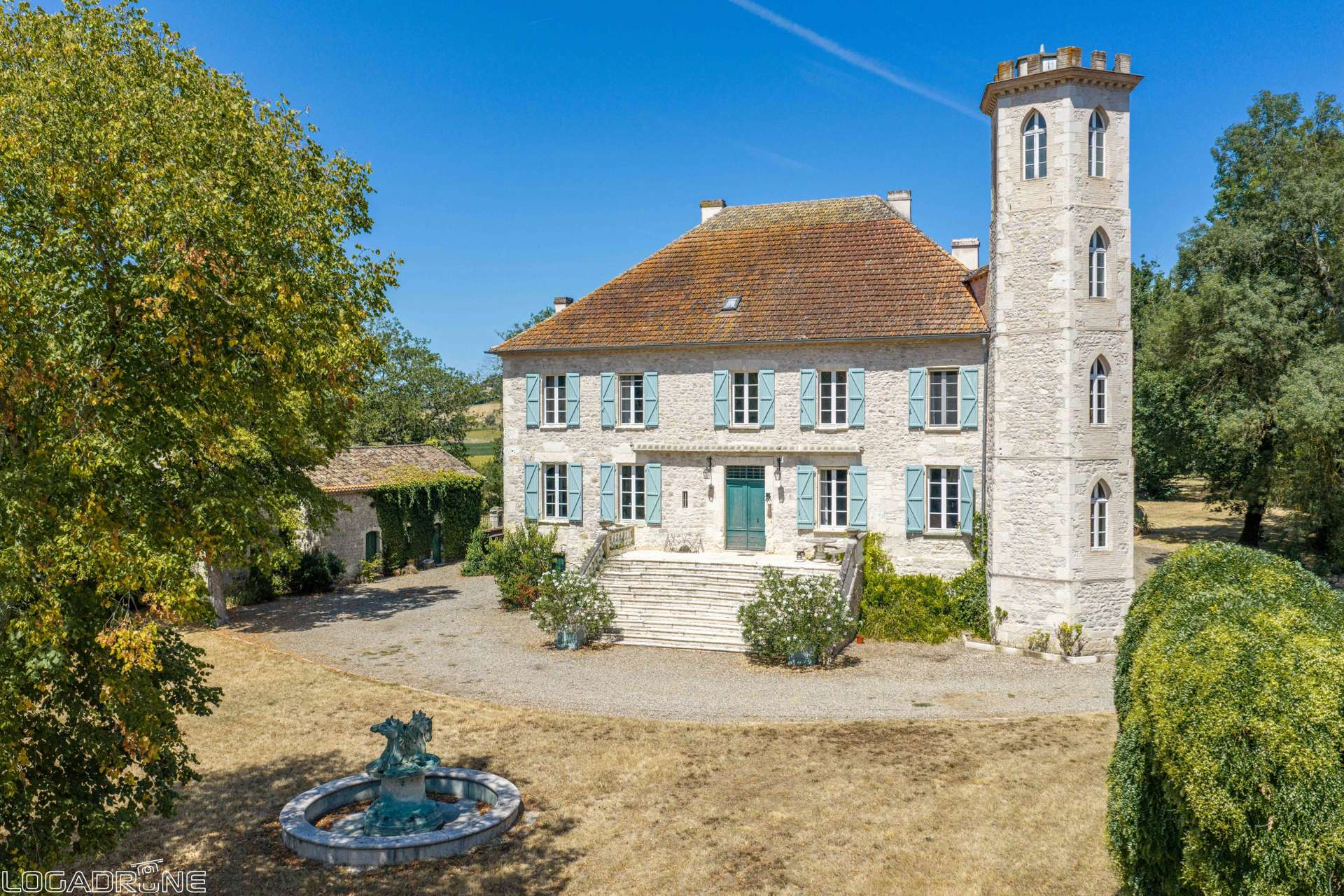
Montcuq, Lot
POA
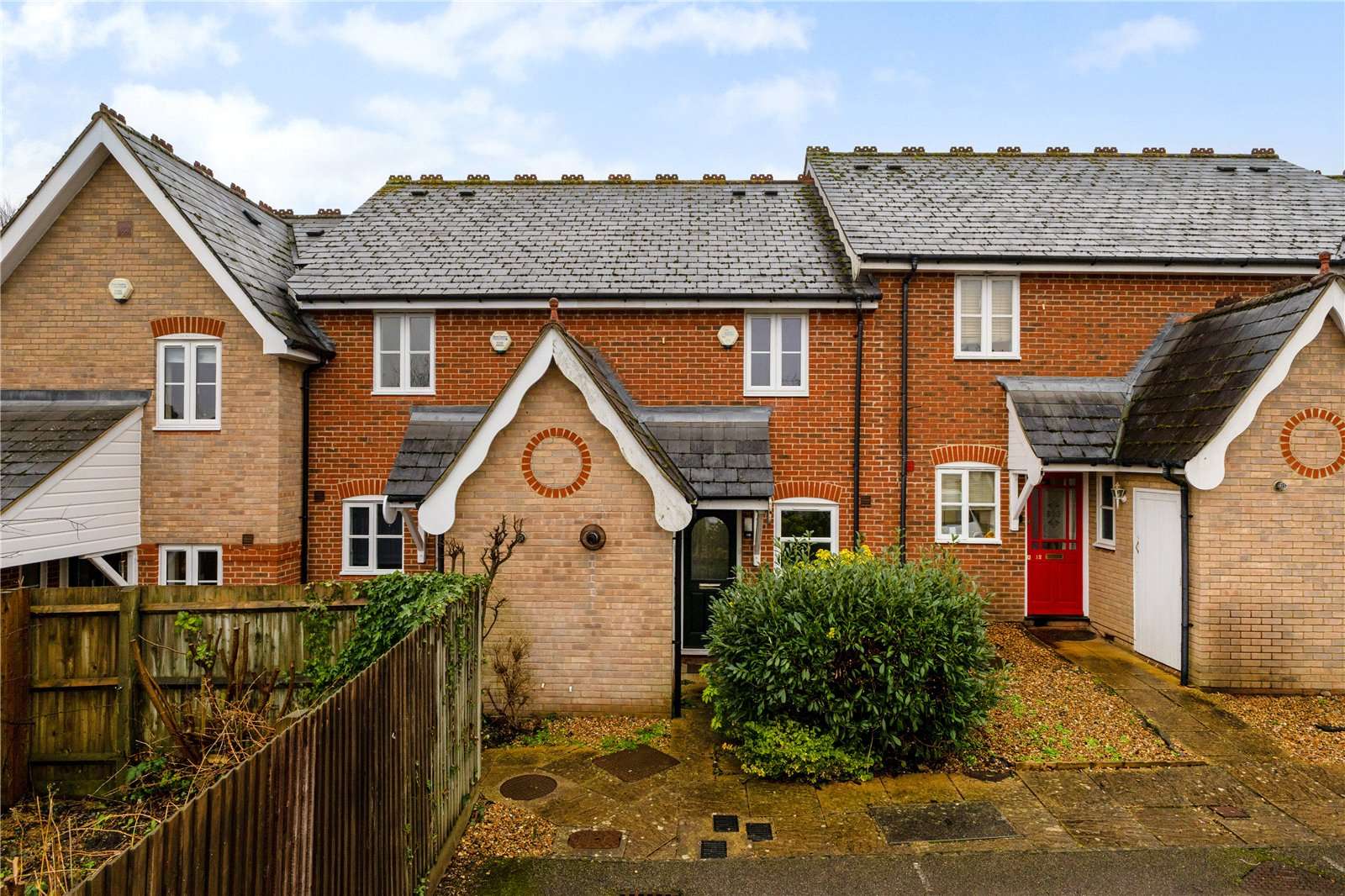
Vallance Place, Harpenden, Hertfordshire, AL5 1AX
POA
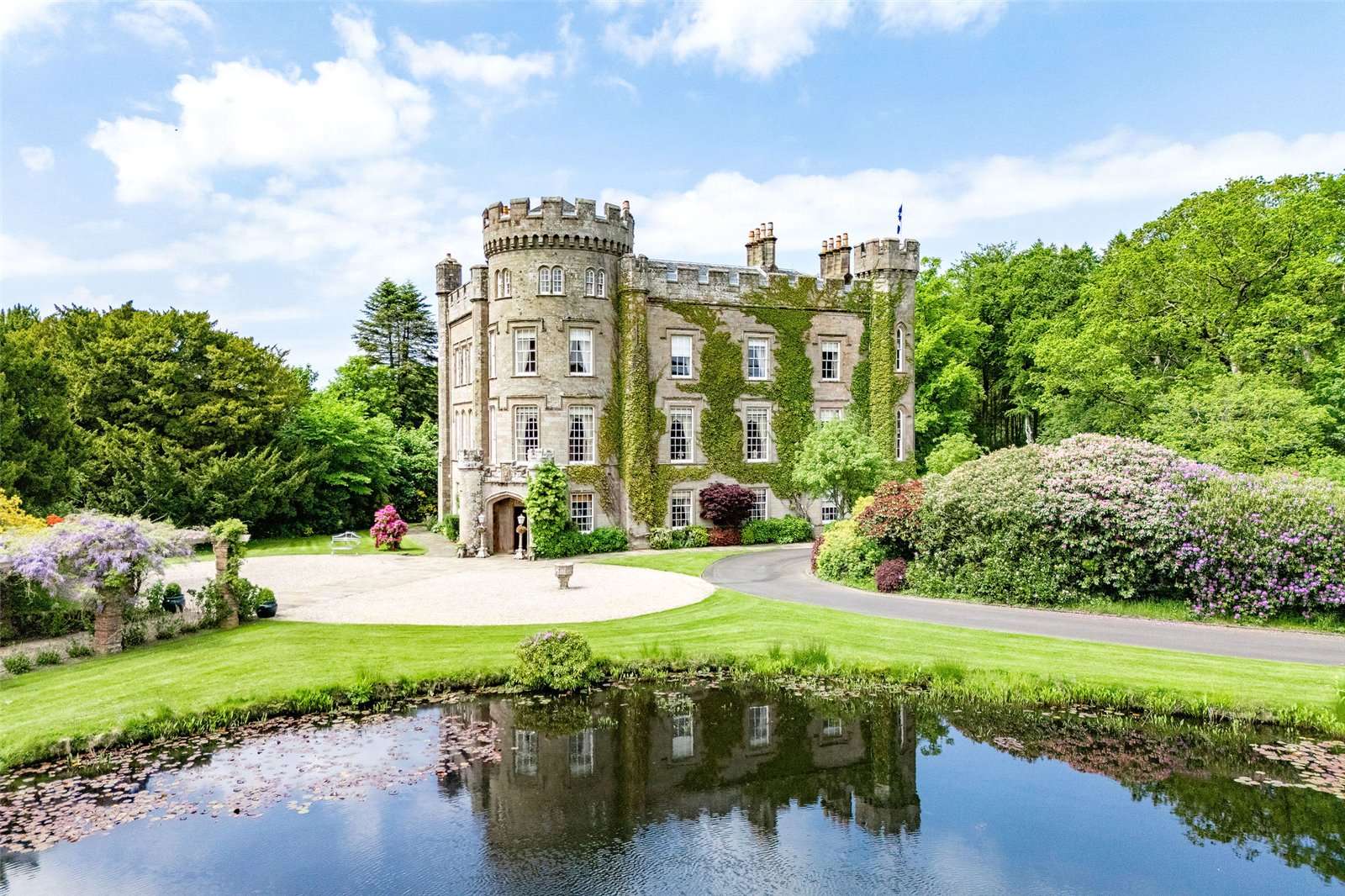
Cloncaird Castle, Maybole, South Ayrshire, KA19 7LU
POA
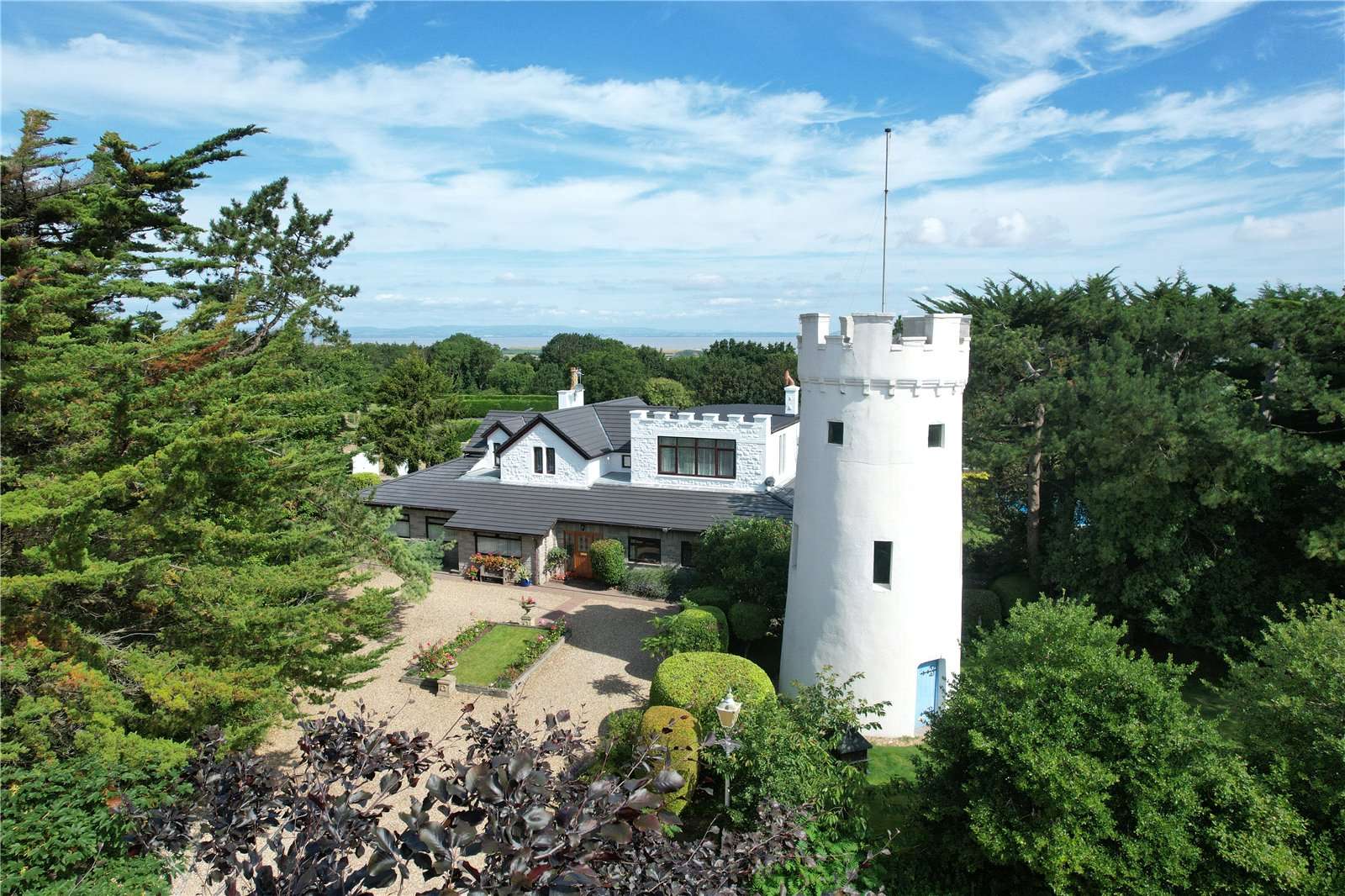
Worlebury Hill Road, Weston-super-Mare, North Somerset, BS22 9TP
POA
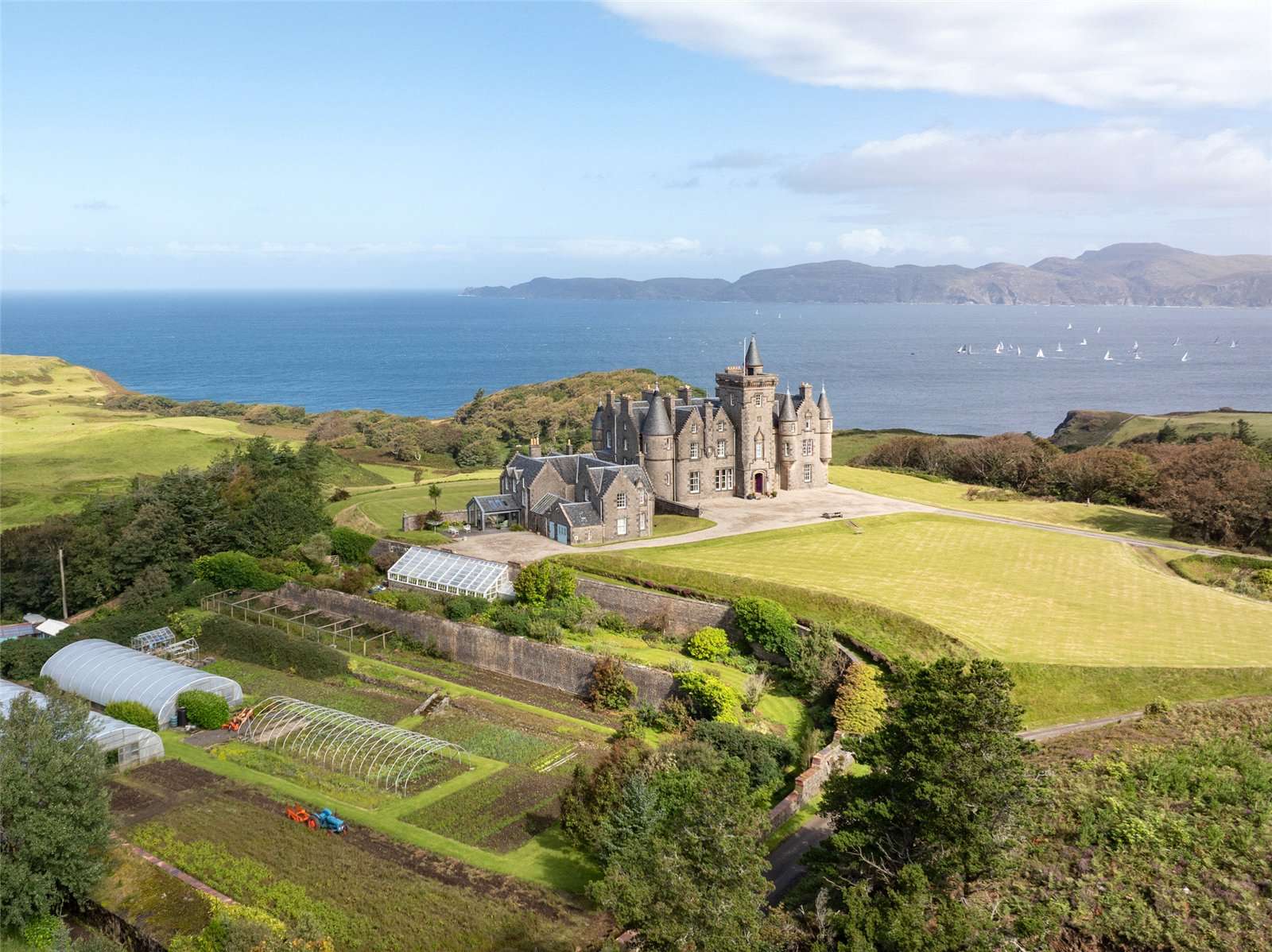
Glengorm, Tobermory, Isle of Mull, Argyll and Bute, PA75 6QE
POA
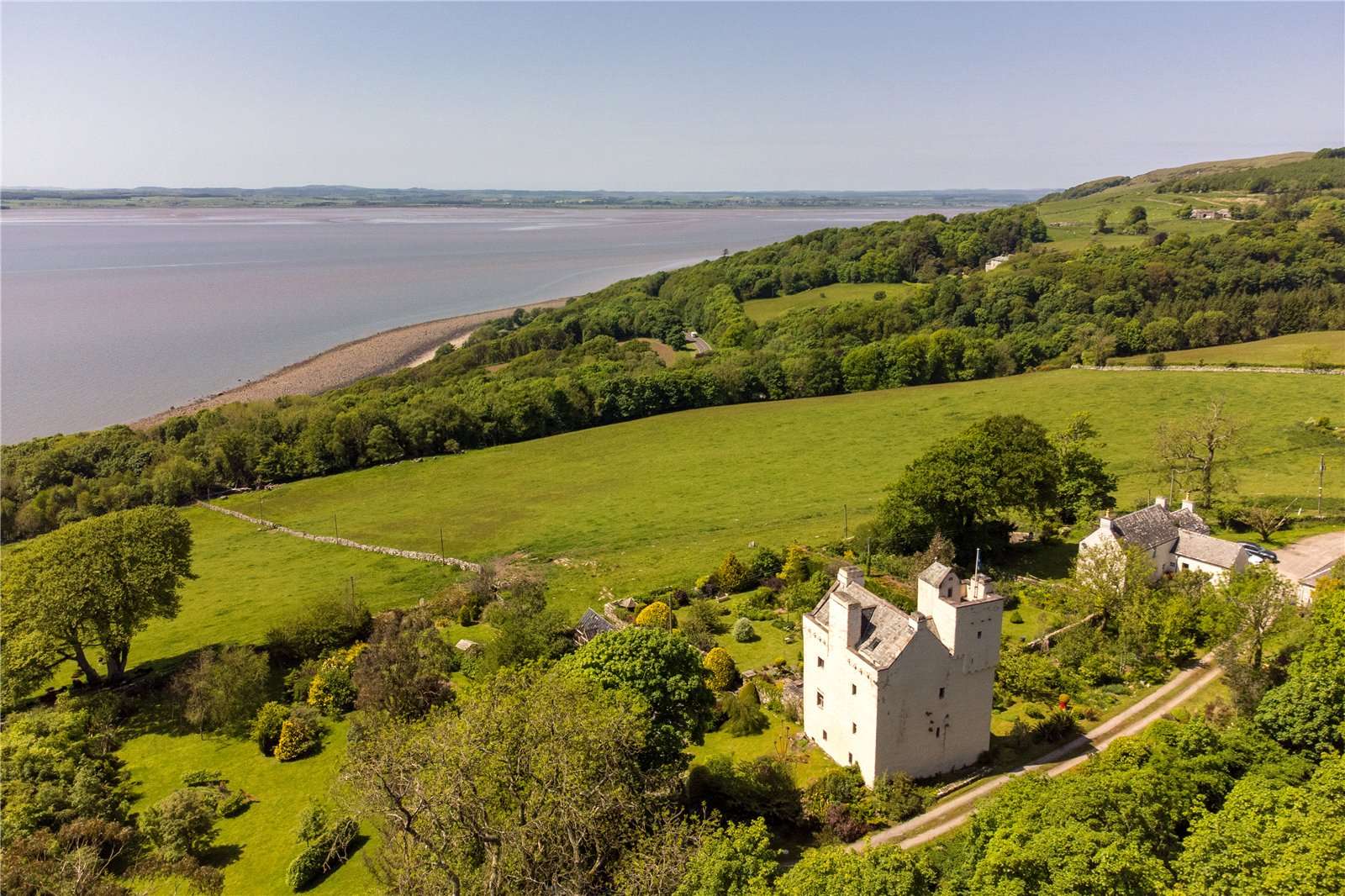
Barholm Castle, Gatehouse of Fleet, Castle Douglas, Kirkcudbrightshire, DG7 2EZ
POA
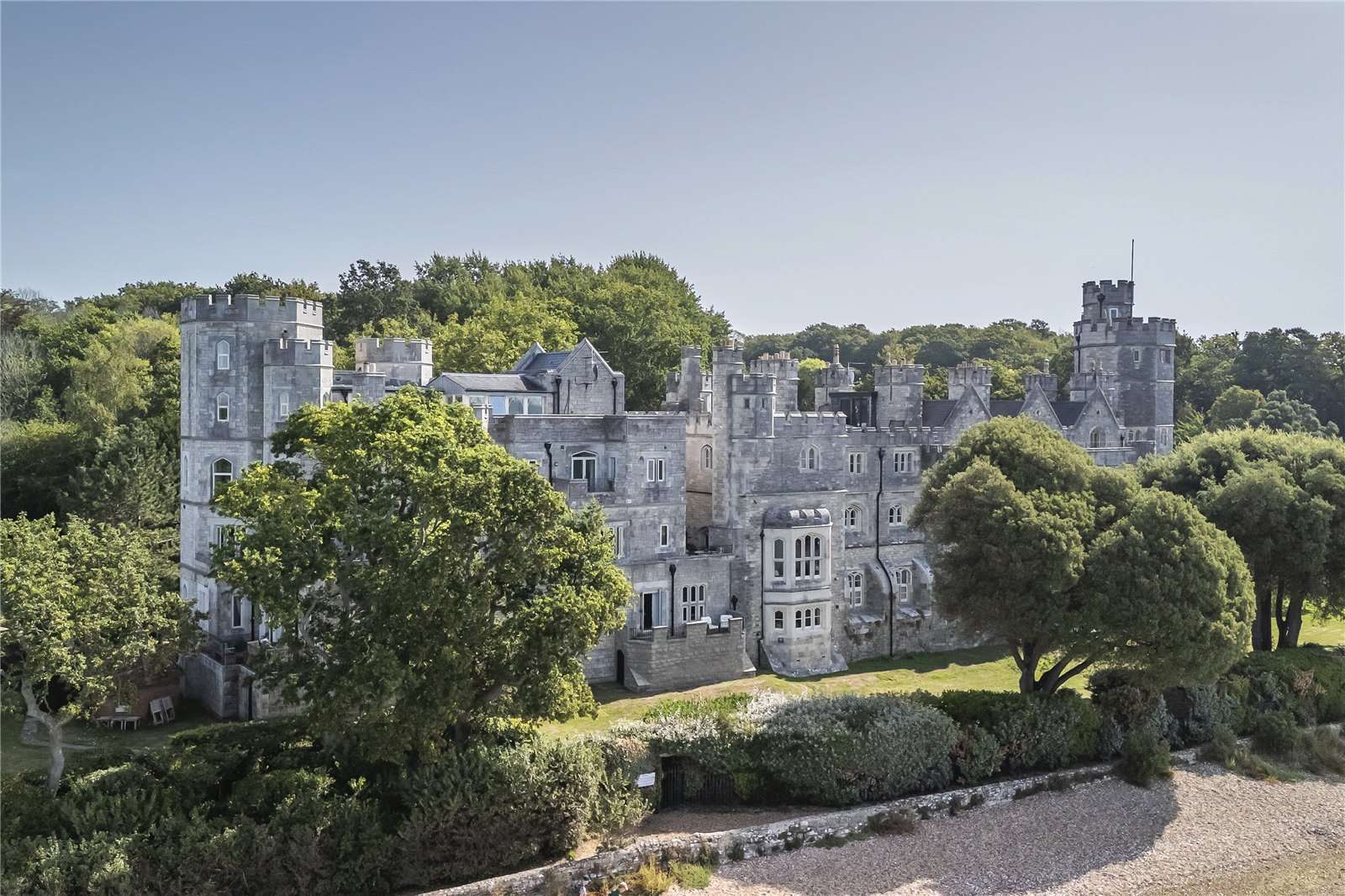
Abbey Hill, Netley Abbey, Southampton, Hampshire, SO31 5FA
POA
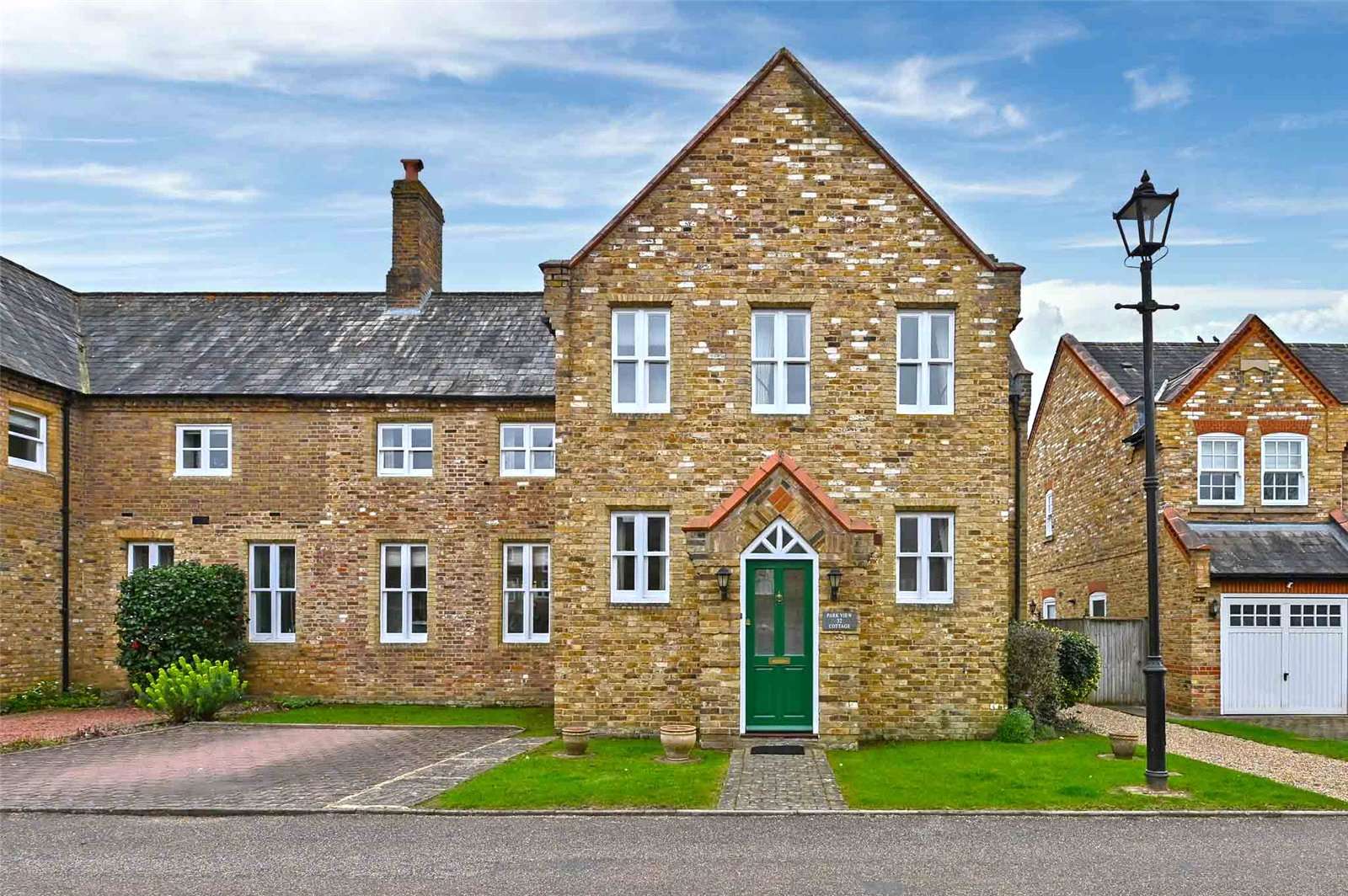
Bears Rails Park, Old Windsor, Windsor, Berkshire, SL4 2HN
POA
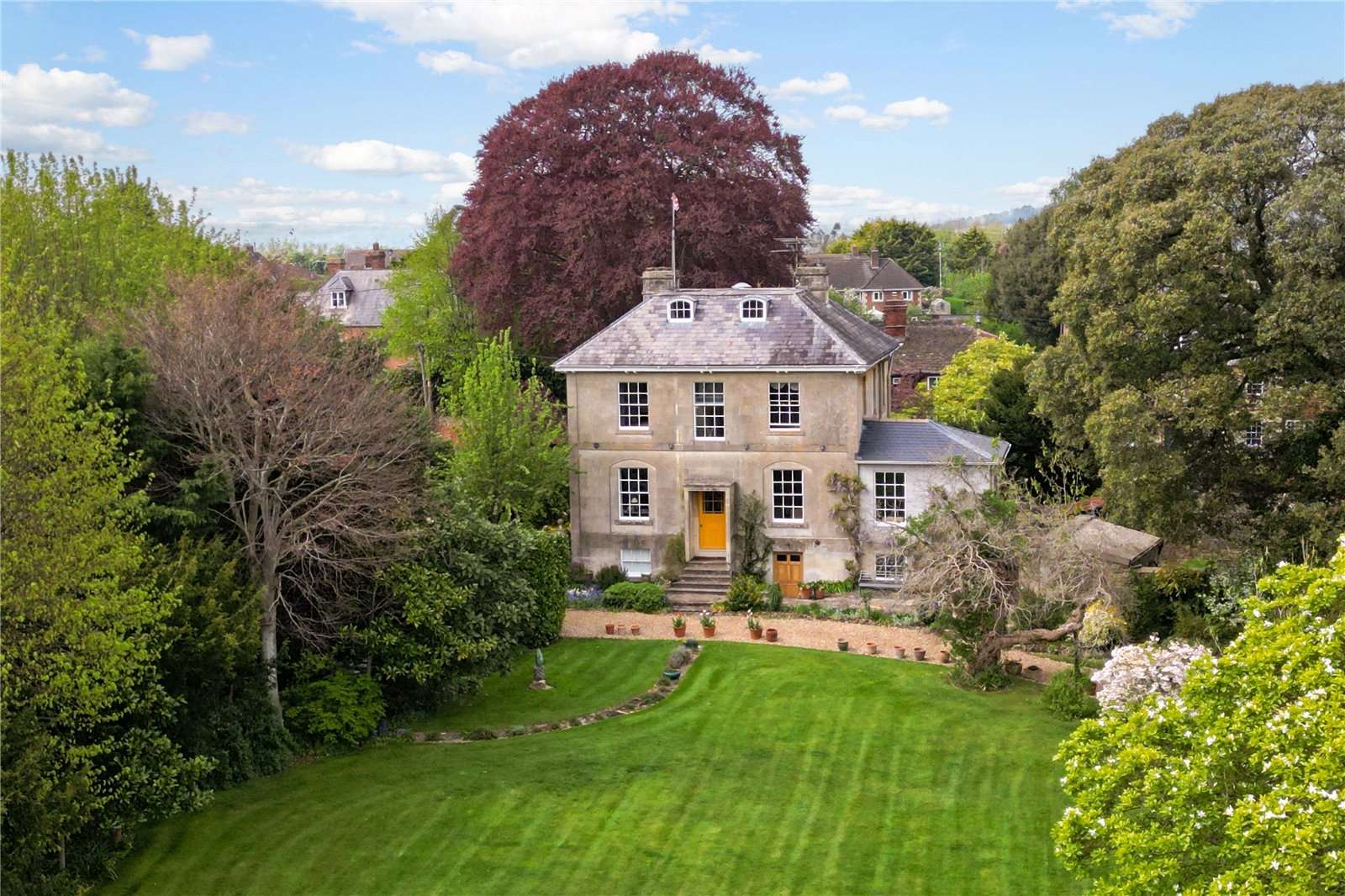
High Street, Seend, Wiltshire, SN12 6NU
POA
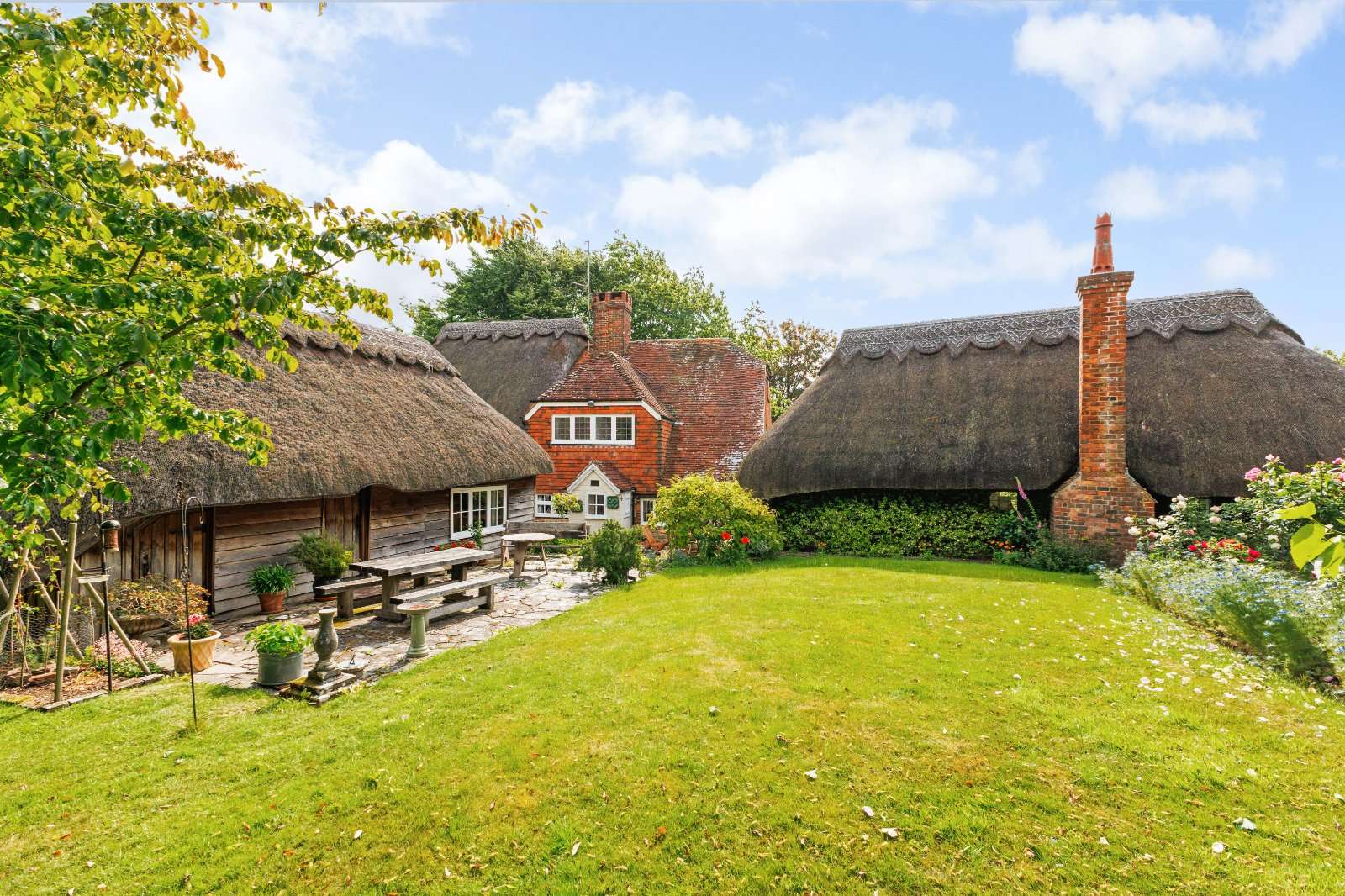
West Burton, Pulborough, West Sussex, RH20 1HD
POA
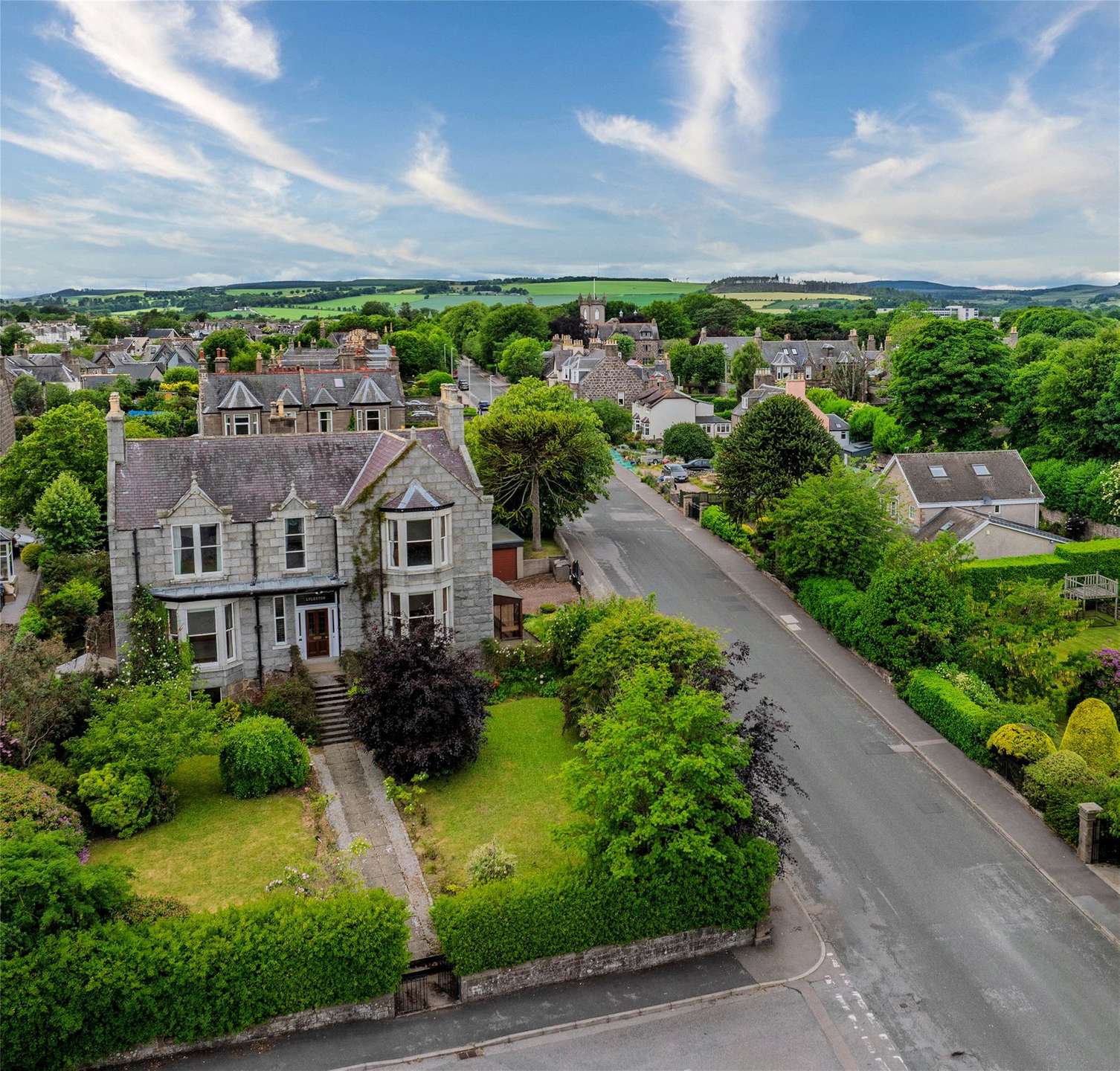
Lyleston, 44 Robert Street, Stonehaven, Aberdeenshire, AB39 2DJ
POA
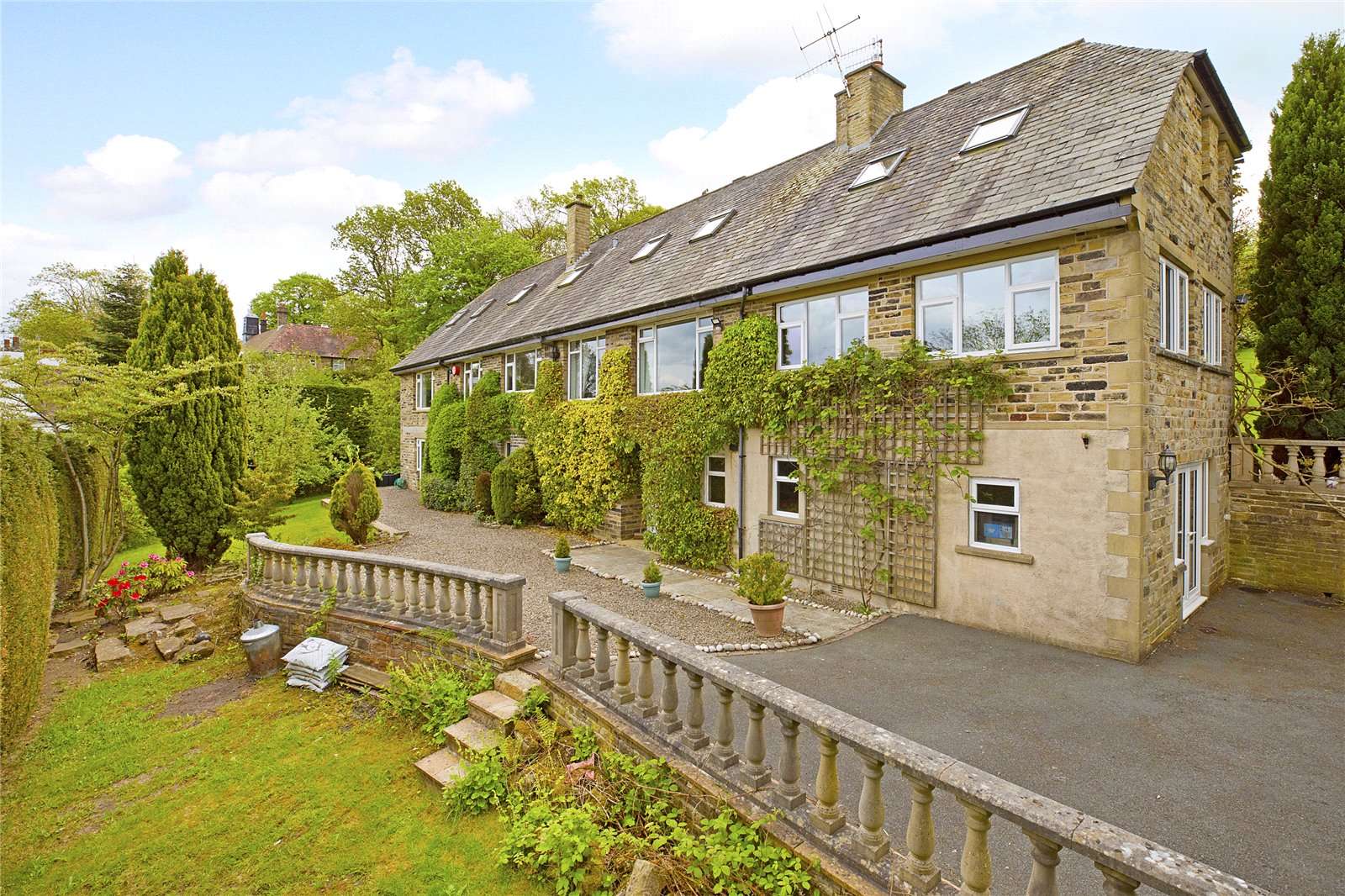
Ben Rhydding Drive, Ilkley, West Yorkshire, LS29 8BA
POA
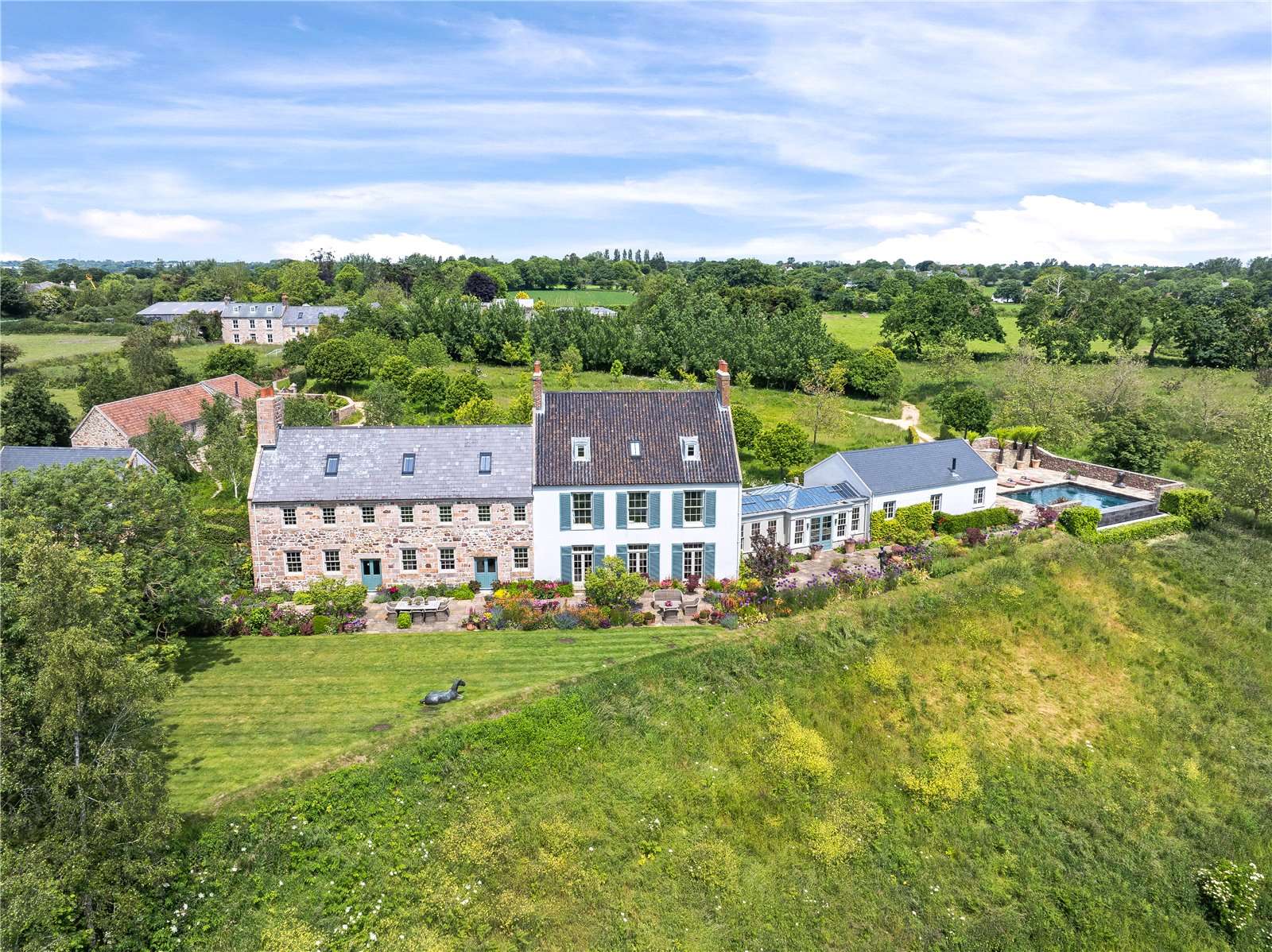
La Rue De St. Mannelier, St. Saviour, Jersey, JE2 7HJ
POA
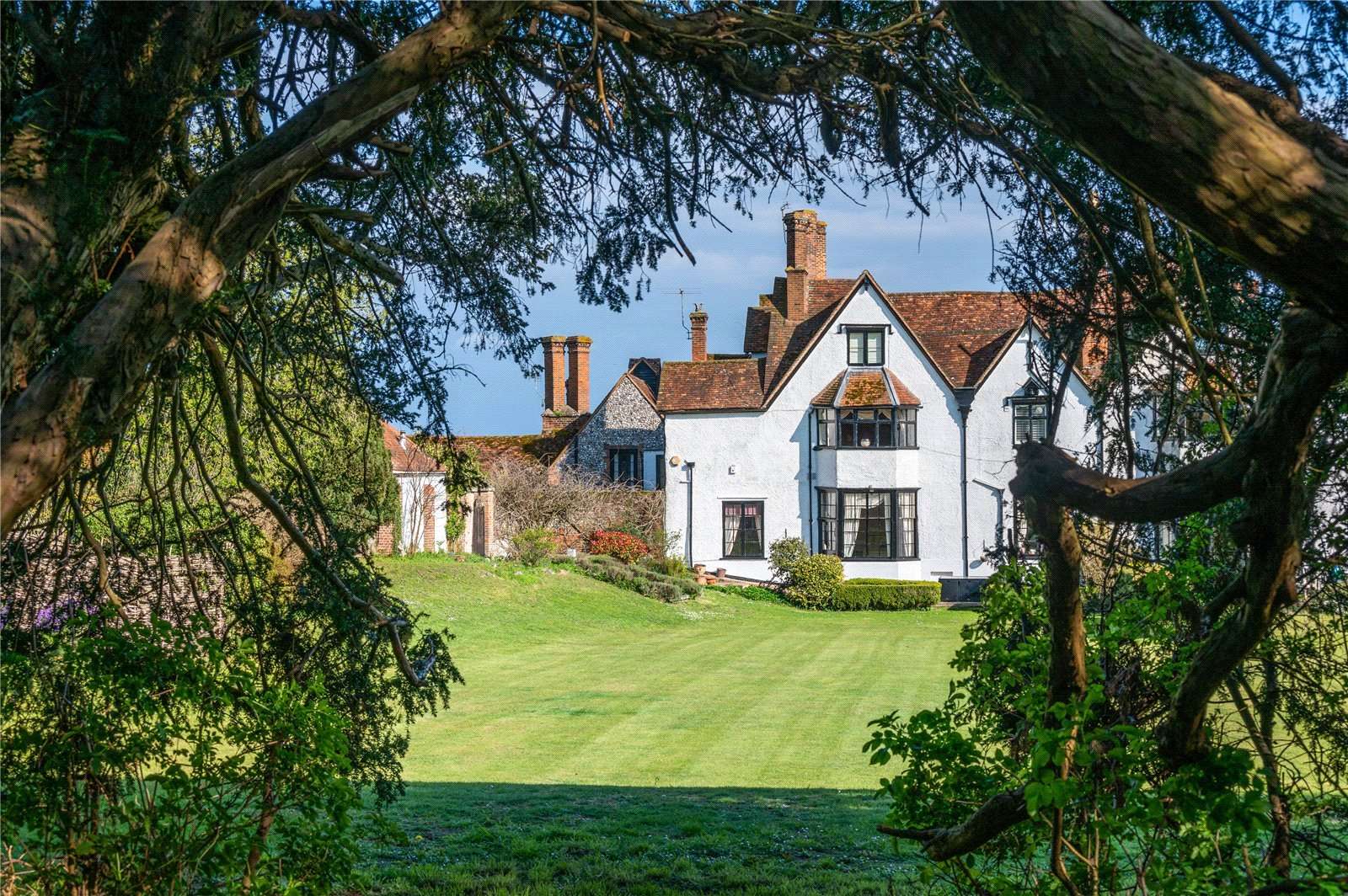
Hambleden, Henley-on-Thames, Buckinghamshire, RG9 6RJ
POA

South Tower, Cullen House, Cullen, Buckie, AB56 4XW
POA
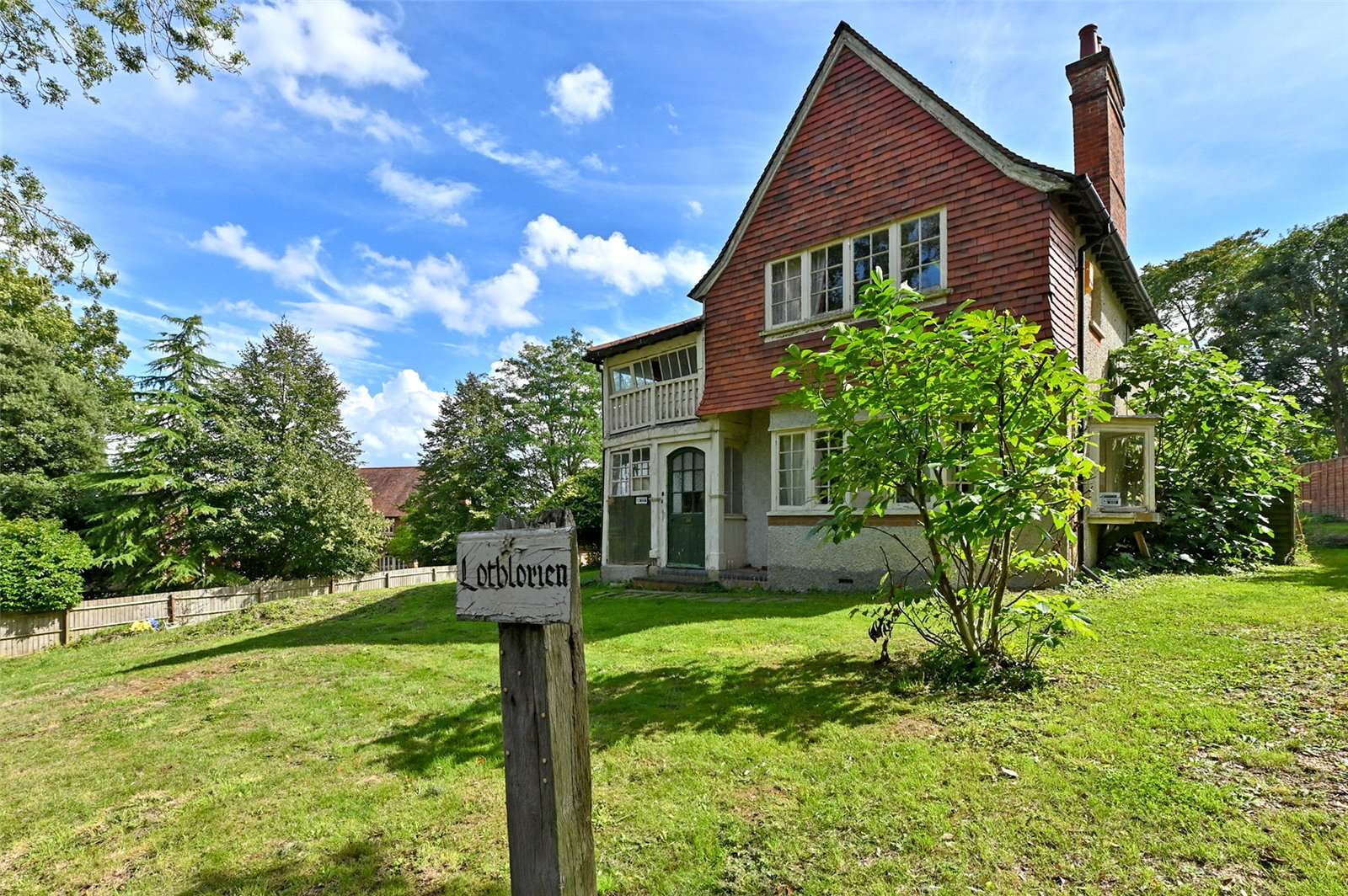
Harcourt Hill, Oxford, Oxfordshire, OX2 9AS
POA
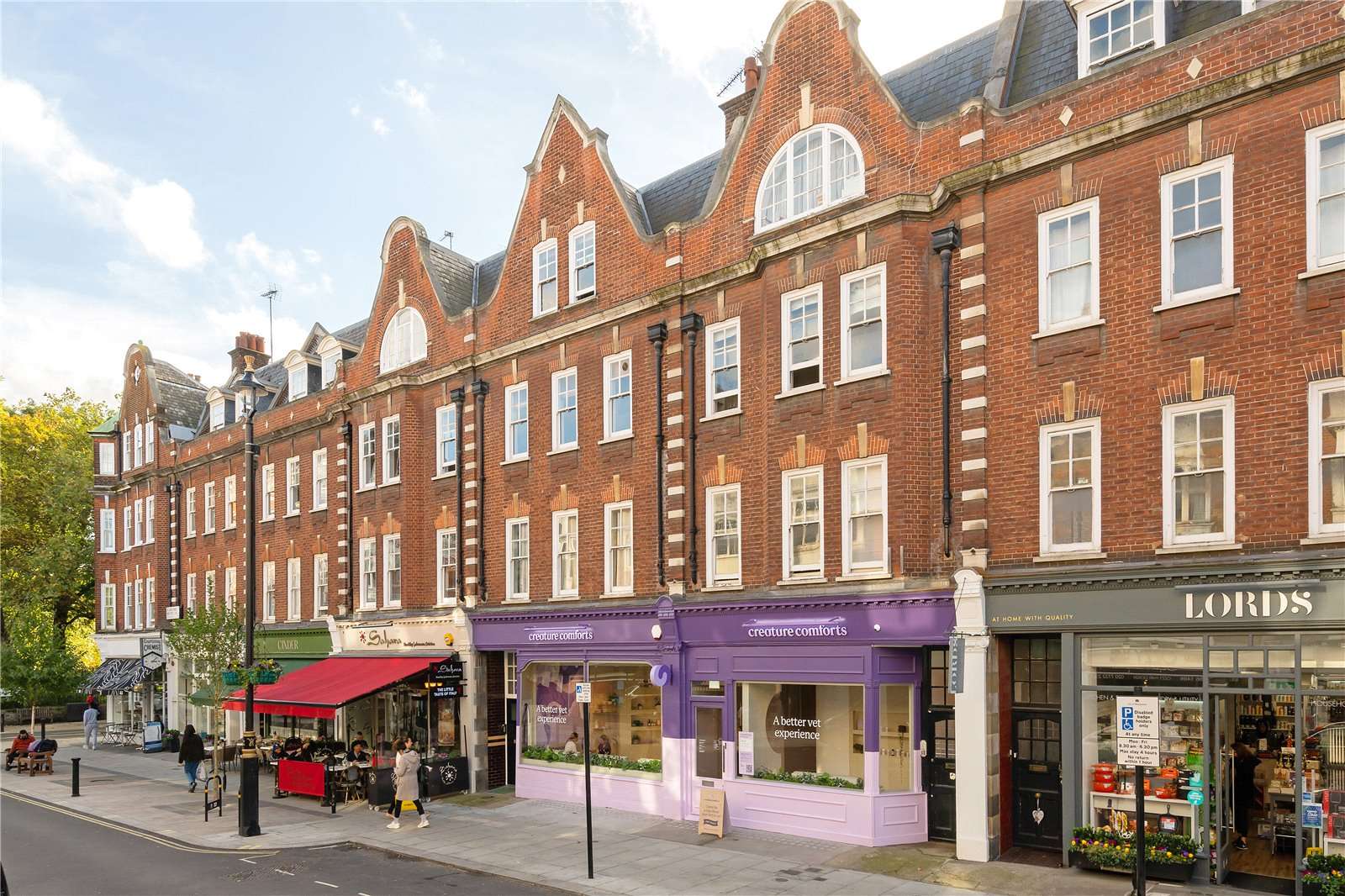
St. John's Wood High Street, St. John's Wood, London, NW8 7NG
POA
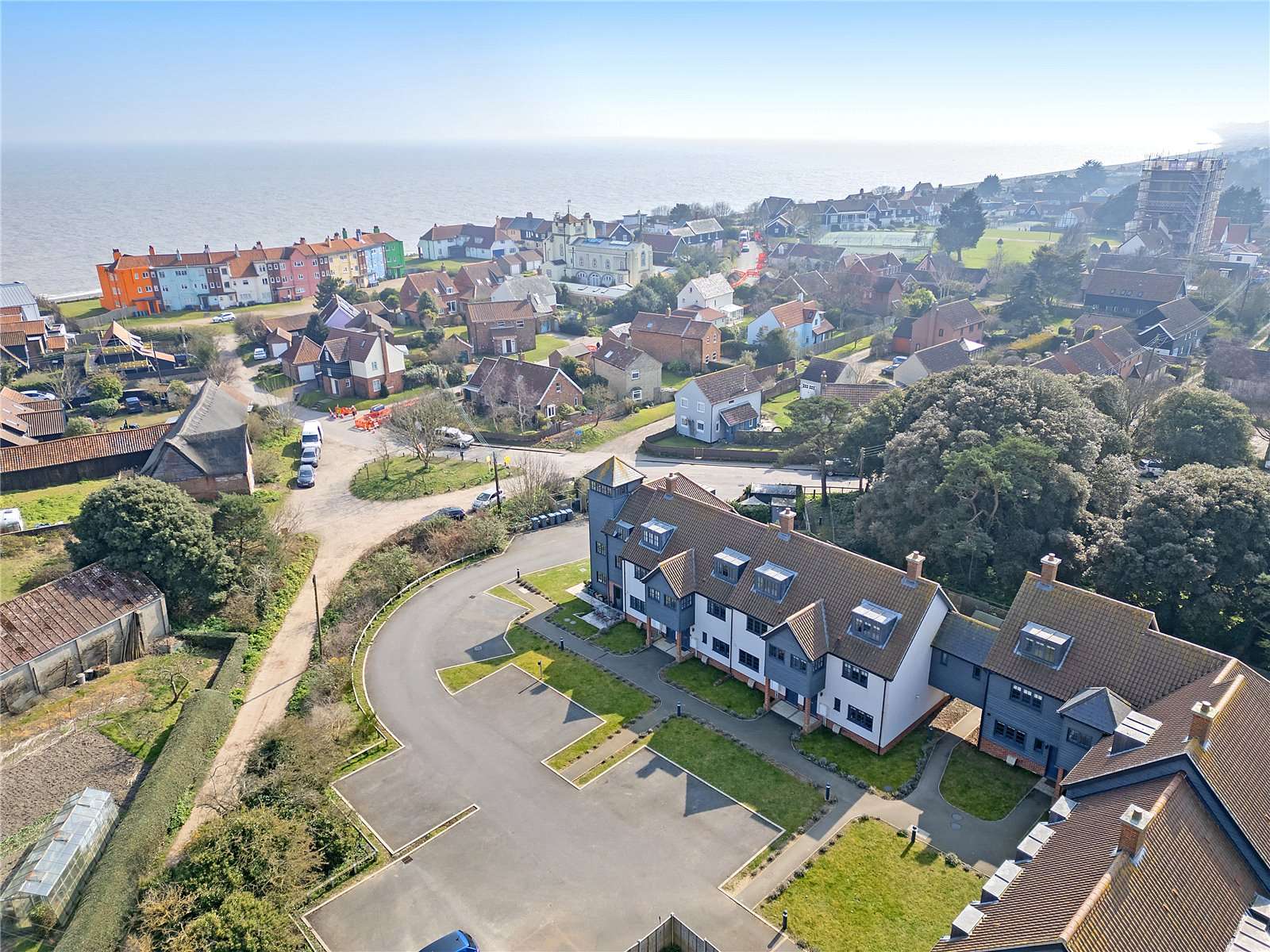
Oaks Court, Thorpeness, Leiston, Suffolk, IP16 4FF
POA
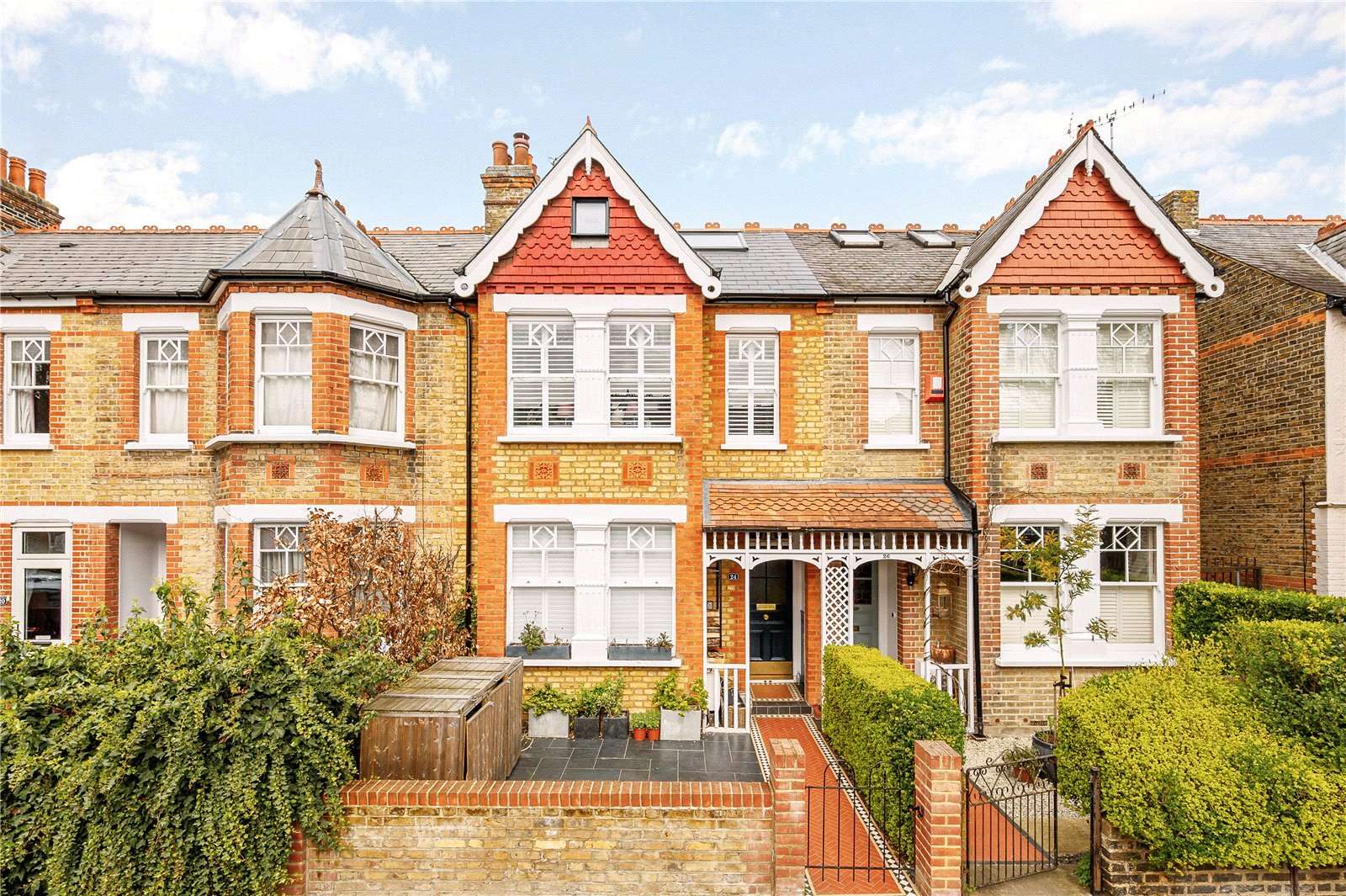
Windermere Road, London, W5 4TD
POA
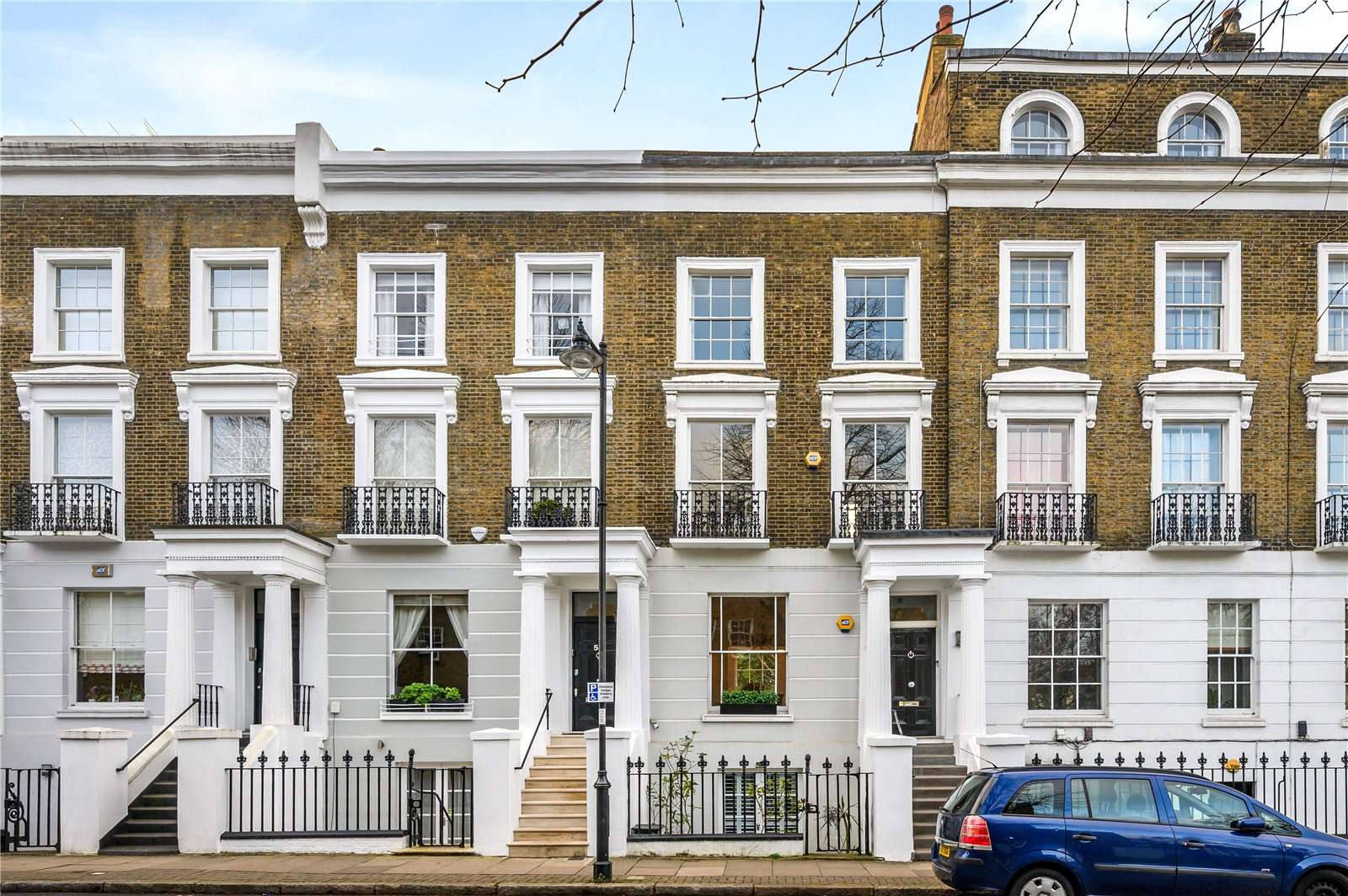
Compton Road, Islington, London, N1 2PB
POA
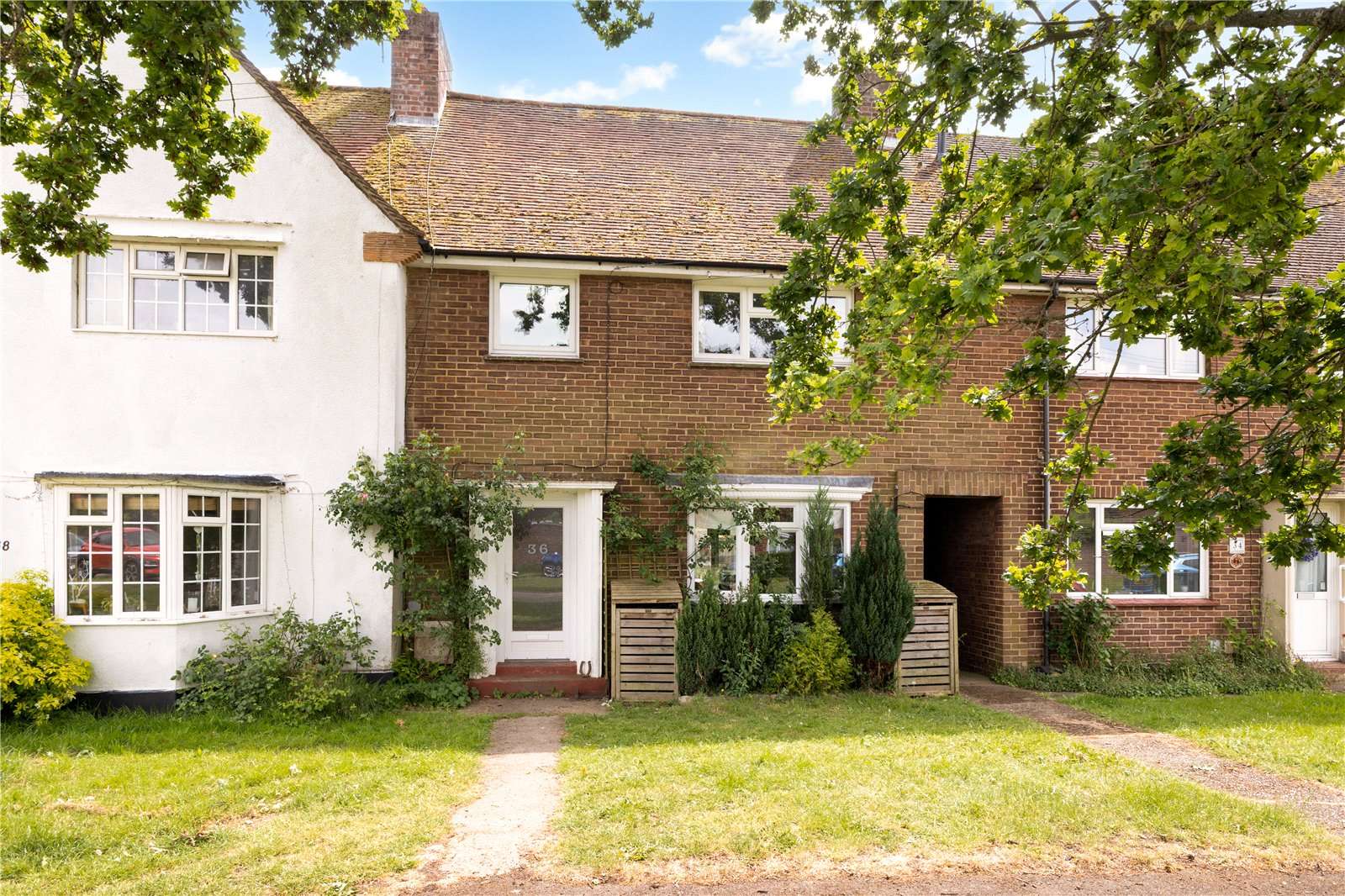
Dodds Park, Brockham, Betchworth, Surrey, RH3 7LD
POA
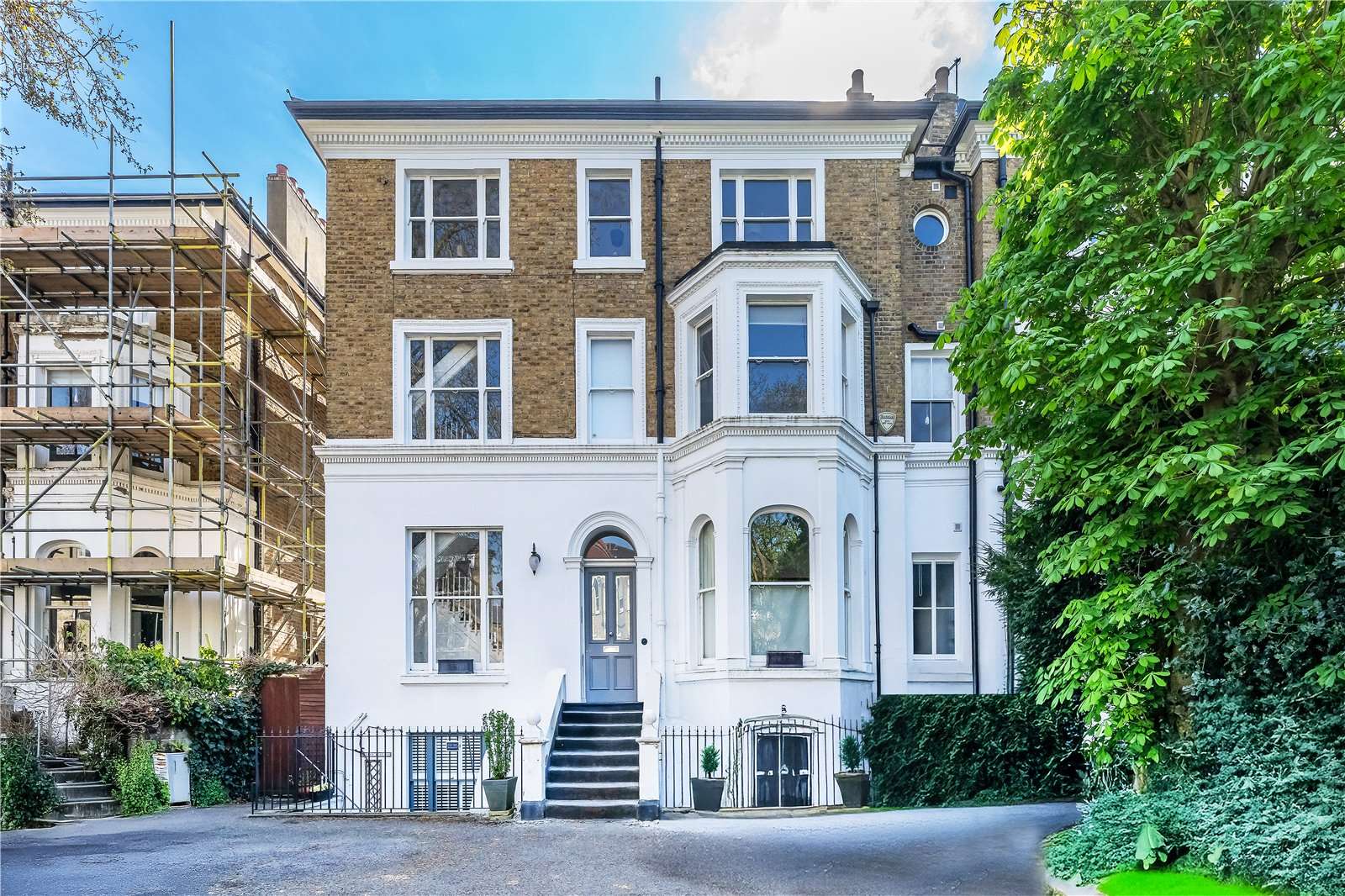
Richmond Road, Twickenham, TW1 2PD
POA
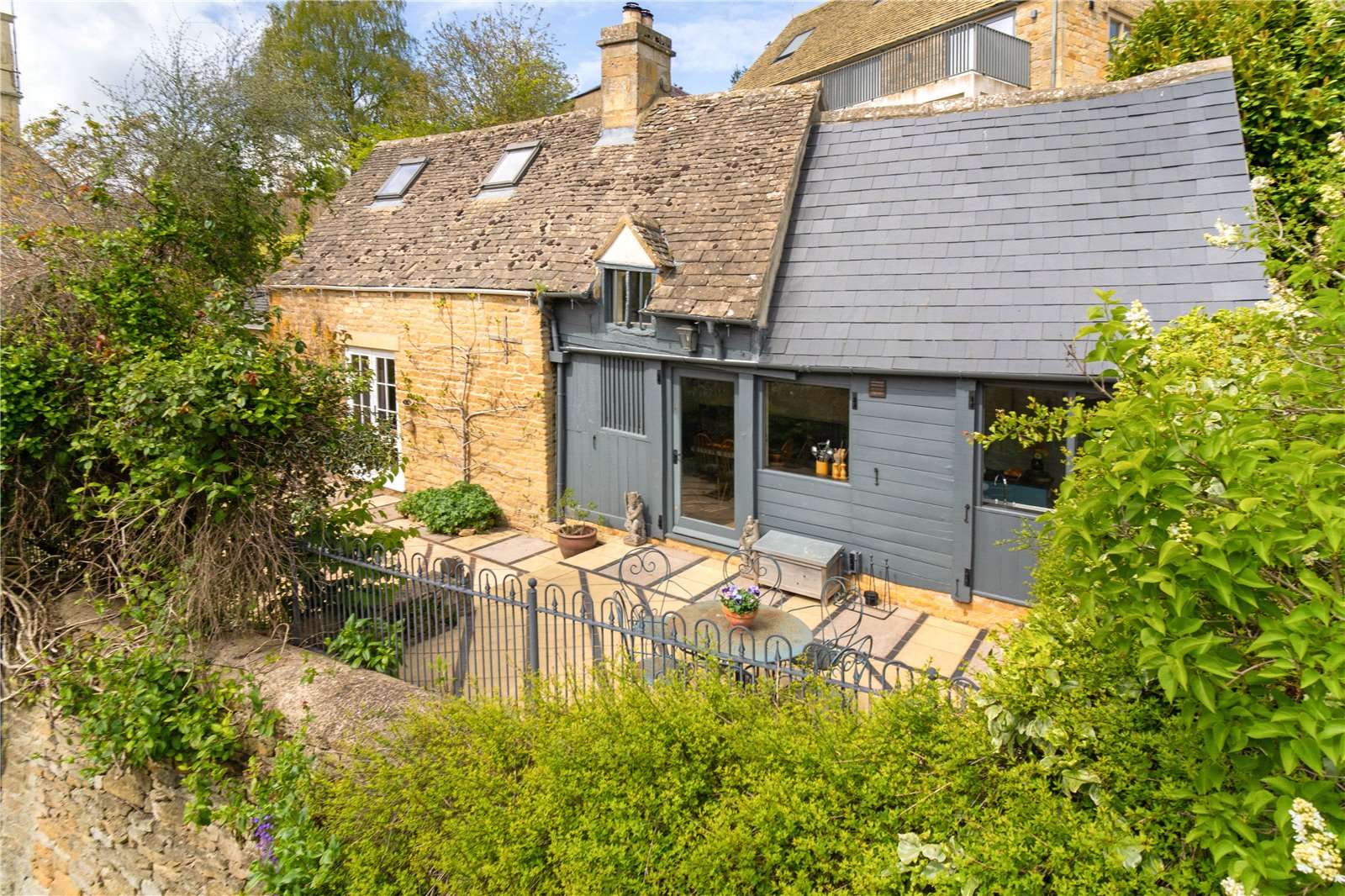
High Street, Blockley, Moreton-in-Marsh, Gloucestershire, GL56 9ET
POA
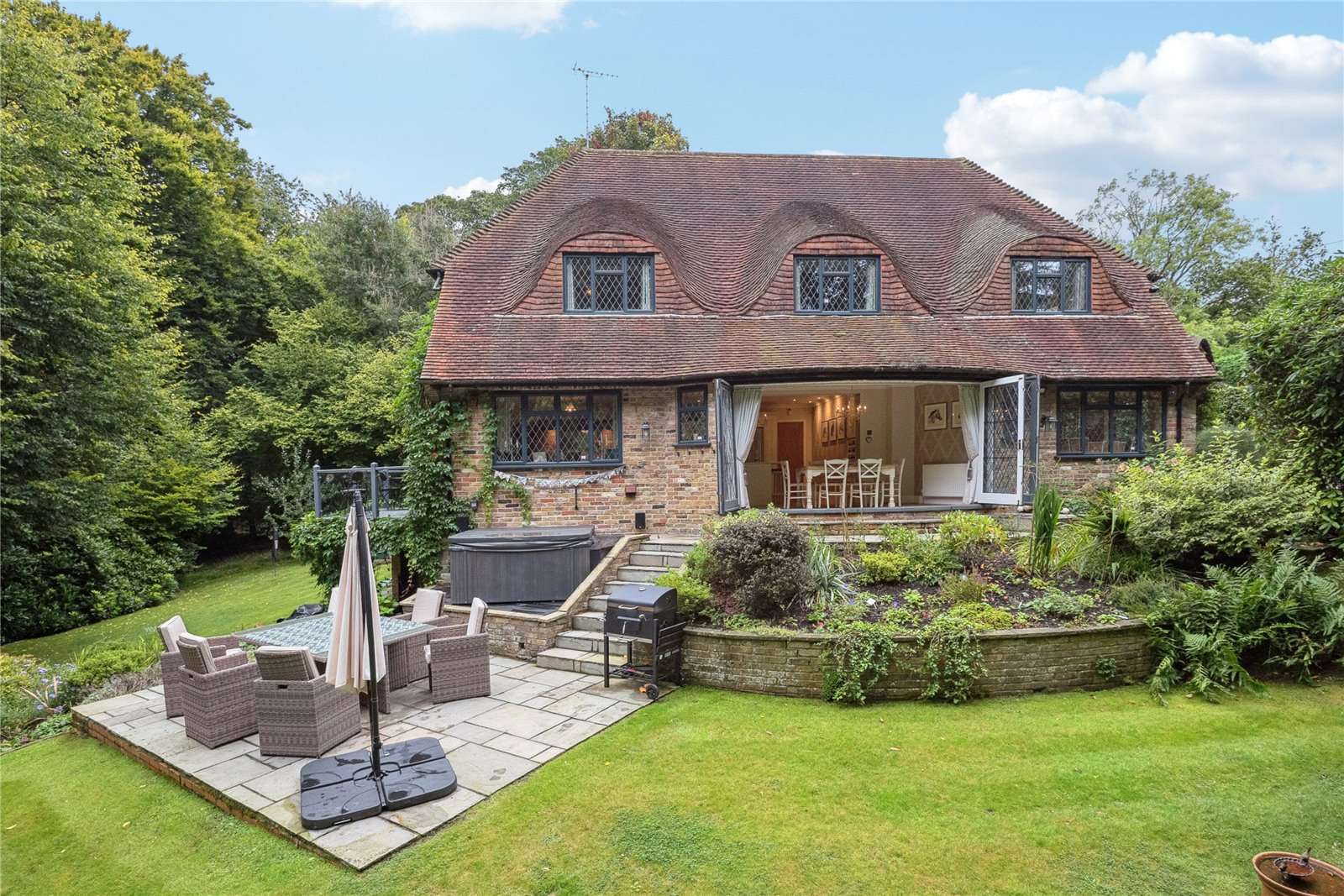
Whisperwood, Loudwater, Rickmansworth, Hertfordshire, WD3 4JU
POA
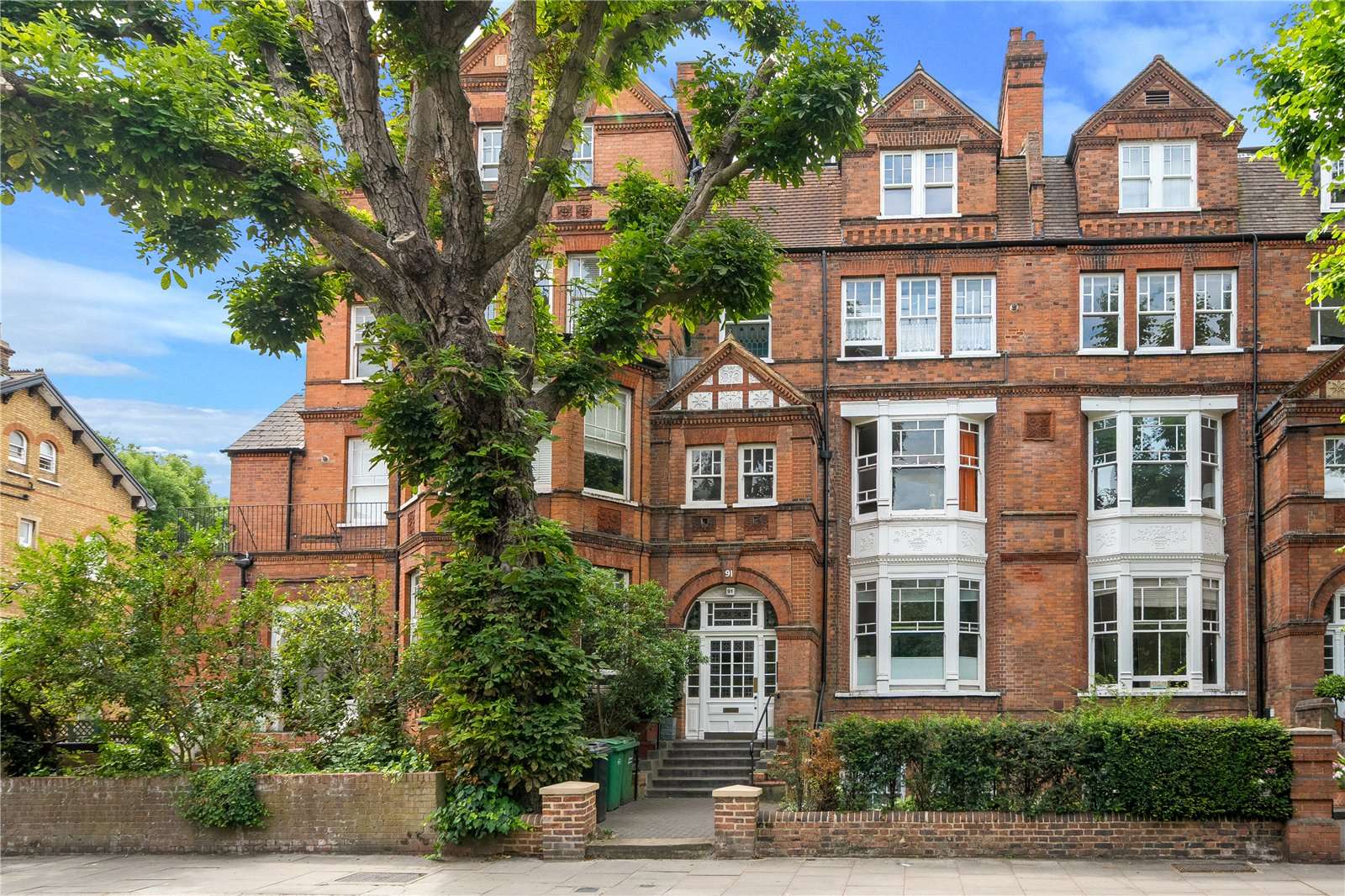
Fitzjohns Avenue, London, NW3 6NX
POA
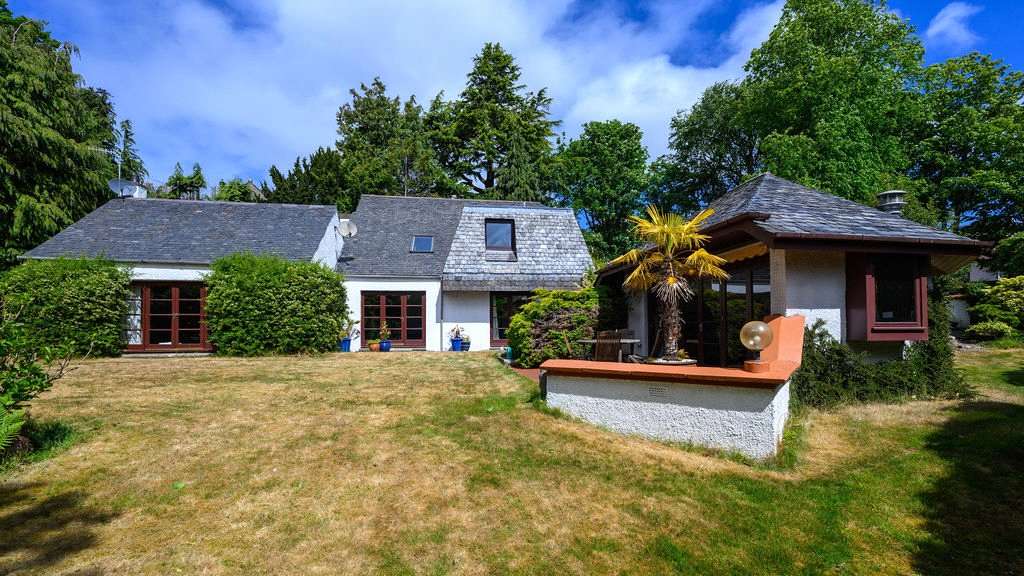
Dundarroch Gardens, Broughty Ferry, By Dundee, DD5 2TD
POA
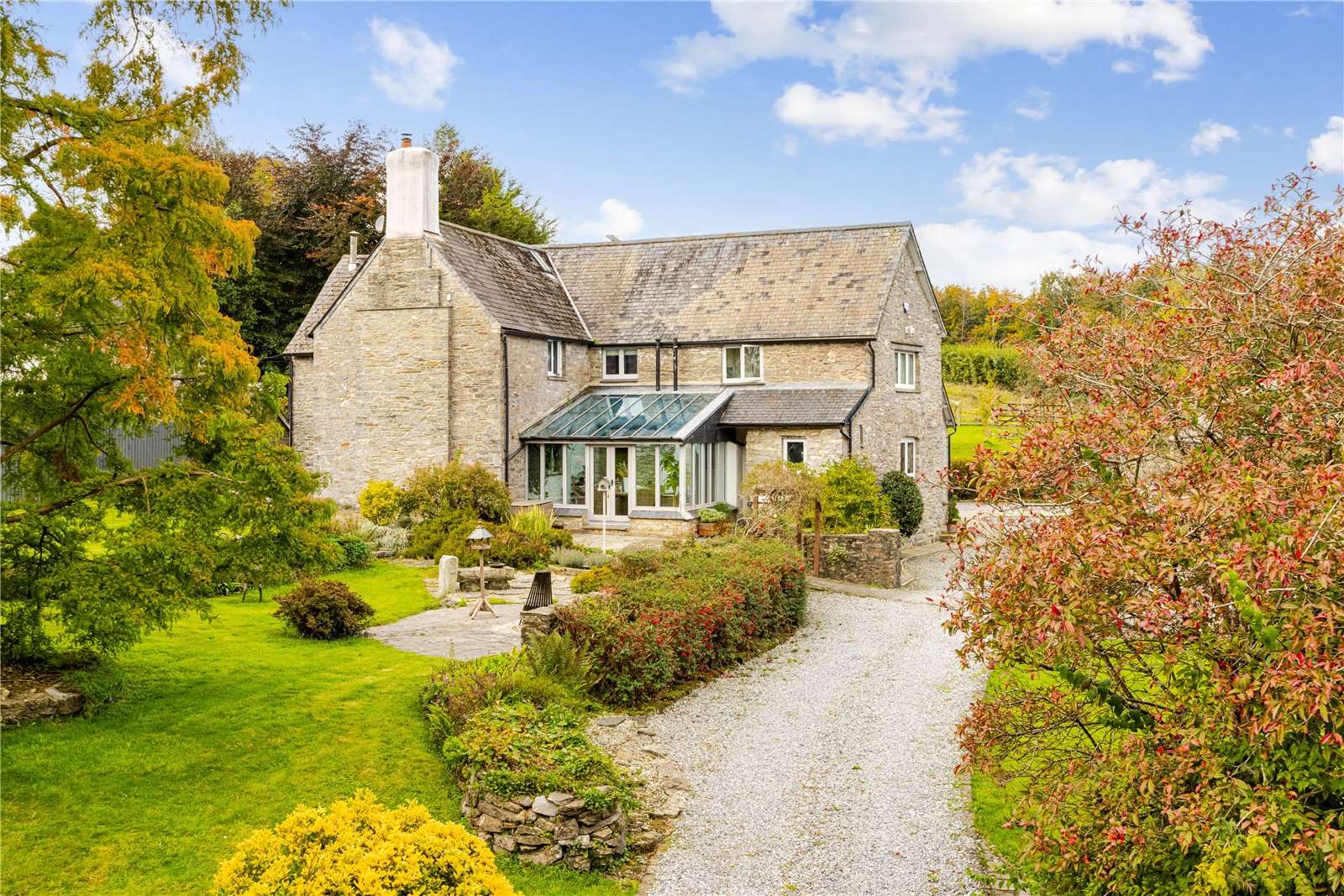
Dartington, Totnes, Devon, TQ9 6DP
POA
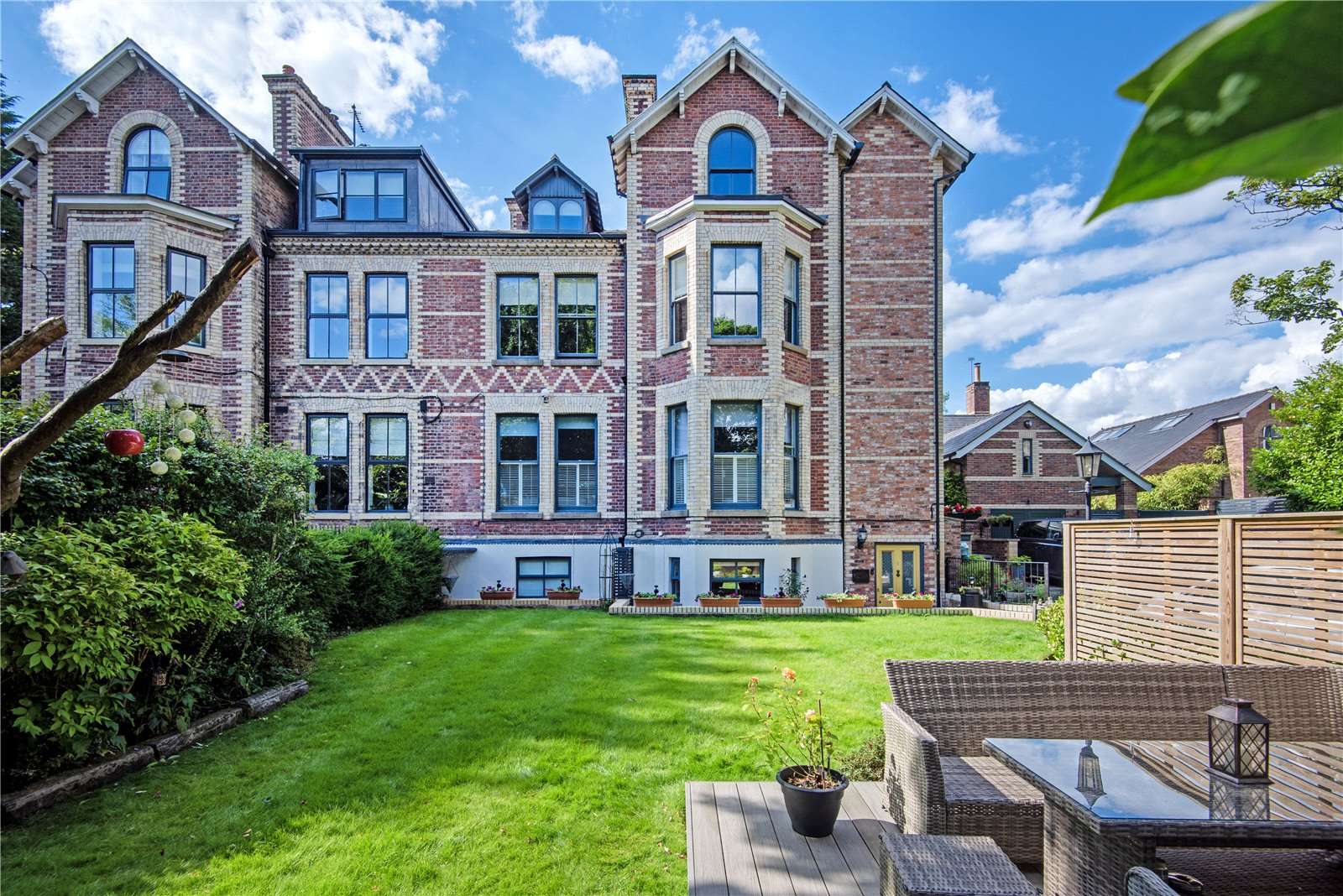
Daveylands, Wilmslow, Cheshire, SK9 2AG
POA
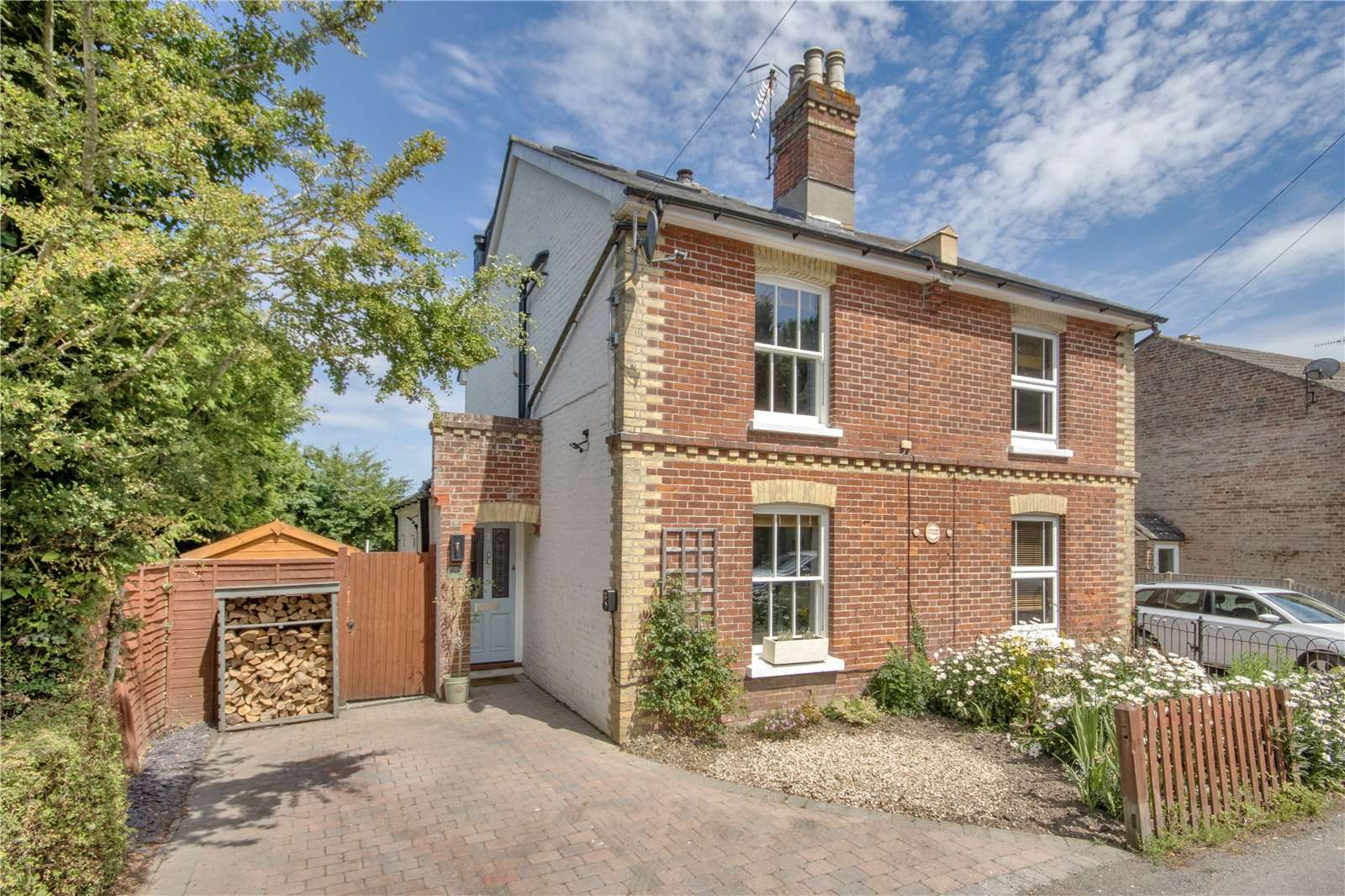
Barden Road, Speldhurst, Tunbridge Wells, Kent, TN3 0PX
POA
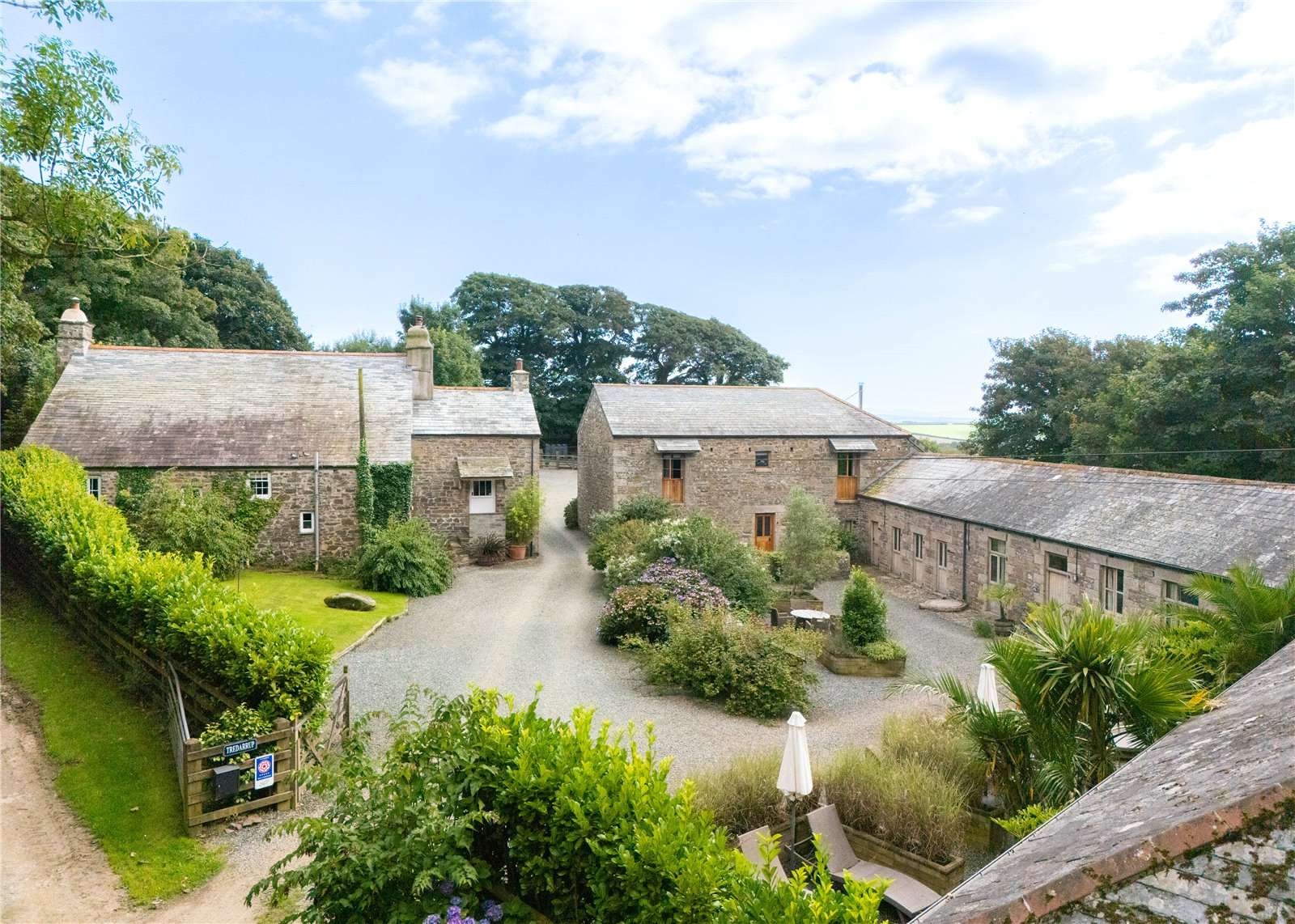
Treveighan, St. Teath, Bodmin, Cornwall, PL30 3JN
POA
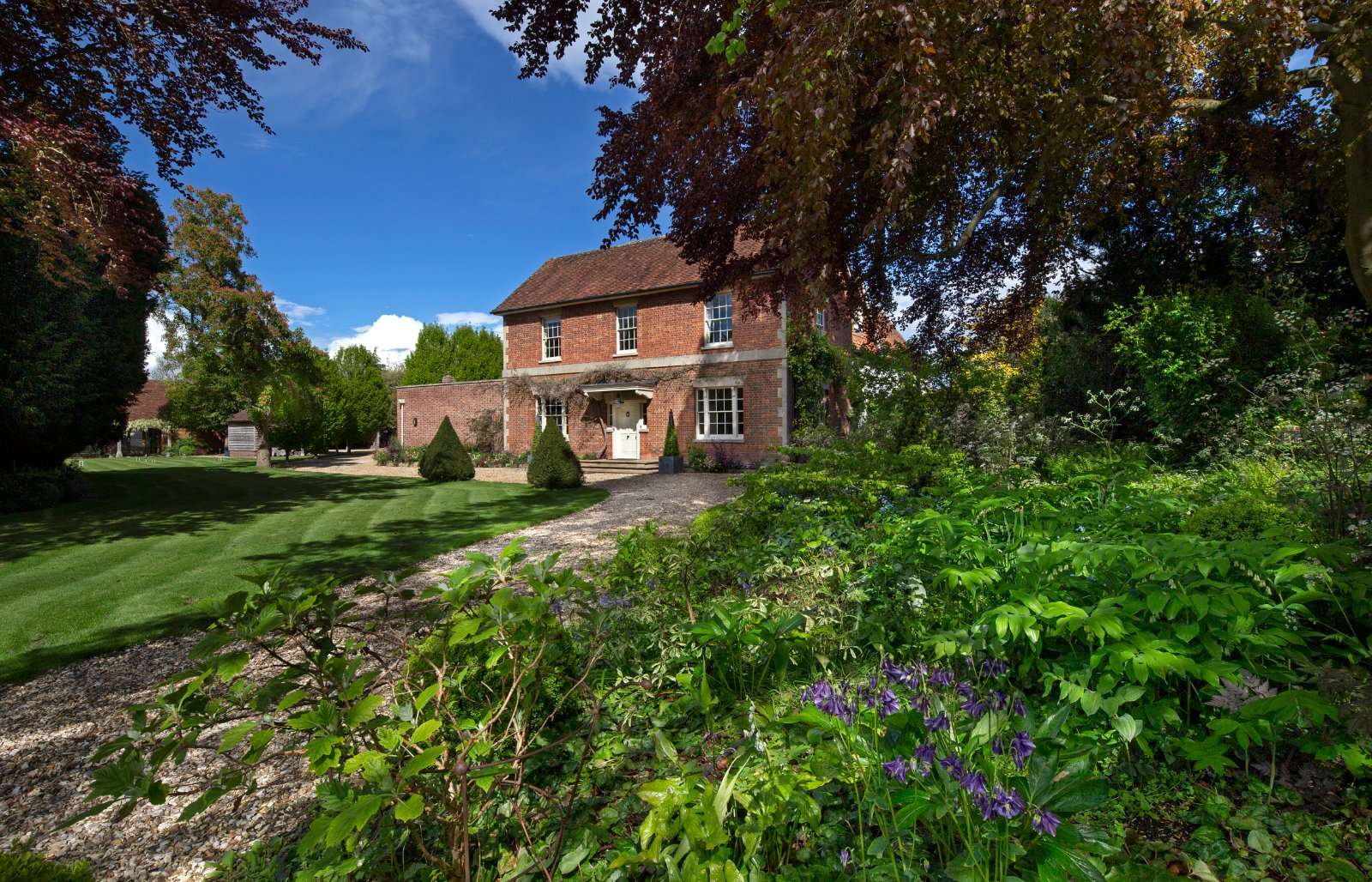
Wellshead, Harwell, Didcot, Oxfordshire, OX11 0HD
POA
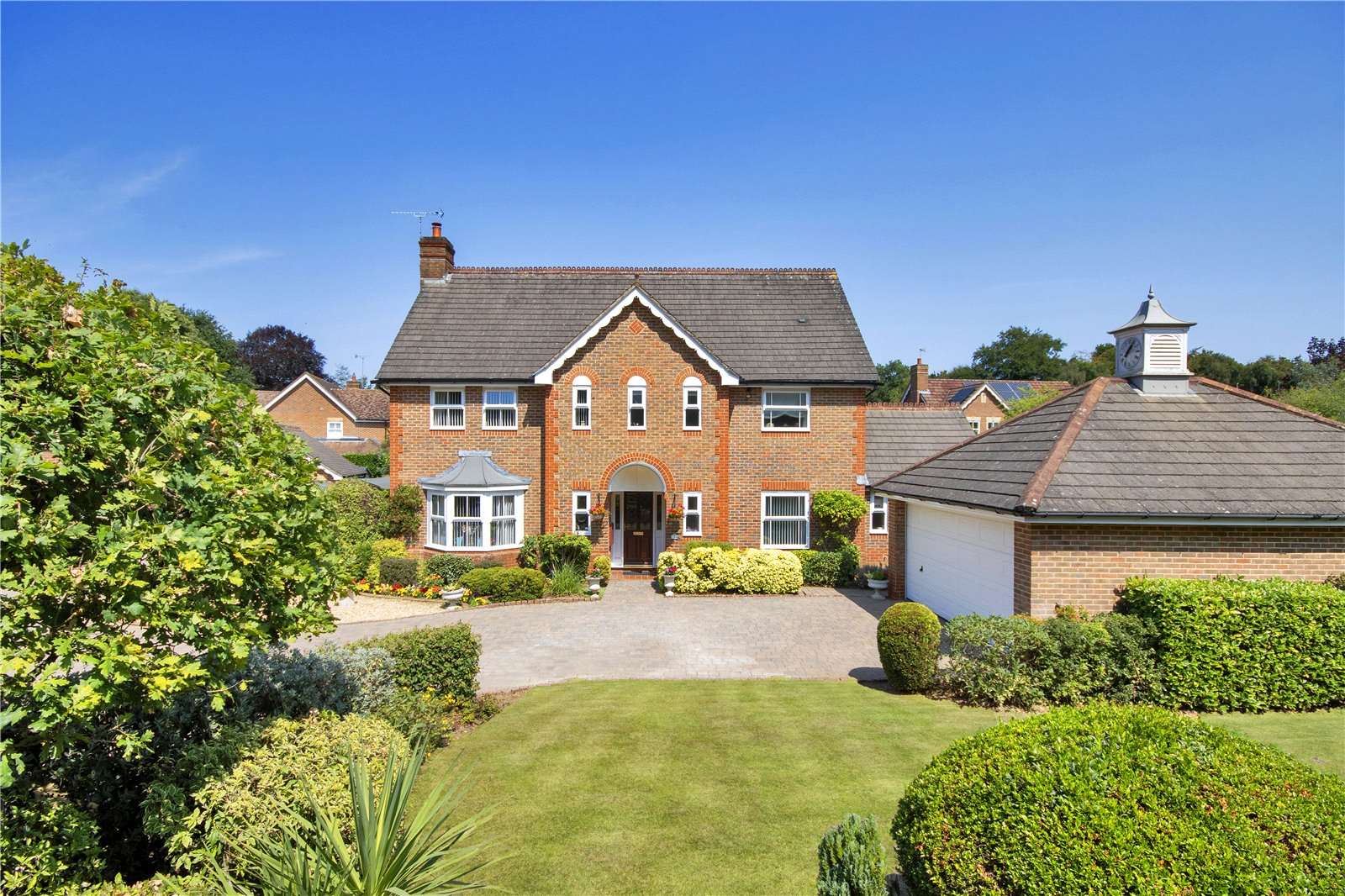
Nutfields, Ightham, Sevenoaks, Kent, TN15 9EA
POA
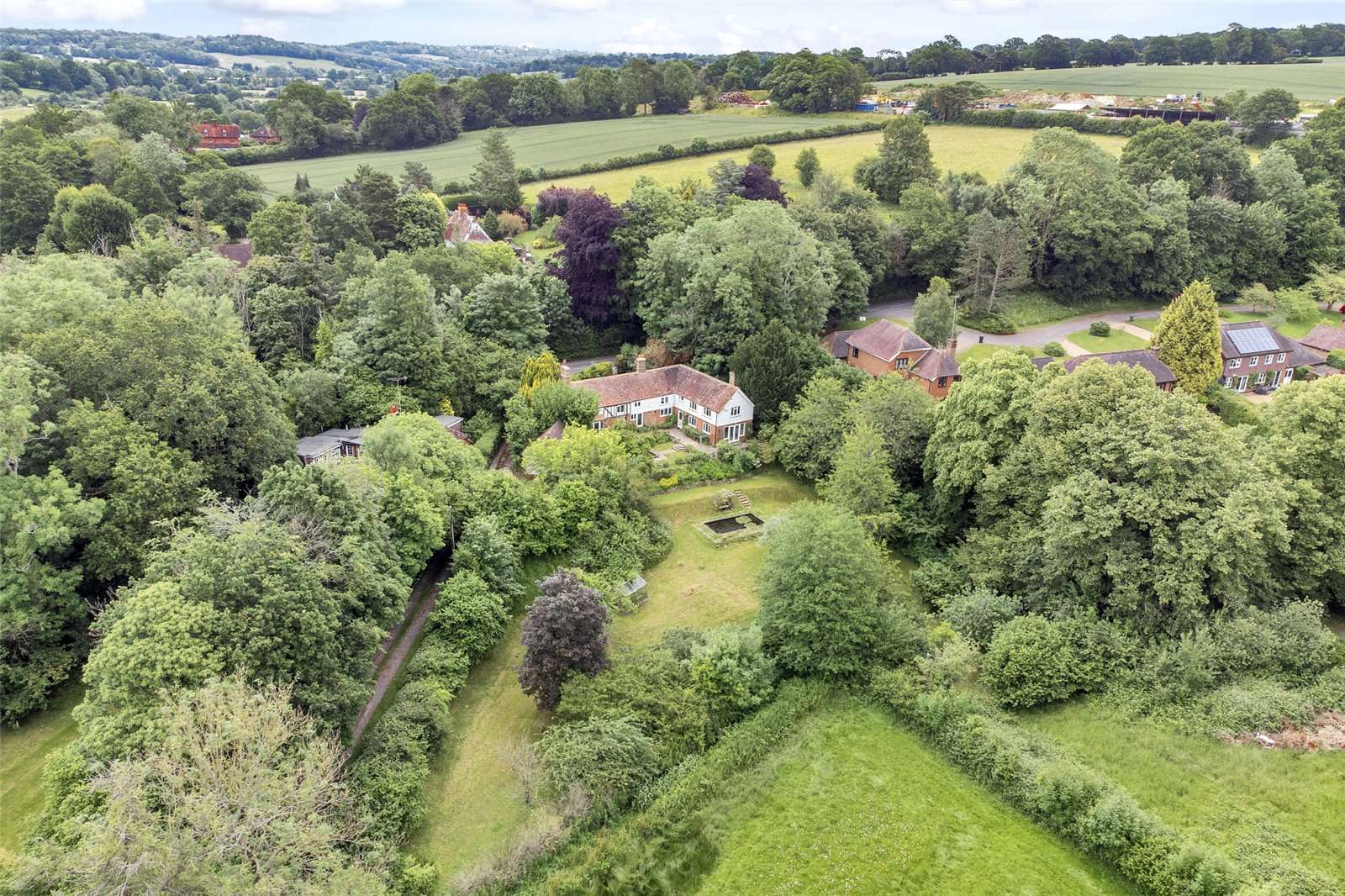
Spring Hill, Fordcombe, Tunbridge Wells, Kent, TN3 0SB
POA
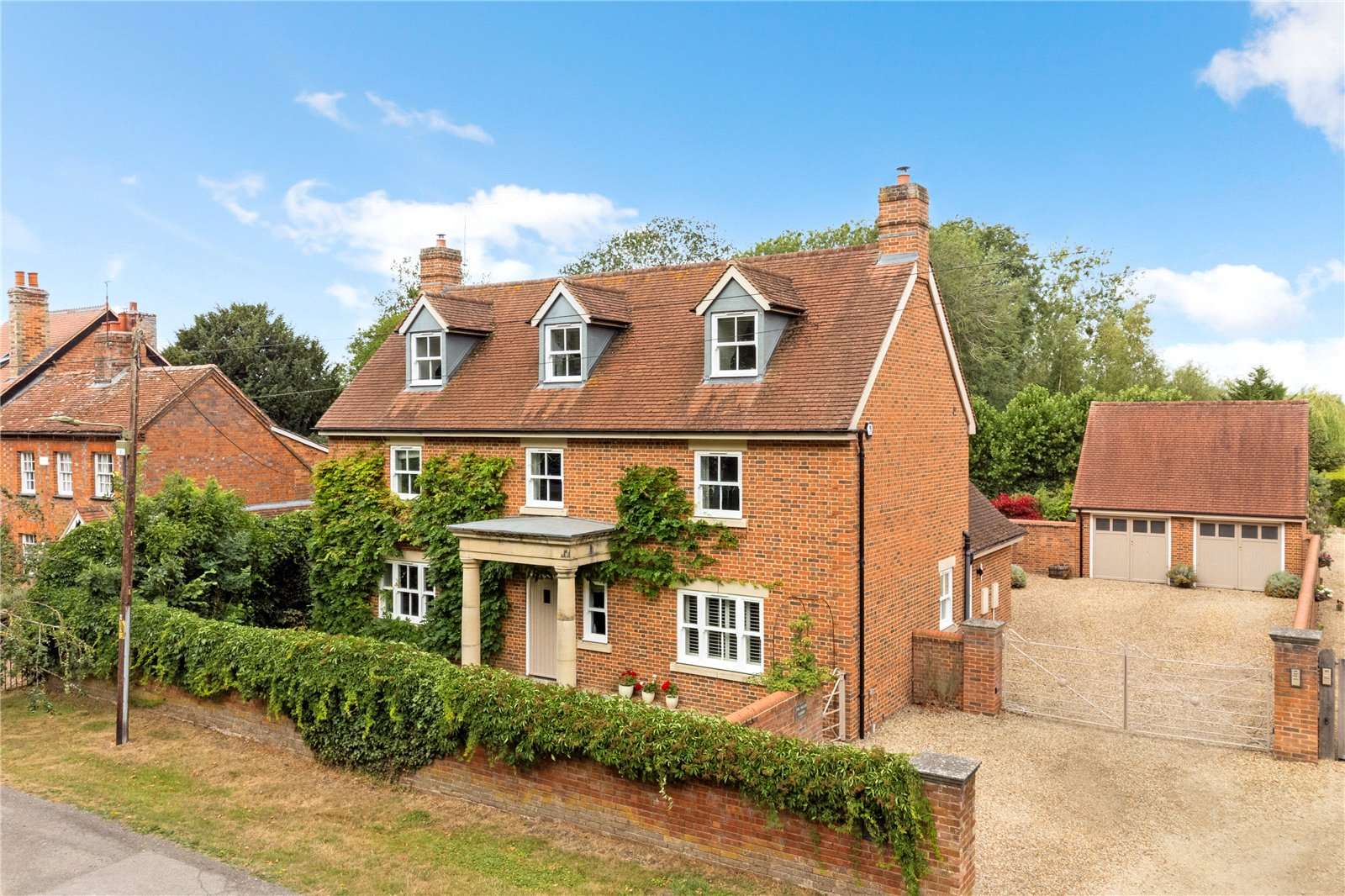
The Green, Steventon, Abingdon, Oxfordshire, OX13 6RR
POA
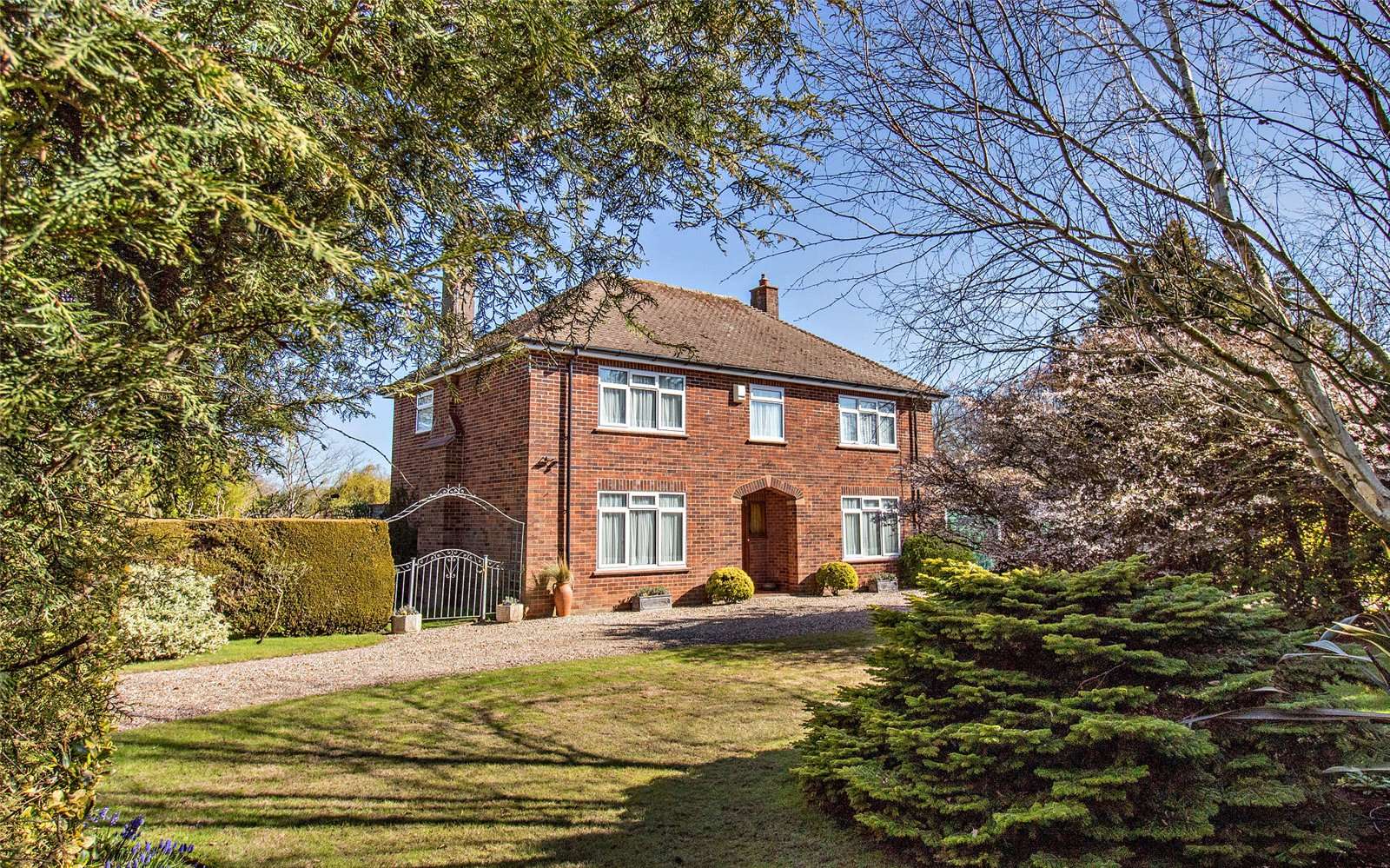
Yarmouth Road, Stalham, Norwich, Norfolk, NR12 9PQ
POA
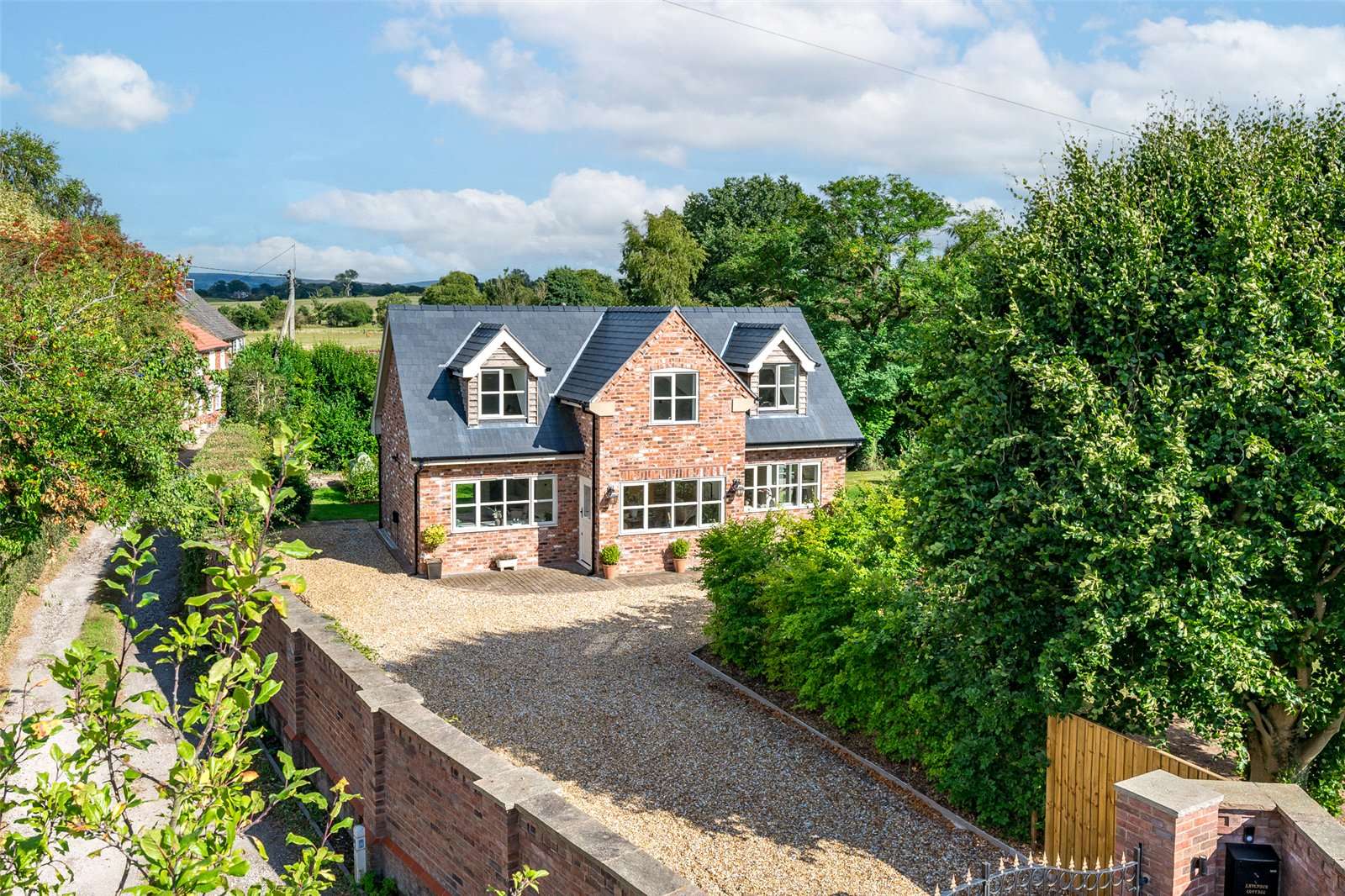
Wornish Nook, Somerford Booths, Cheshire, CW12 2JP
POA
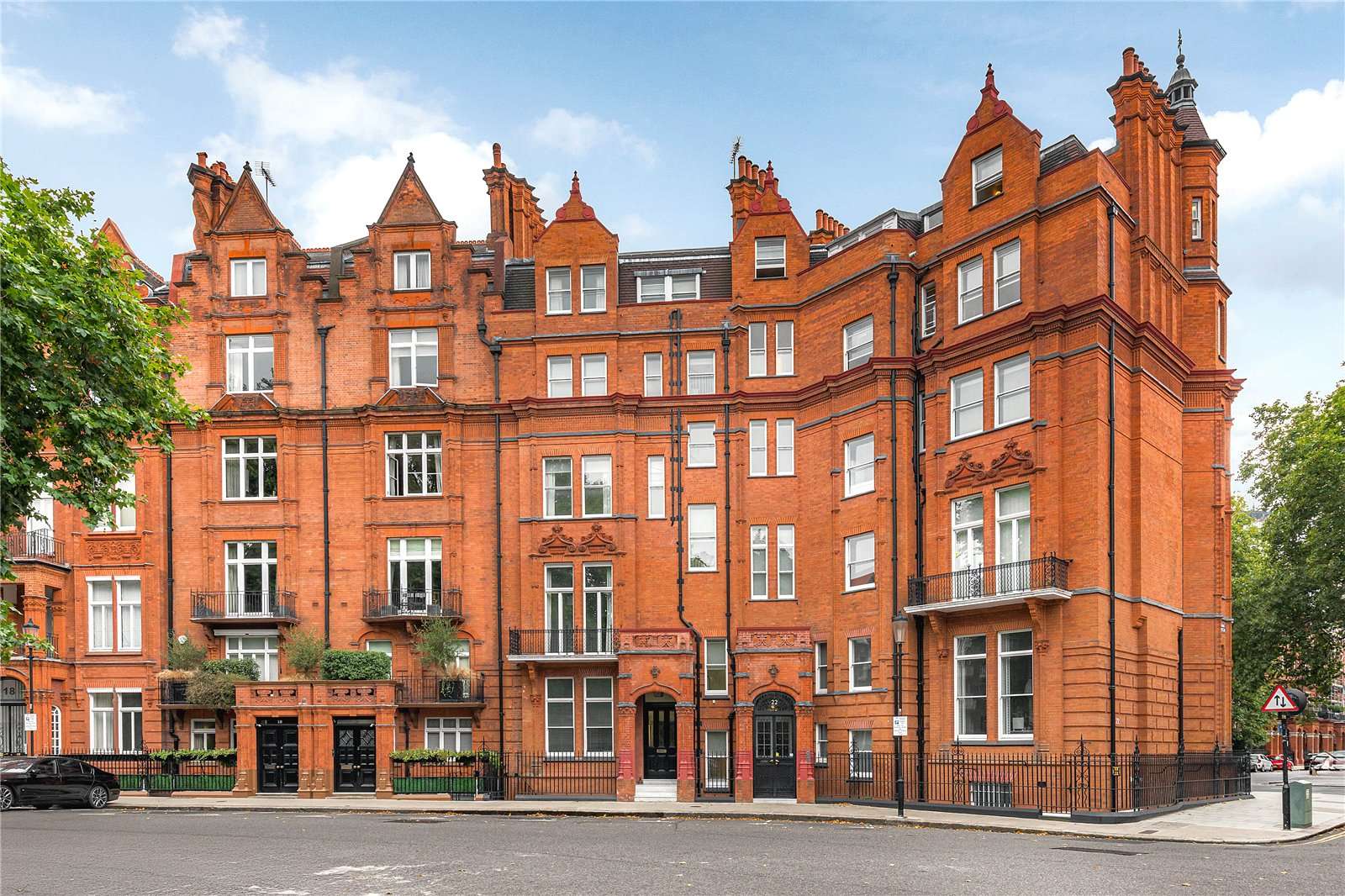
Hans Place, London, SW1X 0EP
POA
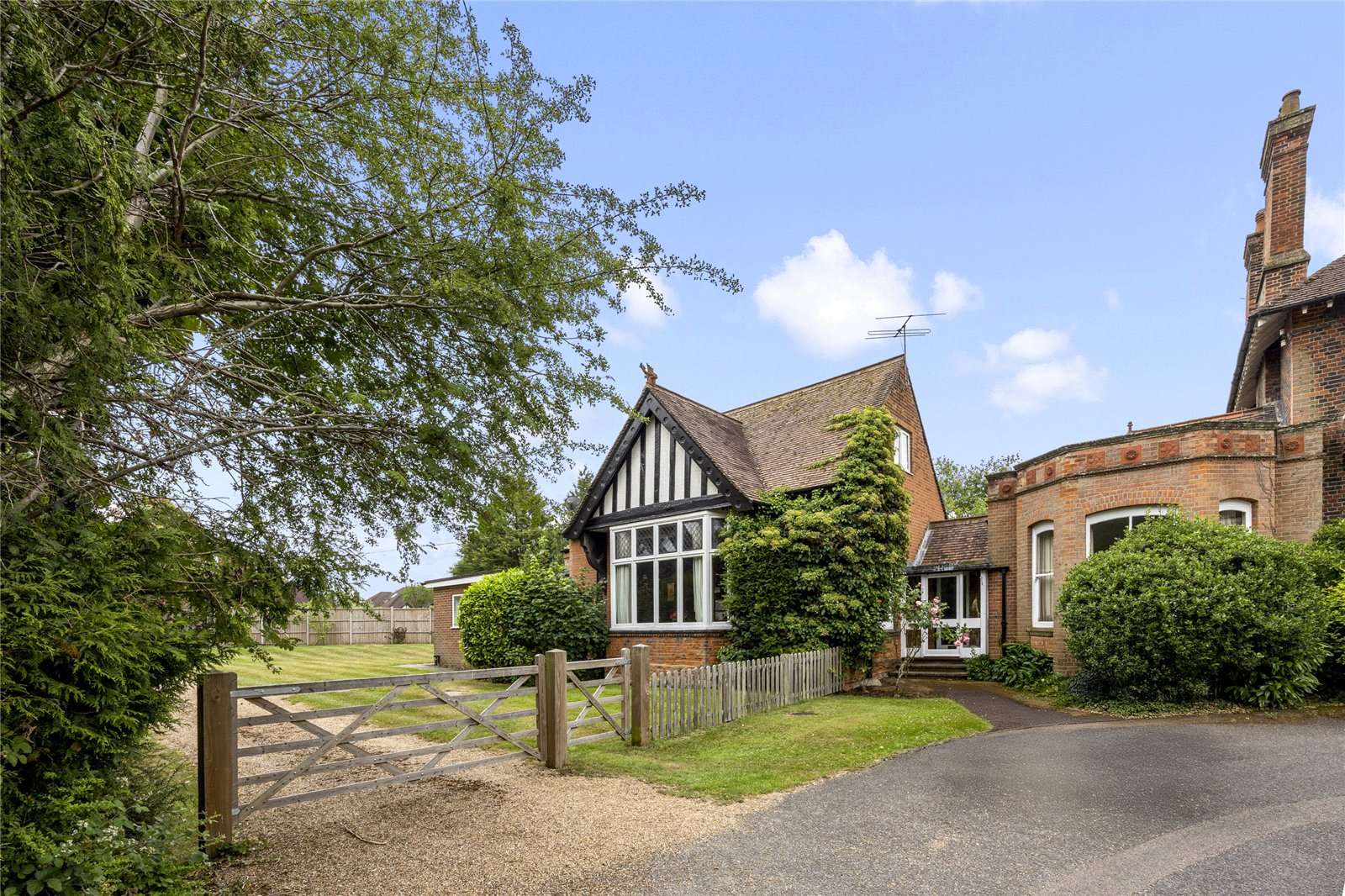
Oaklands, Oaks Road, Wray Common, Reigate, RH2 0LE
POA
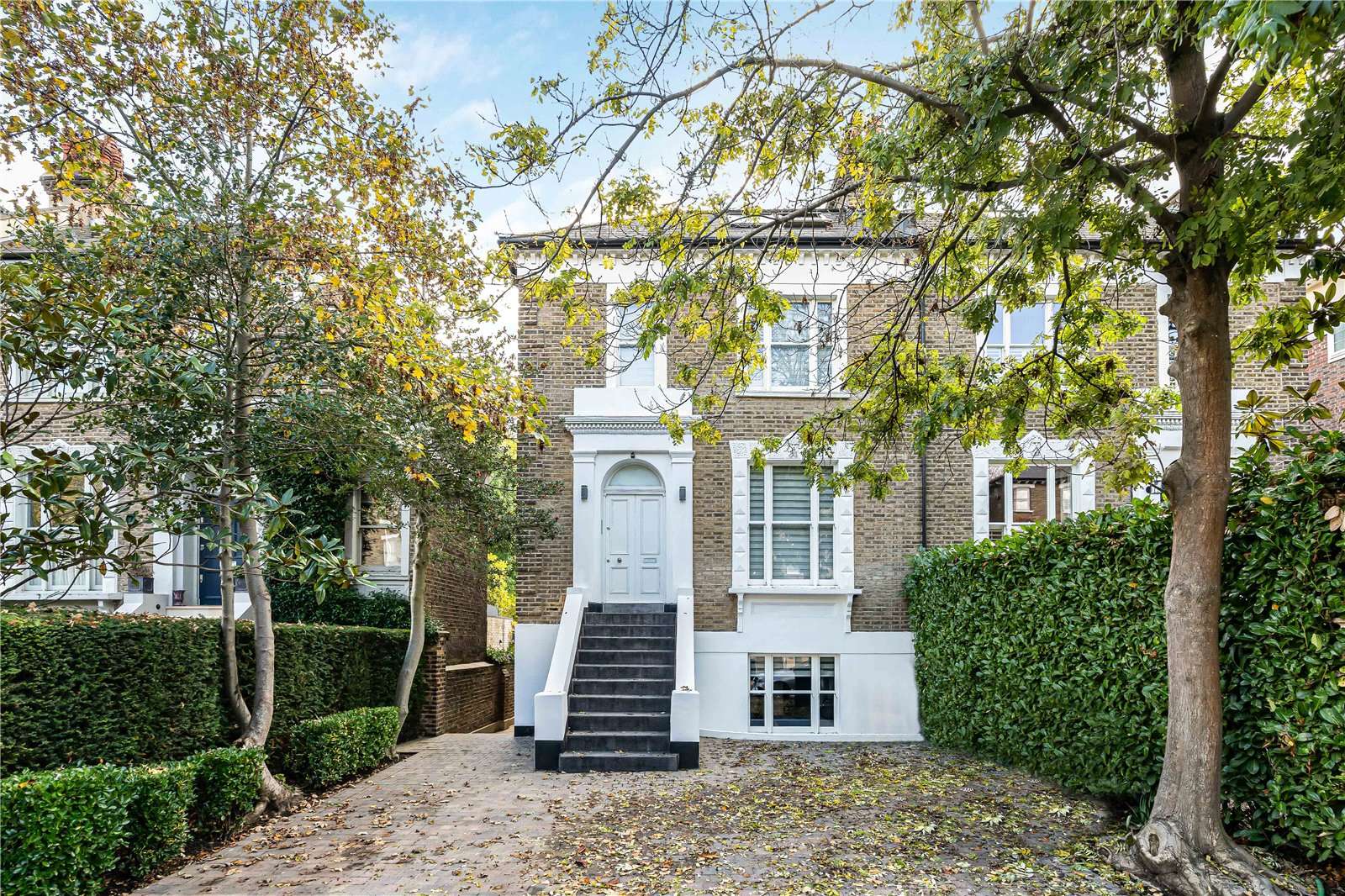
The Grove, London, W5 3SH
POA

Rouse Lane, Oxhill, Warwick, South Warwickshire, CV35 0NZ
POA
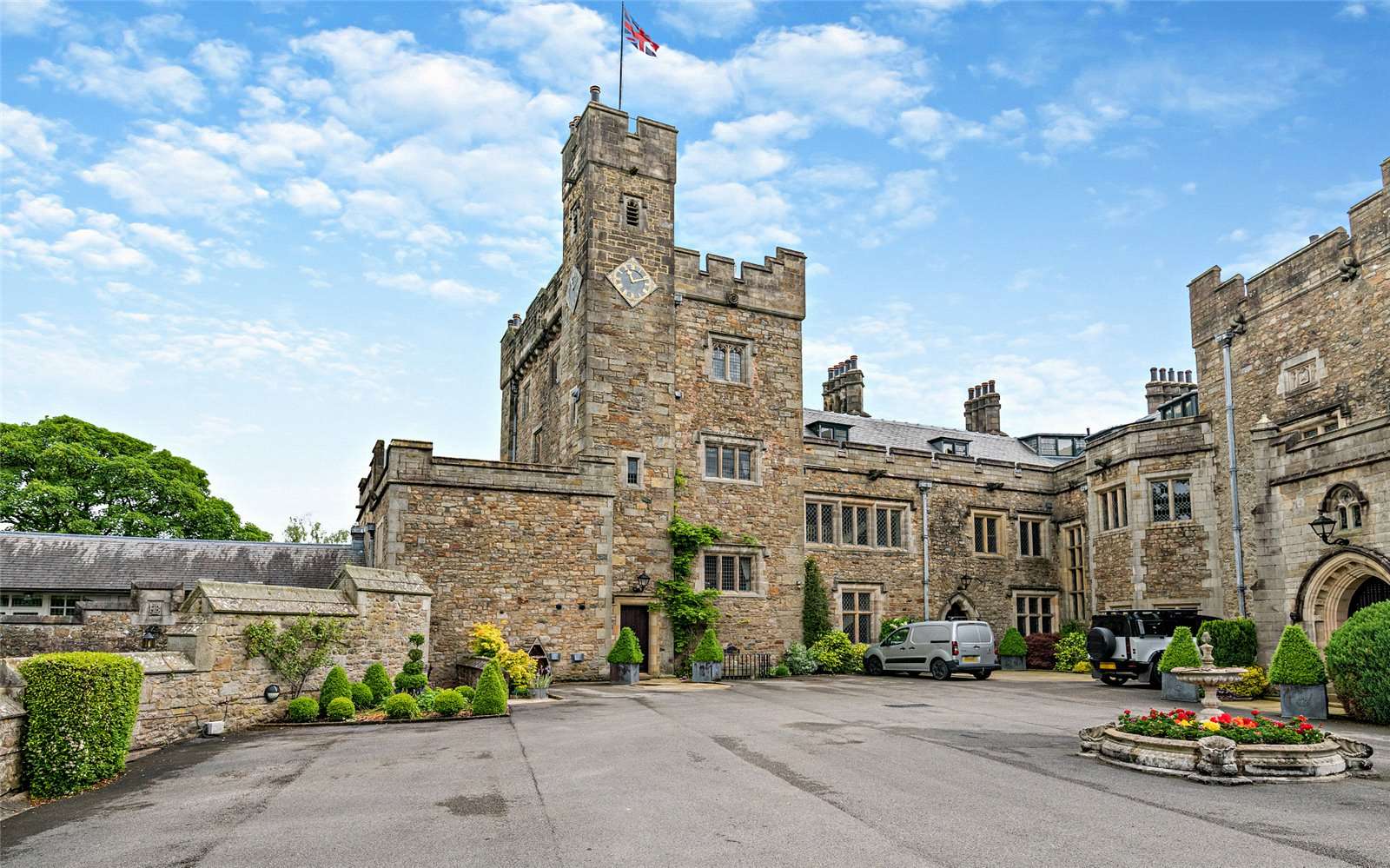
Tunstall Road, Tunstall, Carnforth, Lancashire, LA6 2QR
POA
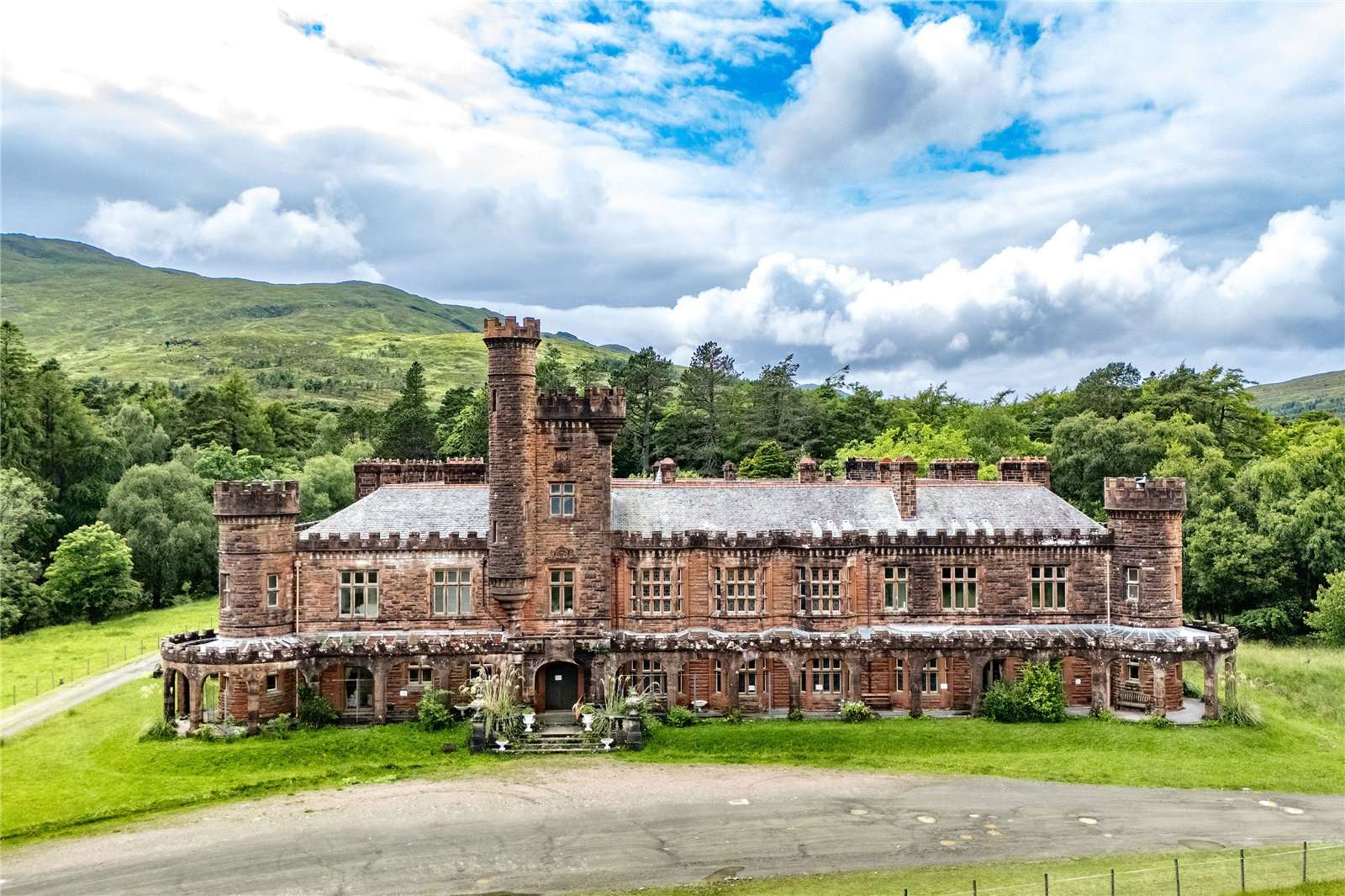
Kinloch Castle, Isle of Rum, PH43 4RR
POA
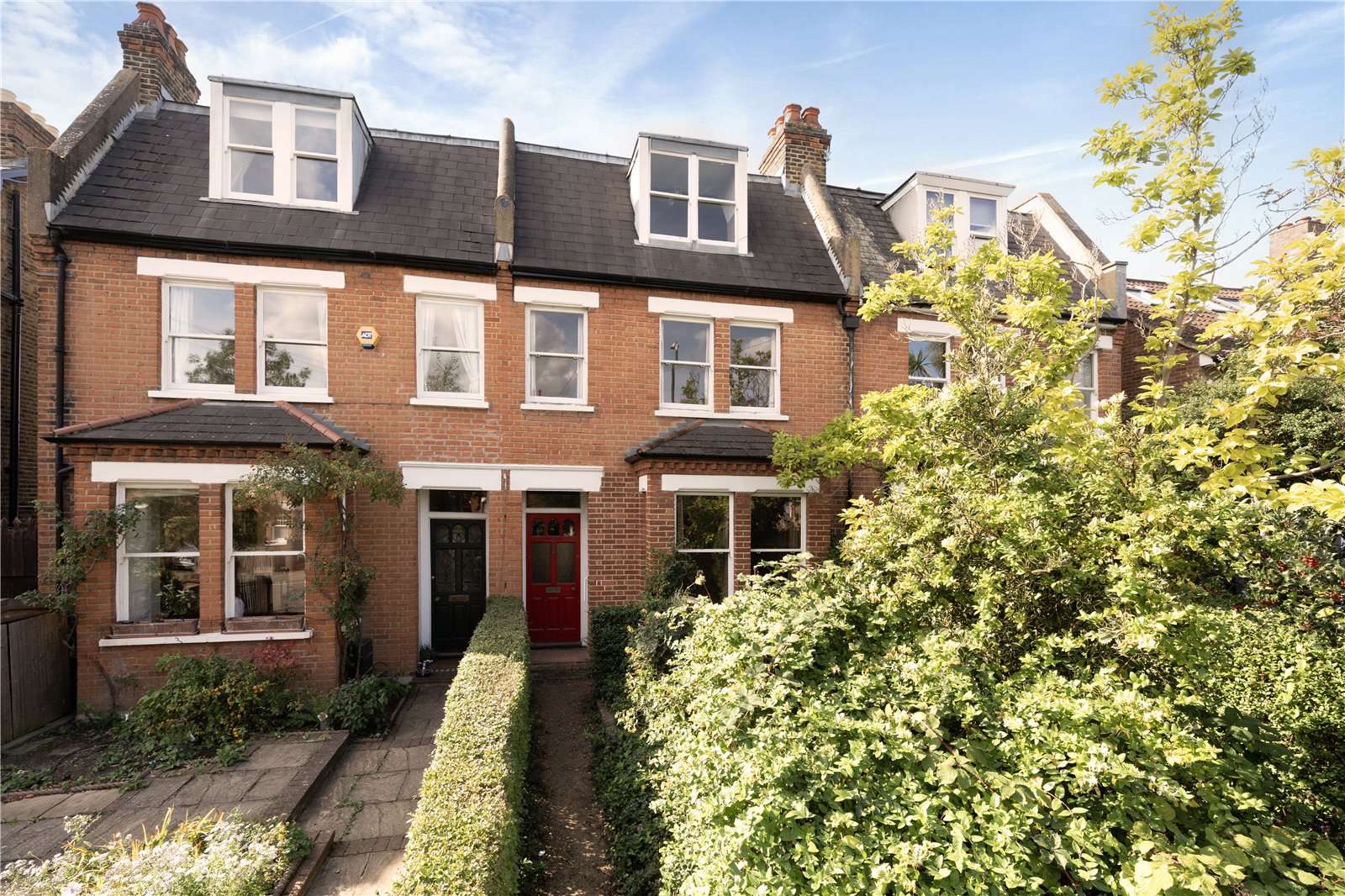
Lambton Road, Wimbledon, London, SW20 0LW
POA
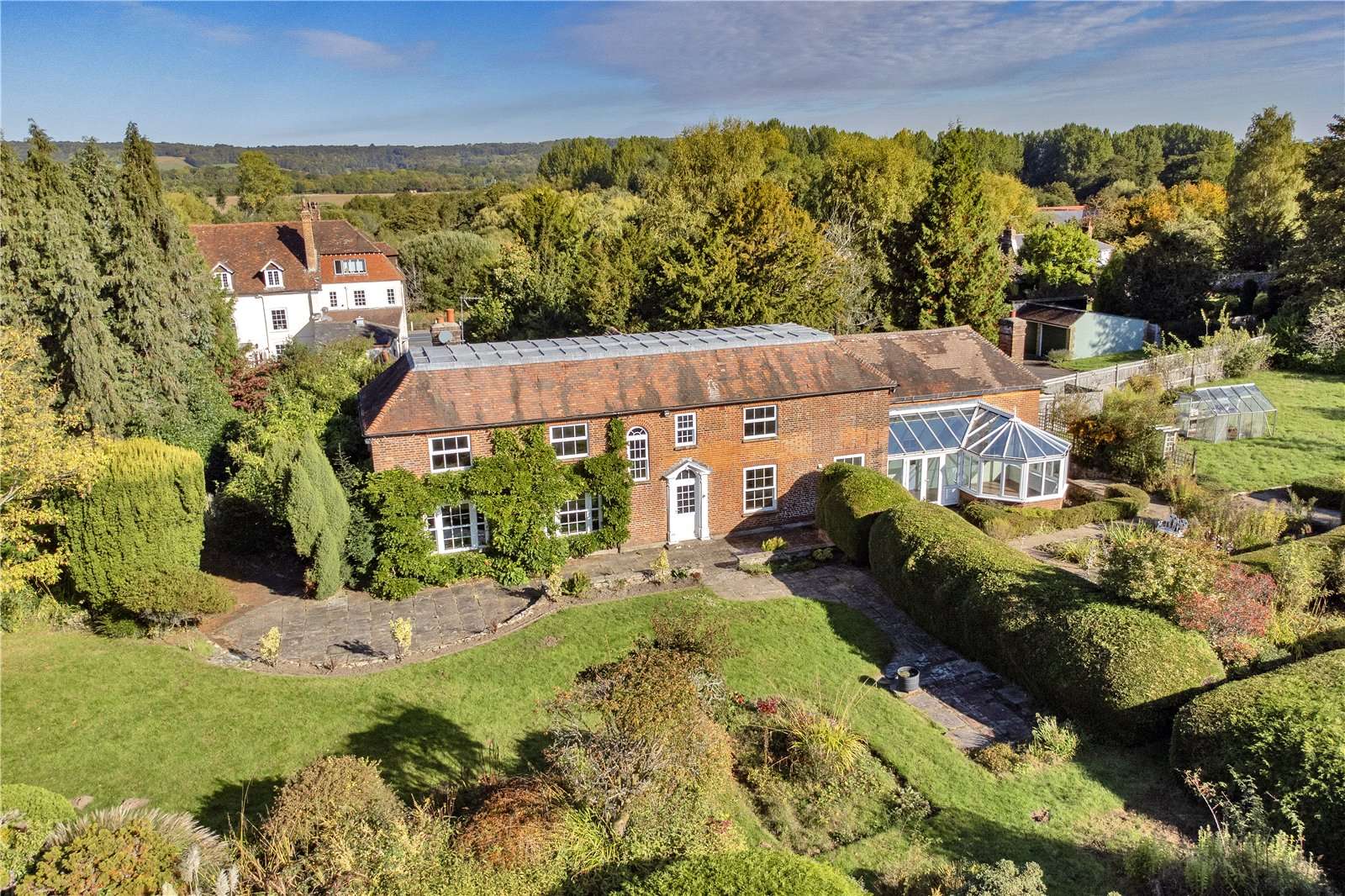
Main Road, Sundridge, Sevenoaks, TN14 6EQ
POA
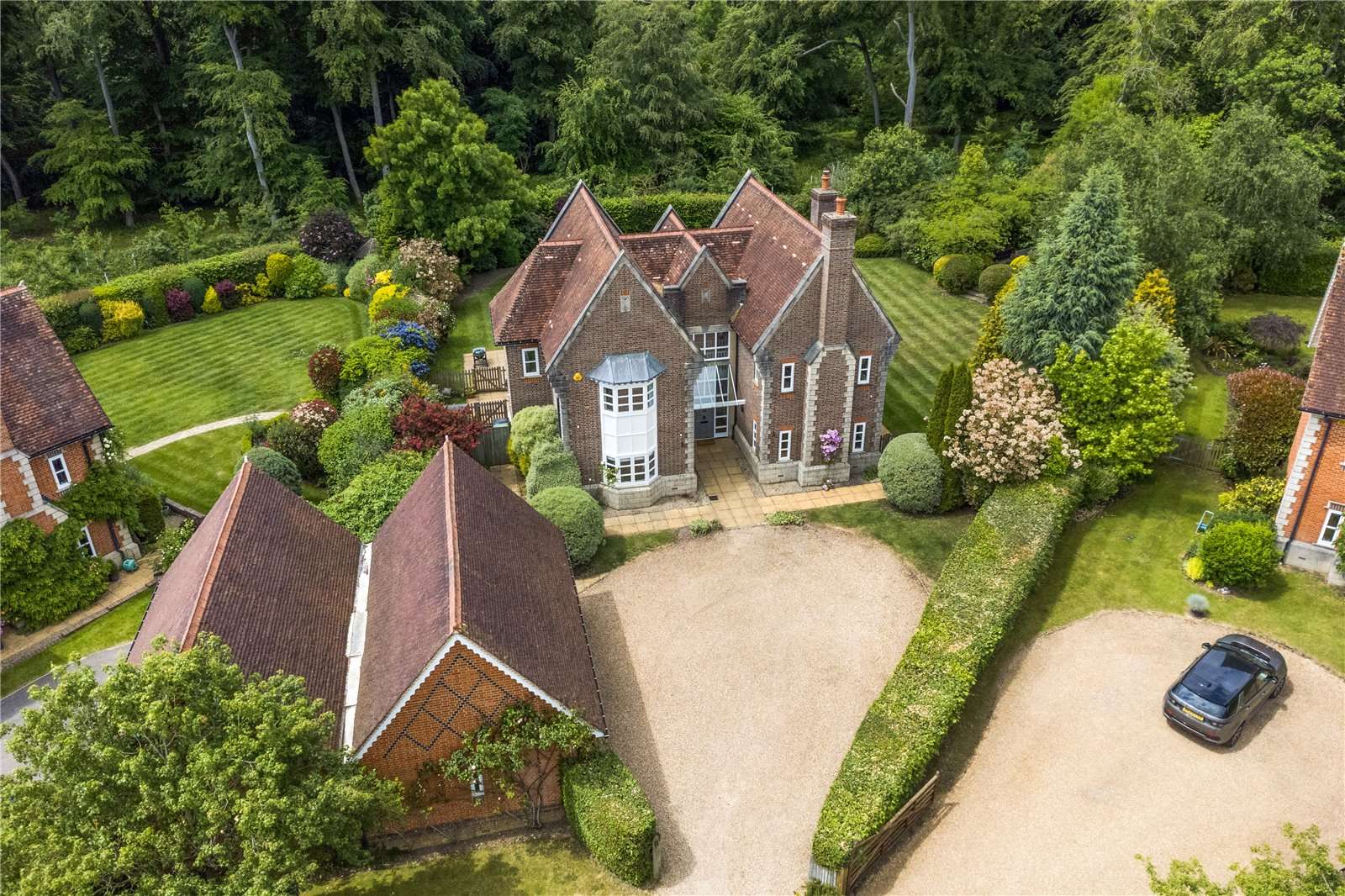
Ashdown Way, Kingwood, Henley-on-Thames, Oxfordshire, RG9 5WD
POA
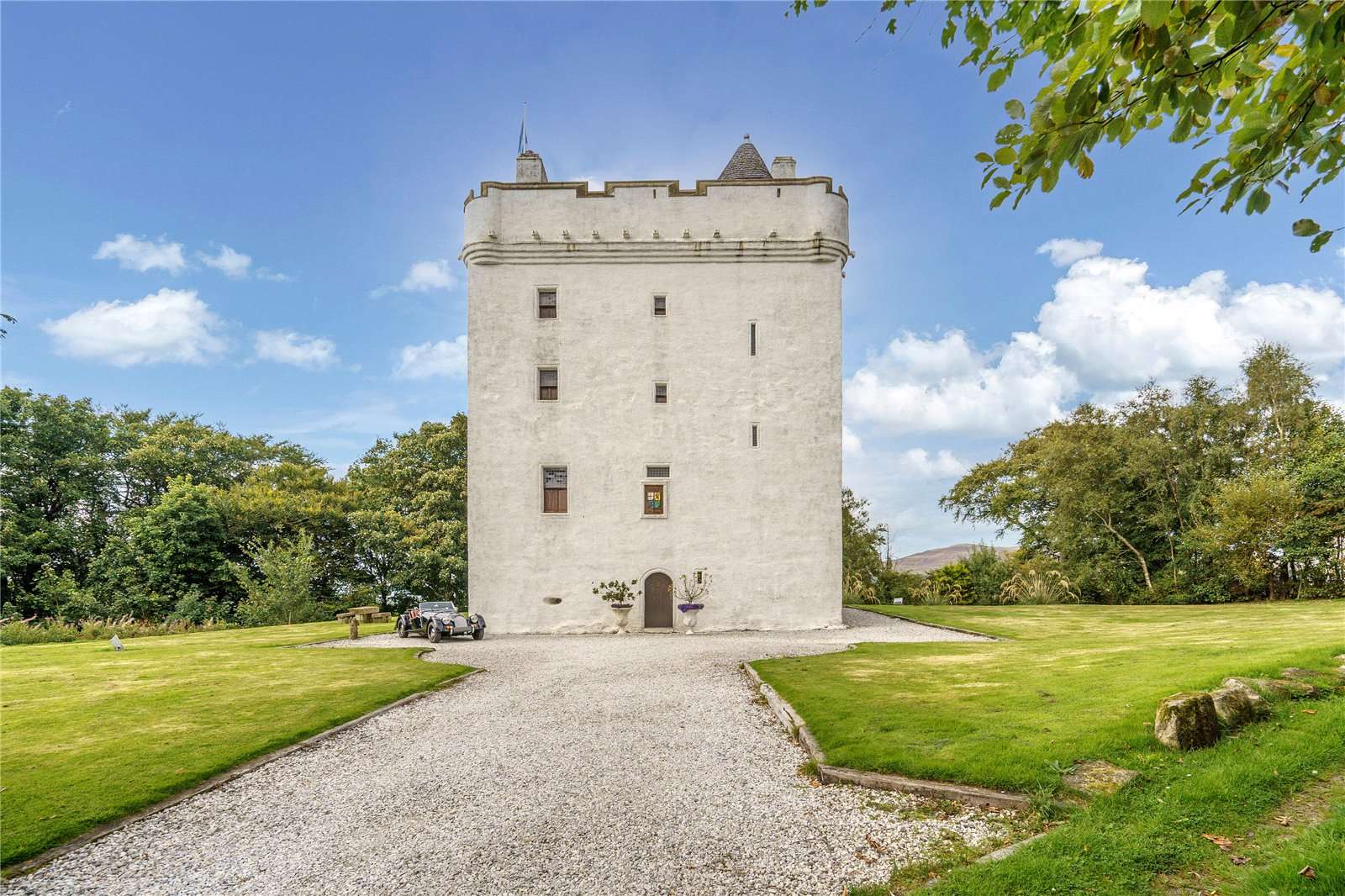
Law Castle, West Kilbride, North Ayrshire, KA23 9PB
POA
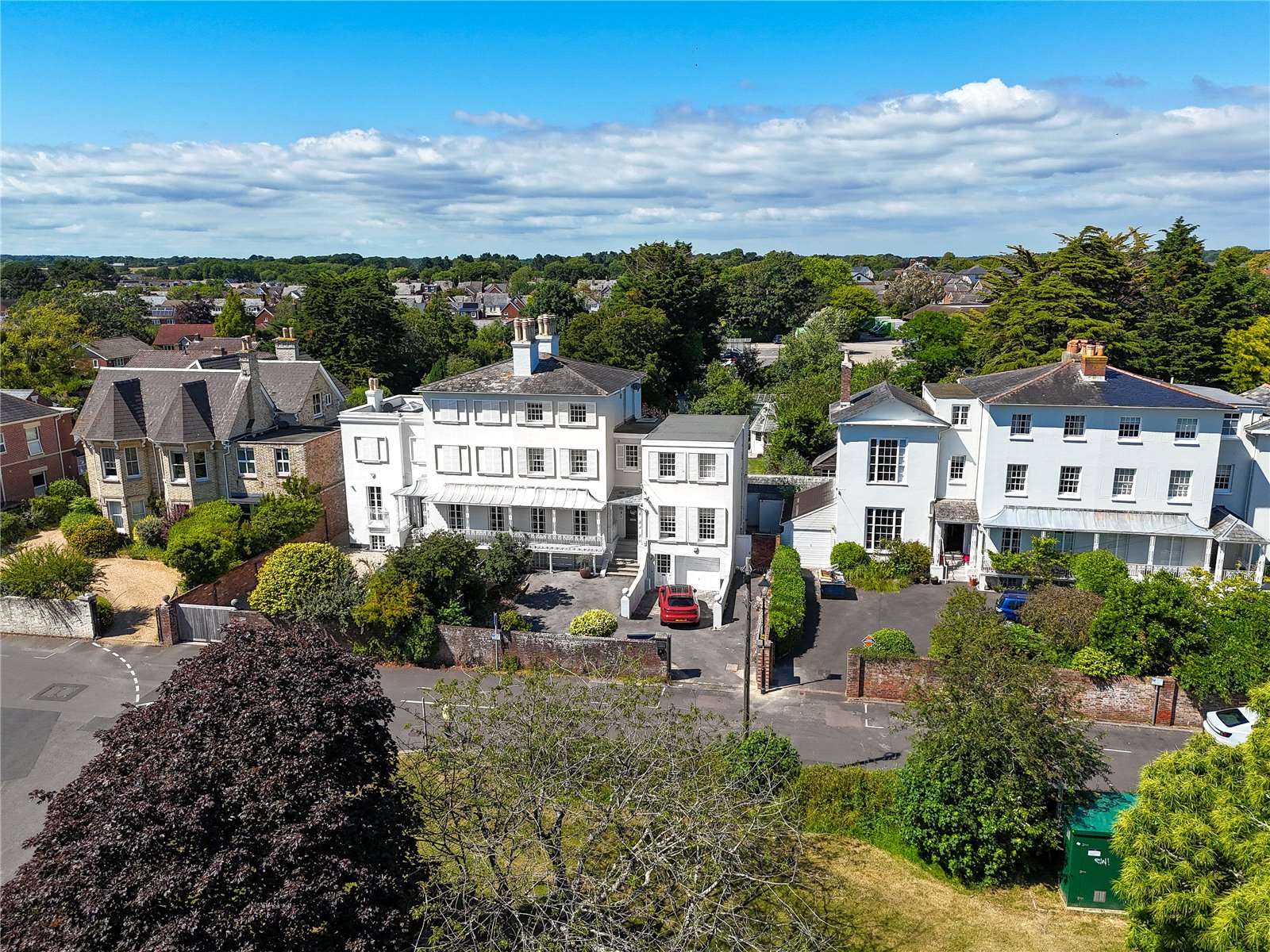
Highfield, Lymington, Hampshire, SO41 9GB
POA
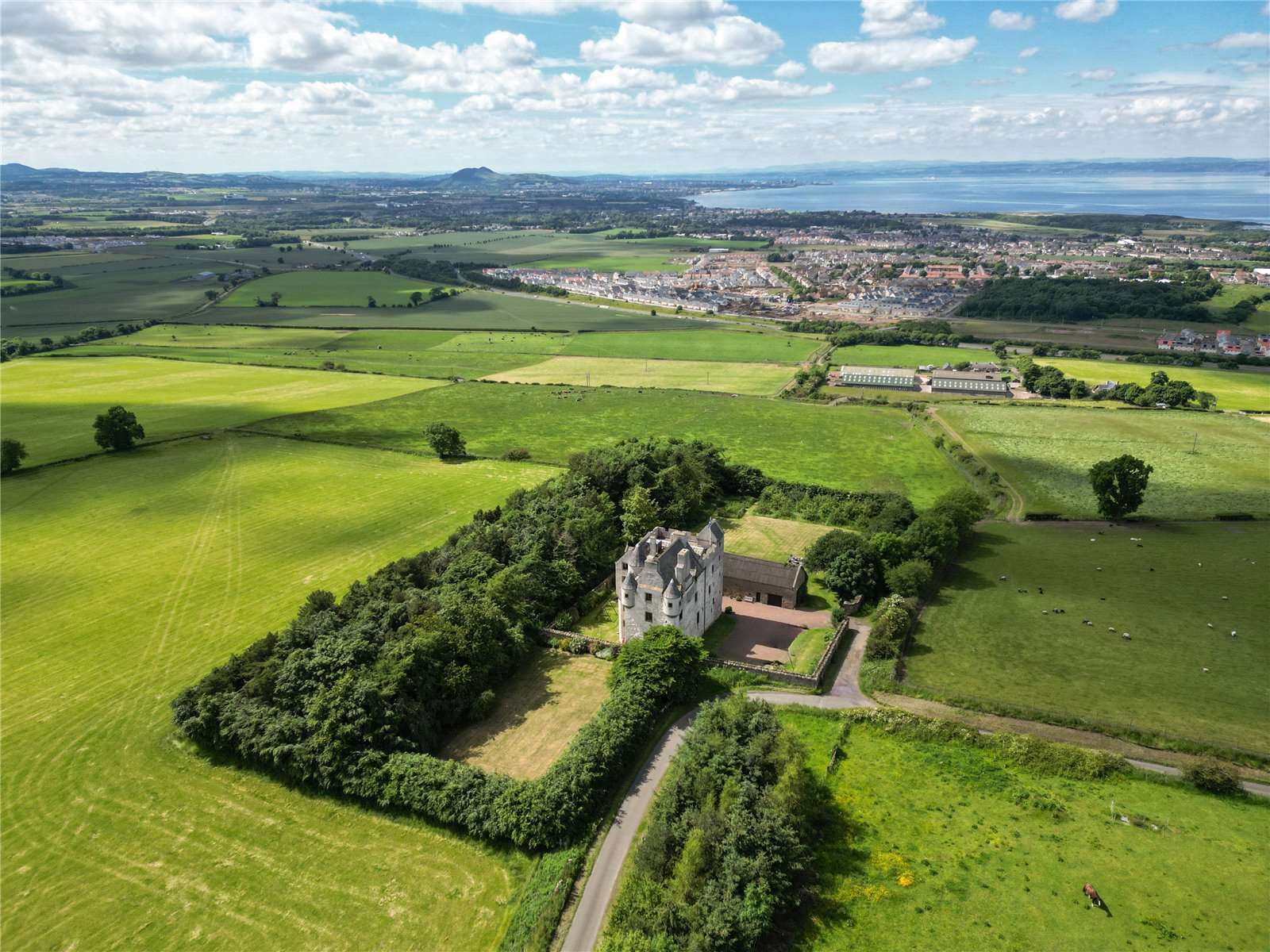
Fa'side Castle, Tranent, East Lothian, EH33 2LE
POA
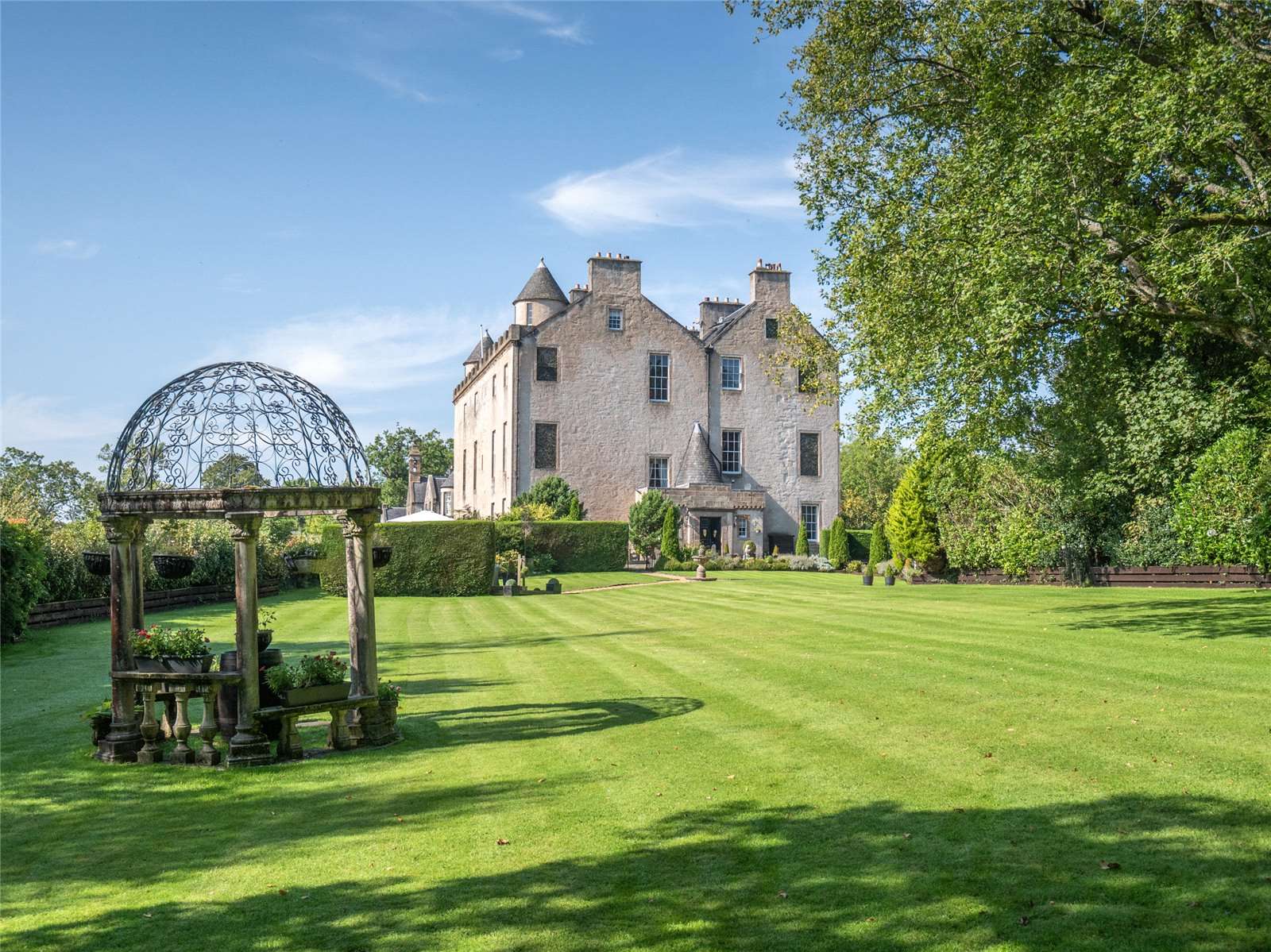
The East Wing, Sundrum Castle, Sundrum, Ayr, South Ayrshire, KA6 5JY
POA
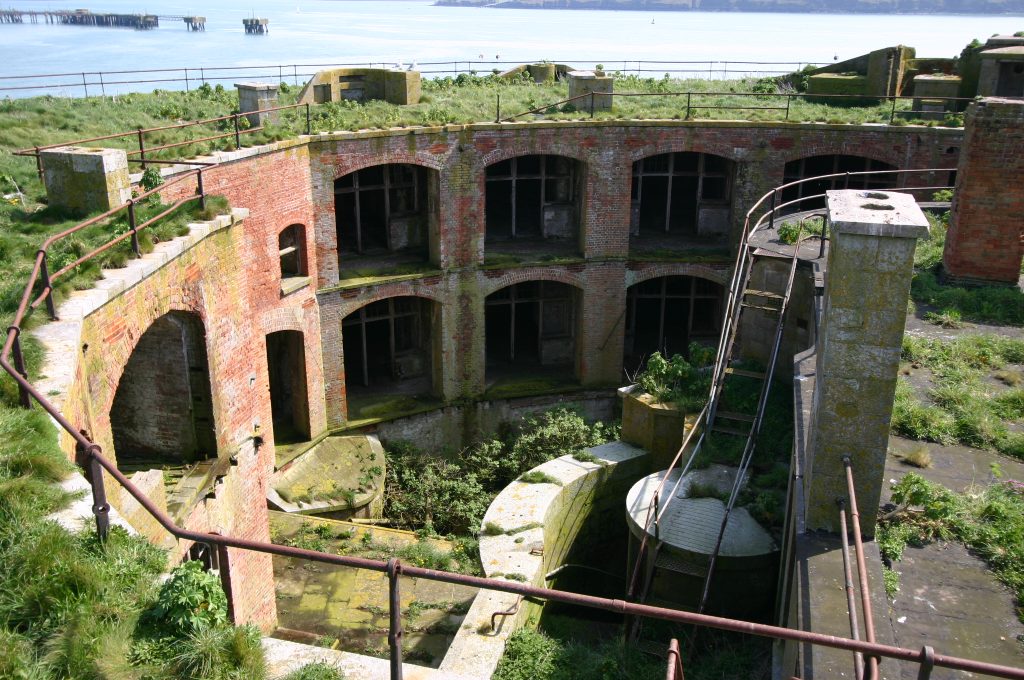
Pembs, WALES
£150k
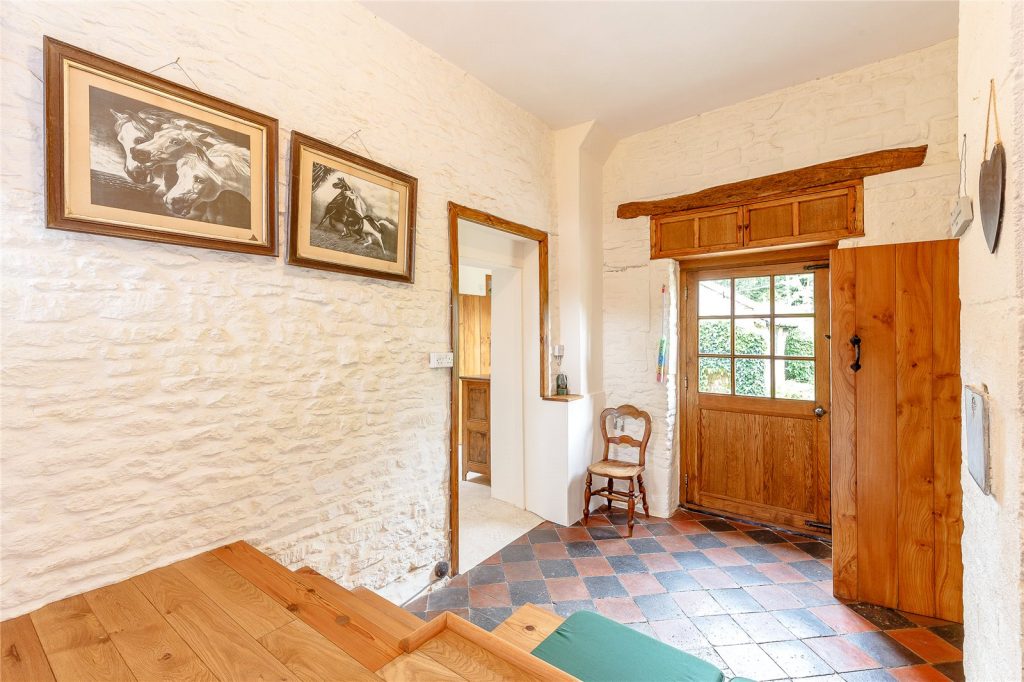
Bath, ENGLAND
£975k
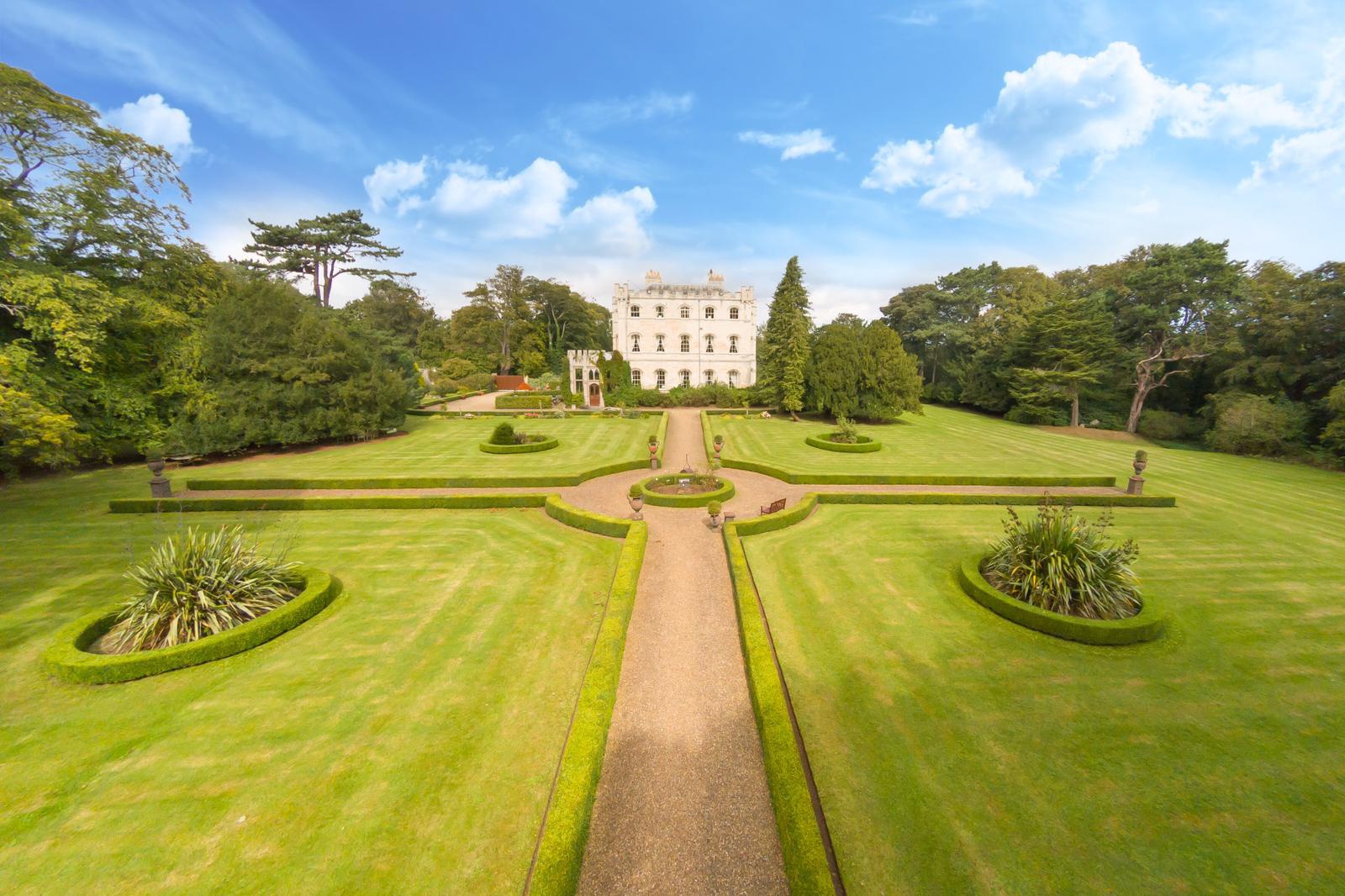
County Durham, ENGLAND
£3m
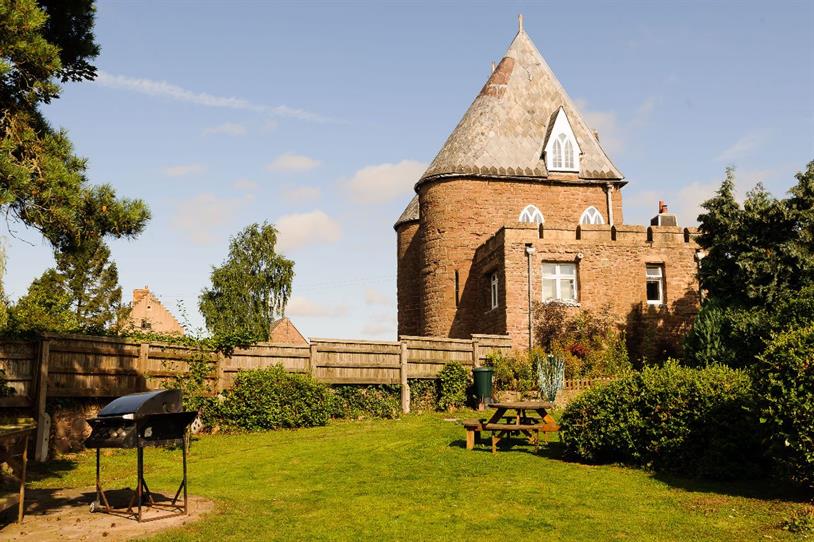
Pencraig, WALES
£450k

West Fife, SCOTLAND
Offers over £3,950,000
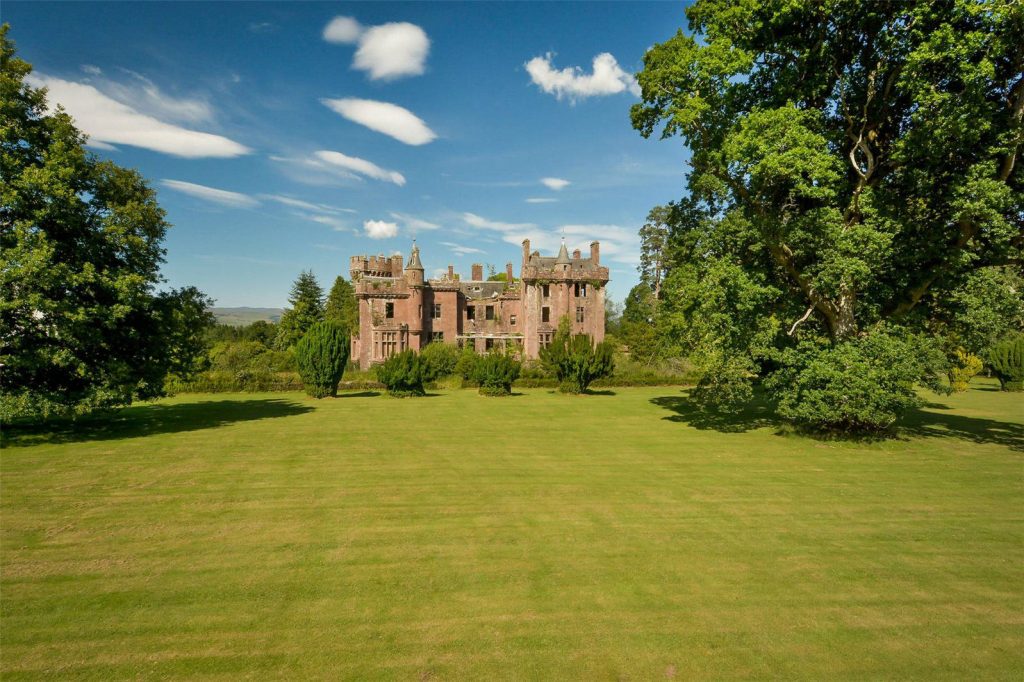
Perthshire, SCOTLAND
£730k
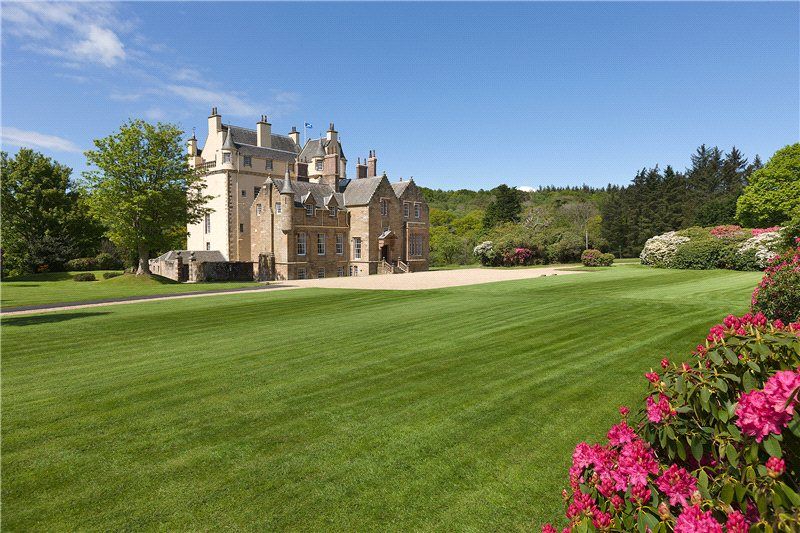
Ayrshire, Scotland
£3.9m
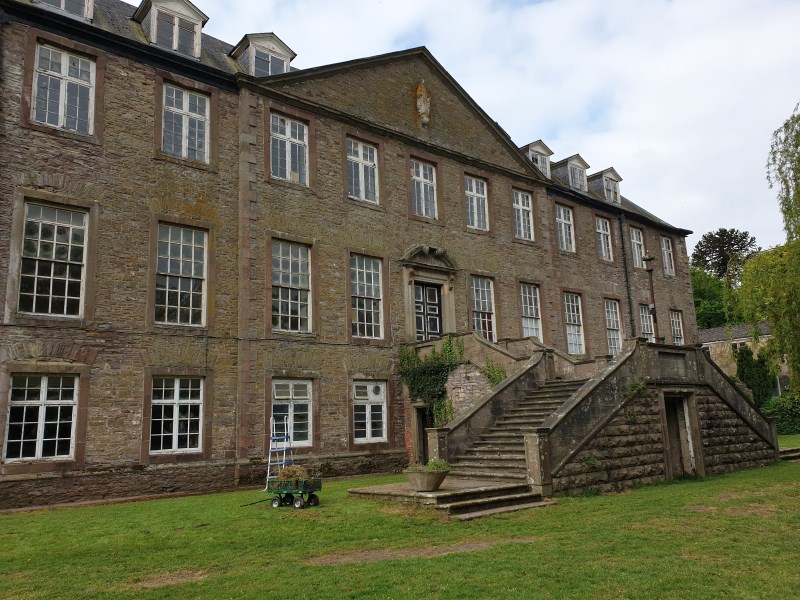
Monmouth, WALES
£200k-£250k
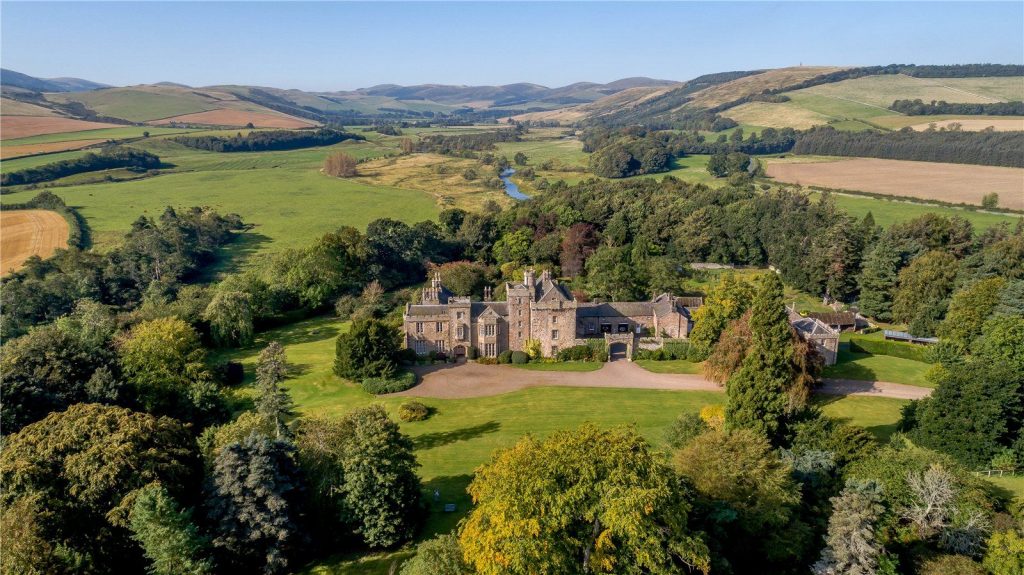
Wooler High Street 4 miles, Alnwick 22 miles, Alnmouth mainline station 26.7 miles, Berwick railway station 16.6 miles, Morpeth 36 miles, Newcastle Airport 49.8 miles, Newcastle upon Tyne 51 miles, Edinburgh 59 miles
£1.9m+
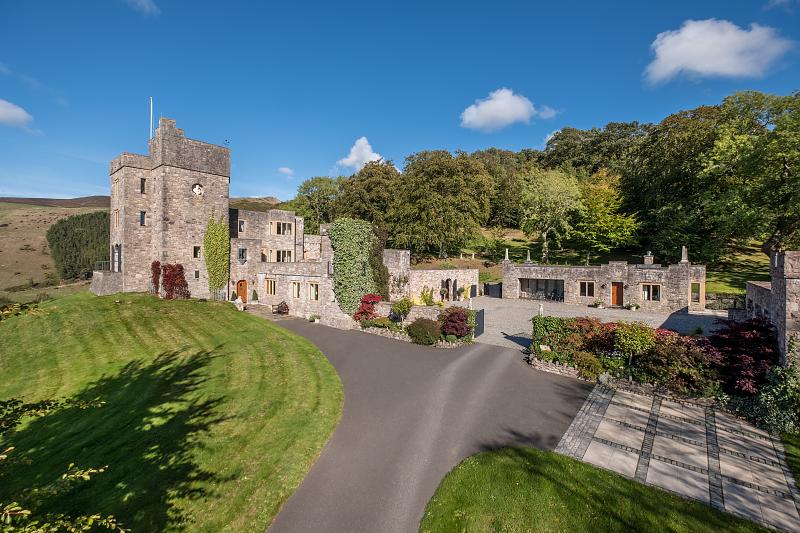
Ruthin, Wales
£2.25m

Cumbria, England
£1.75m
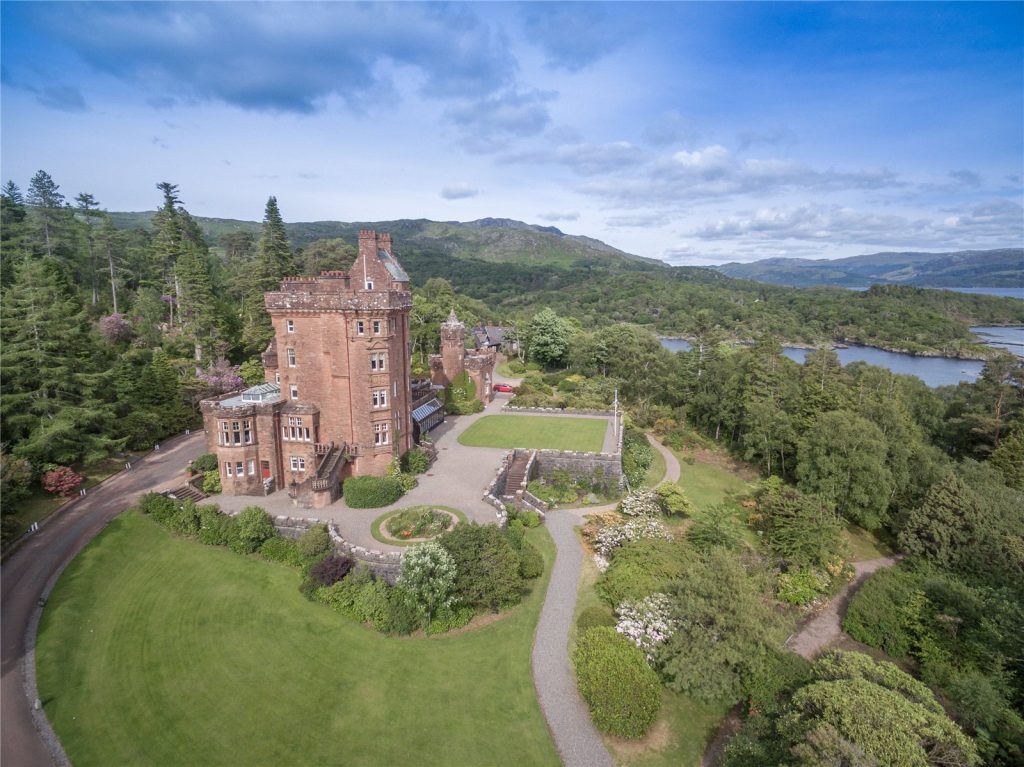
Glenborrodale, Scotland
£3.75m
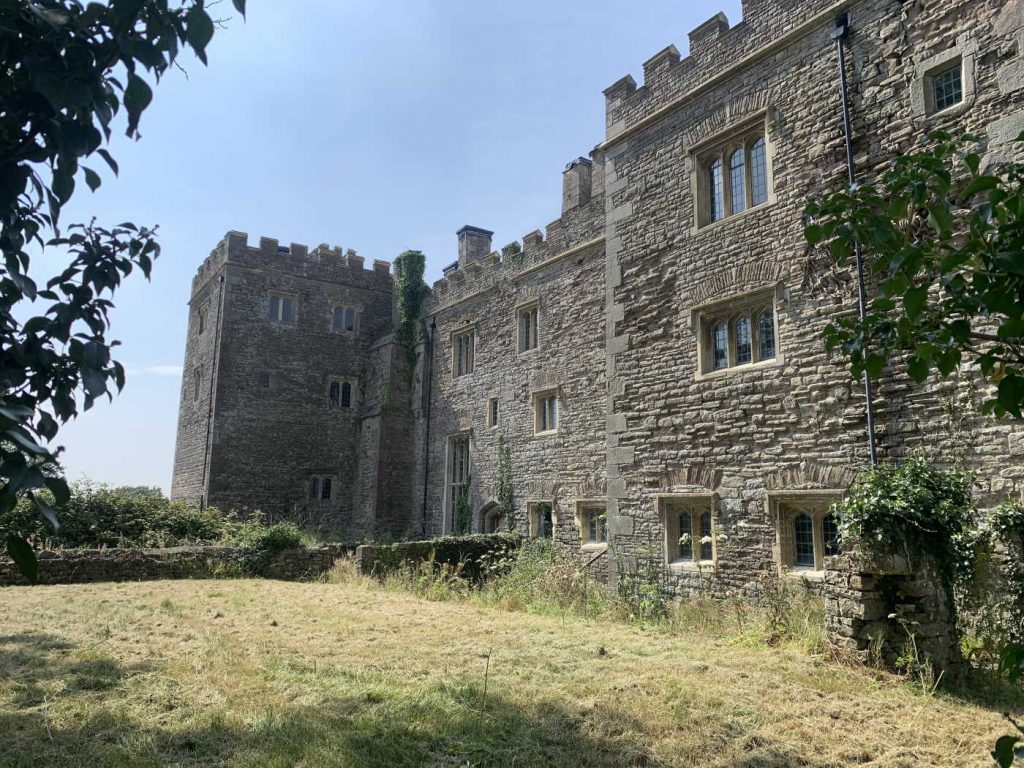
Gwent, WALES
£950k+
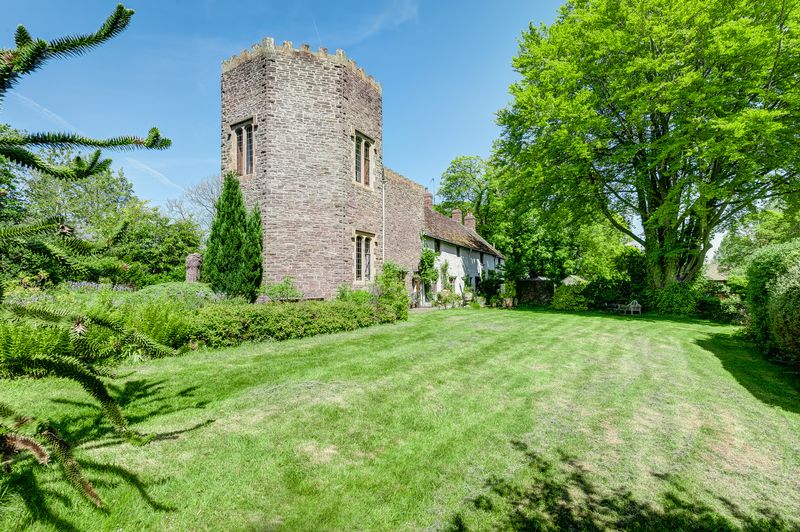
nr Abergavenny, WALES
£875k
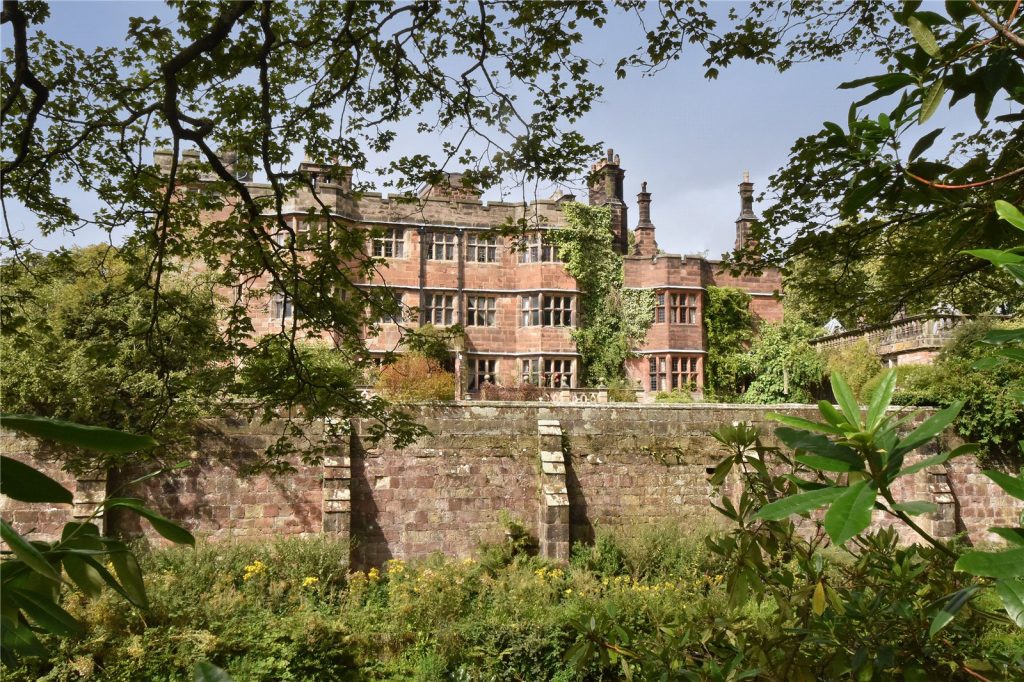
Staffordshire, ENGLAND
£POA

Lympne, ENGLAND
£11m
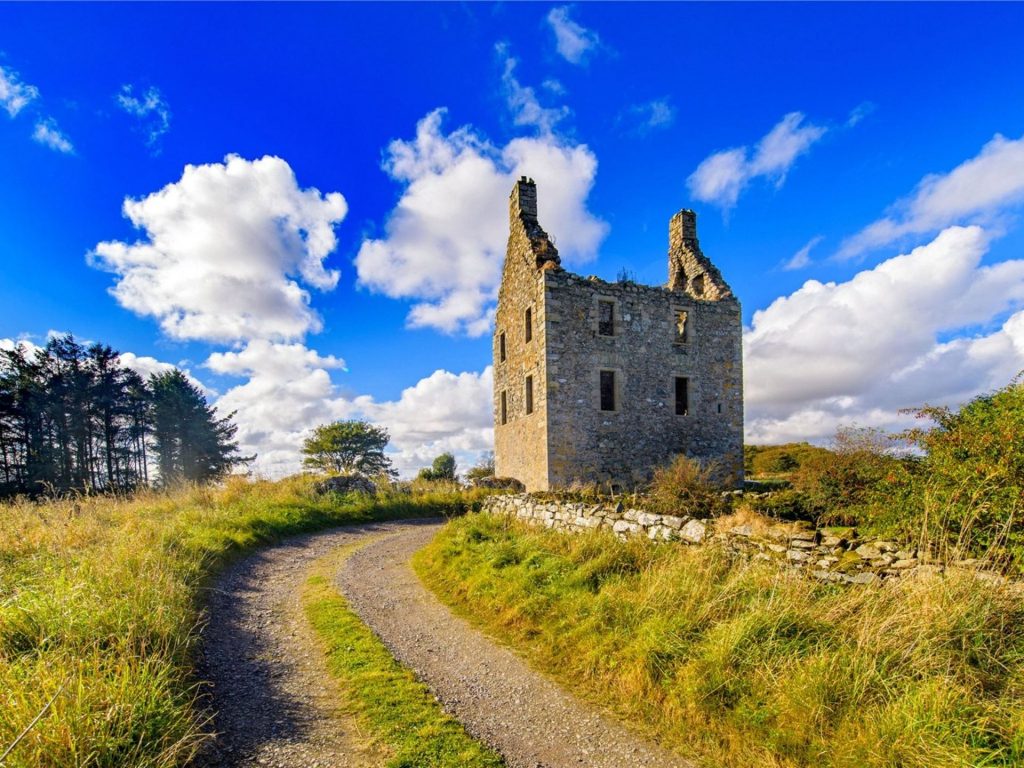
Newburgh, Scotland
£130k
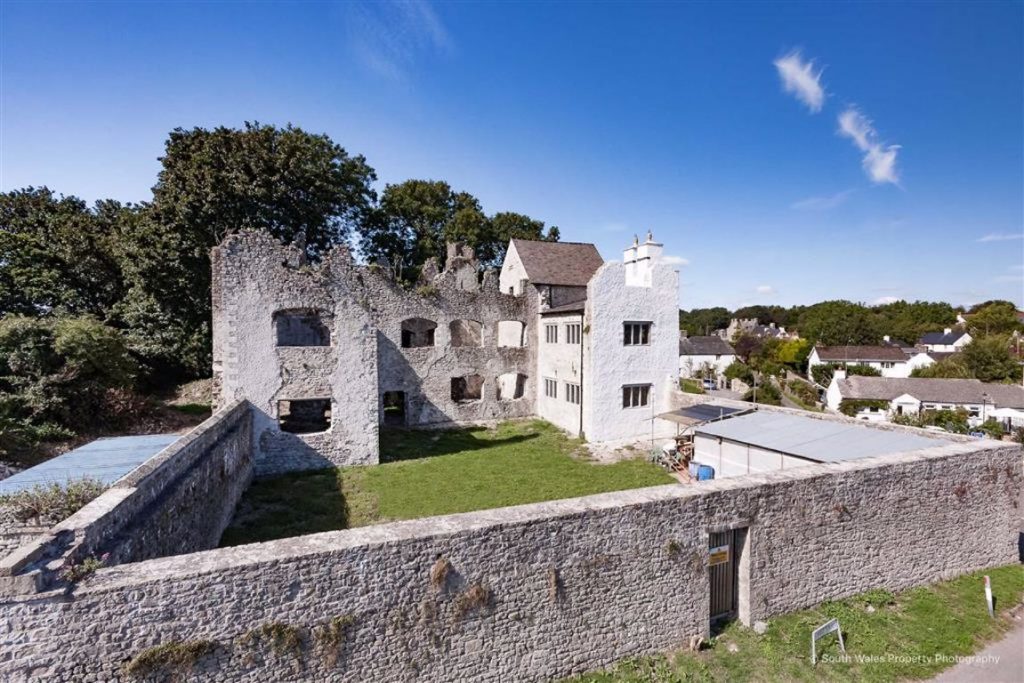
Llantwit Major, WALES
£1.25m
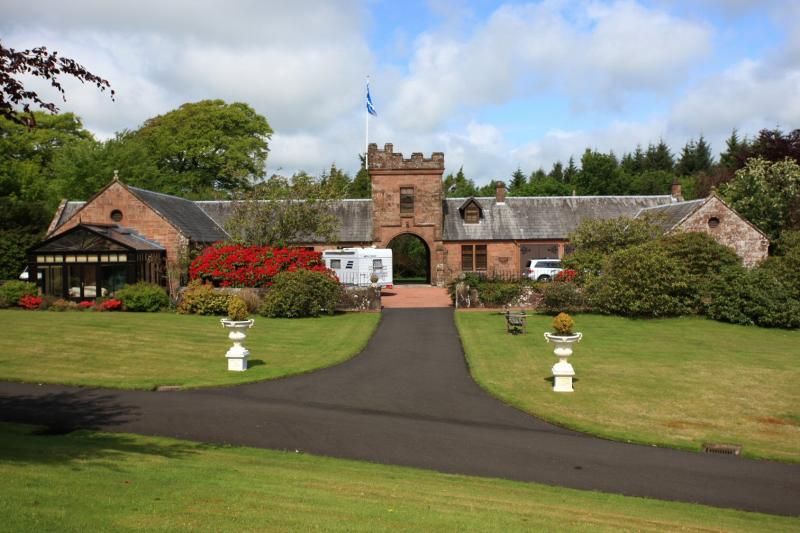
Kirtlebridge, SCOTLAND
£1.9m
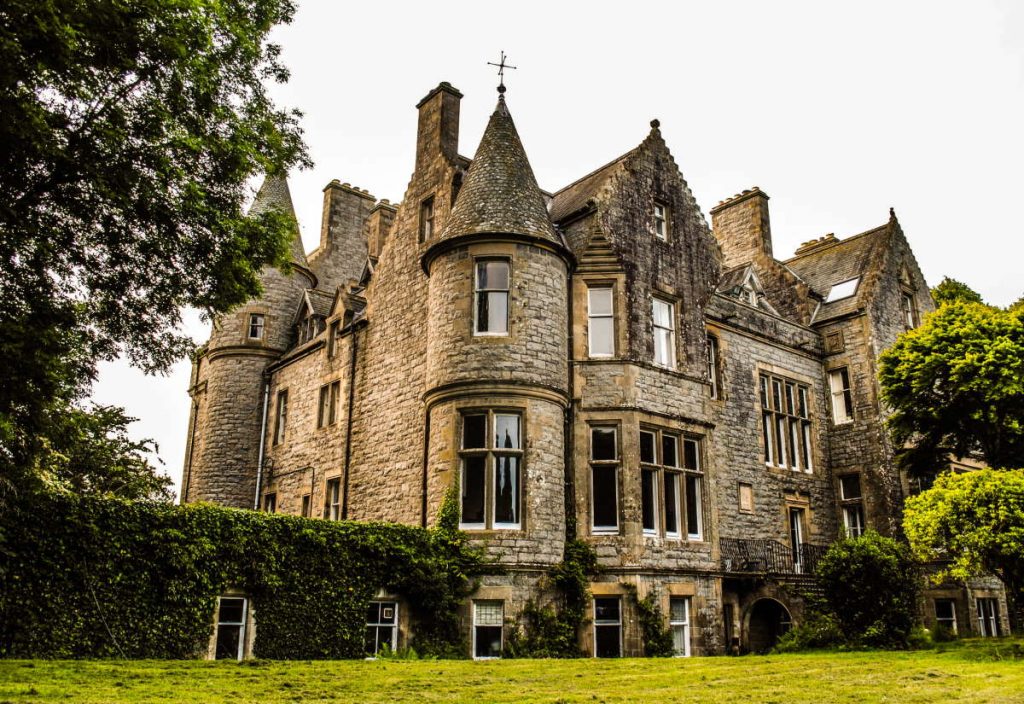
Auchencairn, SCOTLAND
£1.7m
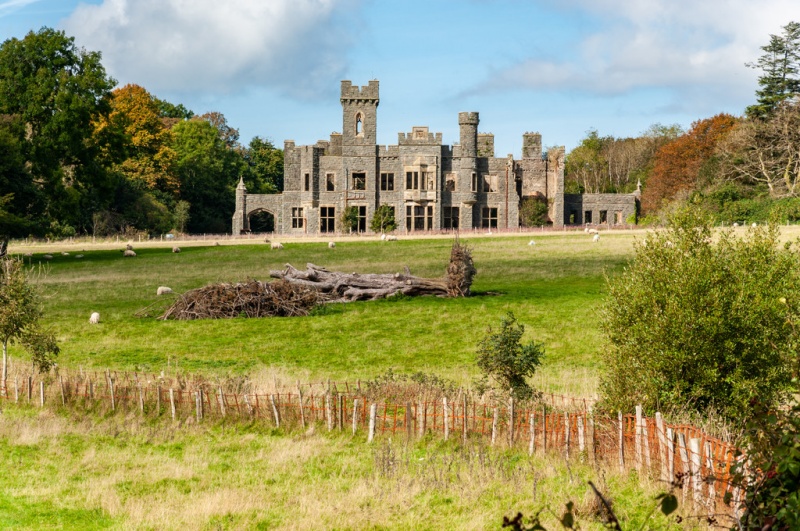
Criccieth, North Wales
£500,000
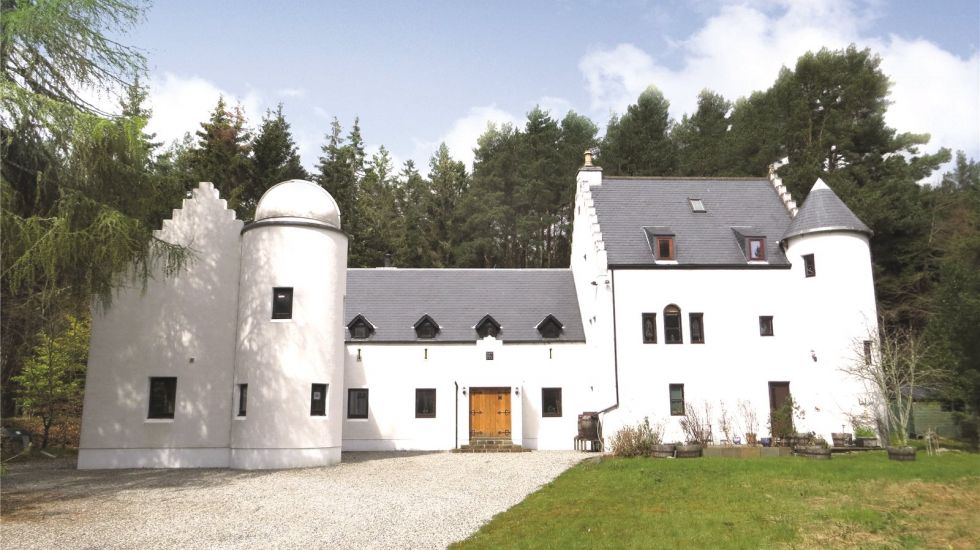
Invergordon, SCOTLAND
€450k
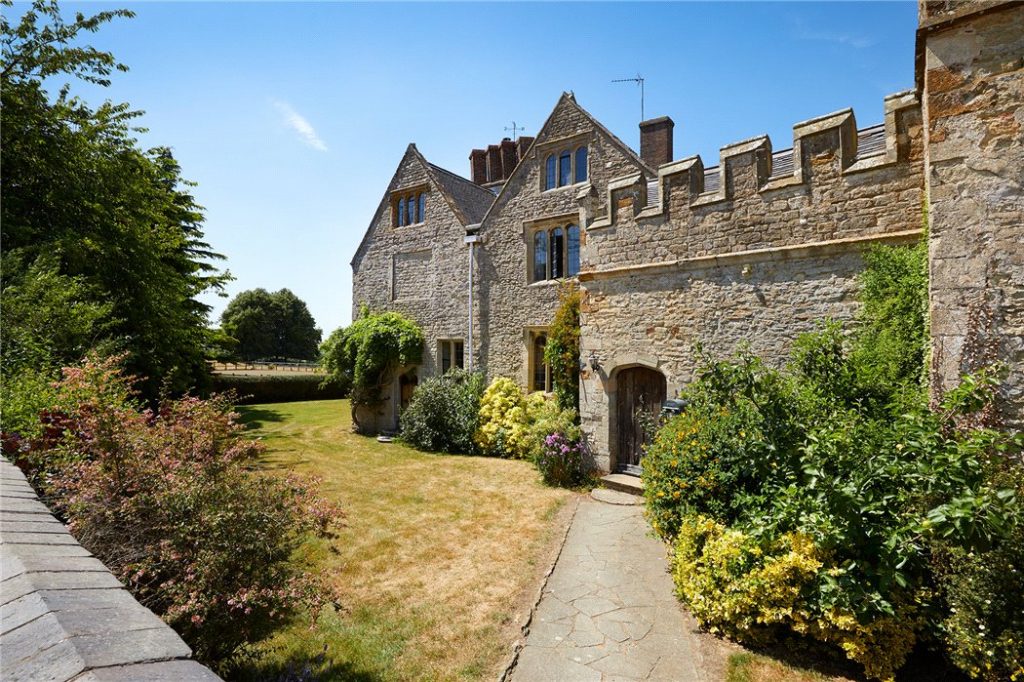
Brackley, Northamptonshire, England (NN13)
£1.5m
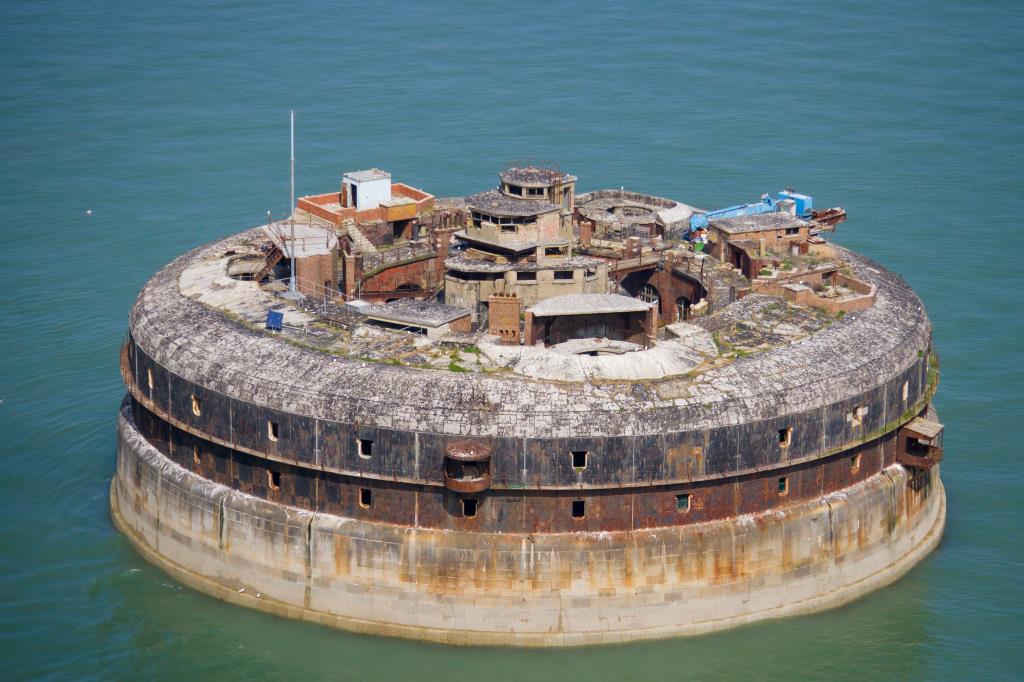
Horse Sand Fort, Solent, between Southsea and the Isle of Wight, Hampshire, England
£700k
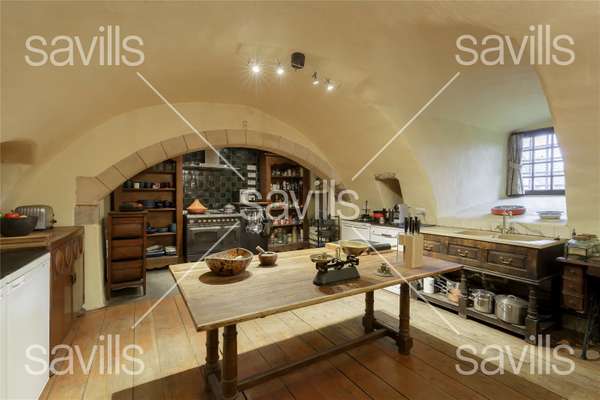
East Lothian, SCOTLAND
£1.9m
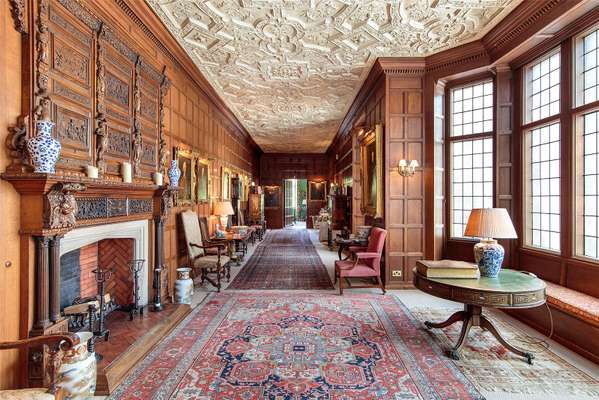
Angus, SCOTLAND
£3m
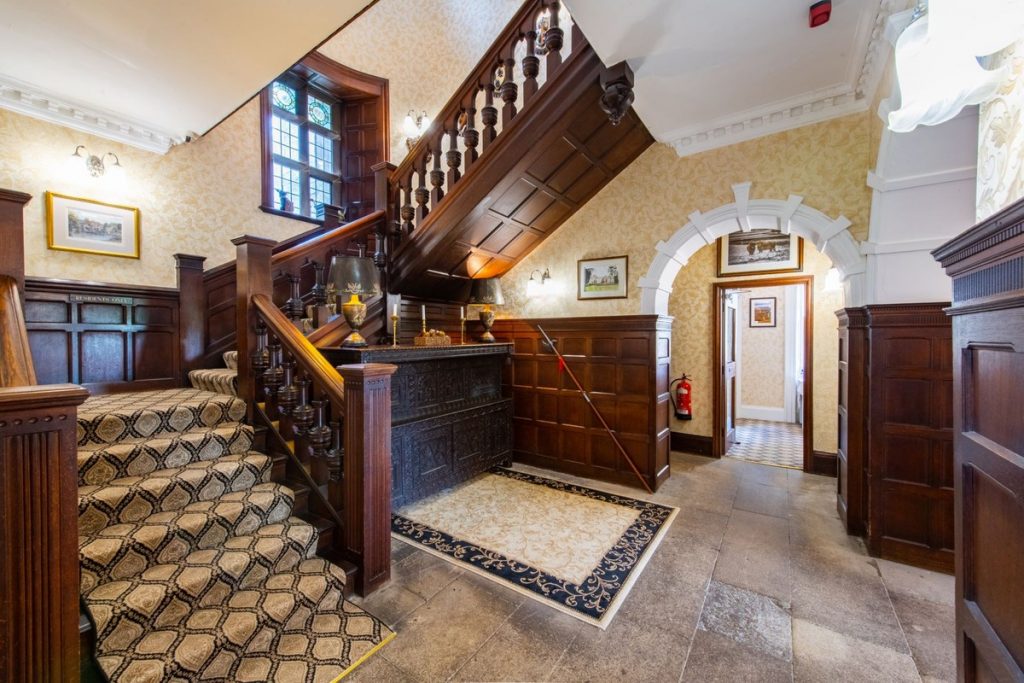
Otterburn, ENGLAND
£3m
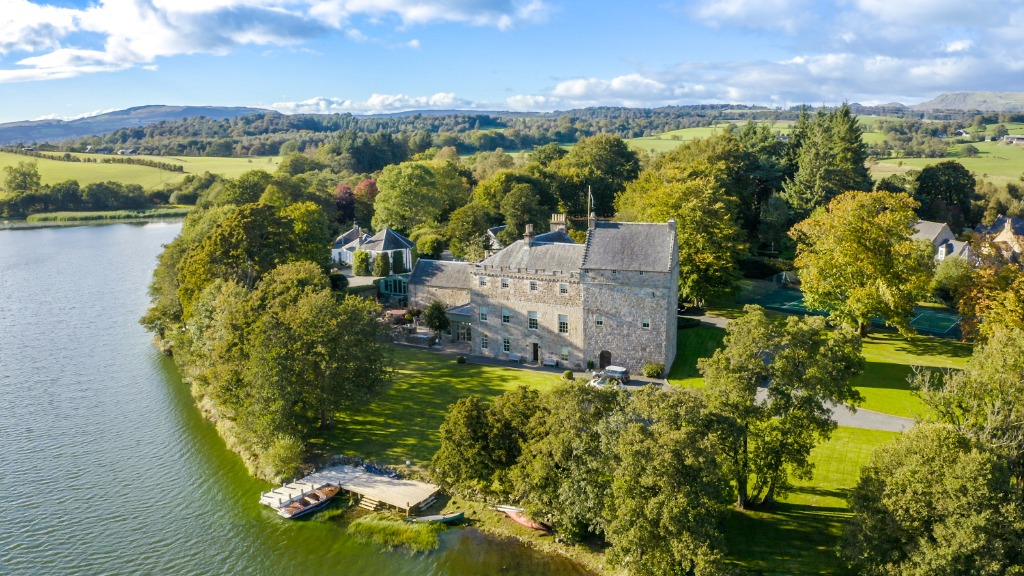
East Dunbartonshire, SCOTLAND
POA
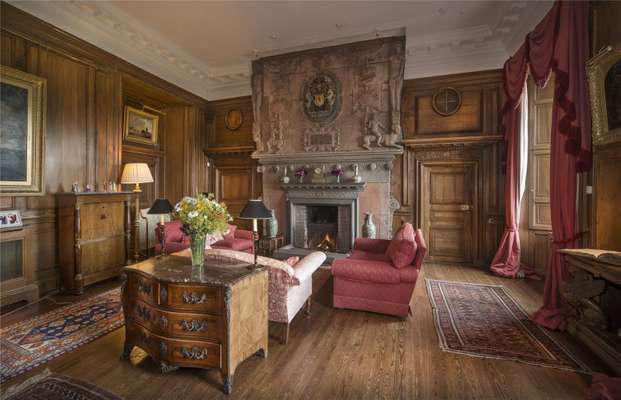
Brechin, SCOTLAND
£2.9m

Sutherland, SCOTLAND
£5m
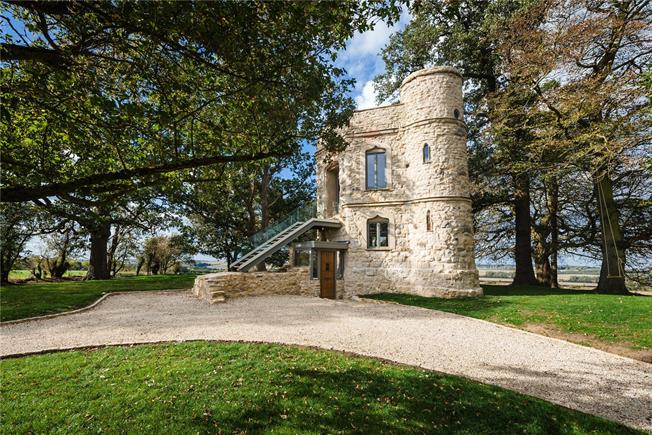
Bucks, UK
€765k
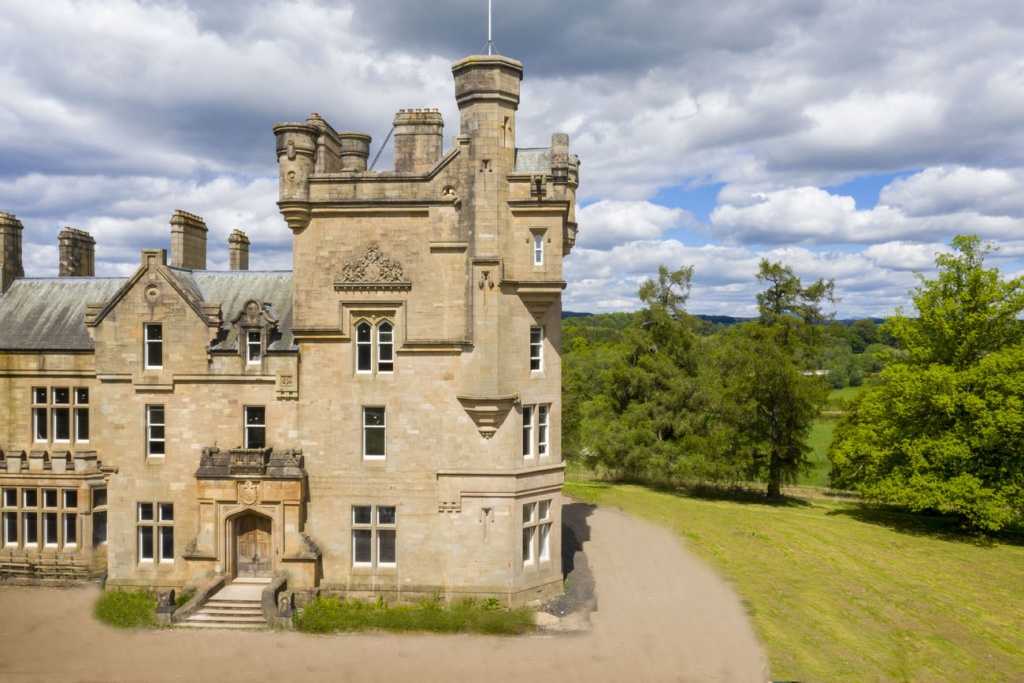
Loch Lomond, SCOTLAND
£310k-£575k
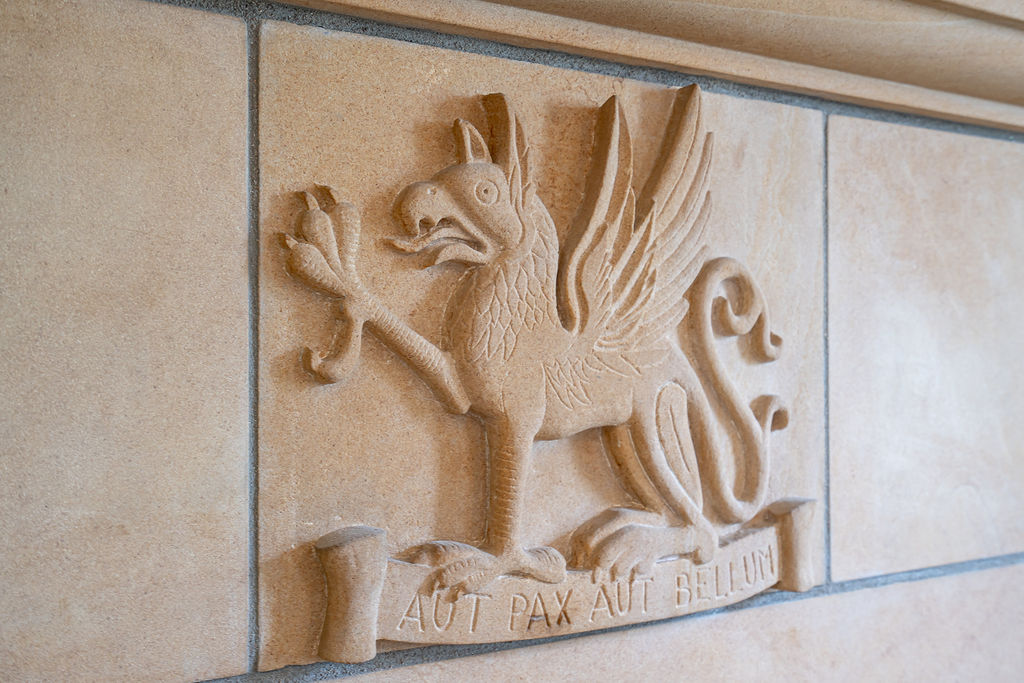
Elgin, SCOTLAND
Offers Over £1m
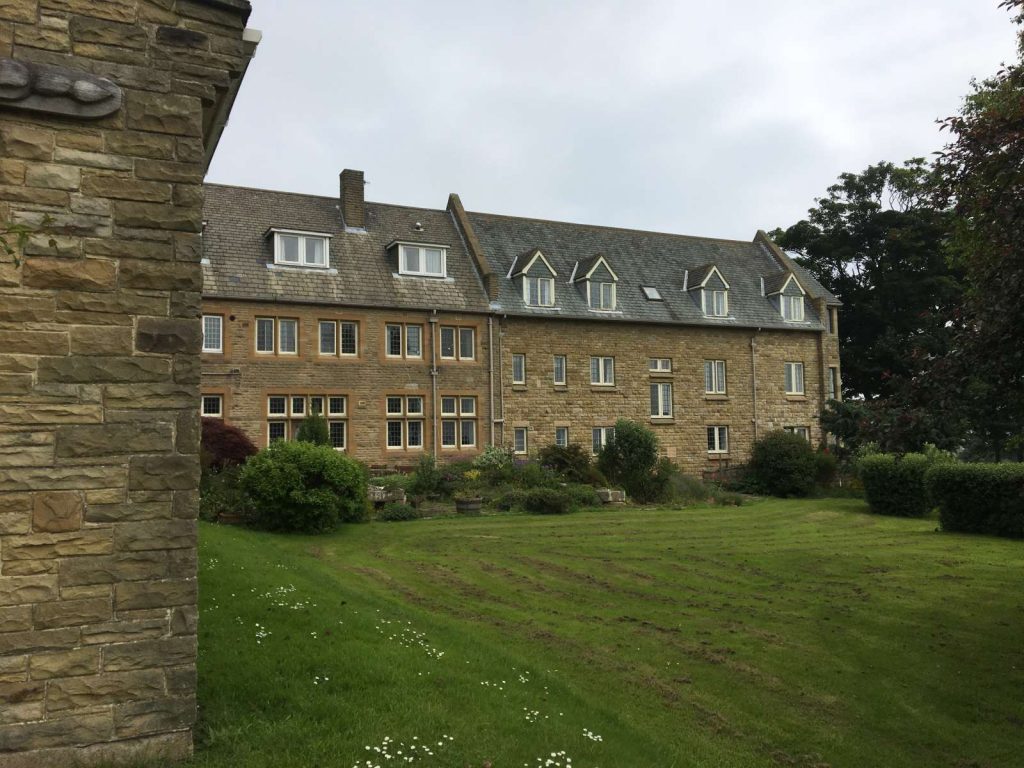
Whitby, Yorkshire, England
€POA
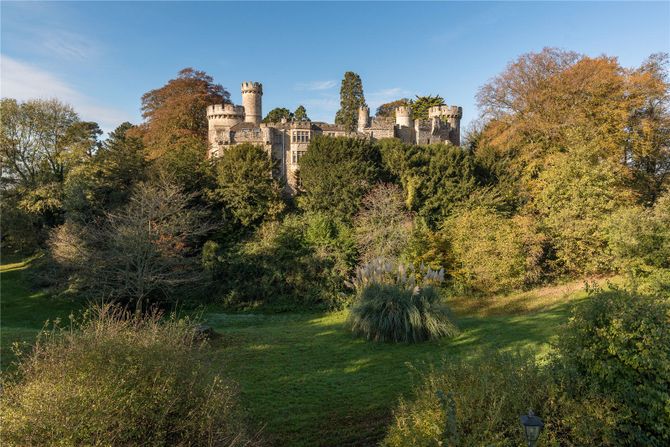
Devizes, Wiltshire, England
£3.25m
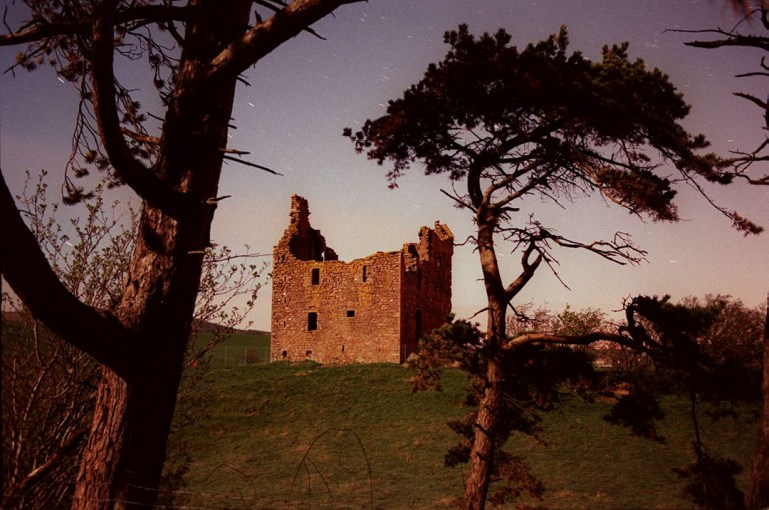
Turnberry, Scotland
£POA
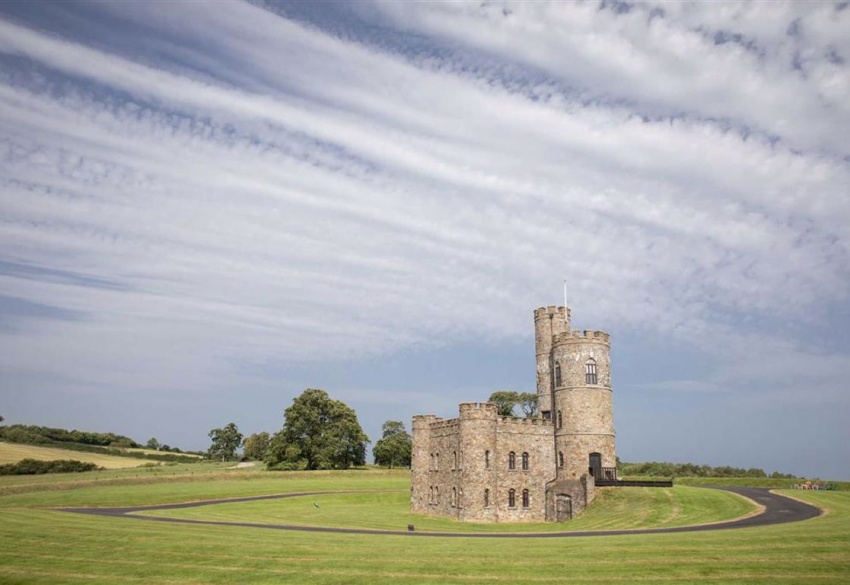
Devon, UK
£POA

Aberdeenshire, Scotland
£5m
Browse our exclusive collection of 96 historic castles and luxury estates available for sale in United Kingdom. Each property is carefully curated to meet the highest standards of luxury, heritage, and architectural significance.
Our portfolio includes exceptional properties across Fife, Monflanquin, Wiltshire, Nottinghamshire, Norwich , offering diverse opportunities for discerning international buyers seeking unique heritage properties.
Data-led country guide
Market figures are calculated from the published Castelle catalogue and update with the inventory.
Castelle currently indexes 96 published properties in United Kingdom. Of this live inventory, 31 listings carry a public price in the market's most frequently used currency and 63 are offered on a price-on-application or undisclosed basis. A further 2 records use another disclosed currency and are kept outside this price summary. Within the 31 listings quoted in GBP, asking prices run from £130k to £11m, with a median of £1.8m. These figures describe the catalogue visible now, rather than a completed-sales index: condition, land, commercial permissions, restoration quality and provenance can create substantial differences between two historic estates in the same area. The sample is refreshed from published listing records as the portfolio changes.
For a like-for-like portfolio comparison, the £1.8m median in United Kingdom is 14% above the £1.5m median across all Castelle listings advertised in GBP. The comparison uses 31 local observations and 50 portfolio observations in the same currency; it does not convert currencies or mix price-on-application records into the calculation. A median marks the midpoint of advertised prices, not the cost of a typical castle and not a valuation. Buyers should therefore read it as a navigation aid: an estate above the midpoint may include more land, a stronger location, income-producing accommodation or a completed restoration, while a lower figure may reflect scale, access, protected-building obligations or work still required.
The most frequently represented places in the current catalogue are Aberdeenshire, Angus, Northumberland, Auchencairn, and London. The leading property labels are house, castle, and castle / chateaux, but supplier terminology varies and should be checked against each description. Together, these location fields show where supply is concentrated today; they are not a claim that other parts of United Kingdom lack historic properties. A search across 96 live records also highlights the practical diversity of this niche: an urban palazzo, a rural fortified house and a large country estate can serve very different uses even when all appear under a castle search. Prospective owners should compare access to airports and services, privacy, surrounding land, climate, tourism demand and the availability of specialist craftspeople. For protected buildings, early checks on planning status, permitted alterations and maintenance history are as important as the headline location.
The combined United Kingdom page spans markets with visibly different traditions. England ranges from medieval castles and manor houses to Palladian and Georgian country seats; Scotland adds tower houses, baronial architecture and estates where access, forestry or sporting land may be central; Wales includes major Marcher and native-prince fortifications alongside later houses; Northern Ireland has its own plantation, Georgian and Victorian estate history. Planning and heritage systems are devolved, so the responsible authority and terminology differ across the four nations. Listed-building category, scheduled-monument status, rights of way, tenancies, sporting rights and the treatment of estate businesses all require property-specific checking. Buyers comparing two regions should also account for travel infrastructure, climate, land management and the availability of conservation specialists, rather than treating the UK as one uniform country-house market.
The United Kingdom's historic property market encompasses some of Europe's most prestigious castles, manor houses, and stately homes, representing centuries of architectural evolution from Norman keeps to Georgian country estates. British heritage properties offer unparalleled provenance, often accompanied by extensive parklands, productive farmland, and sporting rights that have remained with estates for generations. From Scottish baronial castles commanding dramatic Highland landscapes to English country houses set in pastoral perfection, from Welsh border fortresses to Irish Georgian estates, the UK market provides access to properties of exceptional historical importance and architectural distinction. The combination of strong property rights, established estate management traditions, and prestigious locations makes British historic real estate particularly attractive to international buyers seeking both investment security and distinguished legacy properties.
After the Norman Conquest, motte-and-bailey castles and later stone keeps became powerful instruments of control in England and Wales, while Scotland and the borderlands developed their own cycles of royal, noble and clan fortification. Over time, defensive buildings acquired halls, chambers and larger windows; Tudor, Jacobean and classical rebuilding shifted elite life toward comfort, ceremony and managed landscapes. Georgian estate design linked houses with parks, farms and approach roads, and the nineteenth century revived Gothic and Scottish baronial forms even where no medieval castle had stood. War, taxation, changing agriculture and institutional ownership transformed many estates in the twentieth century. Consequently, 'castle' in a sales catalogue can mean an authentic defensive core, a heavily remodelled ancient seat or a later picturesque residence. Listing descriptions and statutory records help separate those histories.
Each category page carries its own aggregate market data.
We can't find the internet
Attempting to reconnect
Something went wrong!
Attempting to reconnect