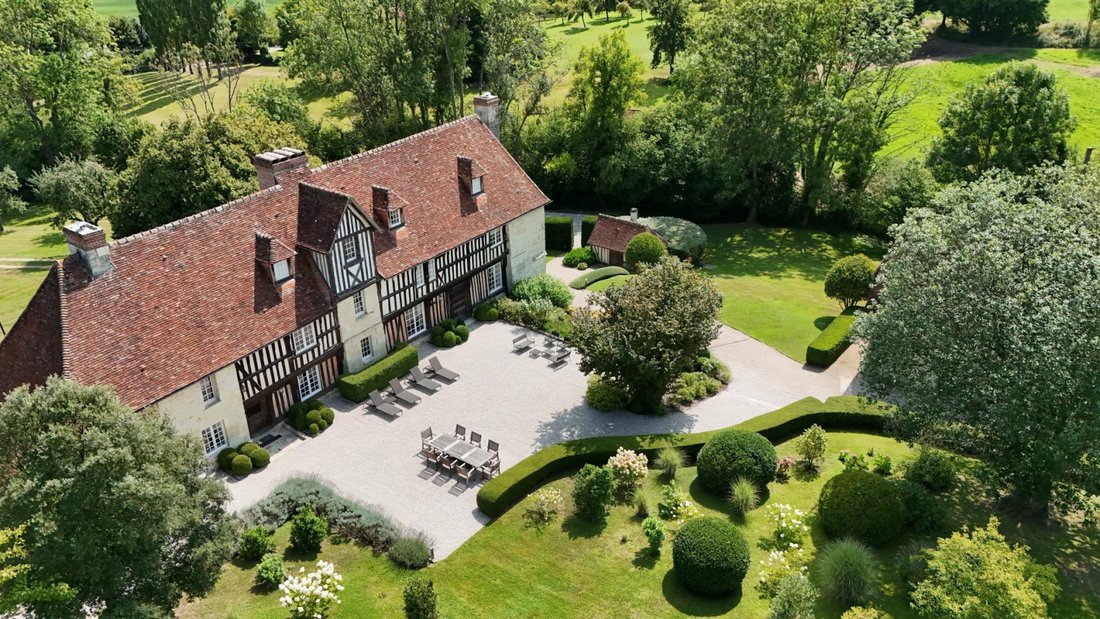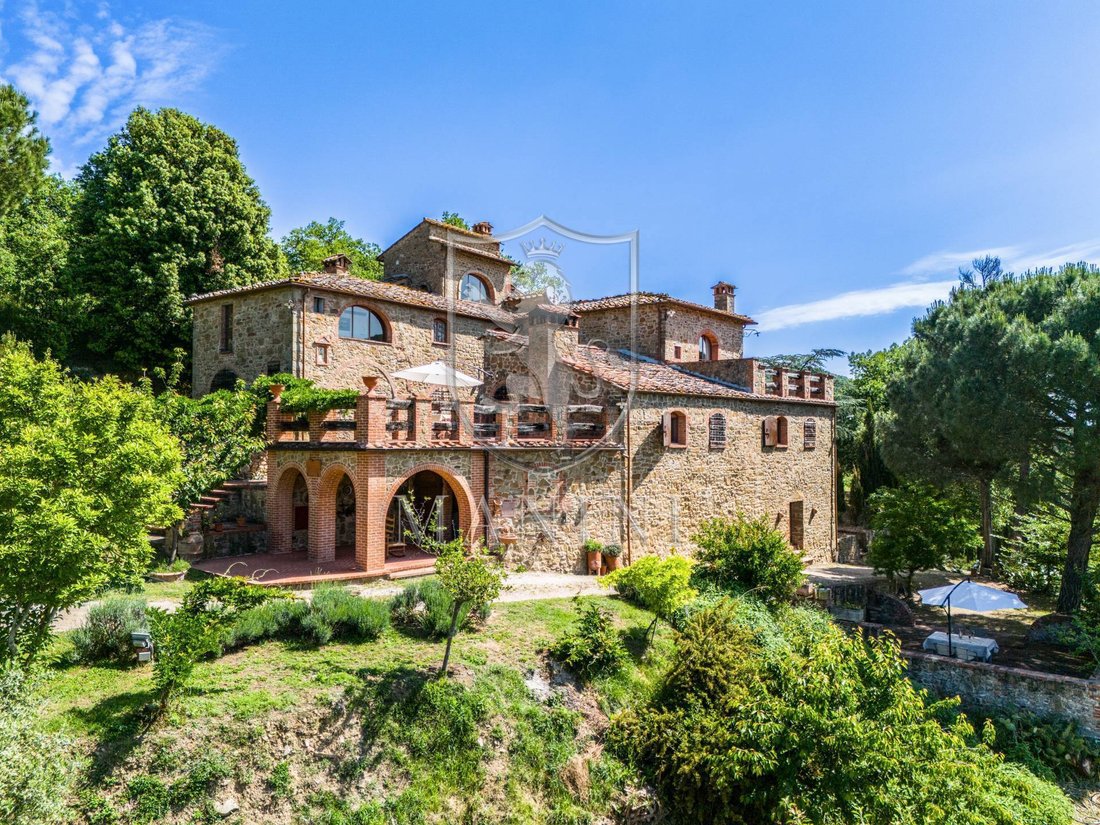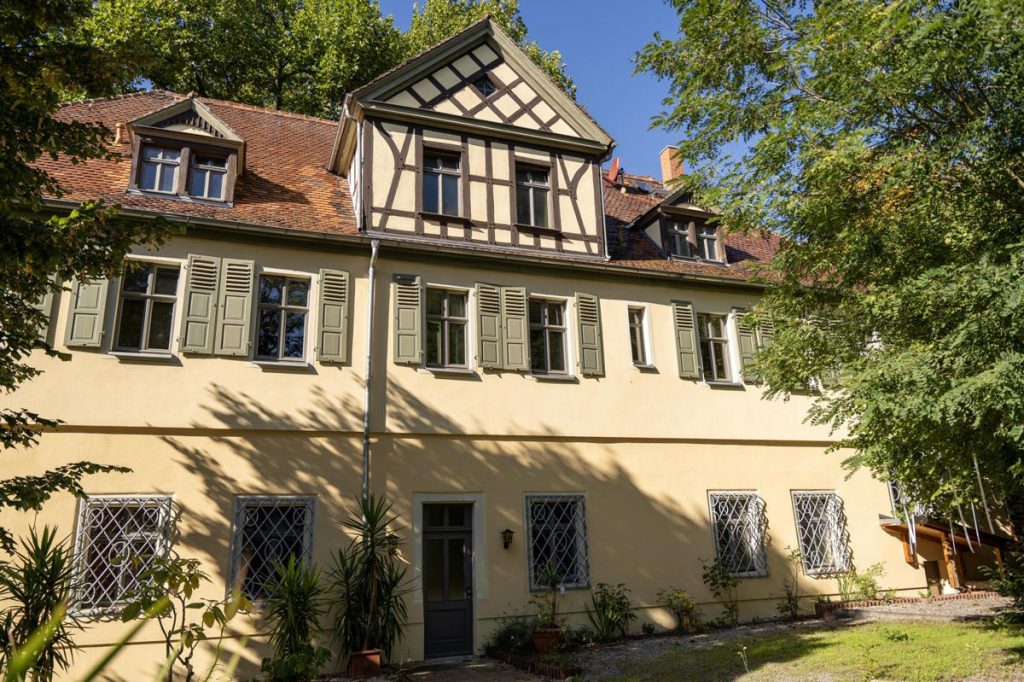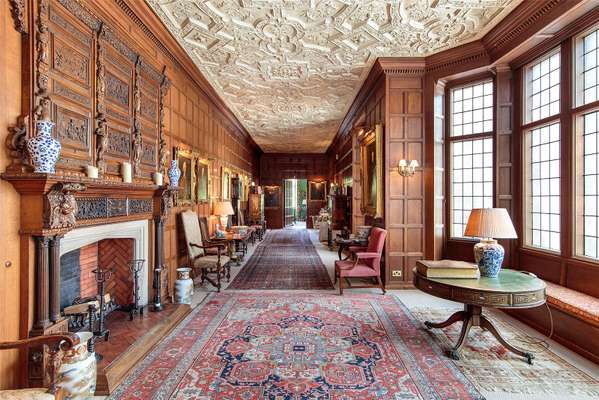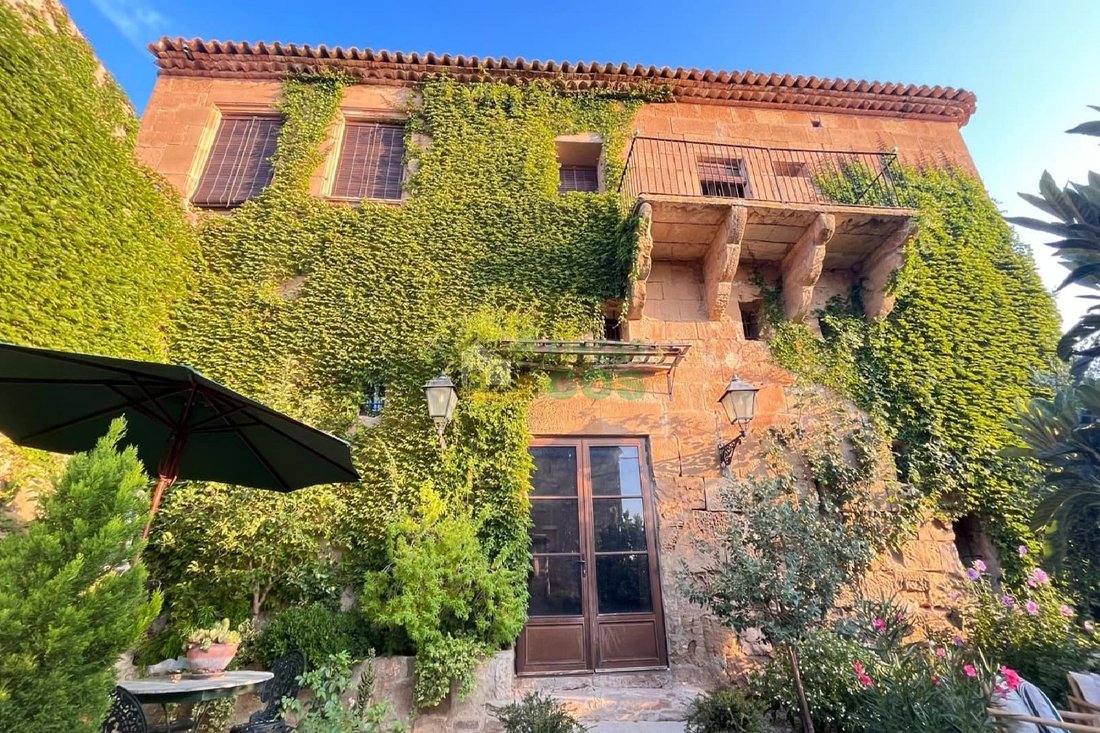
Restored Medieval Castle In Segarra: A Historical Gem Converted Into A Stately Residence
Solsona, Catalonia, Spain
€540,000
View details
Discover 70 historic castles and luxury estates in Spain
Solsona, Catalonia, Spain
€540,000
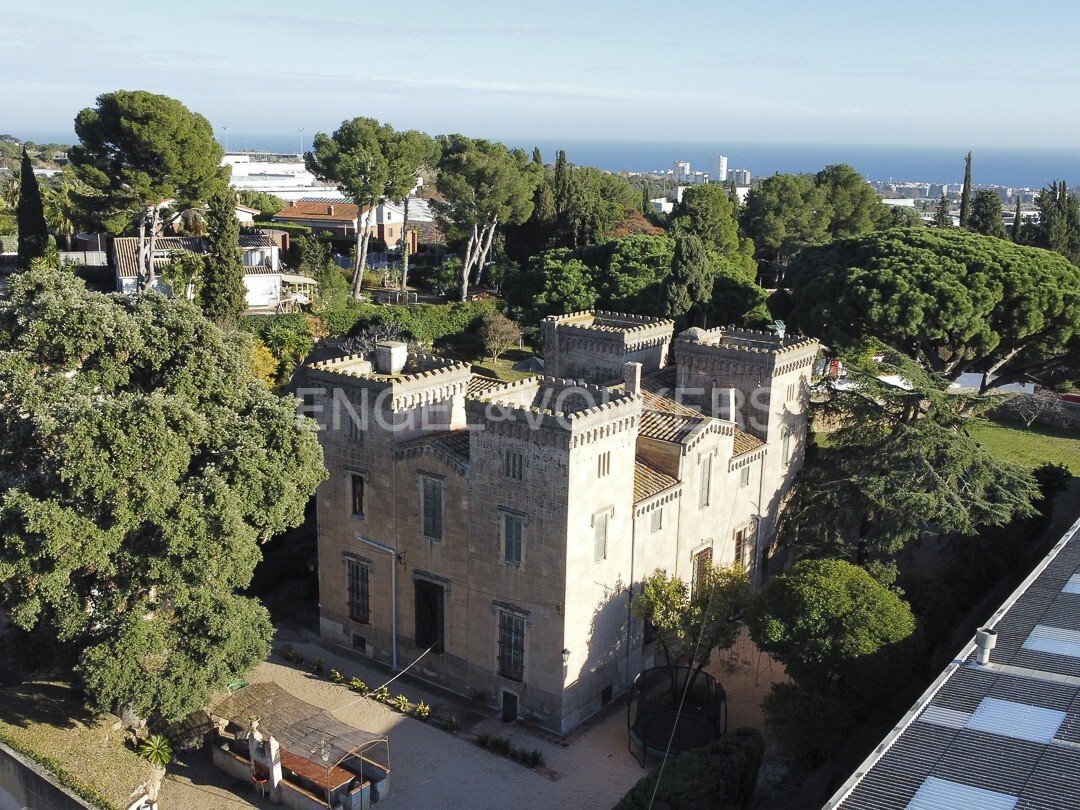
Vilassar de Dalt, Catalonia, Spain
€1,350,000
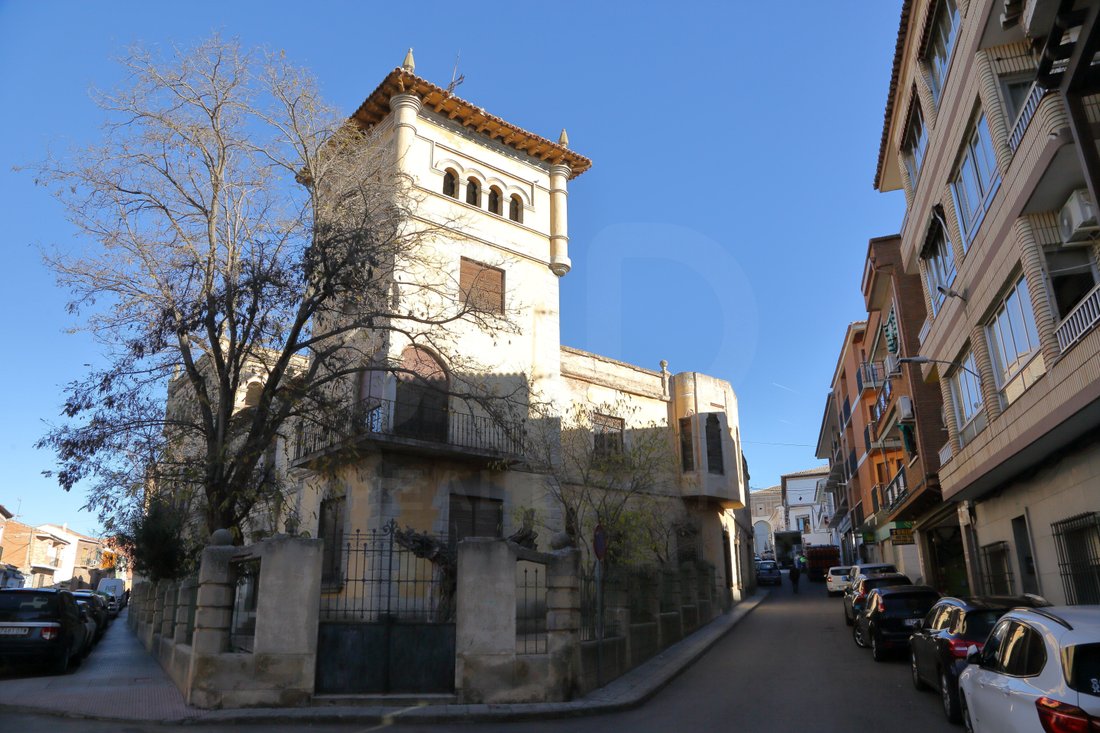
La Puebla de Montalban, Castile-La Mancha, Spain
€525,000
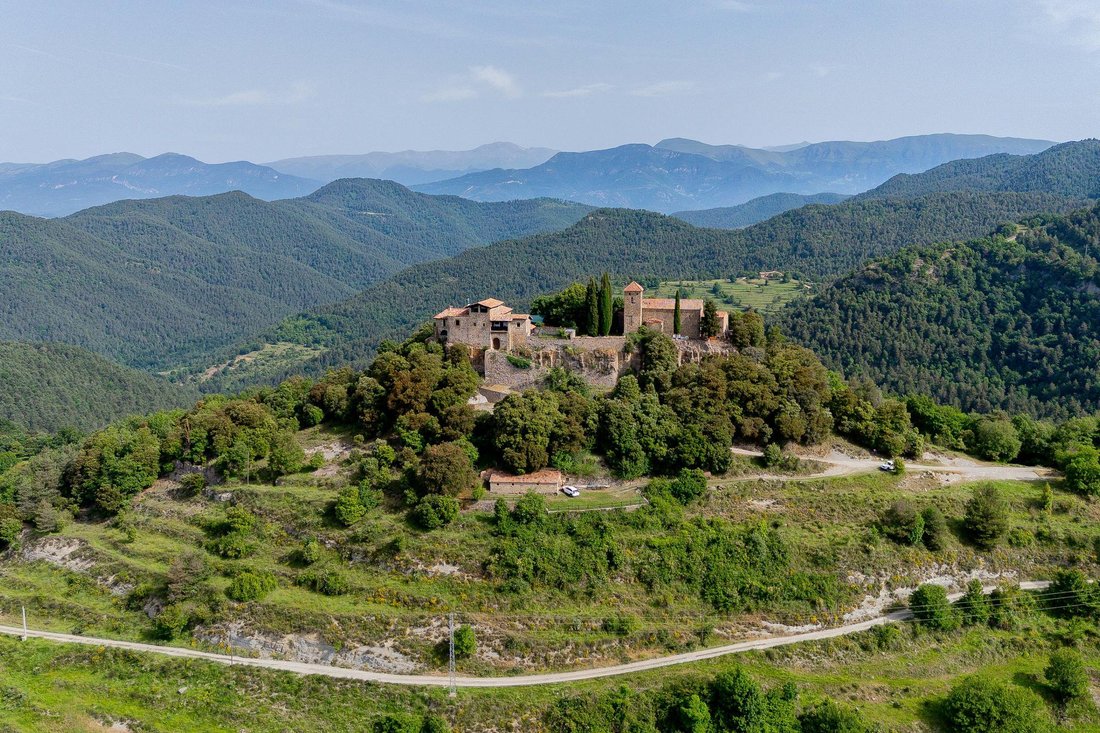
Ripoll, Catalonia, Spain
Price On Request
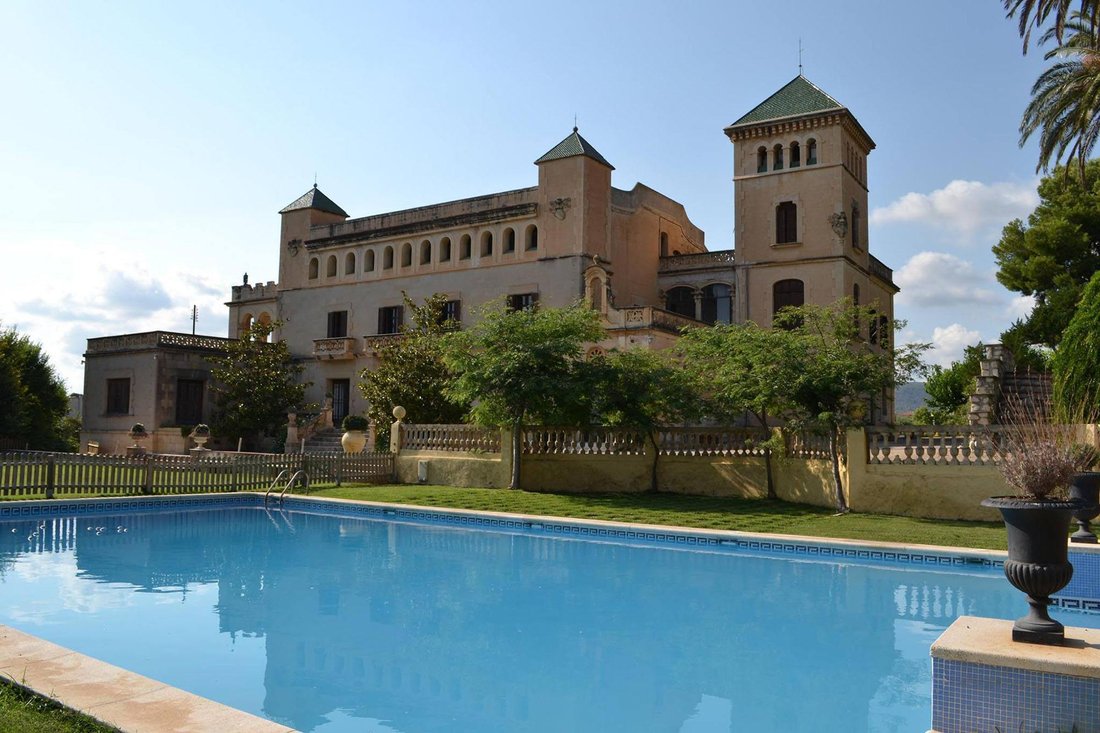
Banyeres del Penedes, Catalonia, Spain
Price On Request
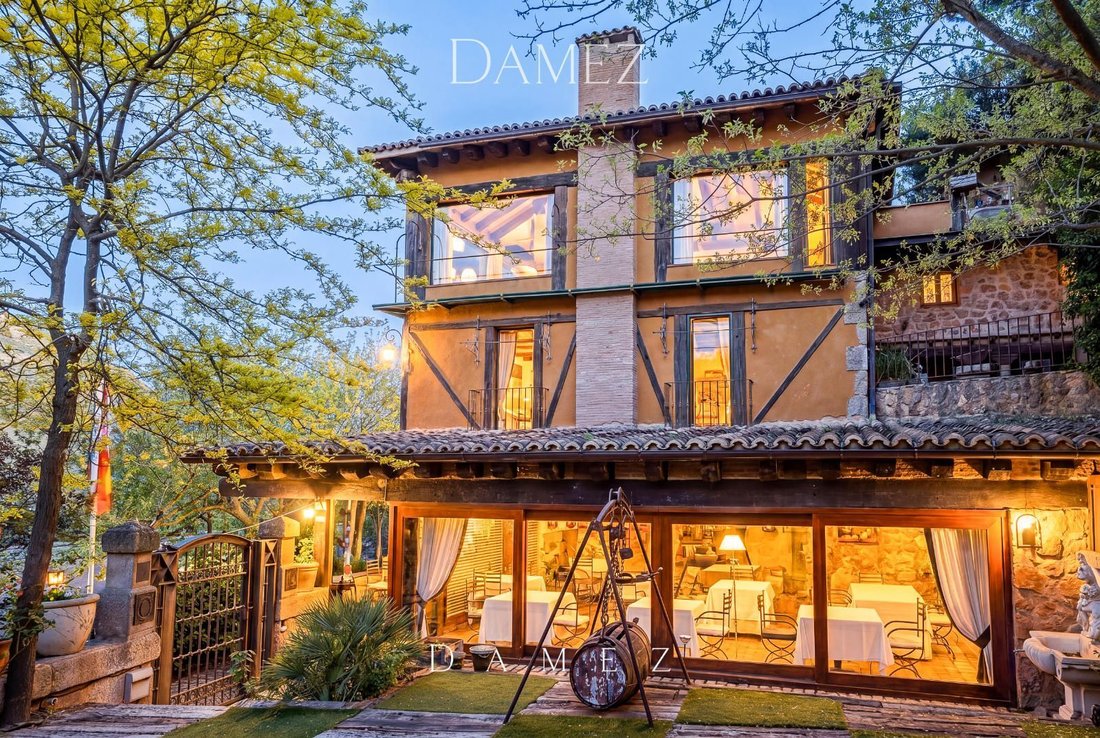
Arcos de Jalon, Castile and Leon, Spain
€4,200,000
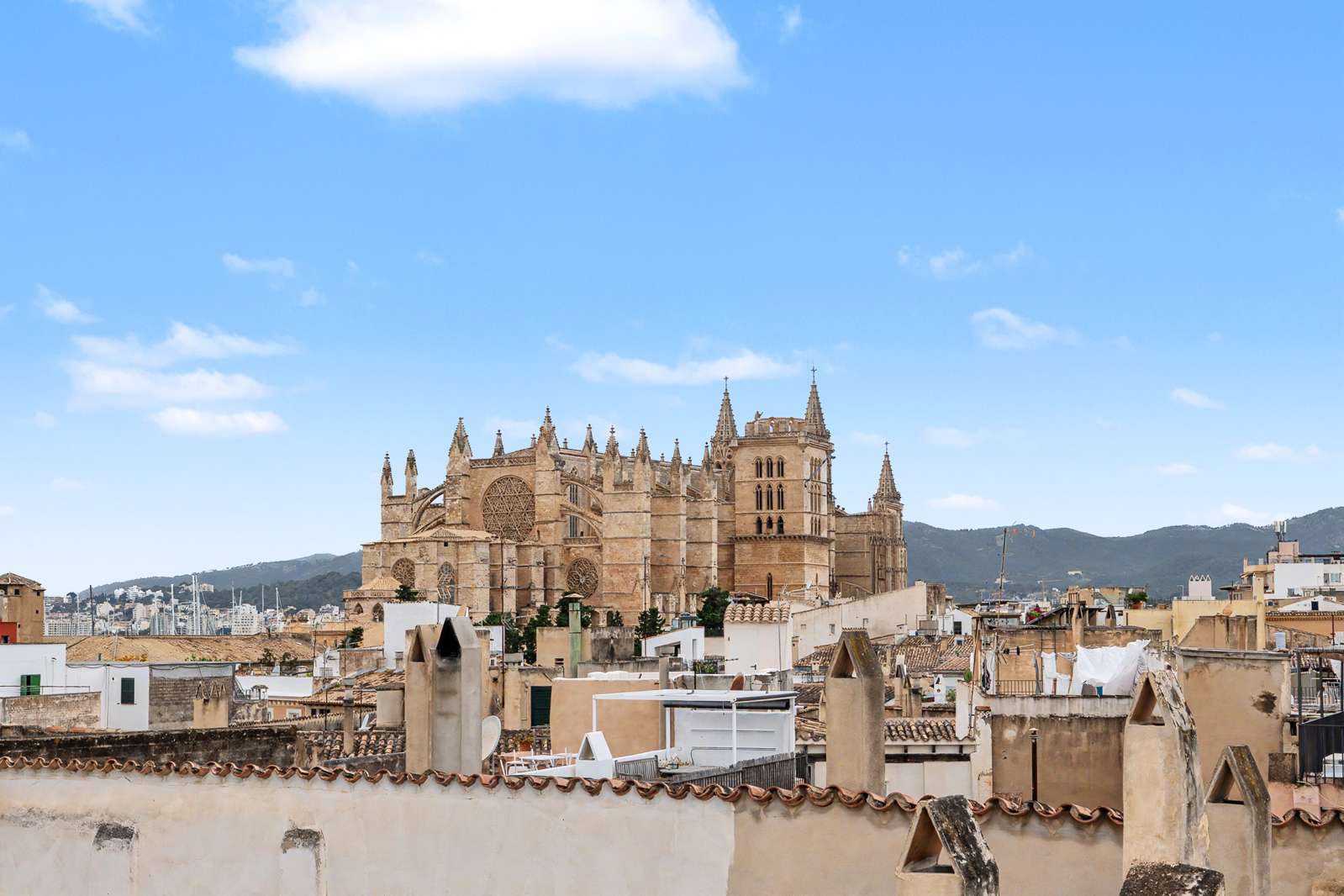
Palace, Palma Old Town, Palma de Mallorca, Mallorca, 07001
POA
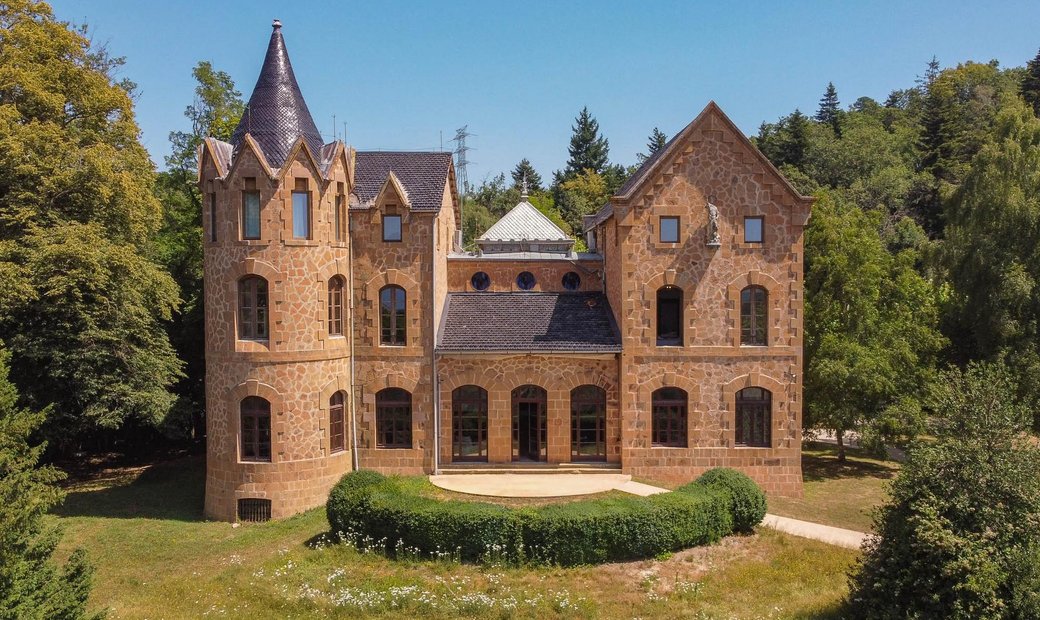
Sant Hilari Sacalm, Catalonia, Spain
€3,250,000
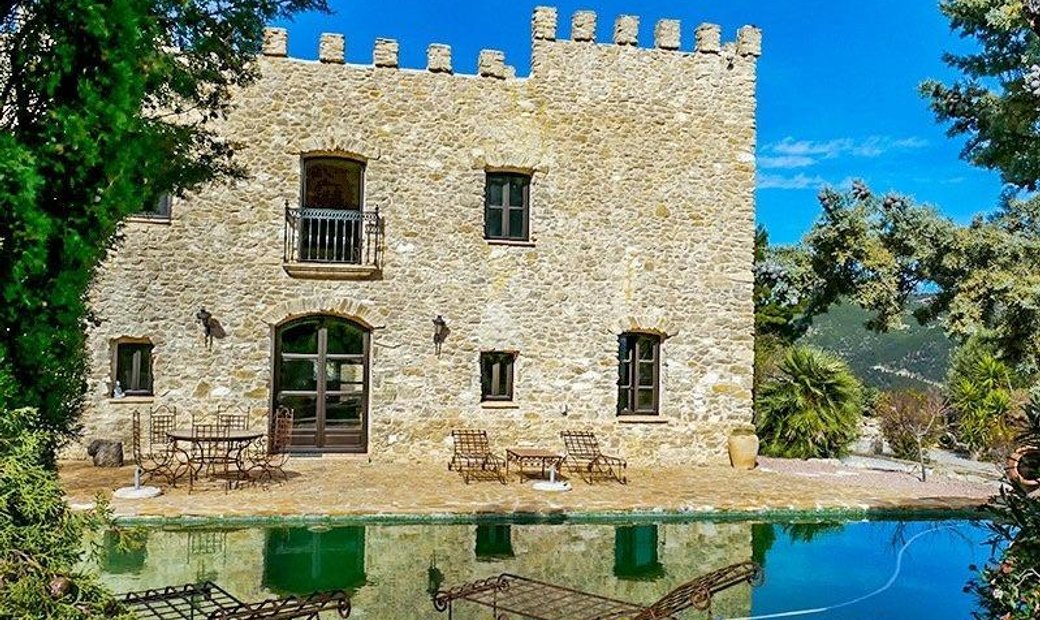
Relleu, Valencian Community, Spain
€2,149,000
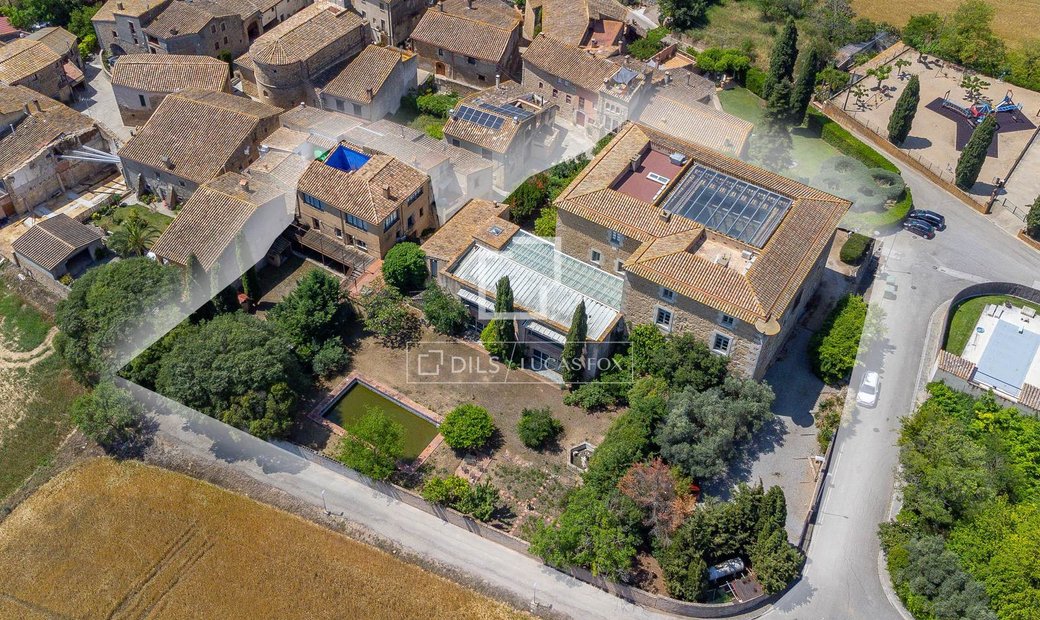
Bascara, Catalonia, Spain
Price On Request
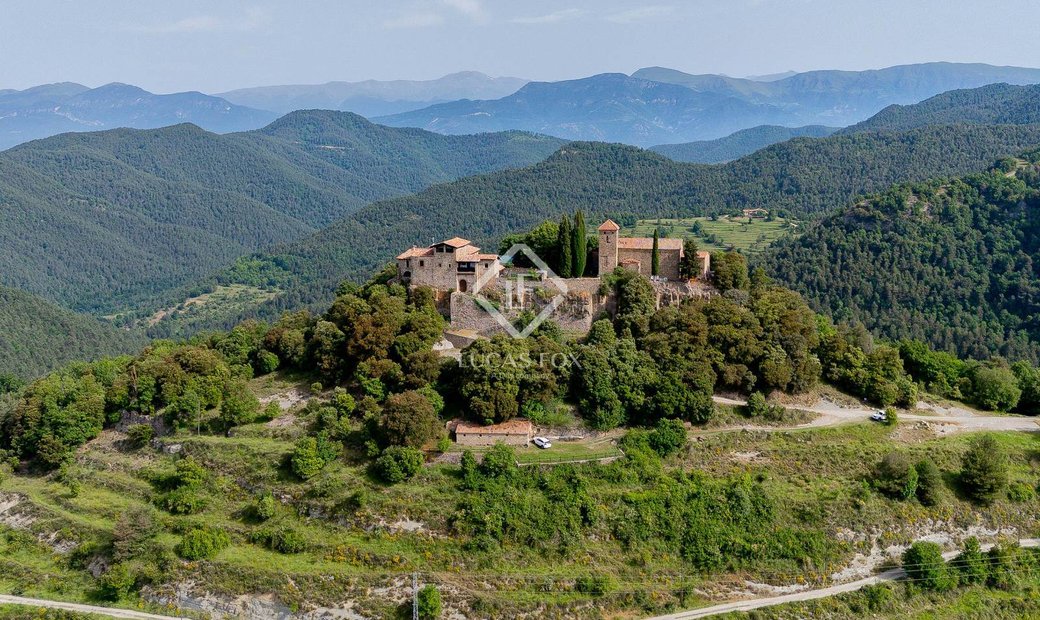
Ripoll, Catalonia, Spain
Price On Request
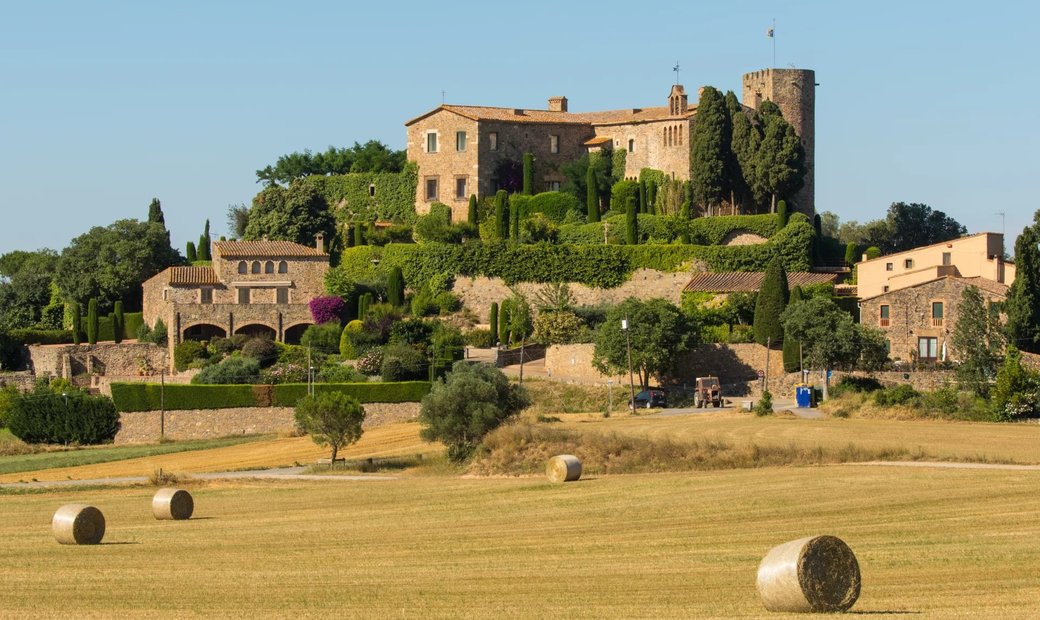
Foixa, Catalonia, Spain
Price On Request
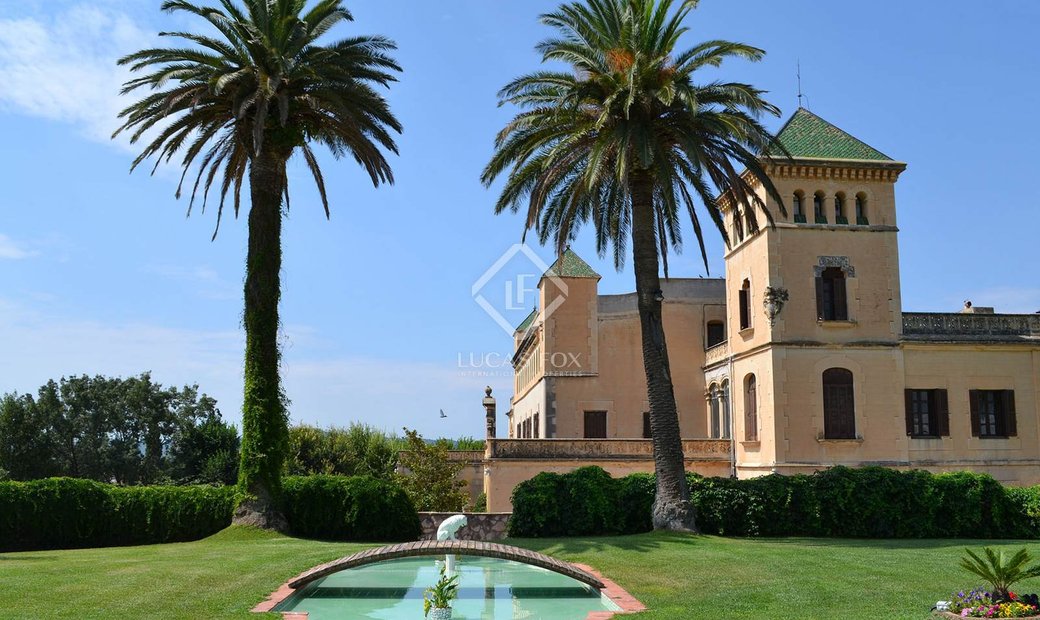
Banyeres del Penedes, Catalonia, Spain
Price On Request
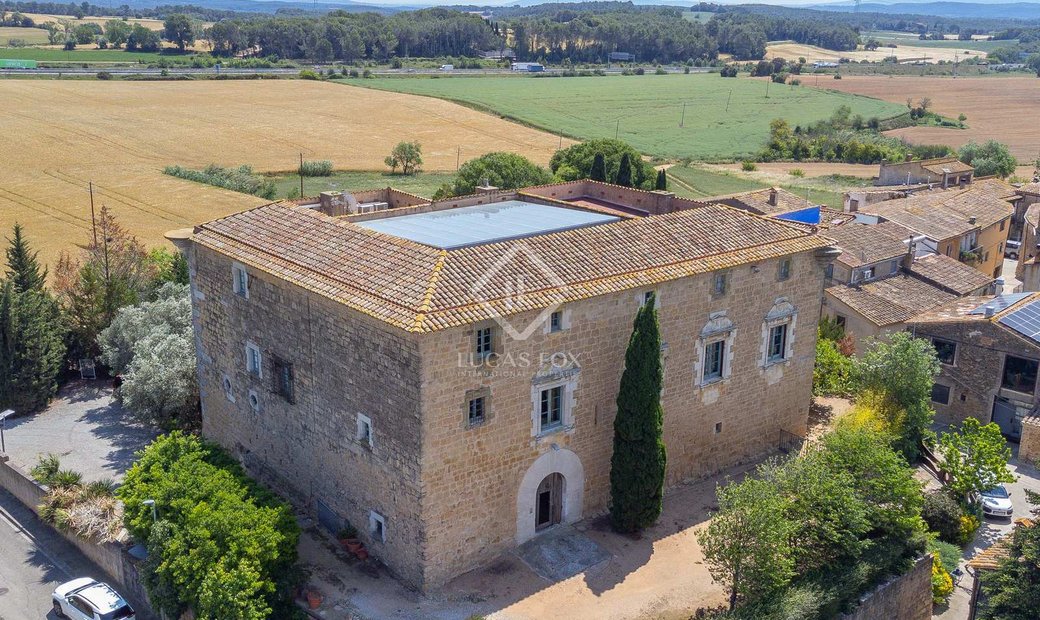
Bascara, Catalonia, Spain
€3,000,000
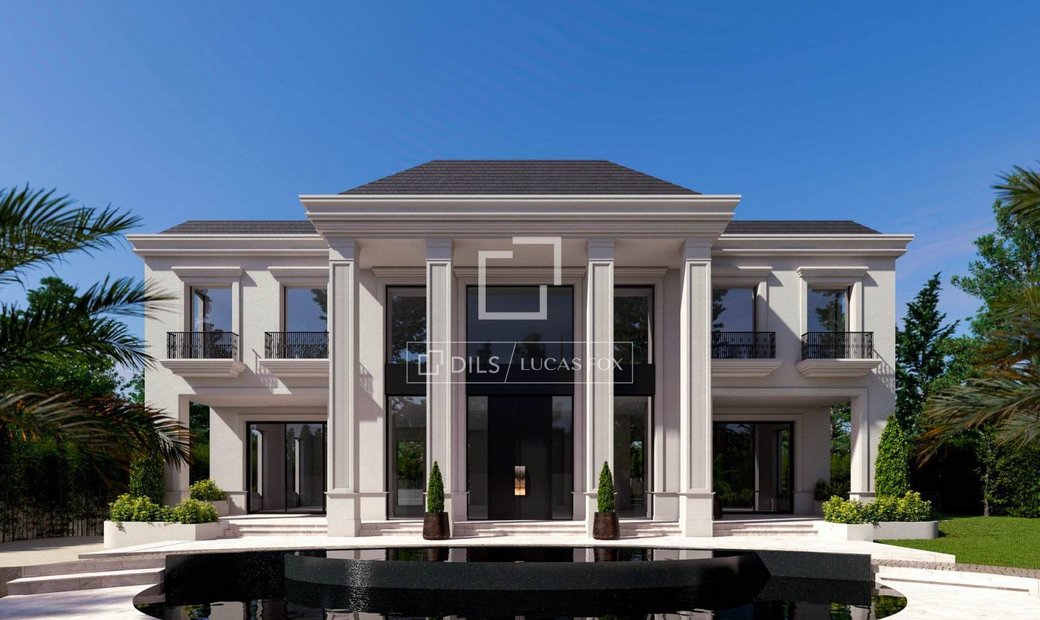
Hortaleza, Madrid, Spain
Price On Request
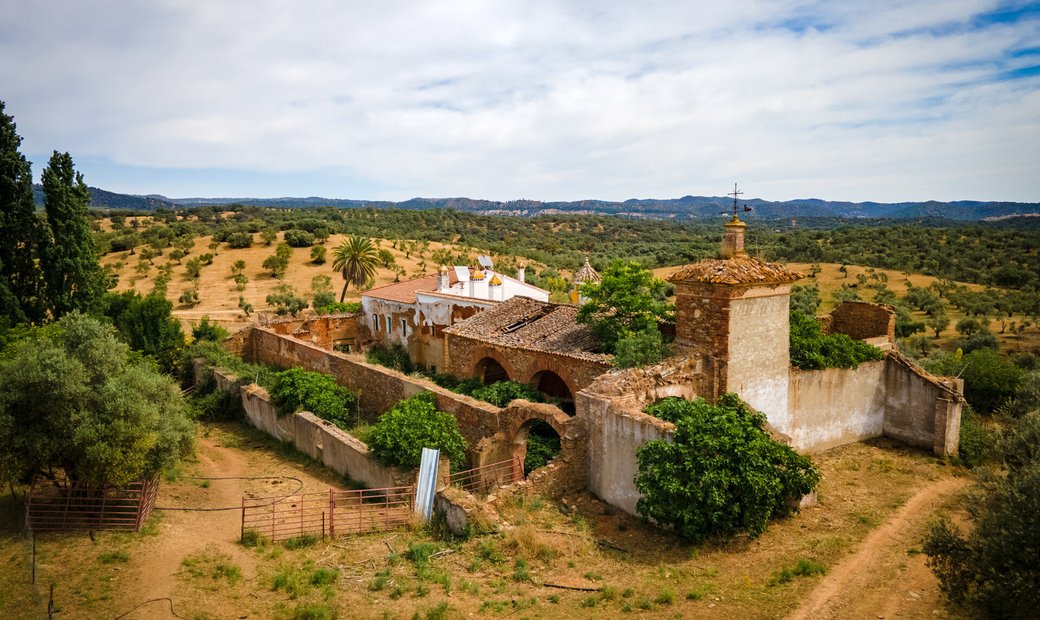
Casco Antiguo, Seville, Spain
€1,450,000
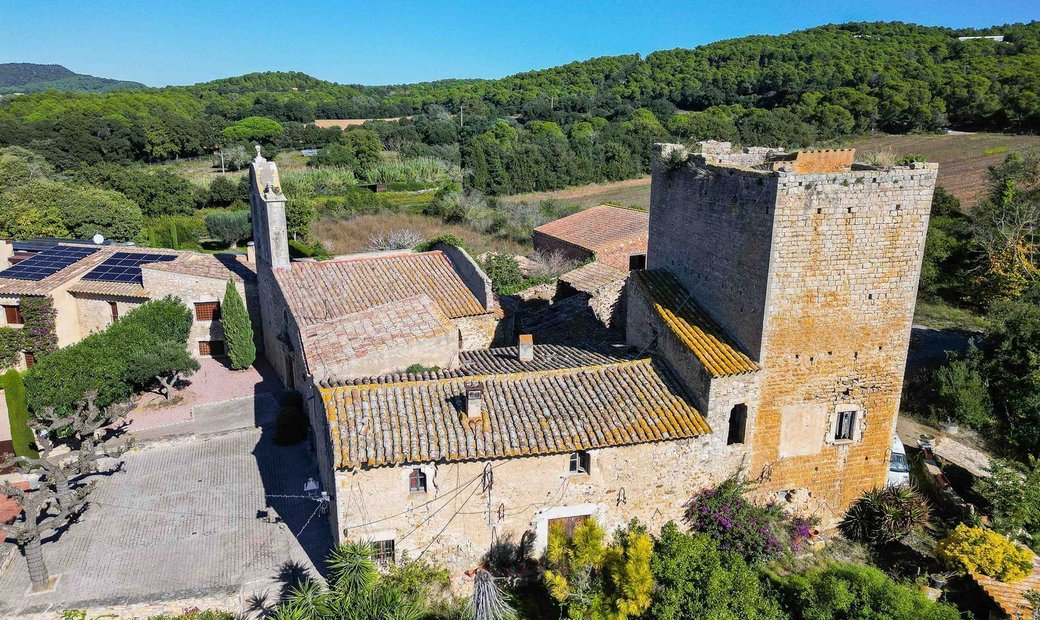
Sant Climent de Peralta, Forallac, Spain
€4,500,000
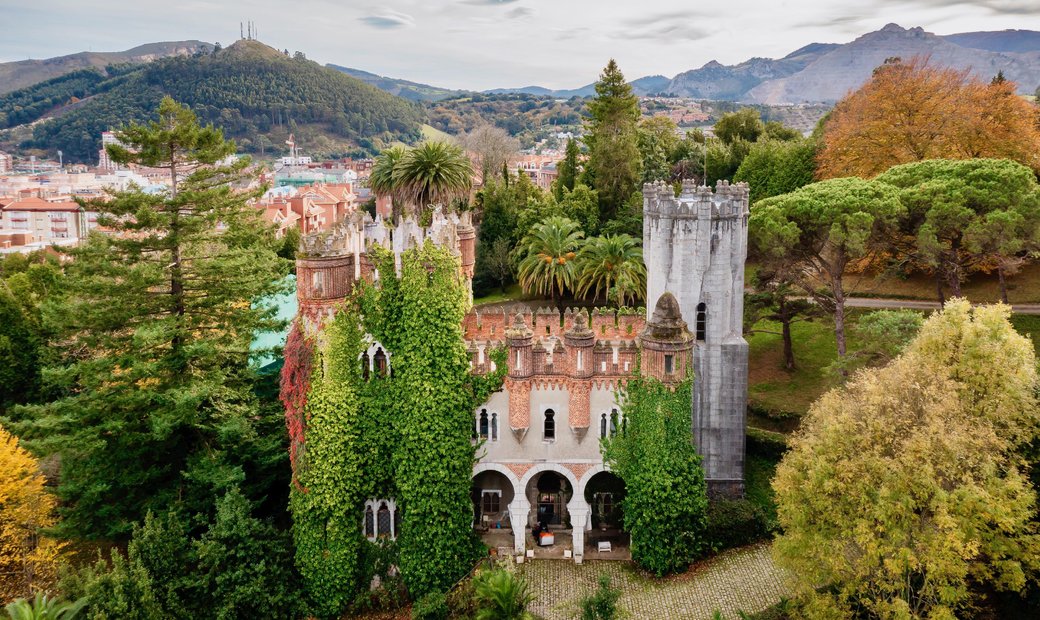
Castro-Urdiales, Cantabria, Spain
€6,500,000
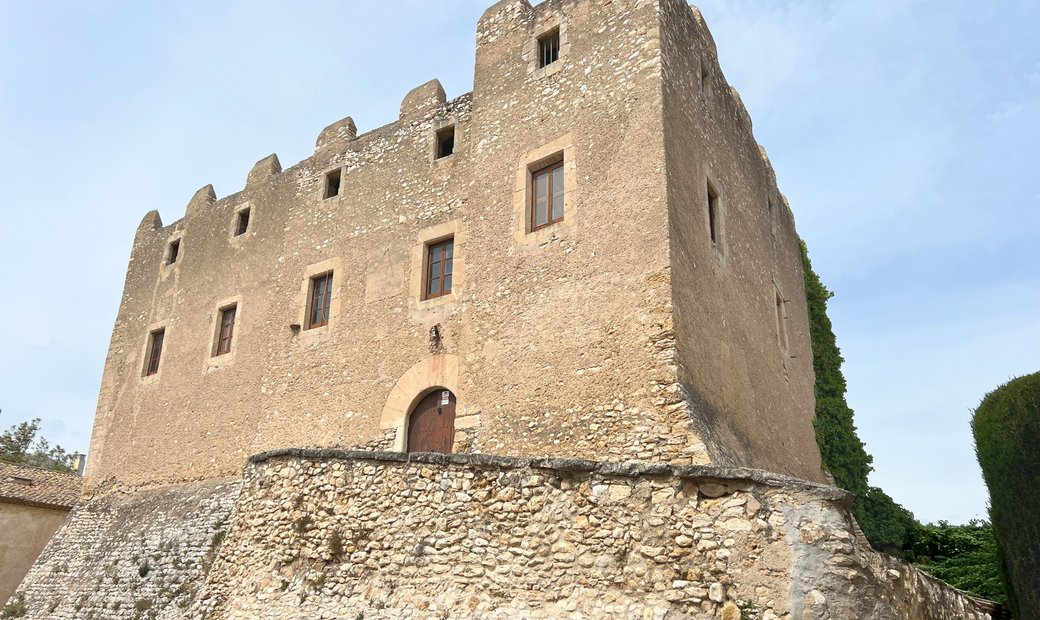
Creixell, Catalonia, Spain
€2,600,000
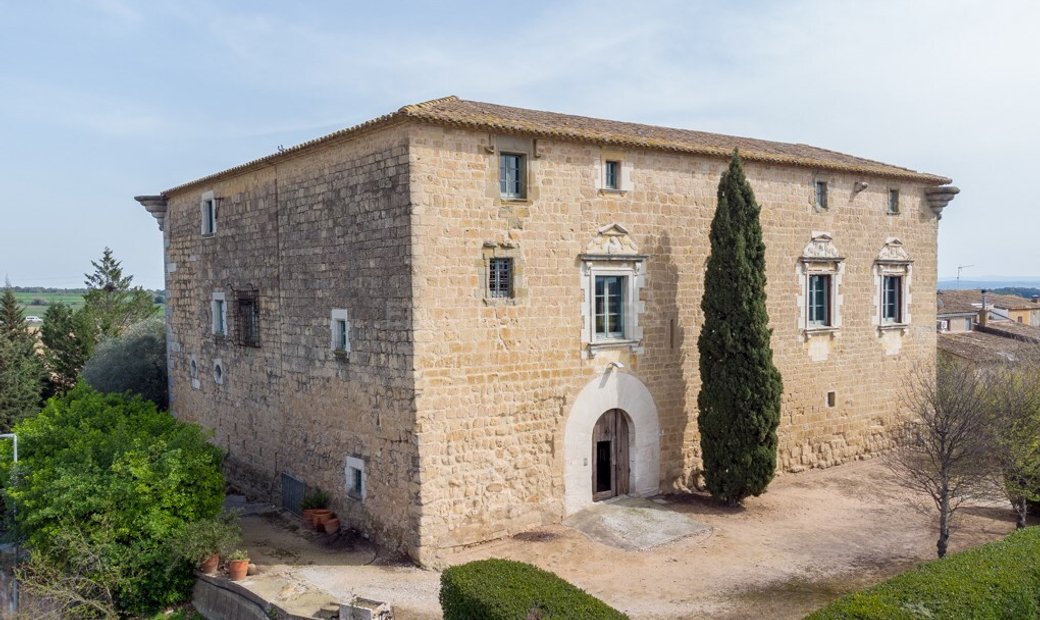
Bascara, Catalonia, Spain
€3,865,000
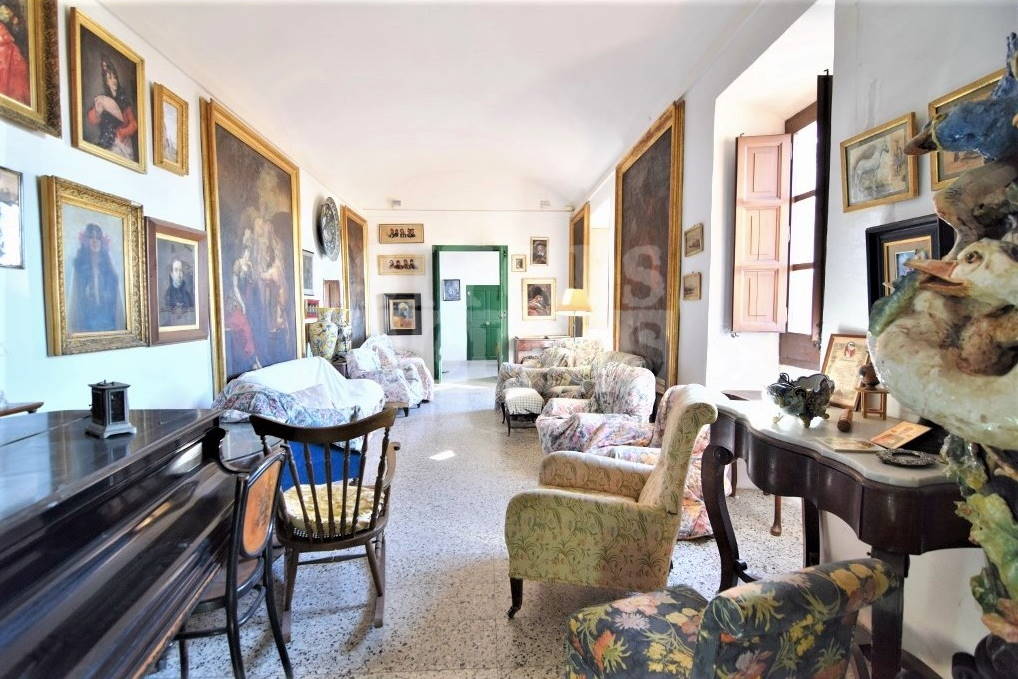
Tarragona, Spain
€2.95m
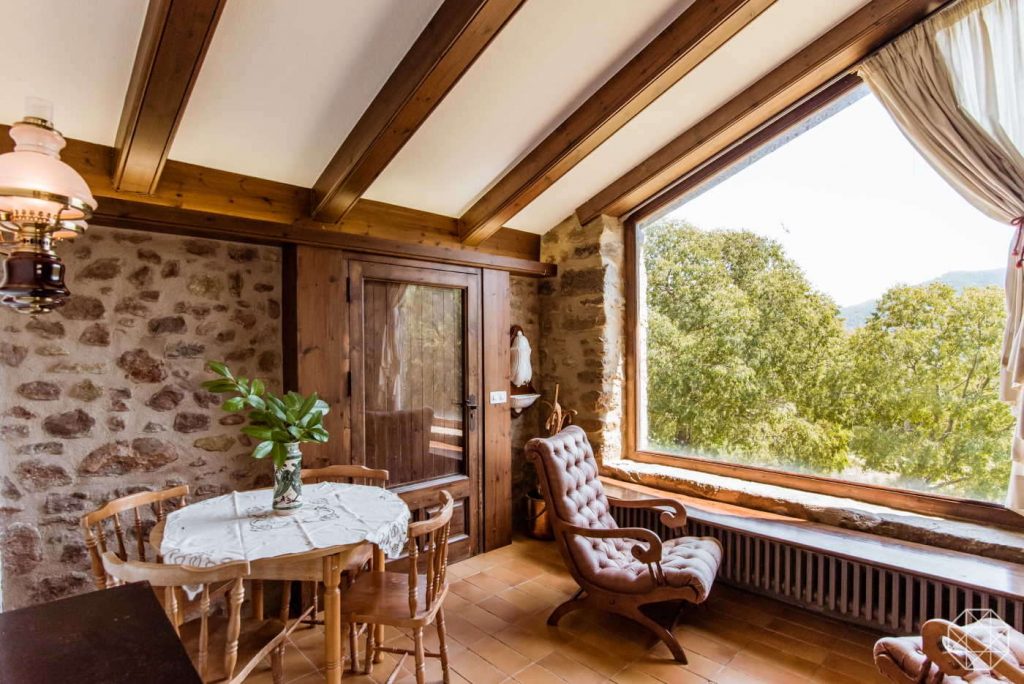
Garrotxa, Catalonia, Spain
€1.25m
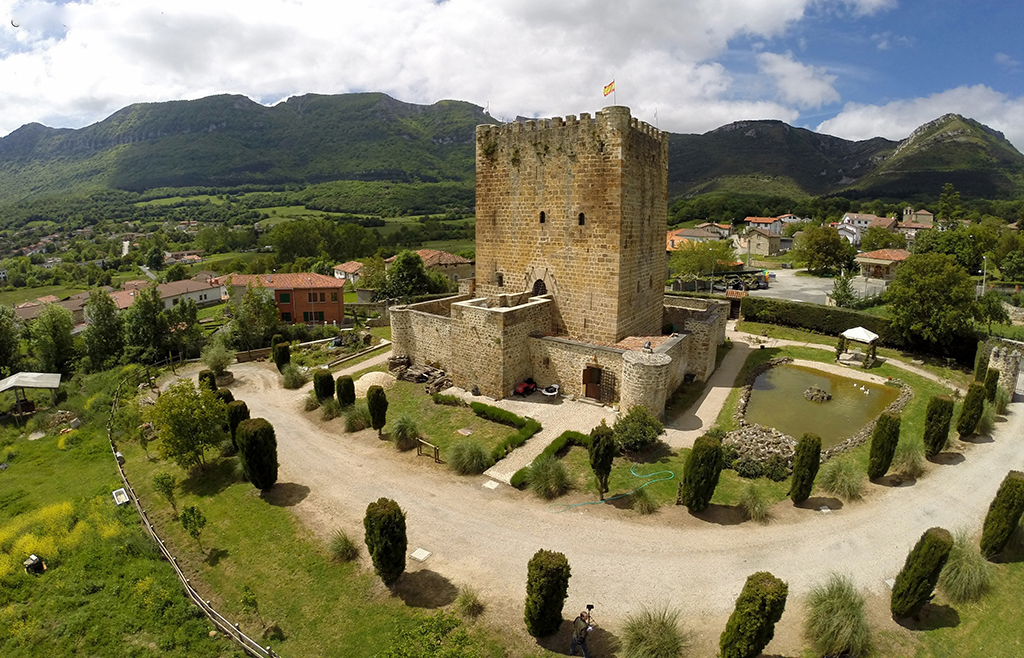
Burgos, Northern Spain
€POA
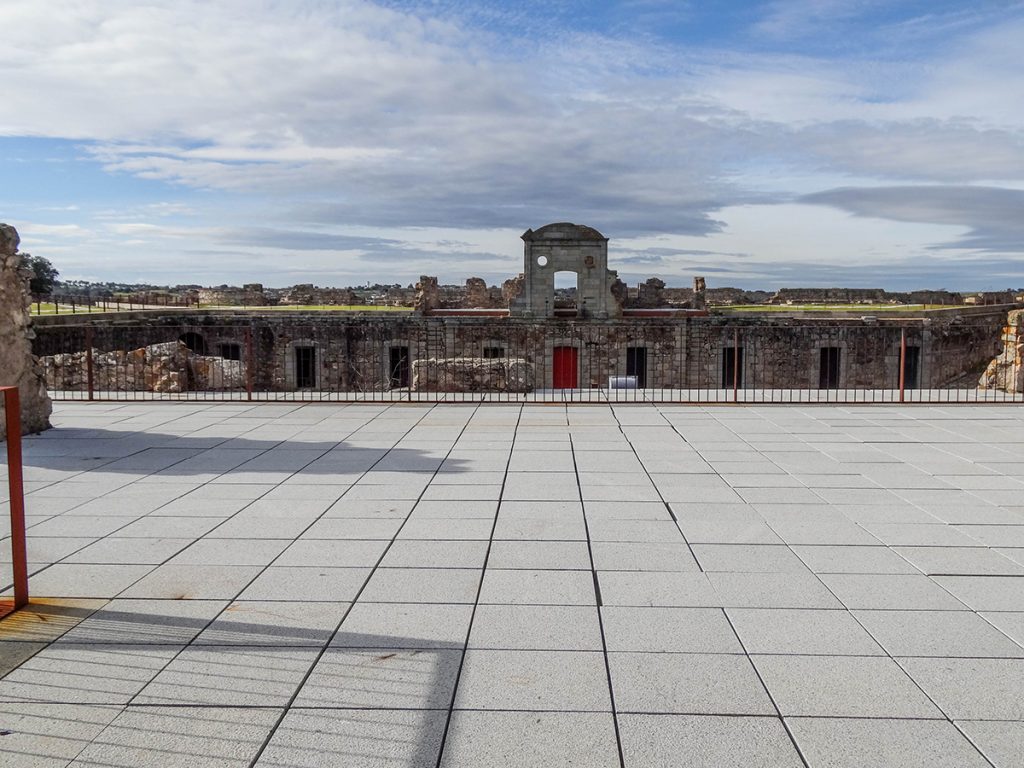
Salamanca, SPAIN
€15m
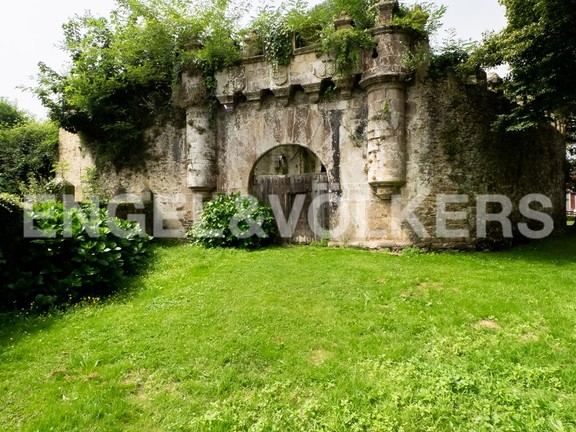
Asturias, SPAIN
€349k
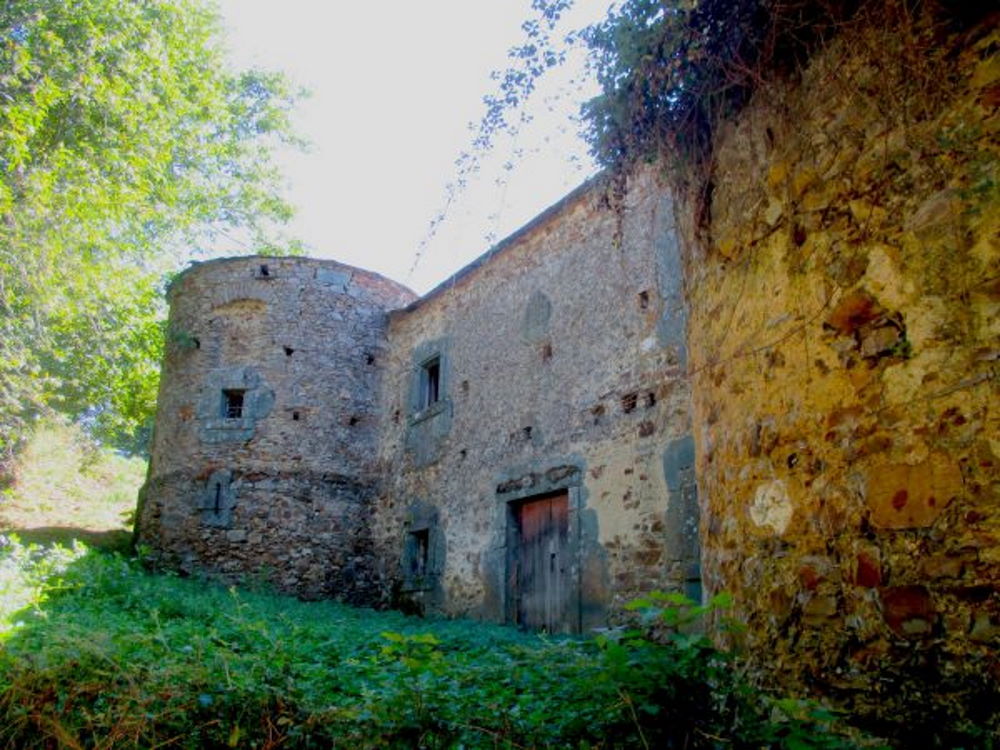
Los Ancares, SPAIN
€225k
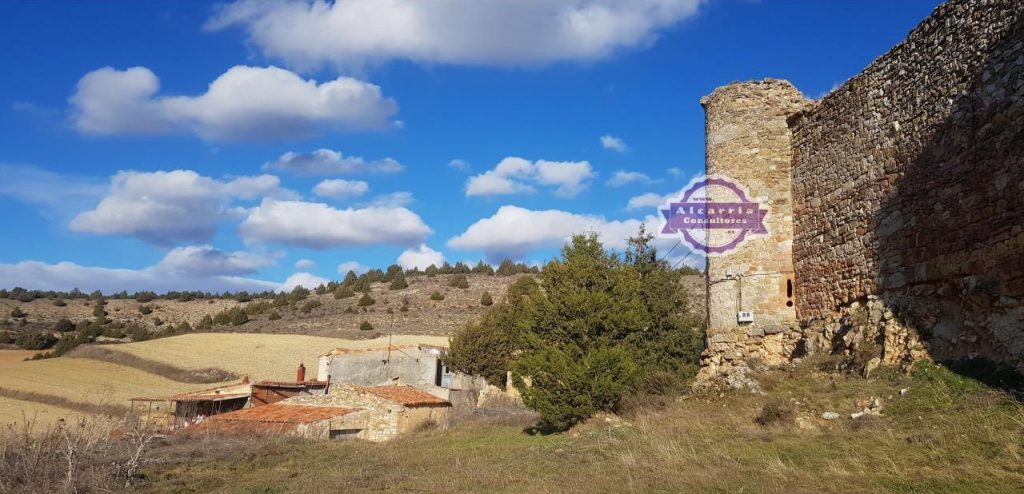
Estables, SPAIN
€450k
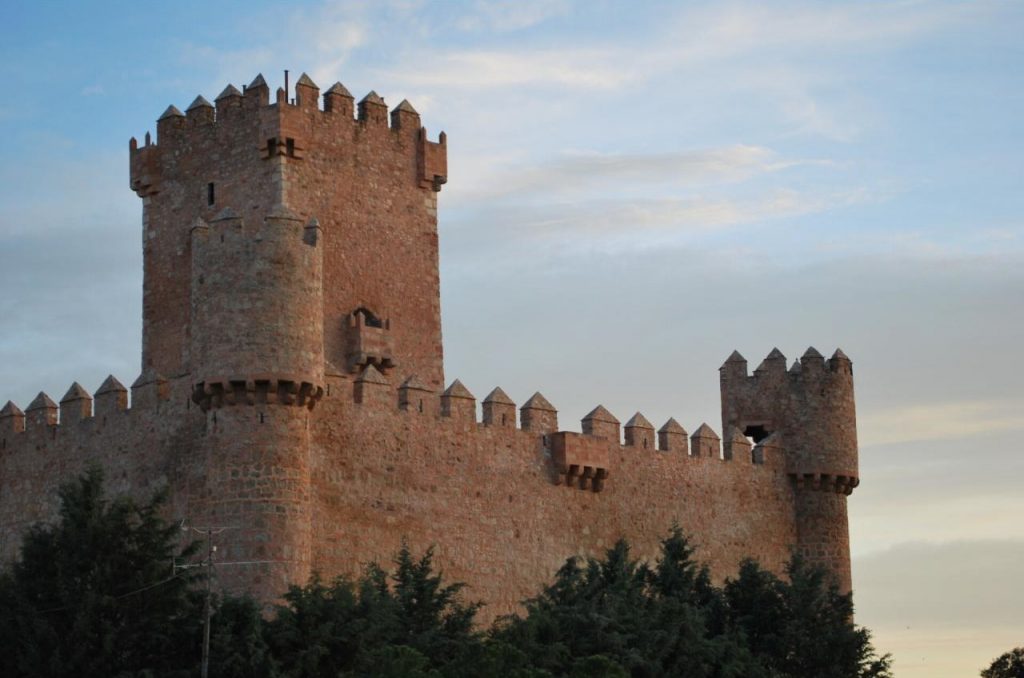
Siguenza (Guijosa), SPAIN
€2m
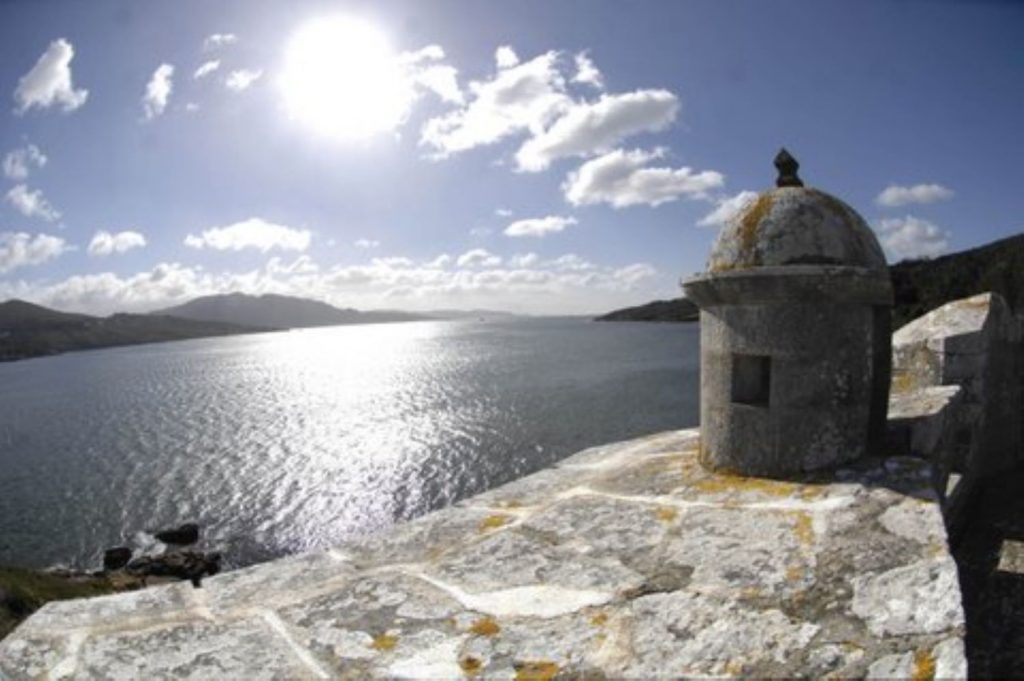
Corcubión, Spain
€3m
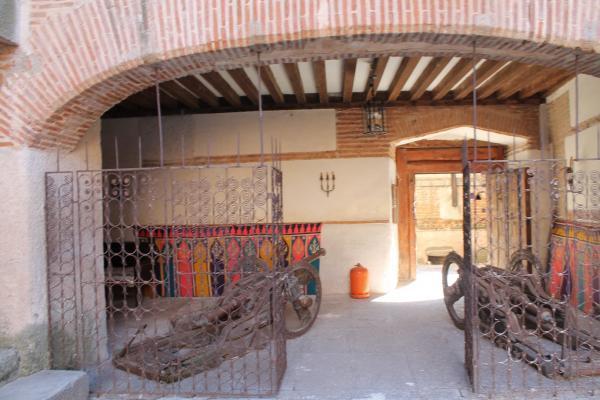
Castile and Leon, SPAIN
€500k
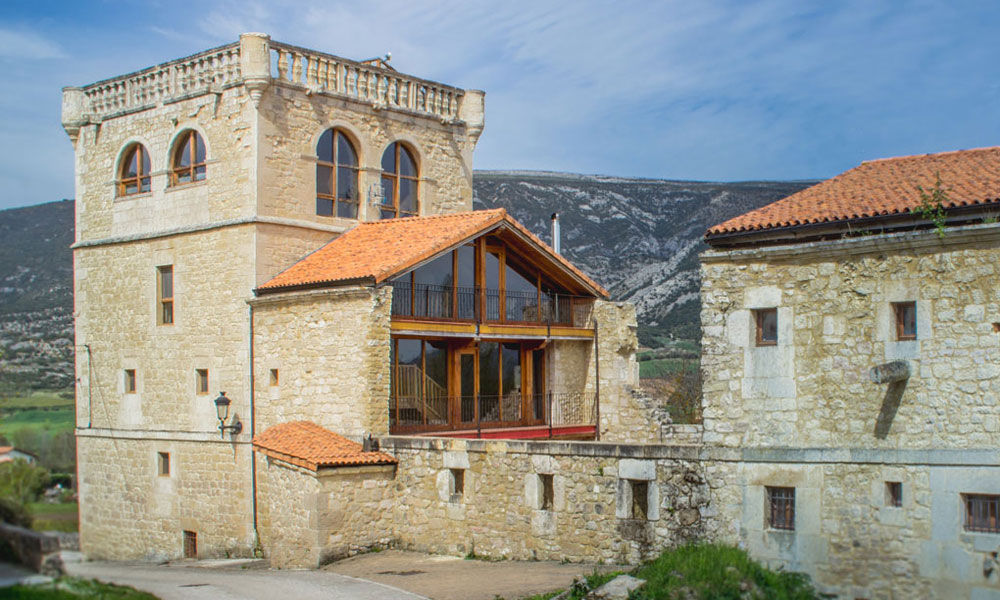
Castilla y Leon, SPAIN
1.5m
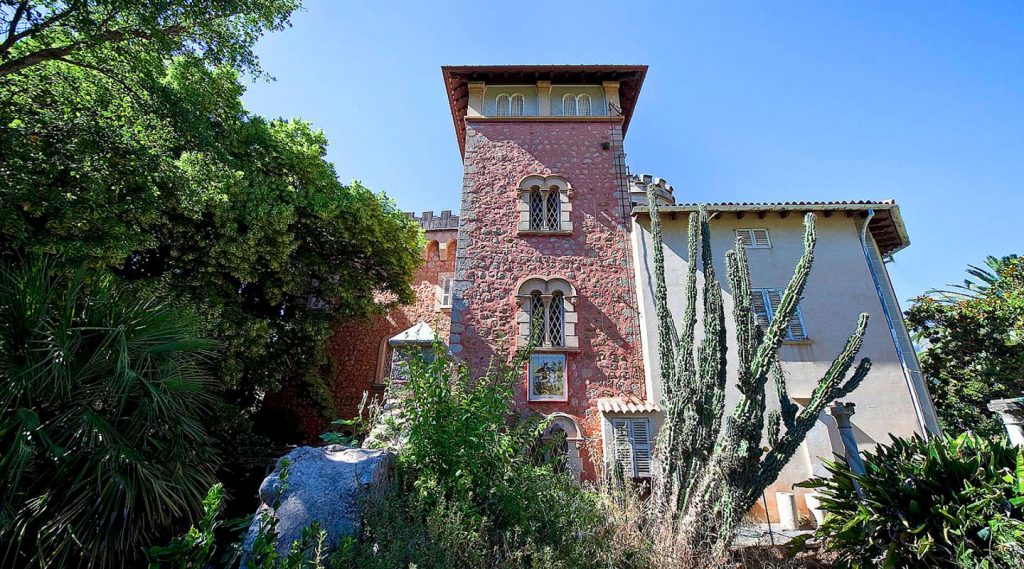
Mallorca, SPAIN
€2.9m
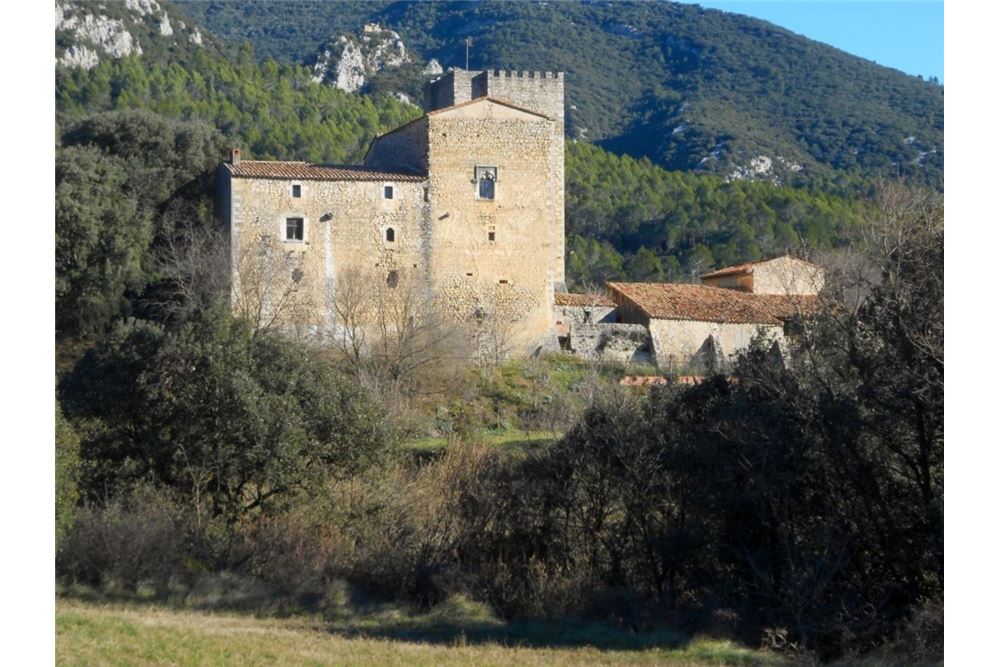
Beuda, SPAIN
€1.5m
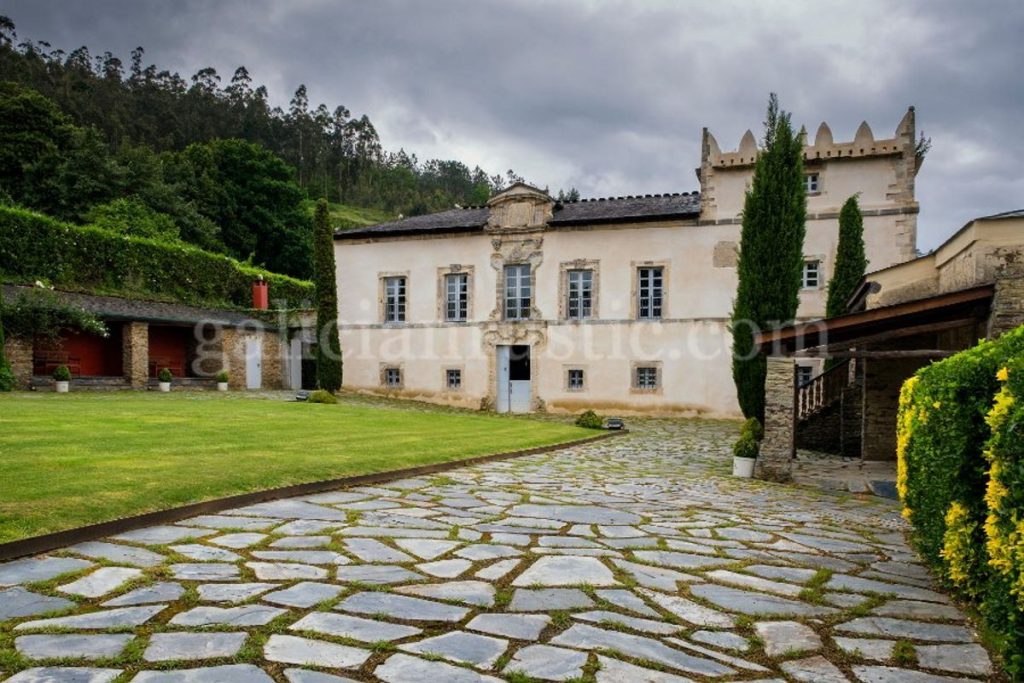
Abres, on the left bank of the River Eo, looking towards its source. Abres is a village and parish of the Council of Vegadeo (Asturias).
€1.8m
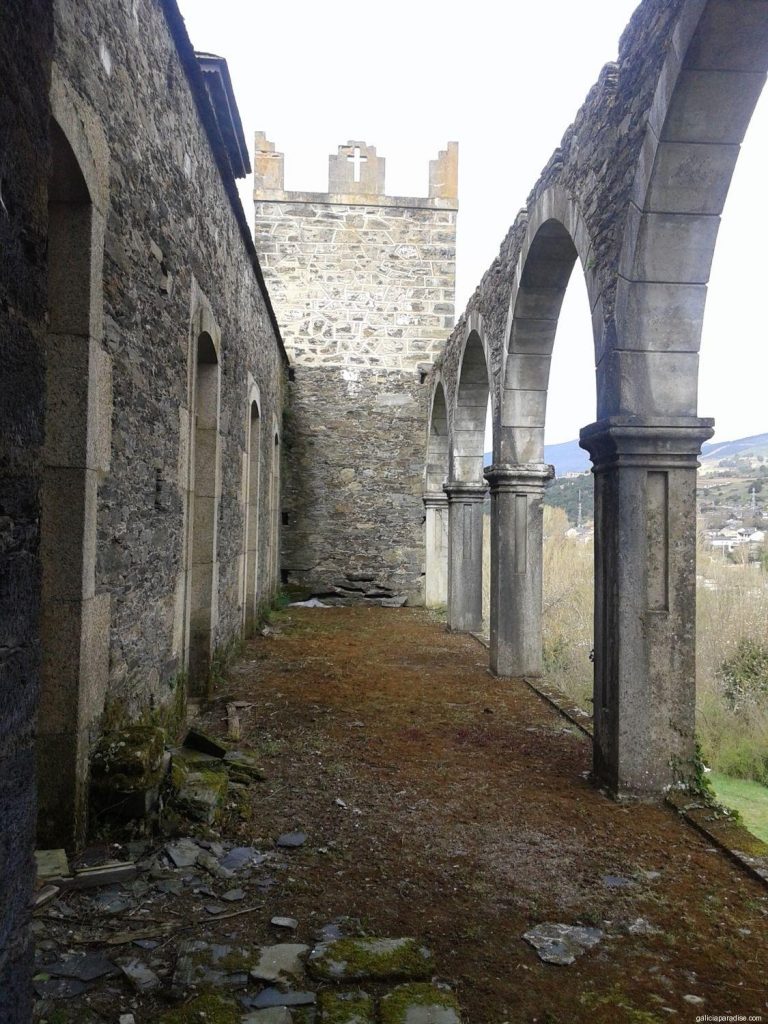
Galicia, SPAIN
€600k
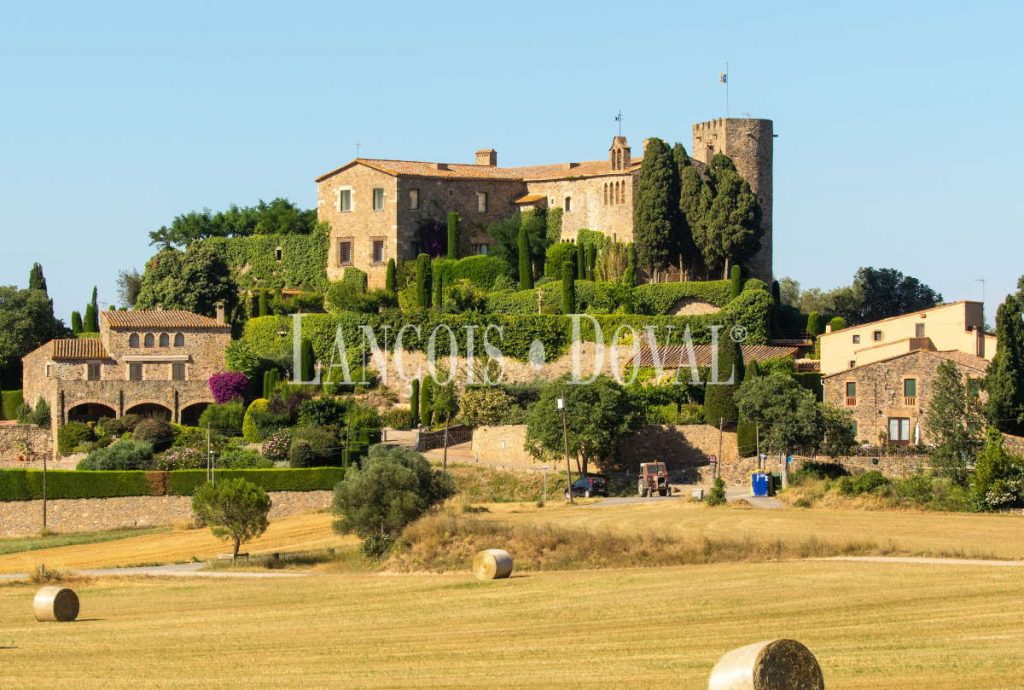
Girona, SPAIN
€10.75m
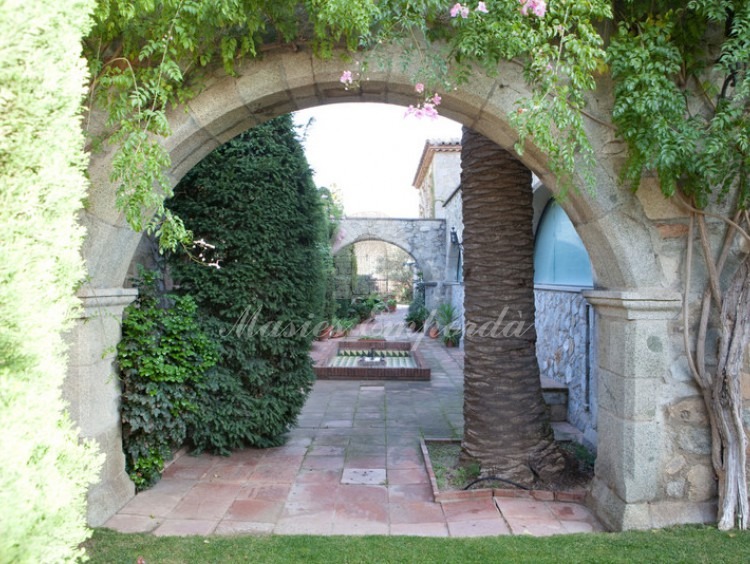
Maresme, Spain
€2.95m
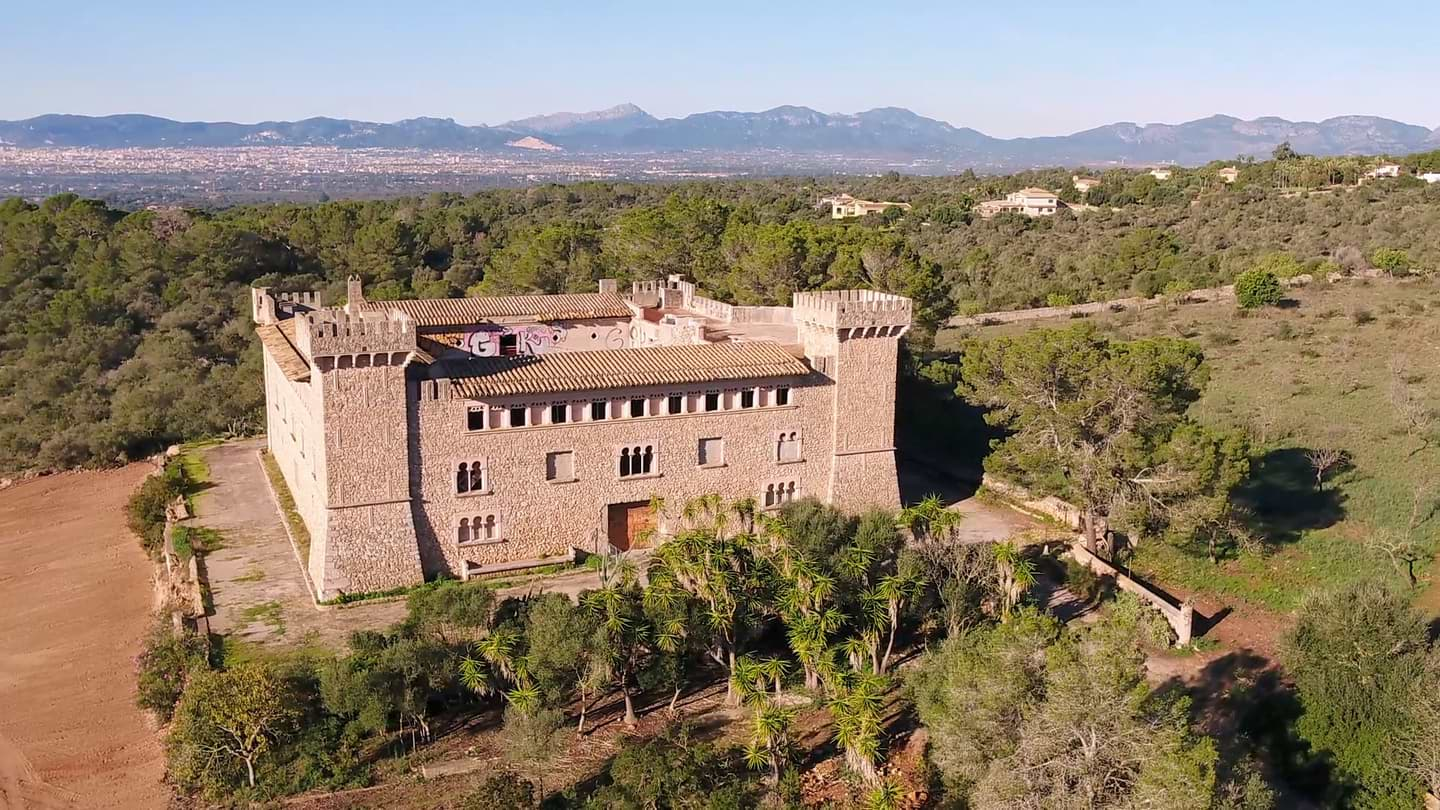
Mallorca, SPAIN
€2.85m
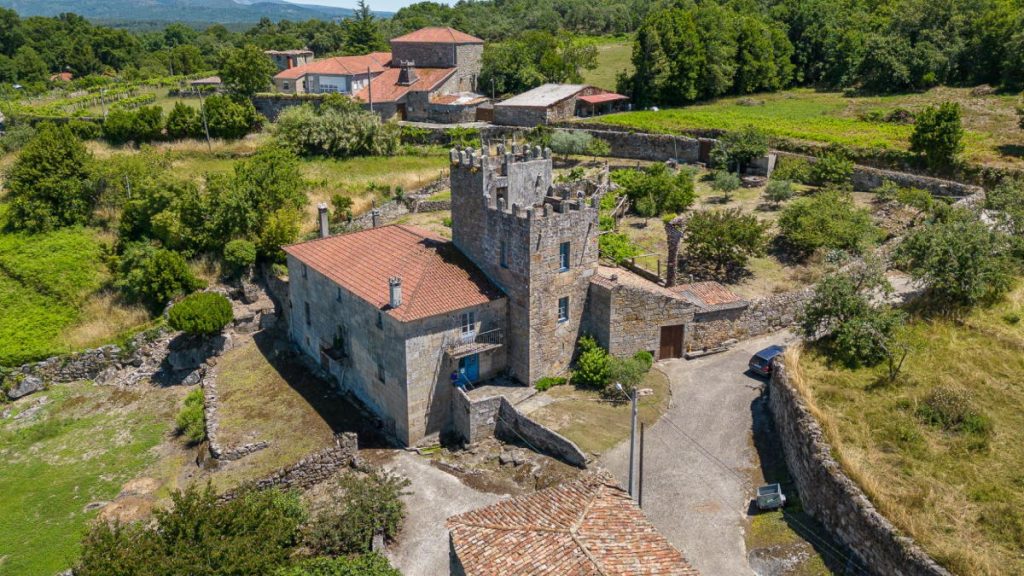
nr Ourense, SPAIN
€625k
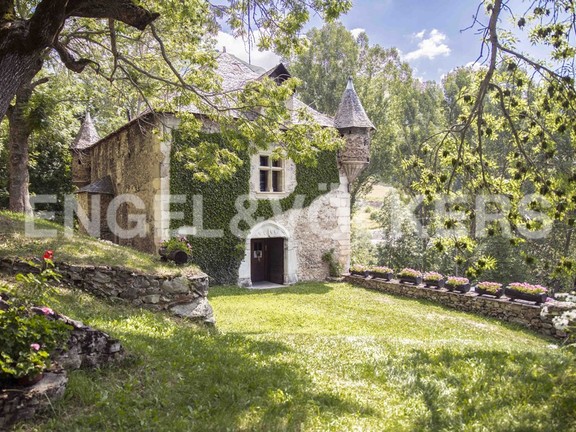
Lleida, SPAIN
€2.8m

Almeria, SPAIN
€3.3m
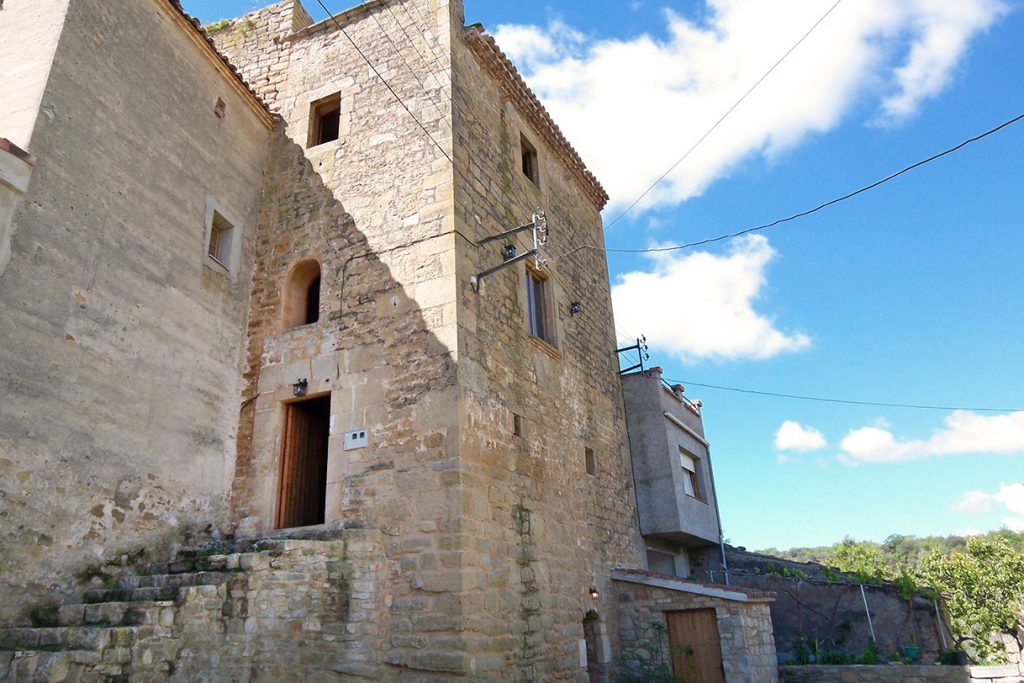
Lleida, SPAIN
€99k
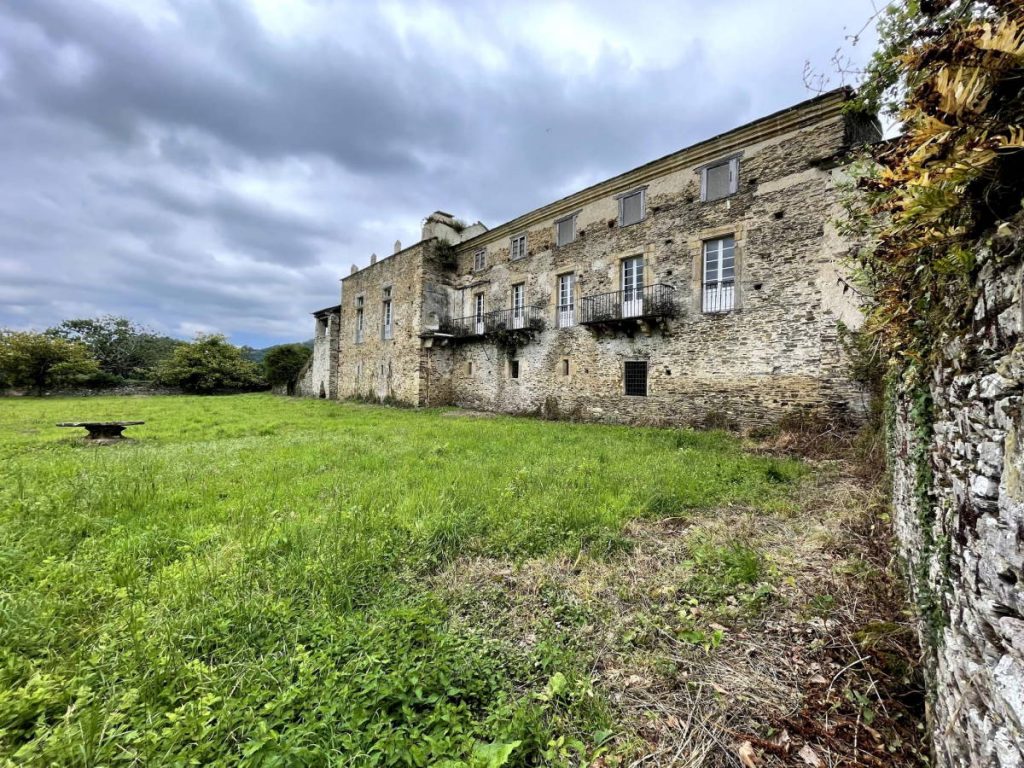
Mondonedo, SPAIN
€1.3m
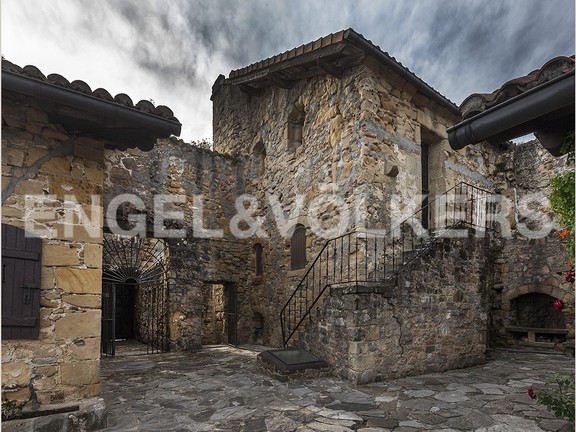
Hondaribbia, Spain
€POA
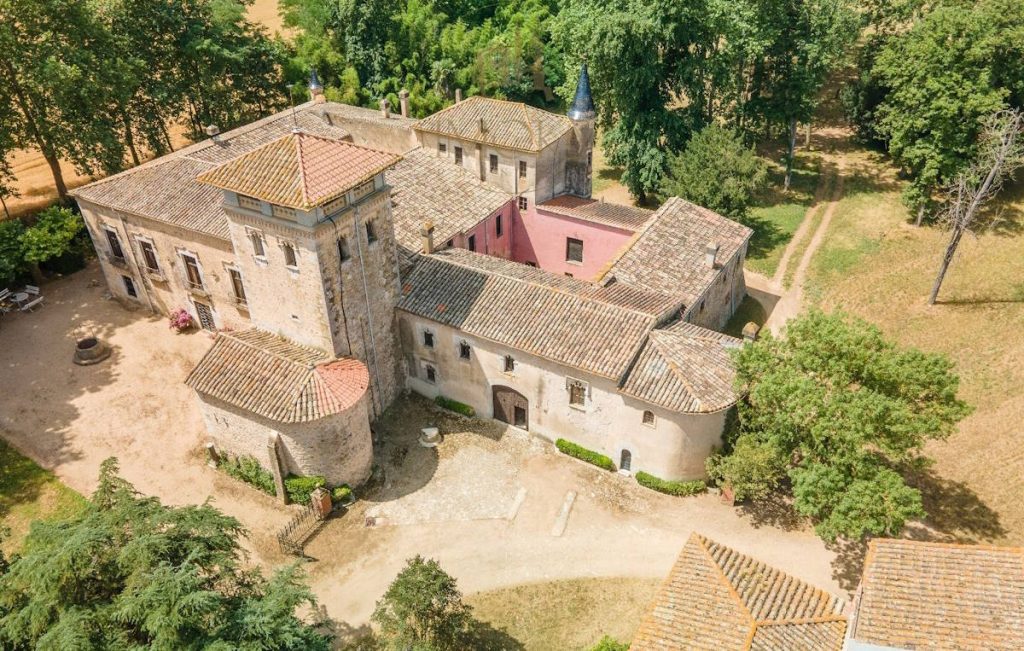
Girona, SPAIN
€POA
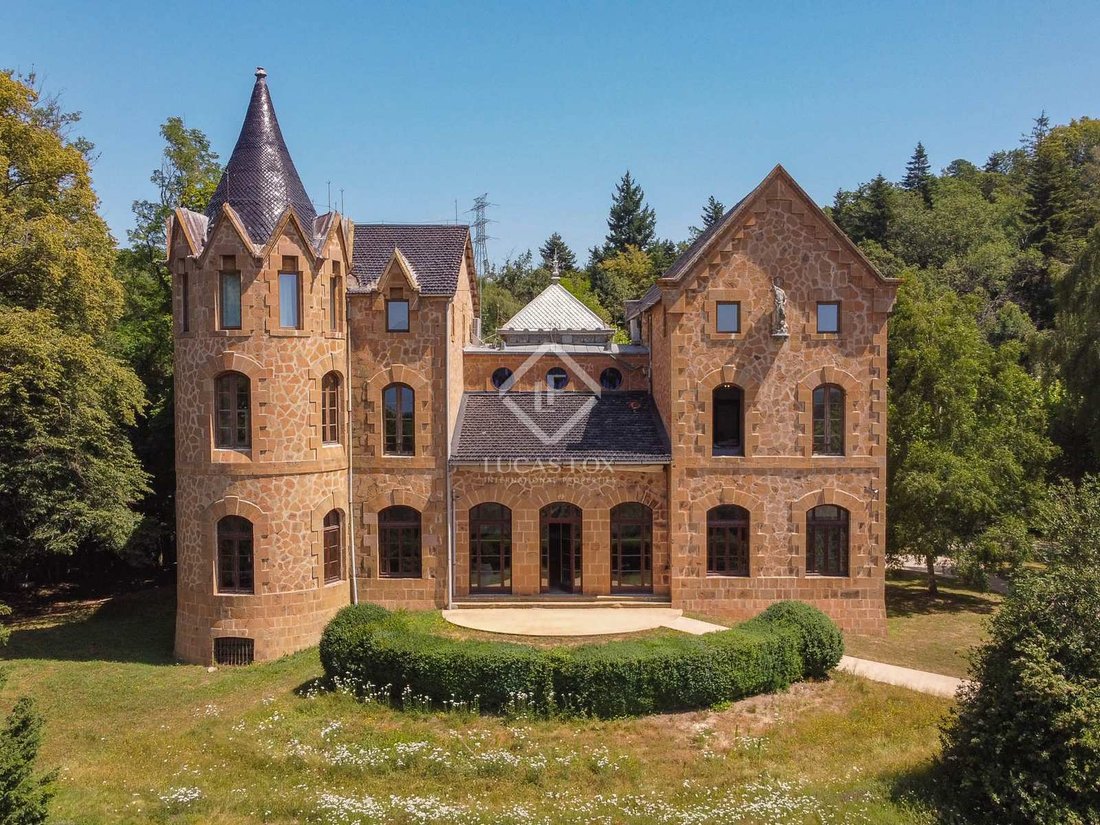
Sant Hilari Sacalm, Catalonia, Spain
$4,097,816
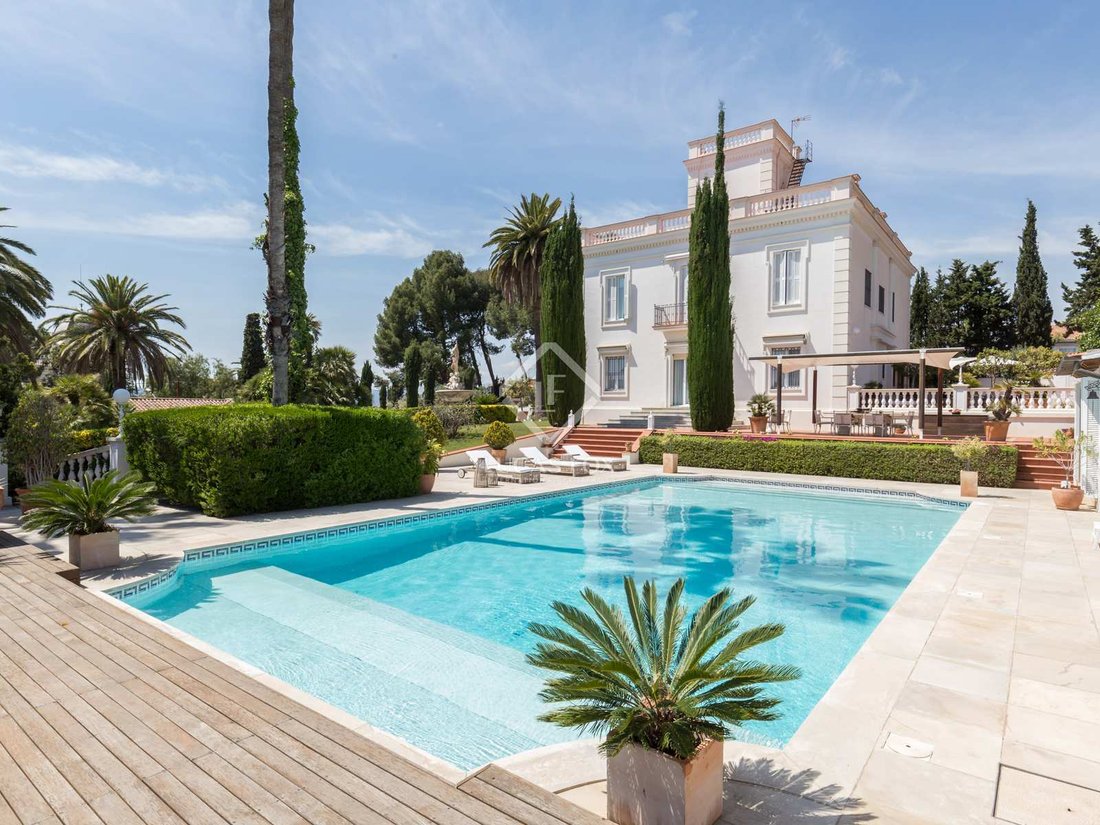
Sant Just Desvern, Catalonia, Spain
$11,389,347
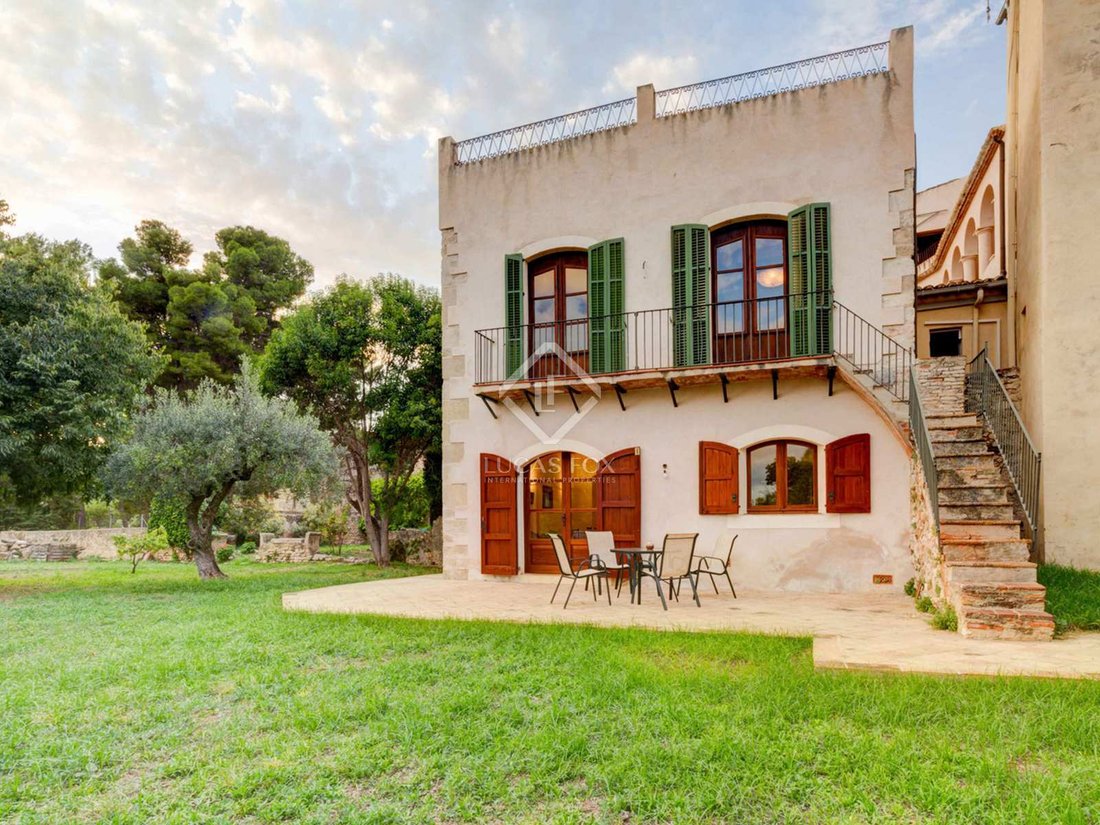
Aiguamurcia, Catalonia, Spain
$2,929,528
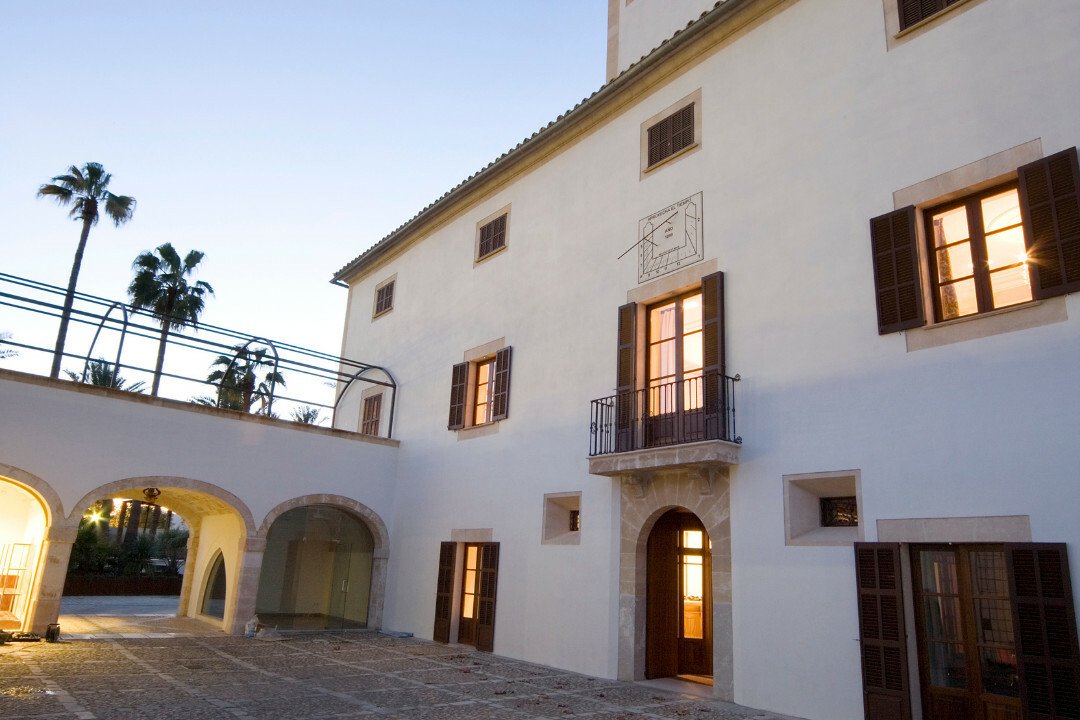
Palma, Balearic Islands, Spain
$11,389,347
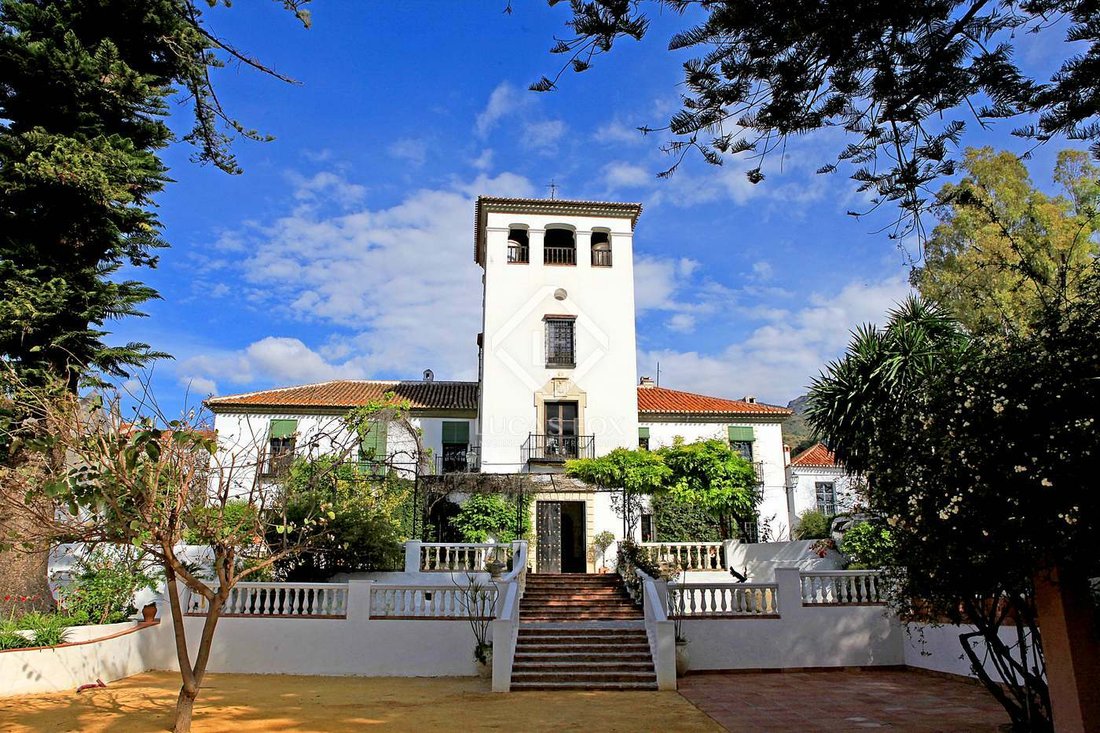
Otivar, Andalusia, Spain
$4,103,687
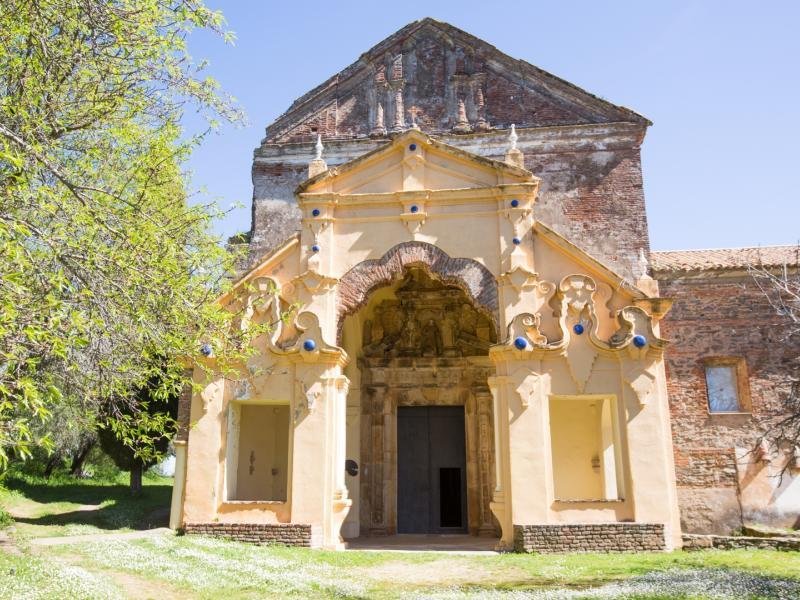
Nervion, Seville, Spain
Price On Request
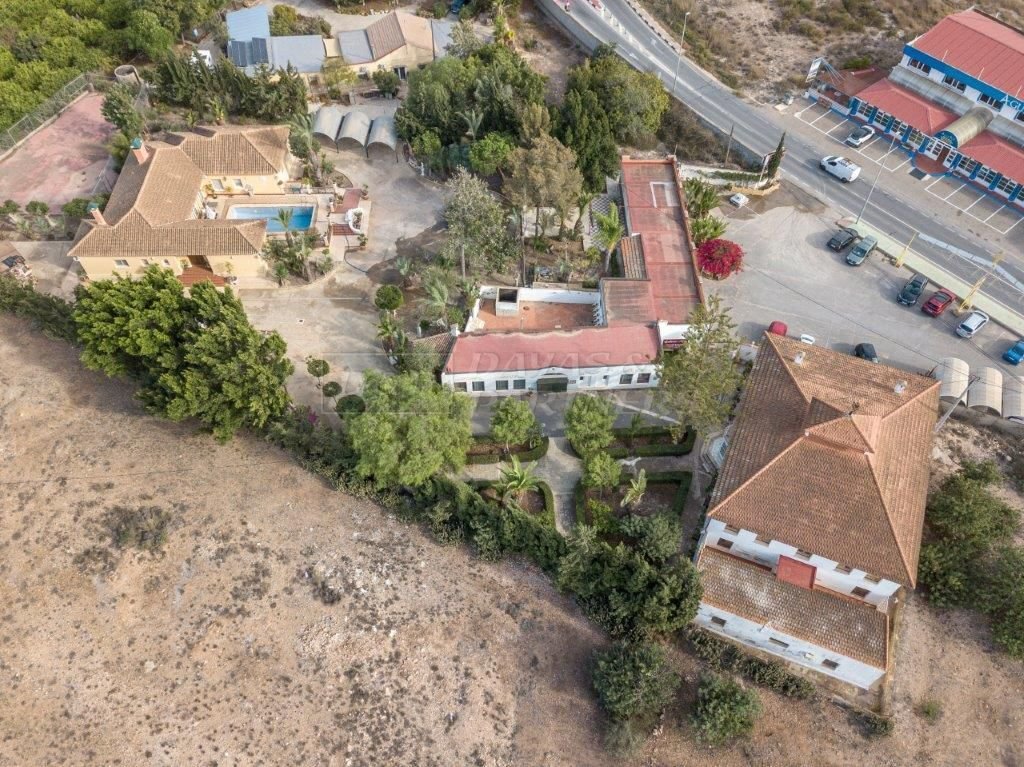
Los Montesinos, Valencian Community, Spain
$1,056,743
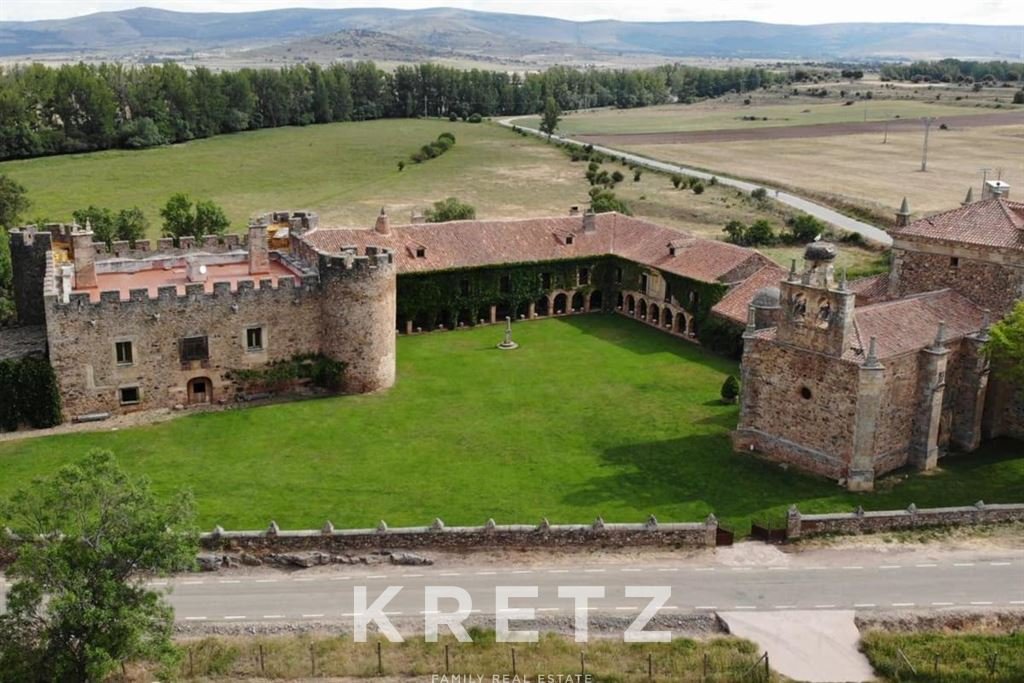
Almarza, Castile and Leon, Spain
$5,635,965
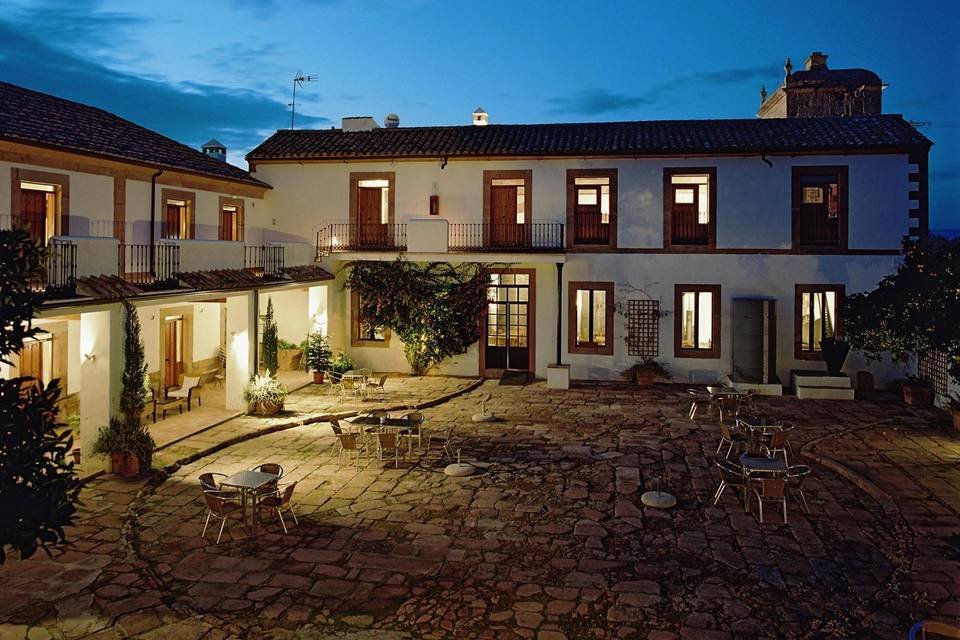
Distrito Centro, Cordoba, Spain
$1,408,991
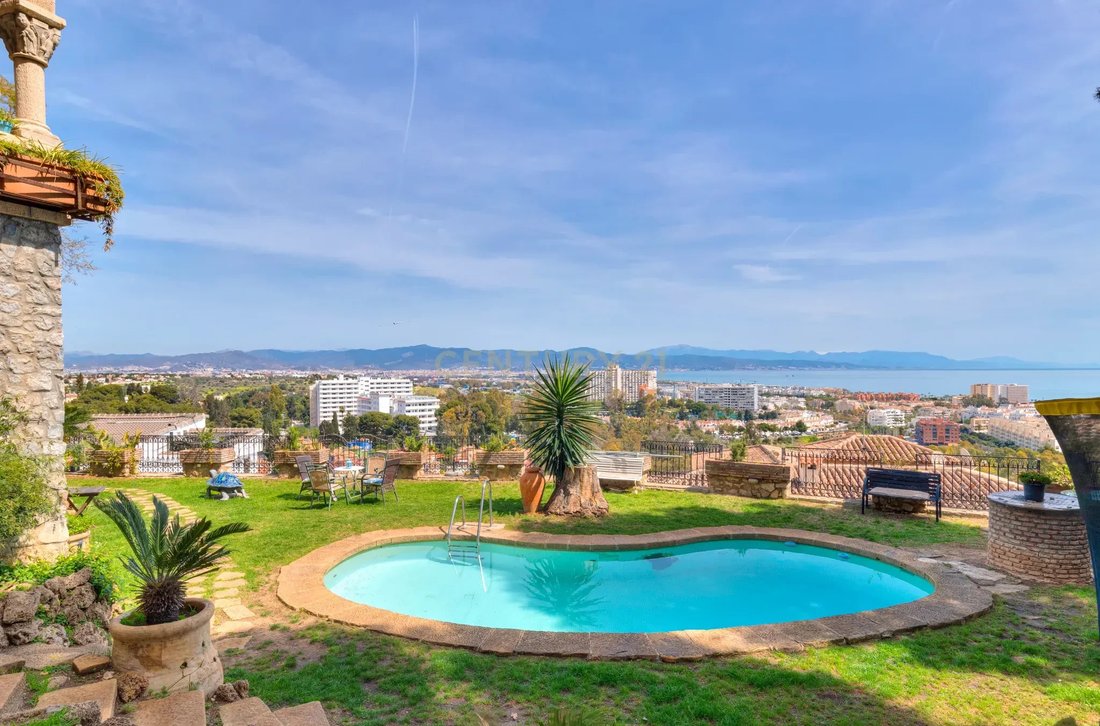
Torremolinos, Andalusia, Spain
$2,583,151
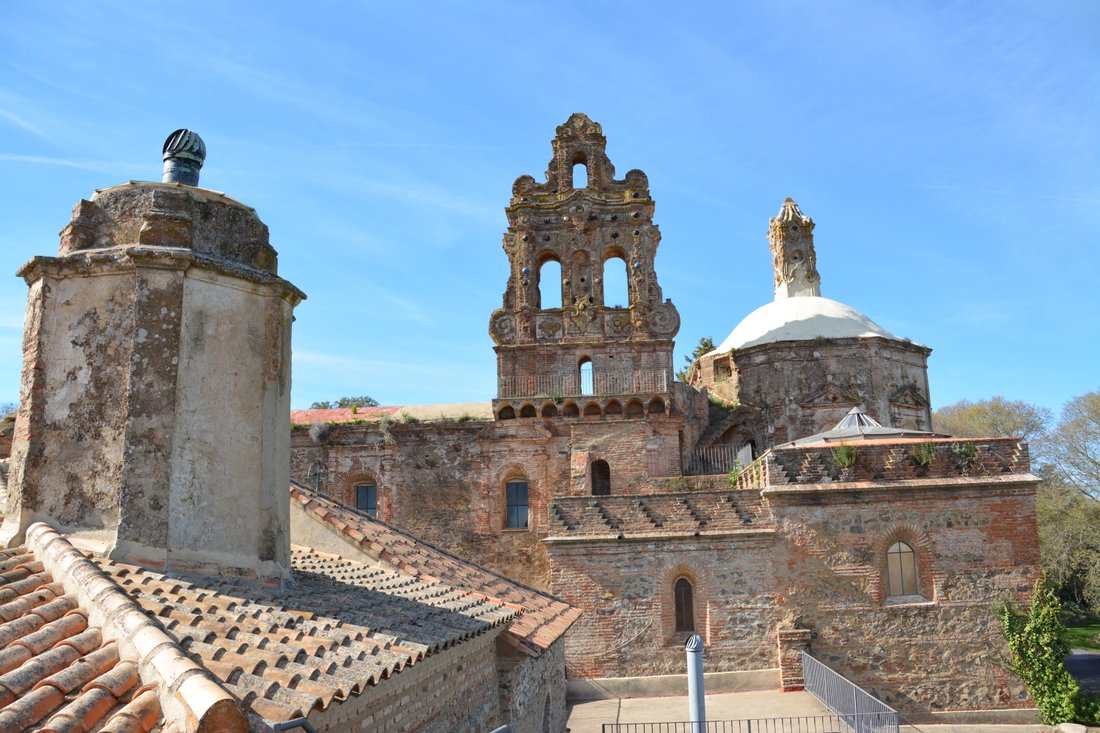
Nervion, Seville, Spain
Price On Request
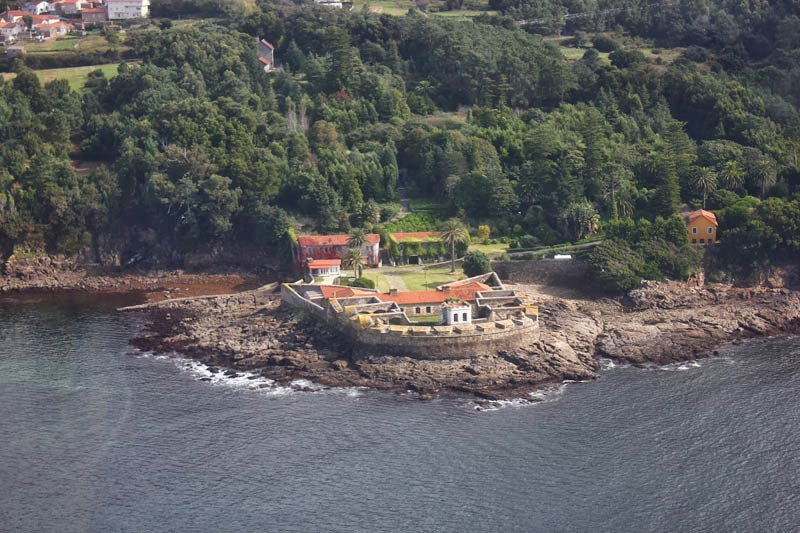
Redonda, Corcubion, Spain
$5,518,549 (€4,700,000)
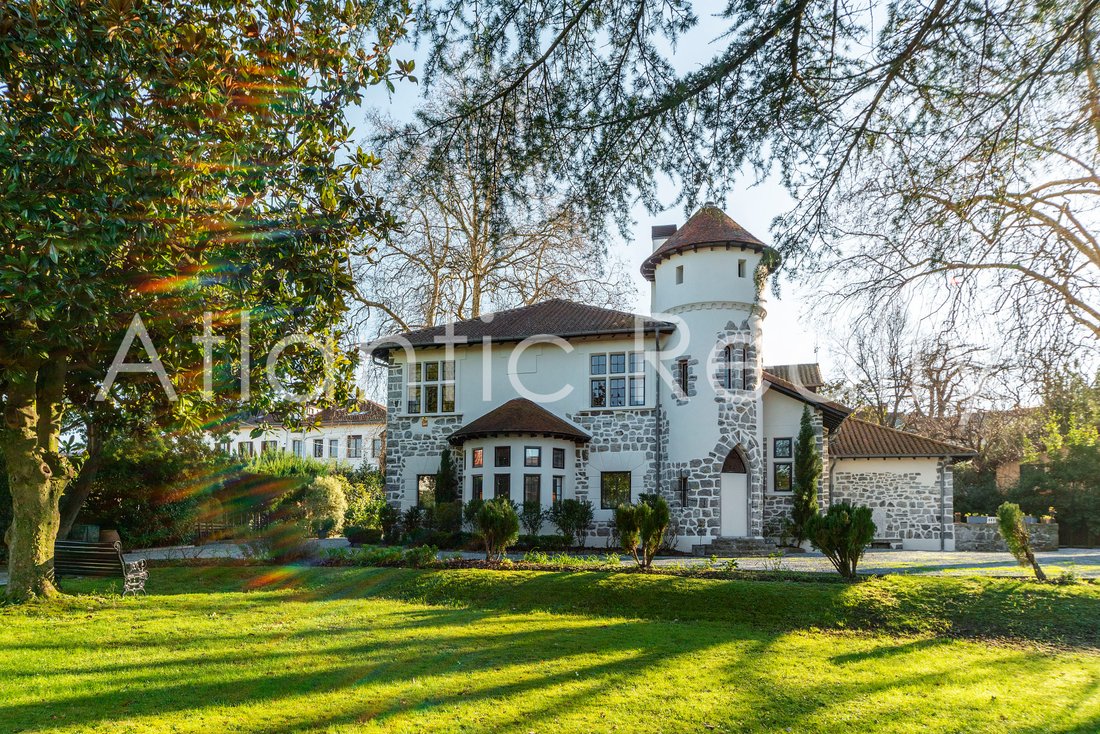
Centro, Donostia-San Sebastian, Spain
$2,806,241
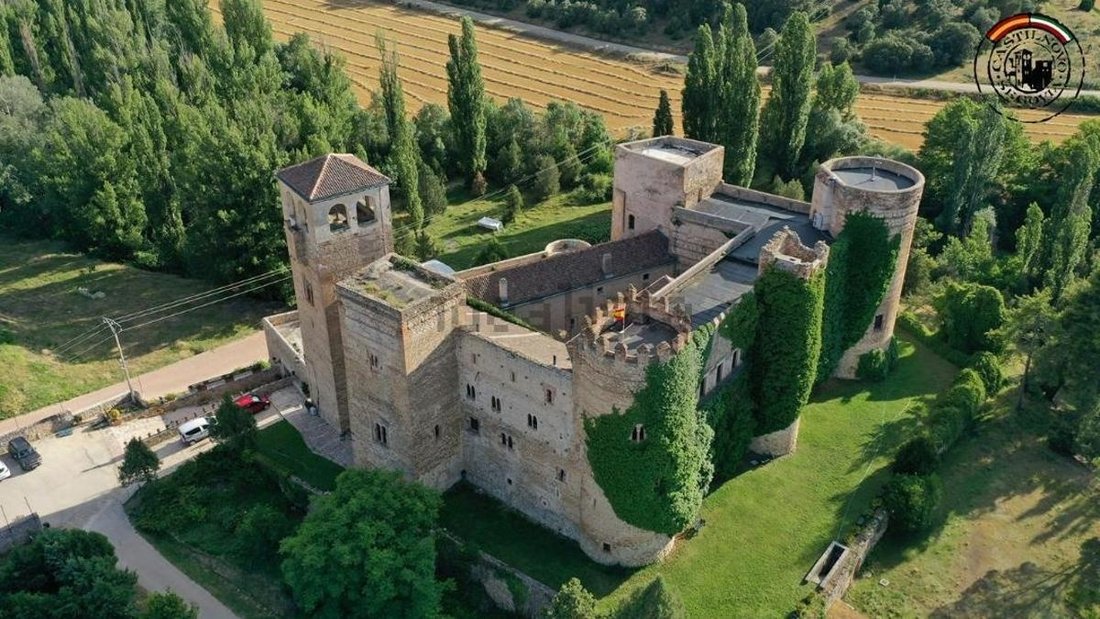
Castroserna de Abajo, Castile and Leon, Spain
$17,612,393 (€15,000,000)
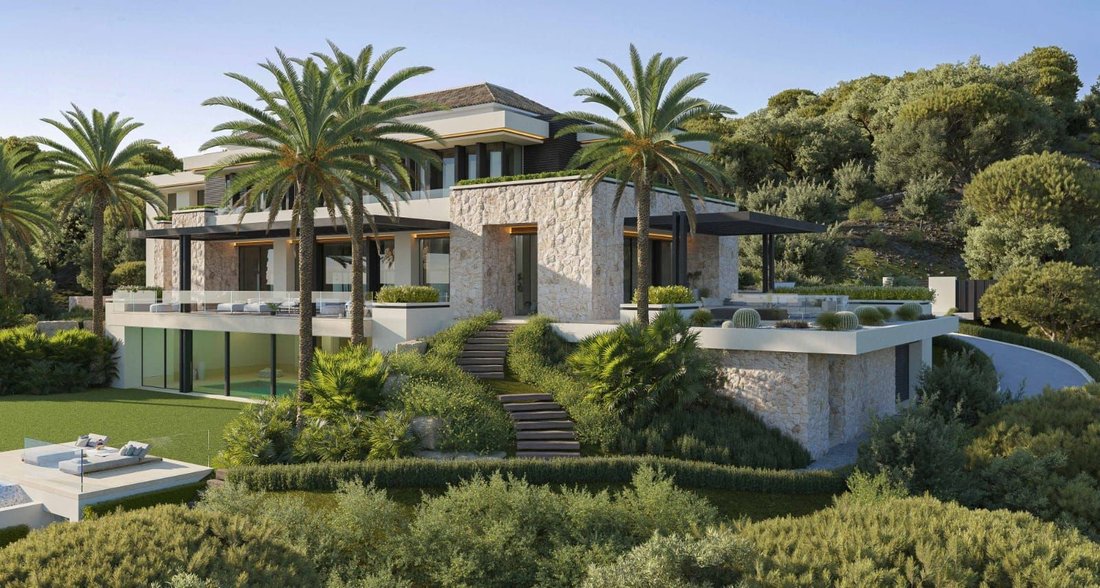
Benahavis, Andalusia, Spain
$29,060,449
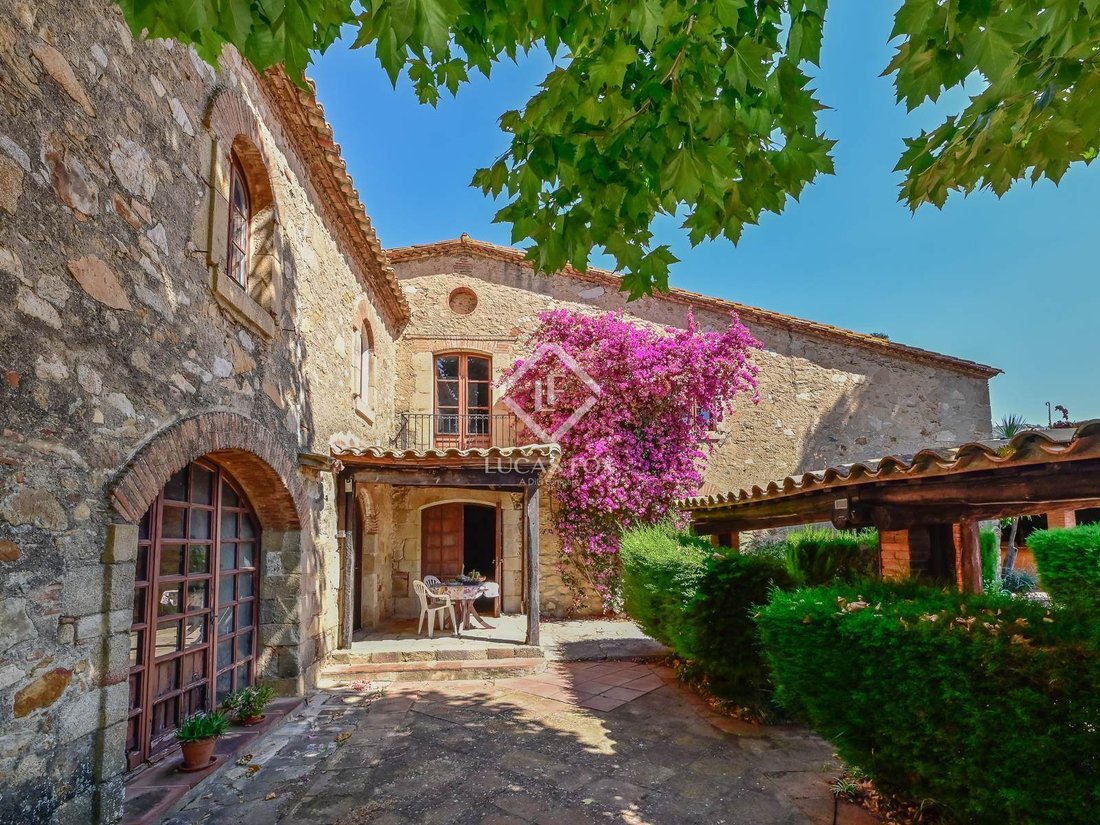
Albacete Province, Catalonia, Spain
$1,643,823
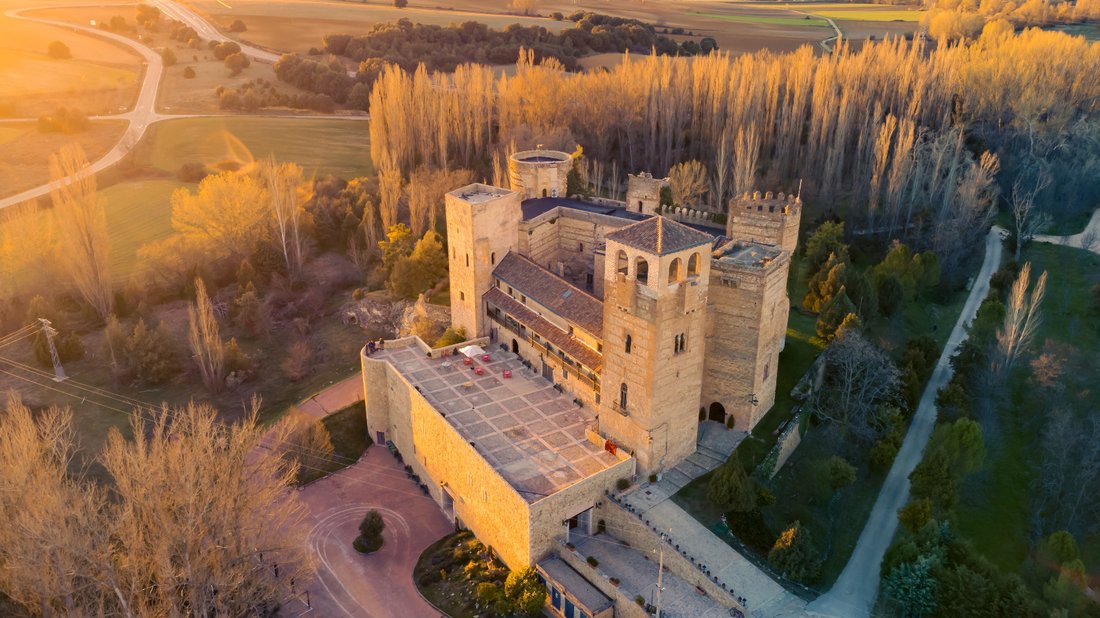
Condado de Castilnovo, Castile and Leon, Spain
$17,612,393 (€15,000,000)
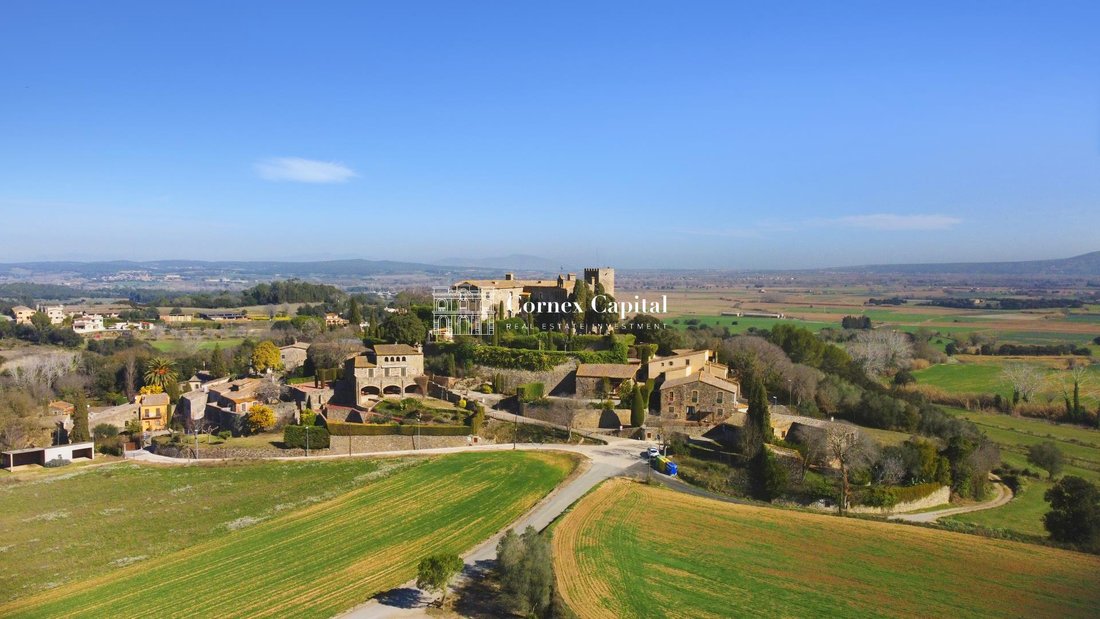
Foixa, Catalonia, Spain
Price On Request
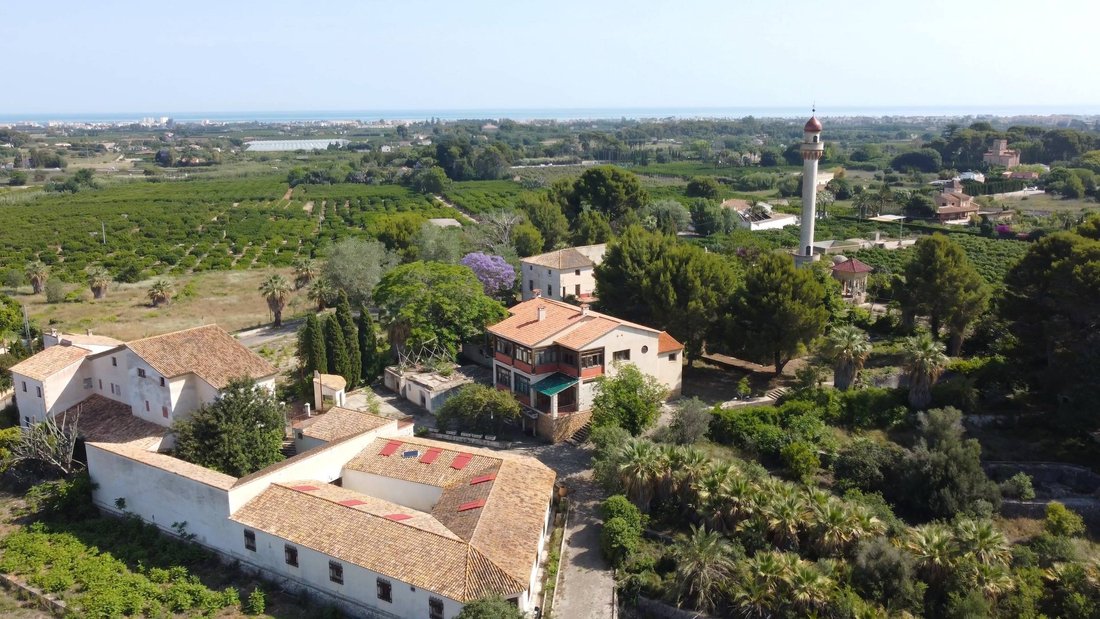
Denia, Valencian Community, Spain
$9,393,276
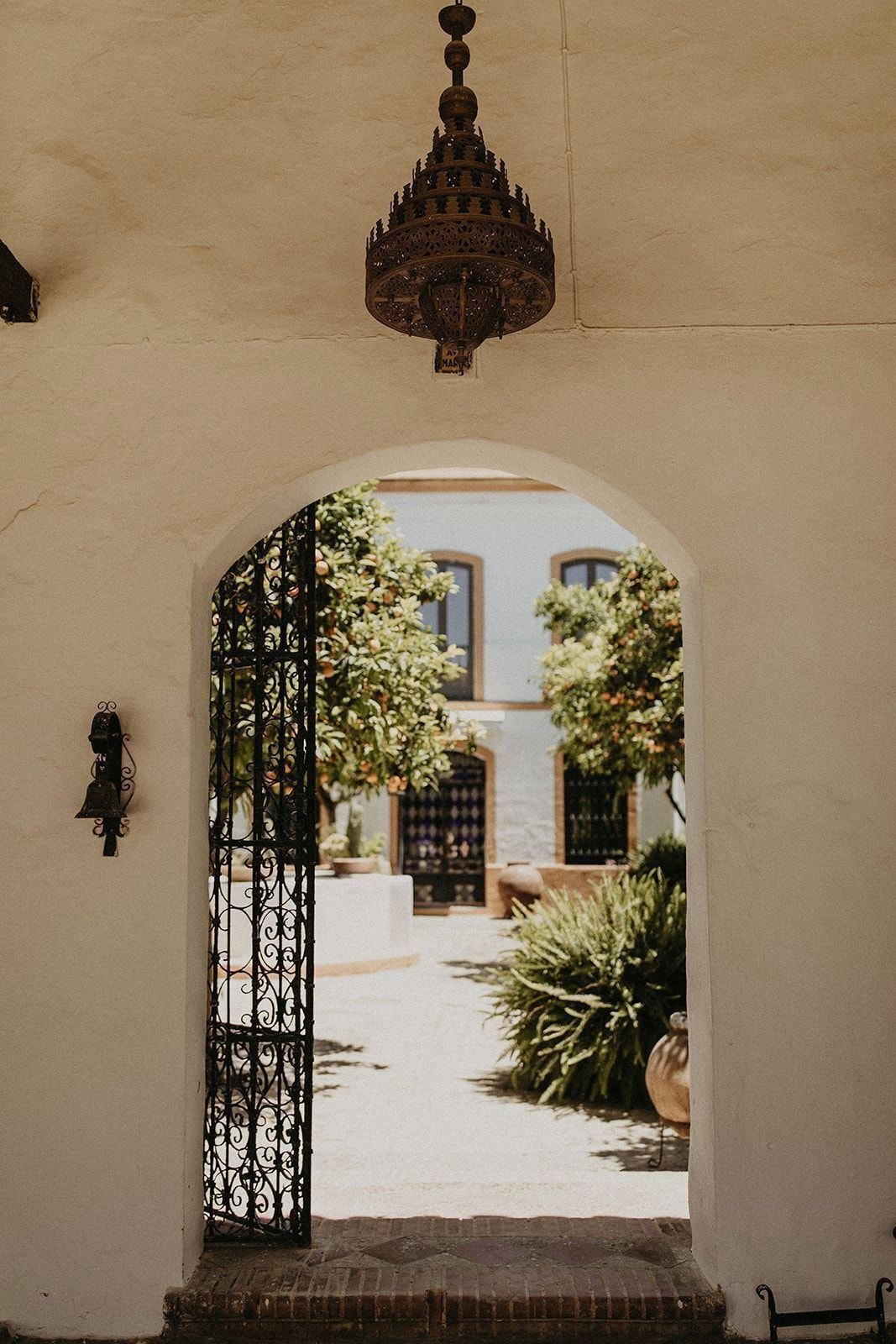
Nervion, Seville, Spain
Price On Request
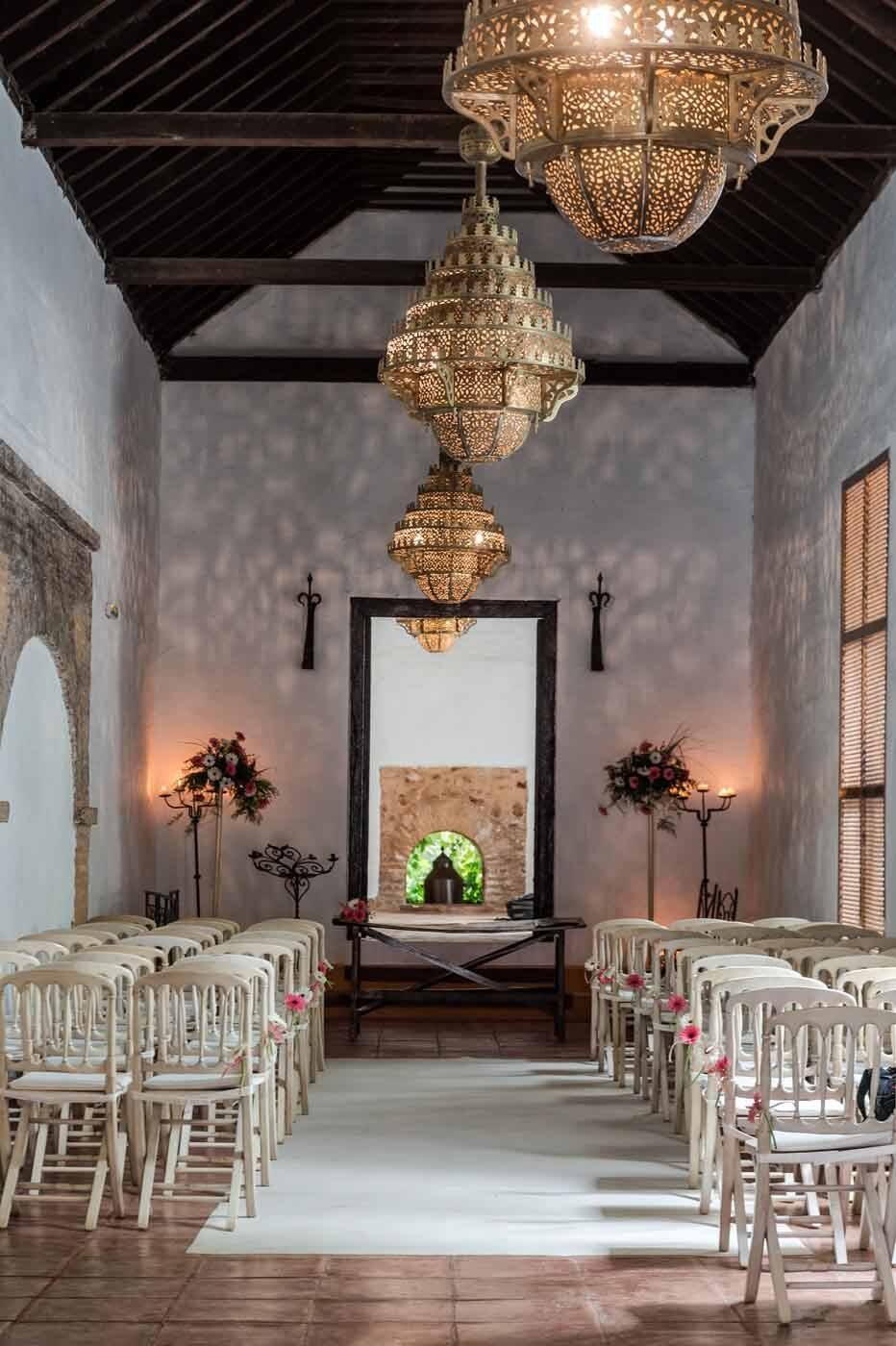
Nervion, Seville, Spain
Price On Request
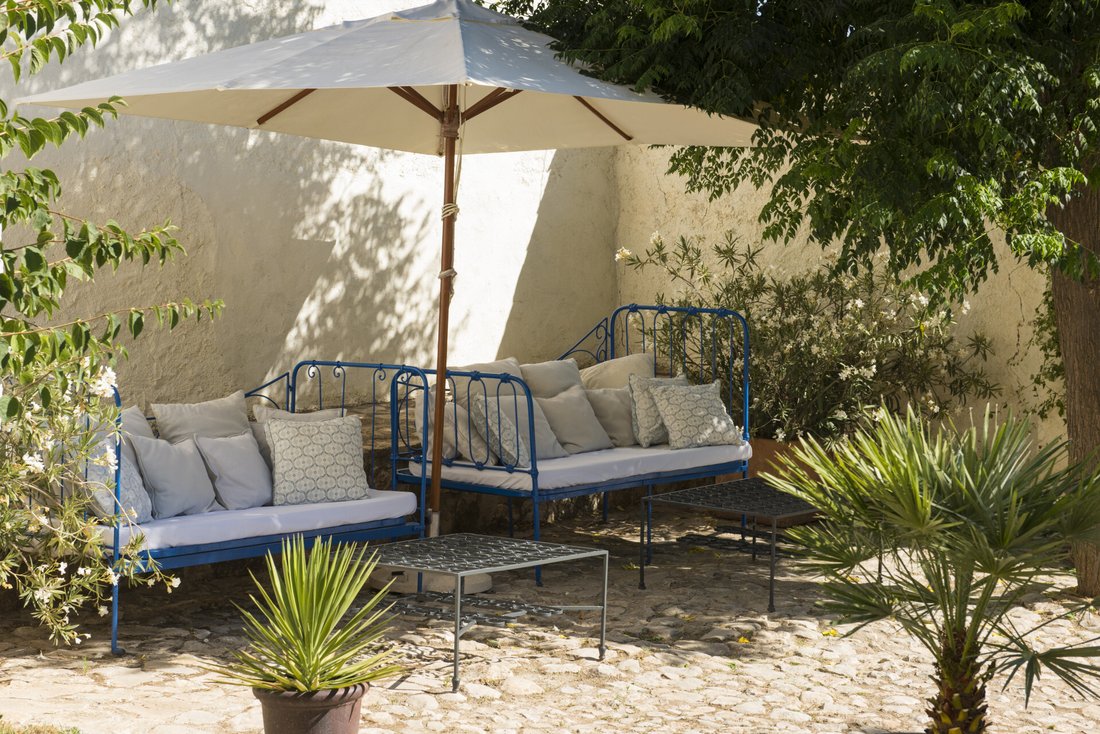
Centro, Granada, Spain
$3,463,770
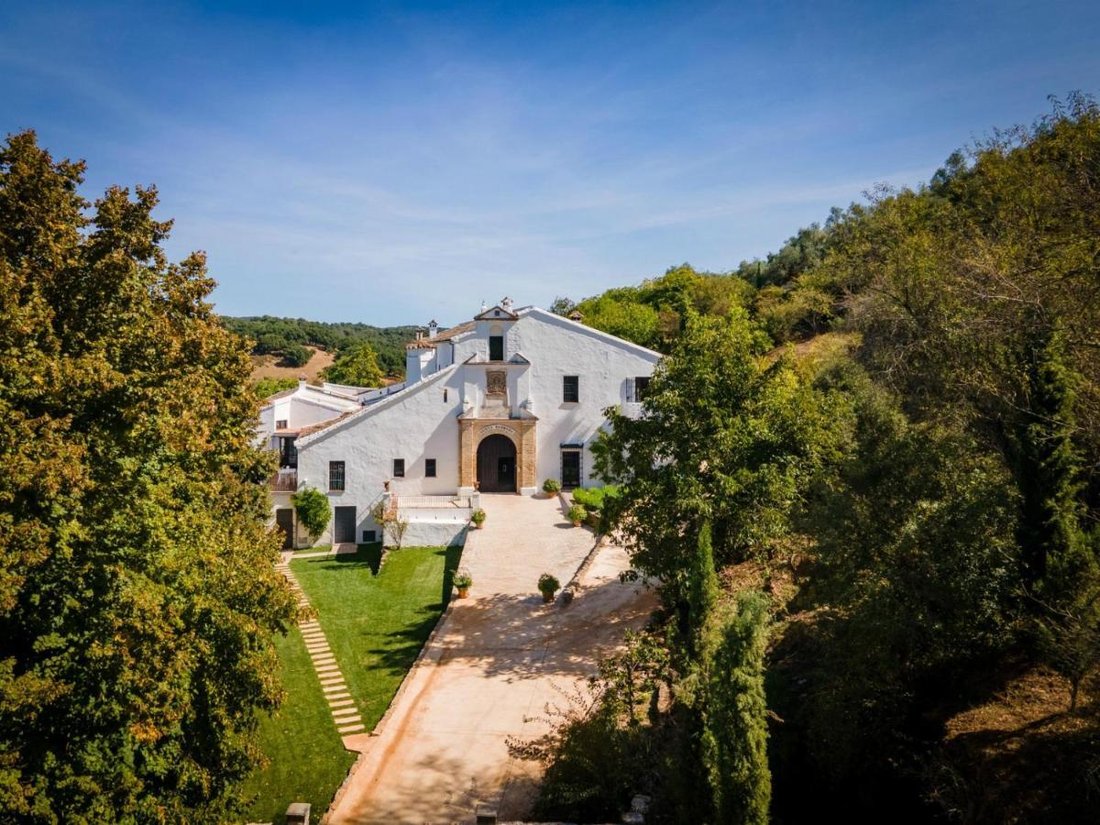
Nervion, Seville, Spain
Price On Request
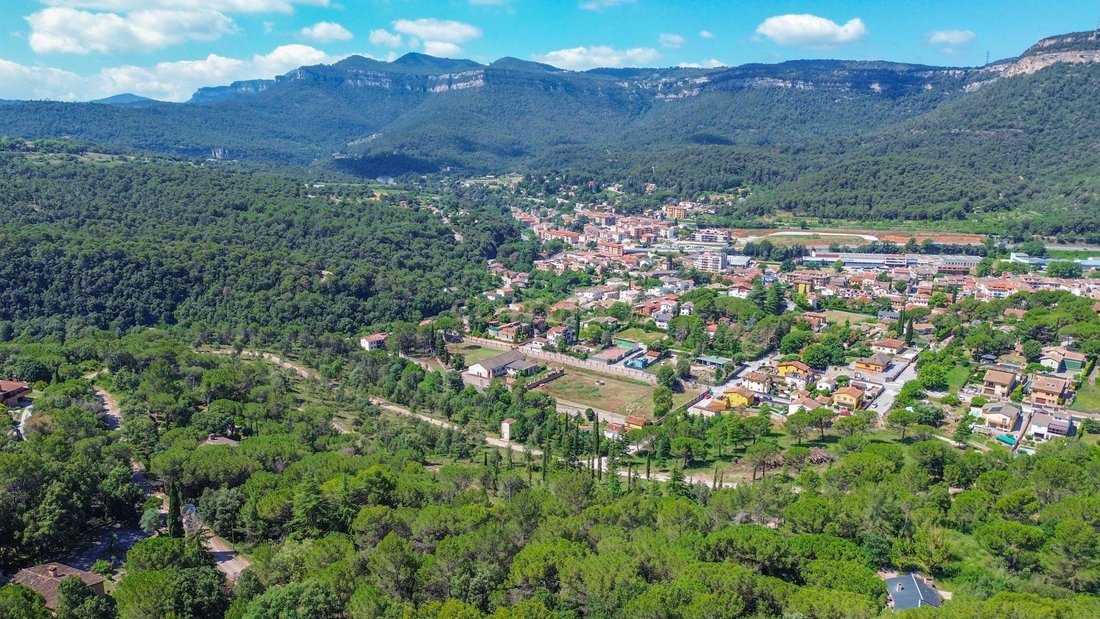
Aiguafreda, Catalonia, Spain
$983,169
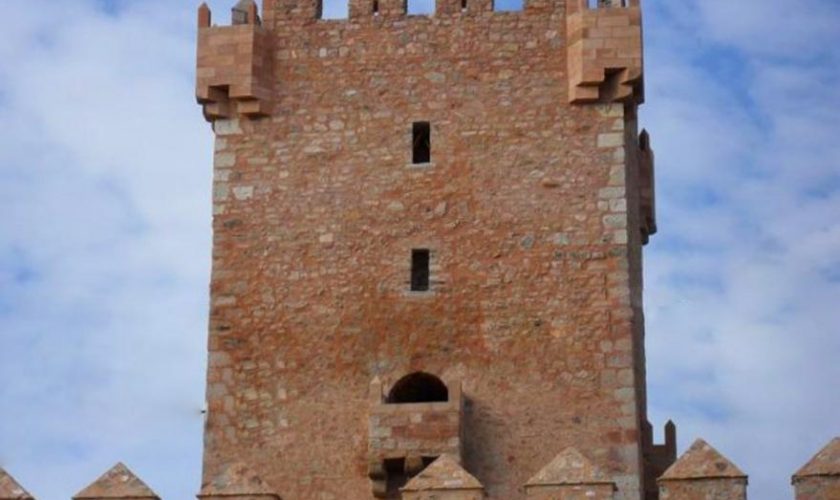
Municipal Term of Sigüenza (Guadalajara), hamlet of Guijosa, 6 km from Sigüenza
€2m
Browse our exclusive collection of 70 historic castles and luxury estates available for sale in Spain. Each property is carefully curated to meet the highest standards of luxury, heritage, and architectural significance.
Our portfolio includes exceptional properties across Solsona, Vilassar de Dalt, La Puebla de Montalban, Ripoll, Banyeres del Penedes , offering diverse opportunities for discerning international buyers seeking unique heritage properties.
Data-led country guide
Market figures are calculated from the published Castelle catalogue and update with the inventory.
Castelle currently indexes 70 published properties in Spain. Of this live inventory, 35 listings carry a public price in the market's most frequently used currency and 17 are offered on a price-on-application or undisclosed basis. A further 18 records use another disclosed currency and are kept outside this price summary. Within the 35 listings quoted in EUR, asking prices run from €99k to €15m, with a median of €2m. These figures describe the catalogue visible now, rather than a completed-sales index: condition, land, commercial permissions, restoration quality and provenance can create substantial differences between two historic estates in the same area. The sample is refreshed from published listing records as the portfolio changes.
For a like-for-like portfolio comparison, the €2m median in Spain is 21% above the €1.6m median across all Castelle listings advertised in EUR. The comparison uses 35 local observations and 946 portfolio observations in the same currency; it does not convert currencies or mix price-on-application records into the calculation. A median marks the midpoint of advertised prices, not the cost of a typical castle and not a valuation. Buyers should therefore read it as a navigation aid: an estate above the midpoint may include more land, a stronger location, income-producing accommodation or a completed restoration, while a lower figure may reflect scale, access, protected-building obligations or work still required.
The most frequently represented places in the current catalogue are Catalonia, Andalusia, Castile and Leon, Galicia, and Nervion. The leading property labels are castle, castle, and chateau, but supplier terminology varies and should be checked against each description. Together, these location fields show where supply is concentrated today; they are not a claim that other parts of Spain lack historic properties. A search across 70 live records also highlights the practical diversity of this niche: an urban palazzo, a rural fortified house and a large country estate can serve very different uses even when all appear under a castle search. Prospective owners should compare access to airports and services, privacy, surrounding land, climate, tourism demand and the availability of specialist craftspeople. For protected buildings, early checks on planning status, permitted alterations and maintenance history are as important as the headline location.
Spain offers several distinct historic-property geographies. Castile is strongly associated with prominent stone fortifications and broad interior landscapes; Catalonia combines castles with masías and a market influenced by access to Barcelona and the Mediterranean; Andalusia includes cortijos, palatial urban houses and sites shaped by Islamic and later Christian building traditions. Galicia's pazos belong to a greener Atlantic setting, while the Balearic Islands and Mediterranean coast place greater pressure on location, water and development controls. Agricultural context also varies: olive groves, vines, pasture, woodland and irrigated land carry different operational needs. Autonomous-community and municipal rules can materially affect renovation or tourism use, so a national comparison should always be followed by local legal and technical advice tied to the exact property and cadastral parcels.
Spain's castle and historic property market offers distinctive opportunities to acquire monuments shaped by diverse cultural influences, from Moorish palaces in Andalusia to Catalan masías and Castilian fortresses. The Spanish luxury real estate landscape encompasses properties of extraordinary architectural merit, where Romanesque, Gothic, Renaissance, and Mudéjar styles converge to create unique estates found nowhere else in Europe. From coastal castles overlooking the Mediterranean to inland cortijos surrounded by ancient olive groves, Spain's historic properties combine authentic heritage with exceptional climate and quality of life. The market presents particular value for those seeking extensive estates with agricultural potential, including vineyards, olive production, and equestrian facilities, all within properties of genuine historical significance.
Spanish castles record the peninsula's changing frontiers and jurisdictions. Roman and Visigothic precedents survive in some places, while al-Andalus produced alcazabas, walled towns and sophisticated palatial traditions. During the long expansion of Christian kingdoms, frontier strongholds were built, occupied and repeatedly altered; military orders and noble families also shaped the landscape. After political consolidation reduced the defensive role of many sites, owners introduced Renaissance courts, Mudéjar craftsmanship and more residential accommodation. Later centuries added baroque, neoclassical and historicist work. The result is often a complex rather than a building of one date. Terms such as castillo, alcázar, palacio, pazo, masía and cortijo describe different origins and functions. Verified chronology is essential because a romantic silhouette alone does not establish medieval fabric or a continuous historic use.
Each category page carries its own aggregate market data.
Each price page is filtered to Spain only.
We can't find the internet
Attempting to reconnect
Something went wrong!
Attempting to reconnect