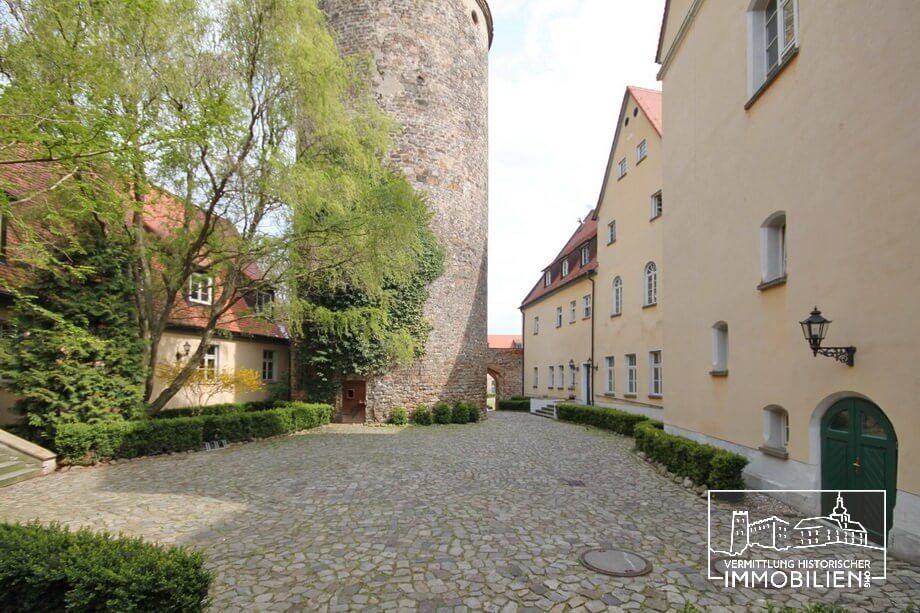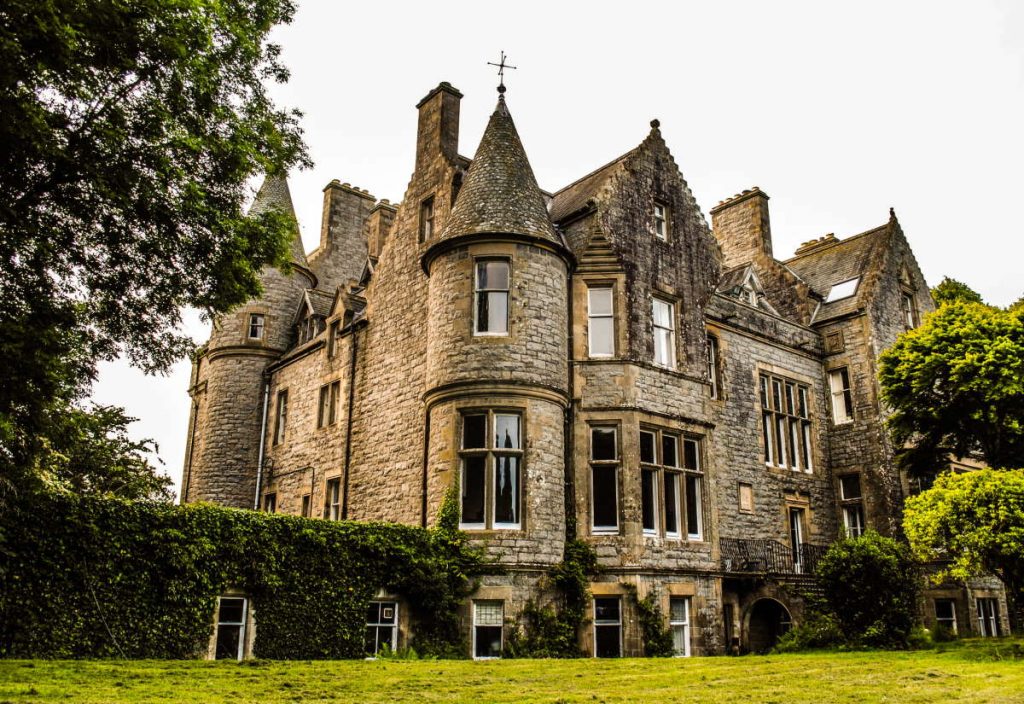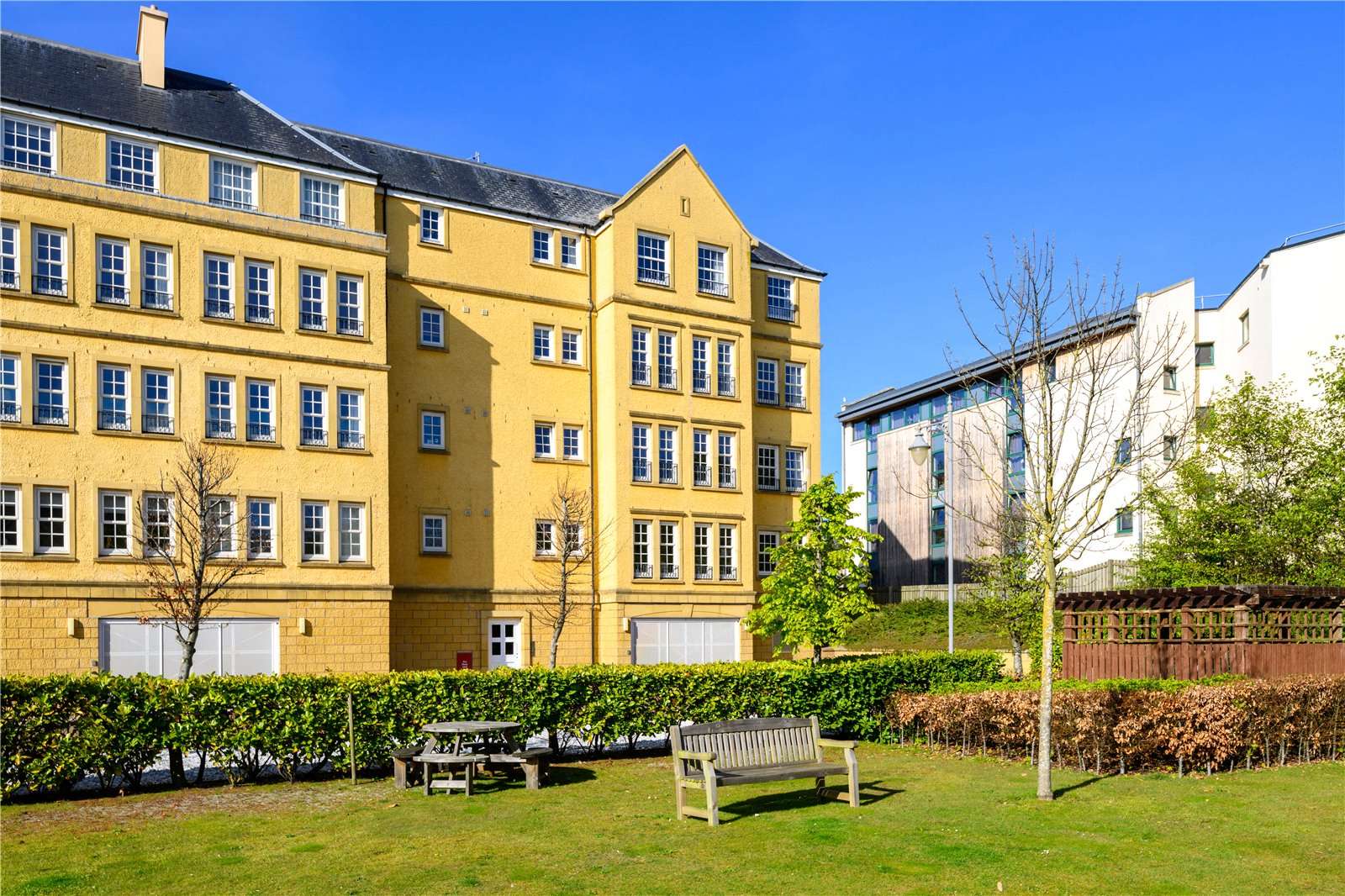
Adamson Court
Adamson Court, St. Andrews, Fife, KY16 9LJ
POA
View details
Discover 59 historic castles and luxury estates in UK
Adamson Court, St. Andrews, Fife, KY16 9LJ
POA
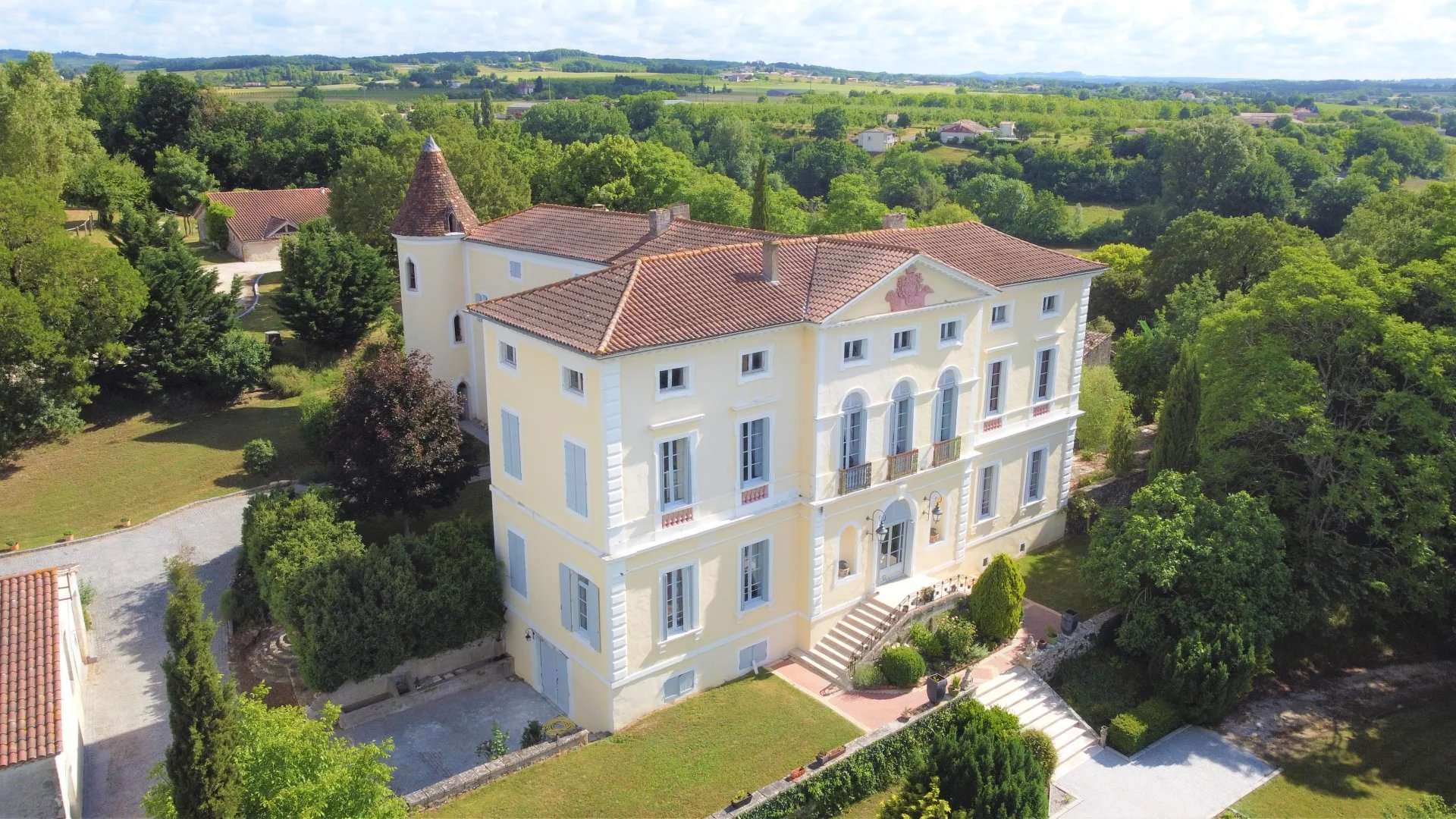
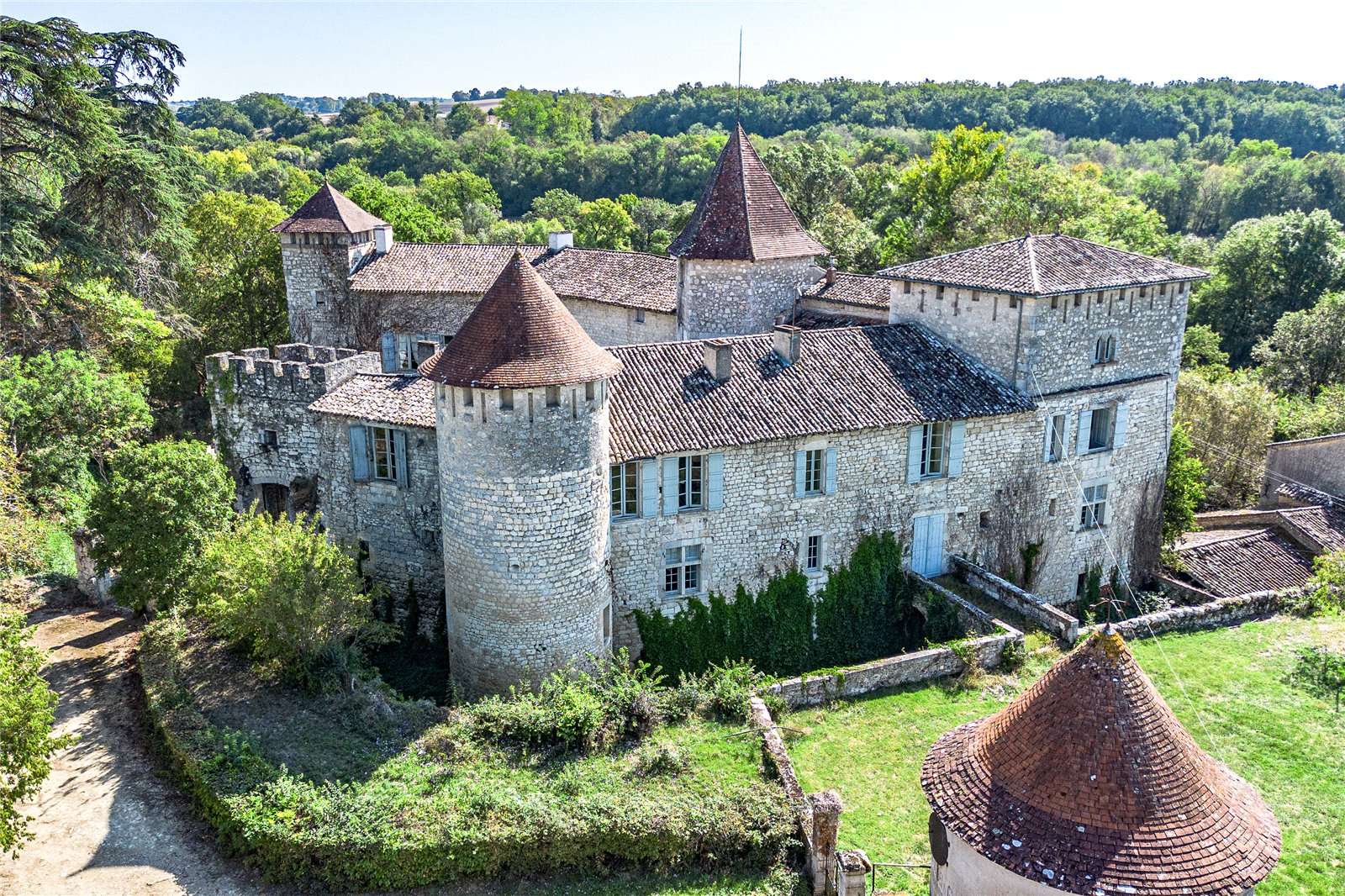
Monflanquin, Lot-et-Garonne
POA
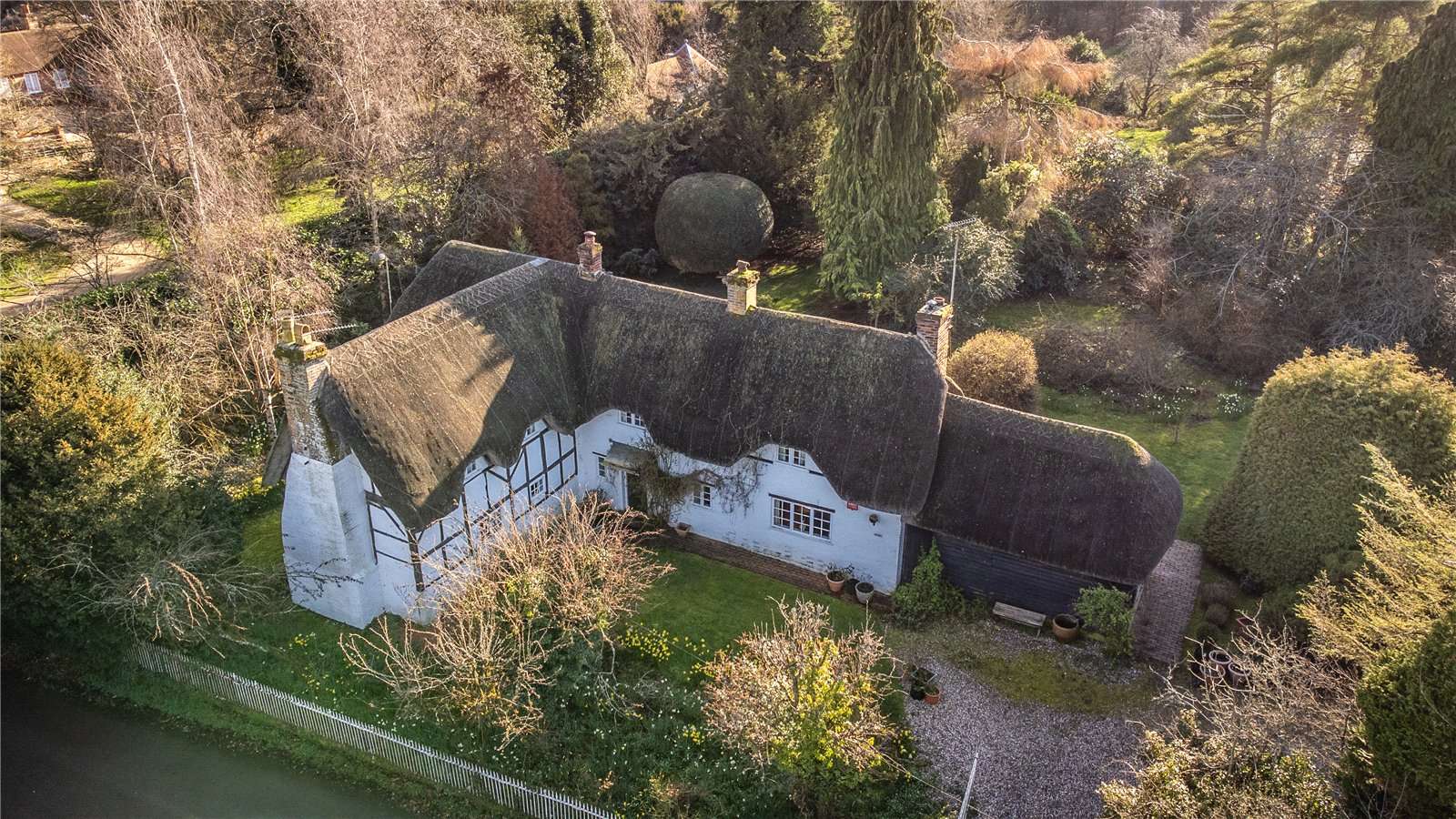
High Street, Ham, Marlborough, Wiltshire, SN8 3QS
POA
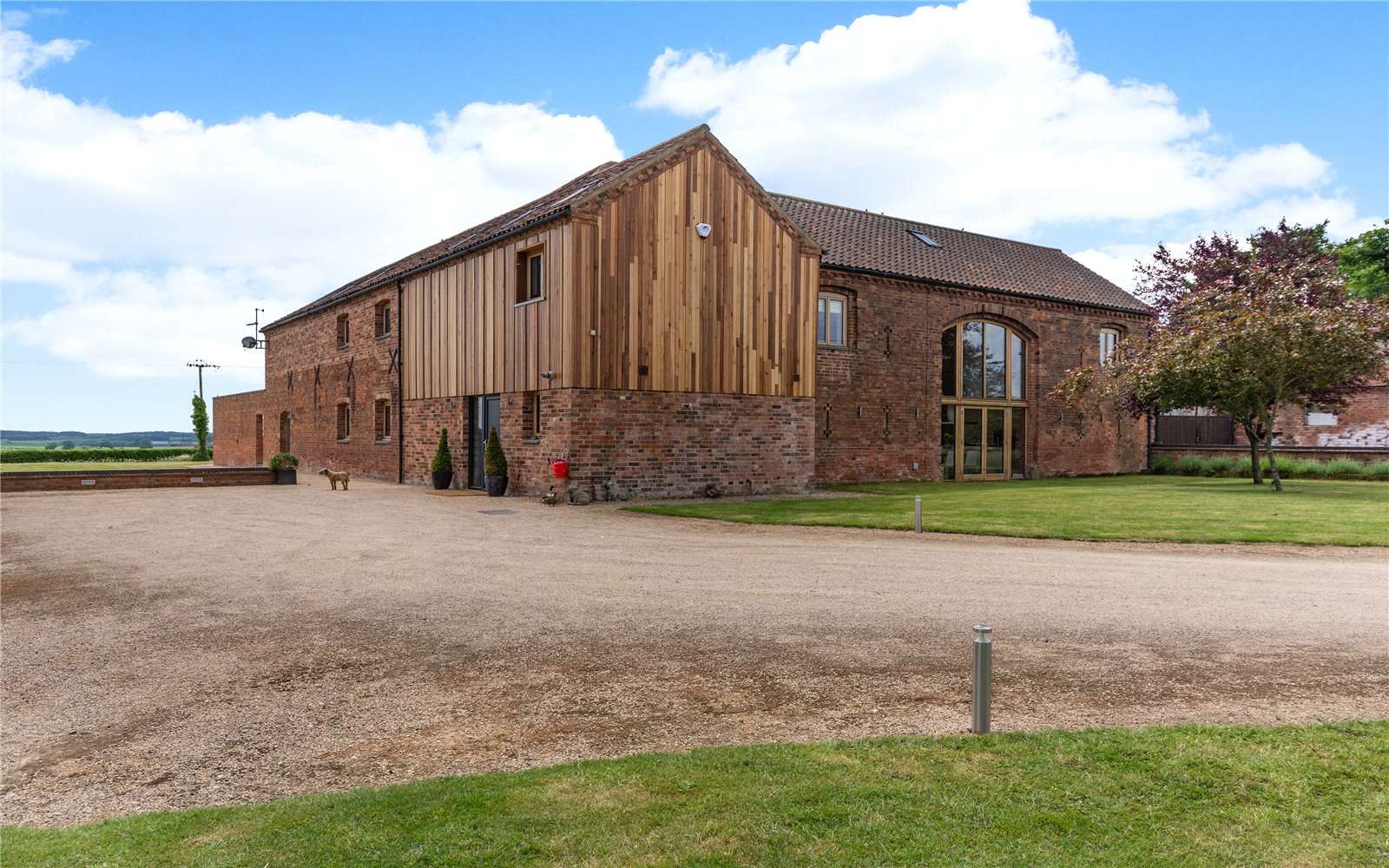
Norwell Woodhouse, Newark, Nottinghamshire, NG23 6NG
POA
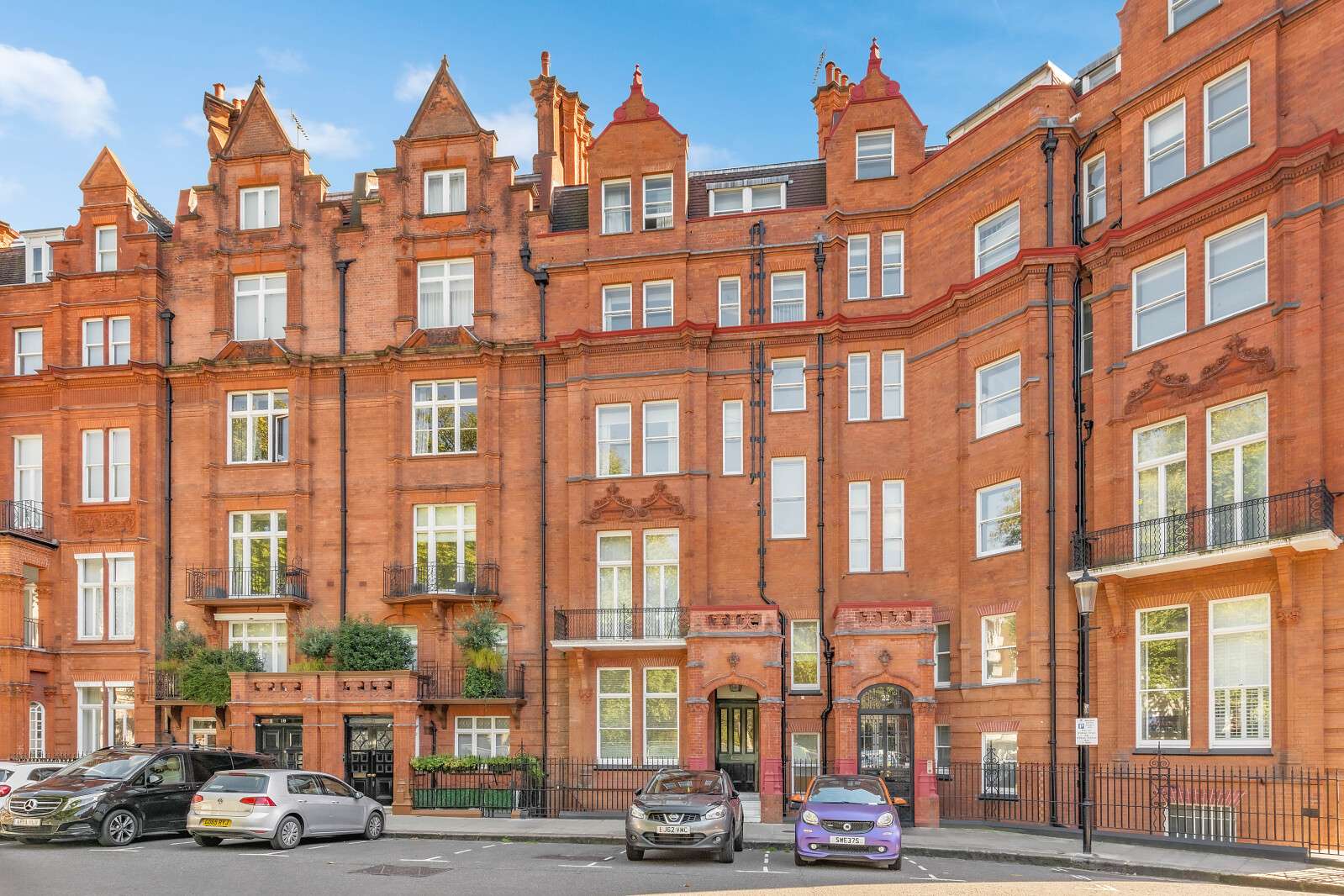
Hans Place, London, SW1X 0EP
POA
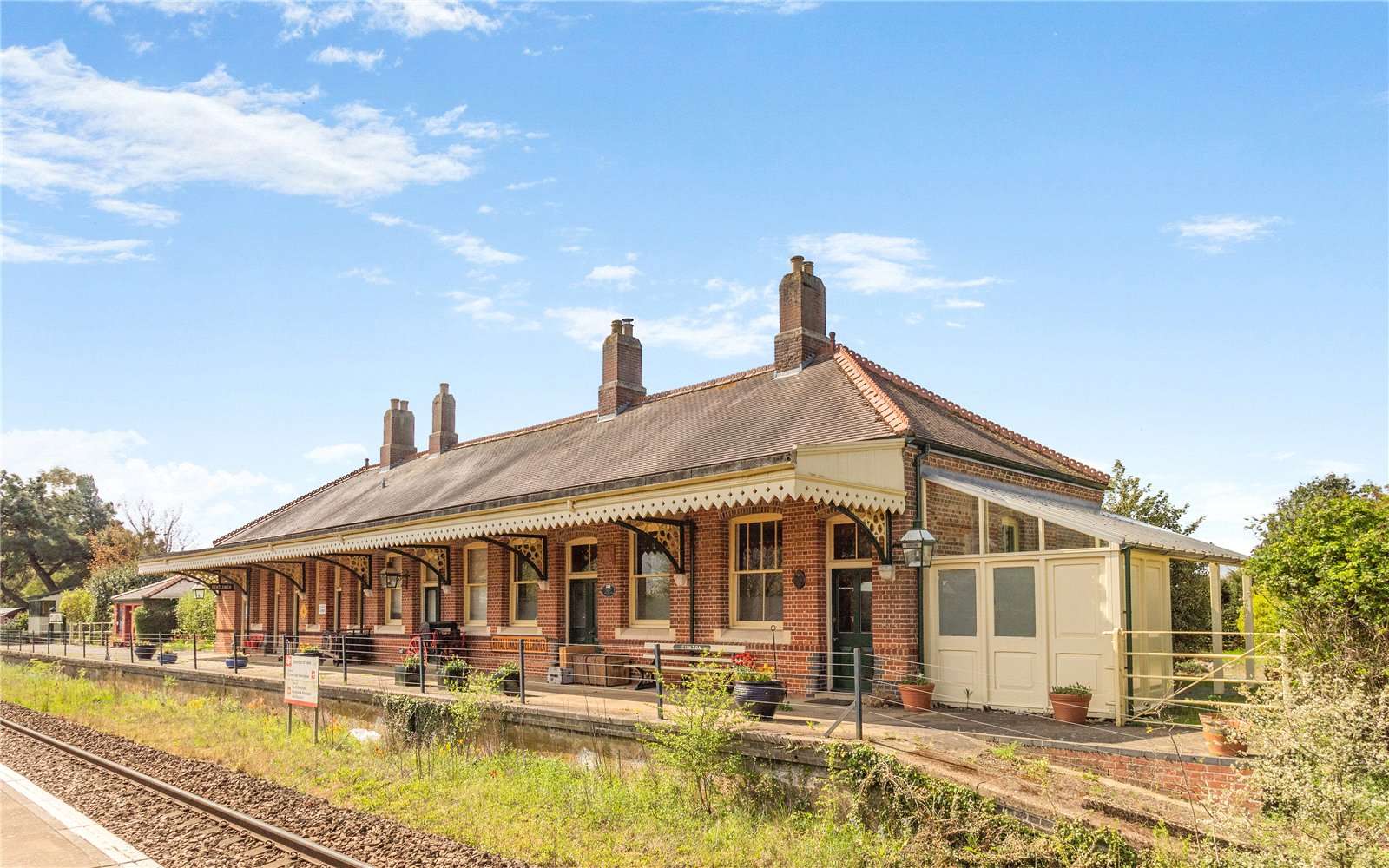
Station Road, Thorpe Market, Norwich, NR11 8UD
POA
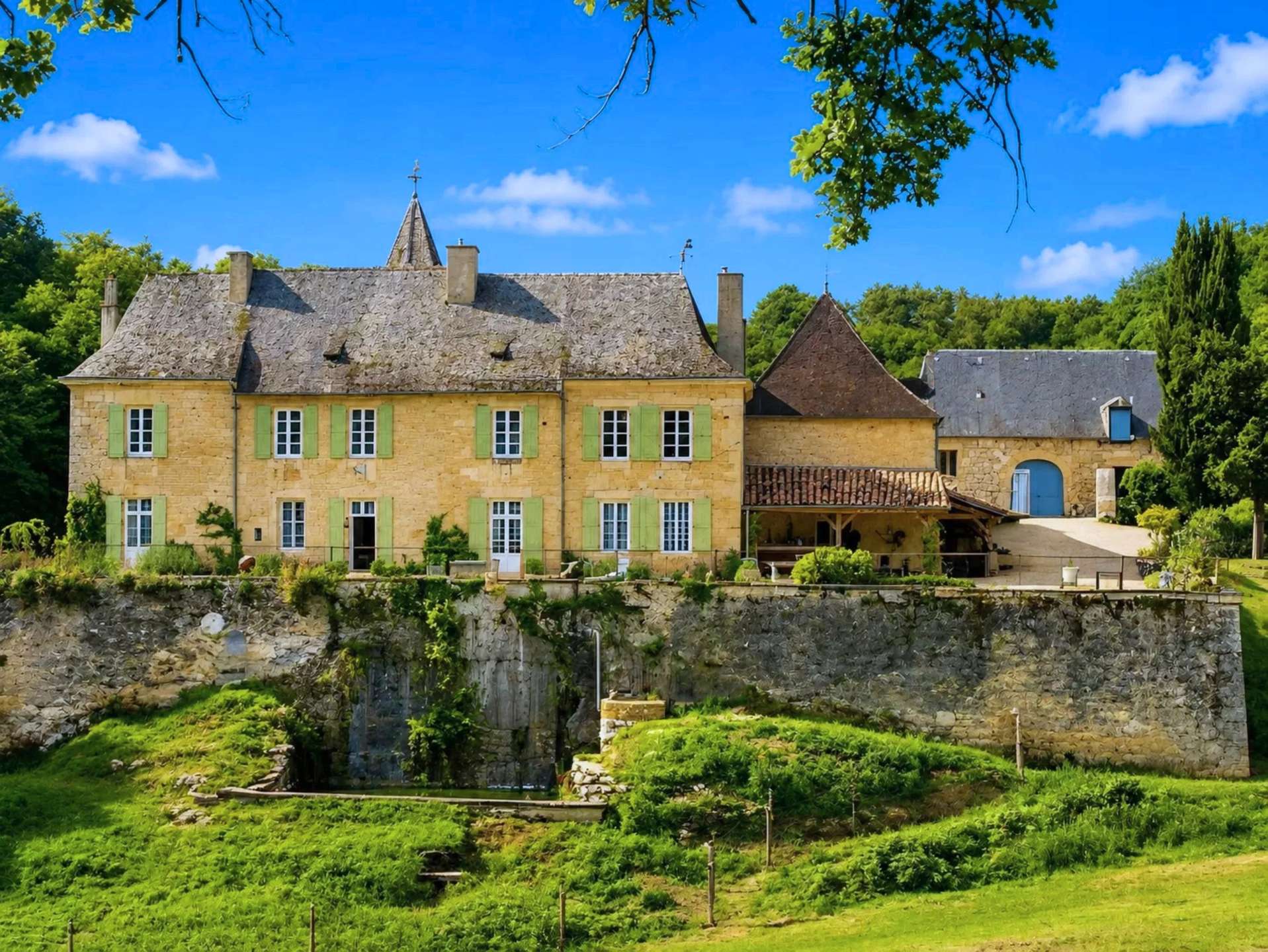
La Bachellerie, Dordogne
POA
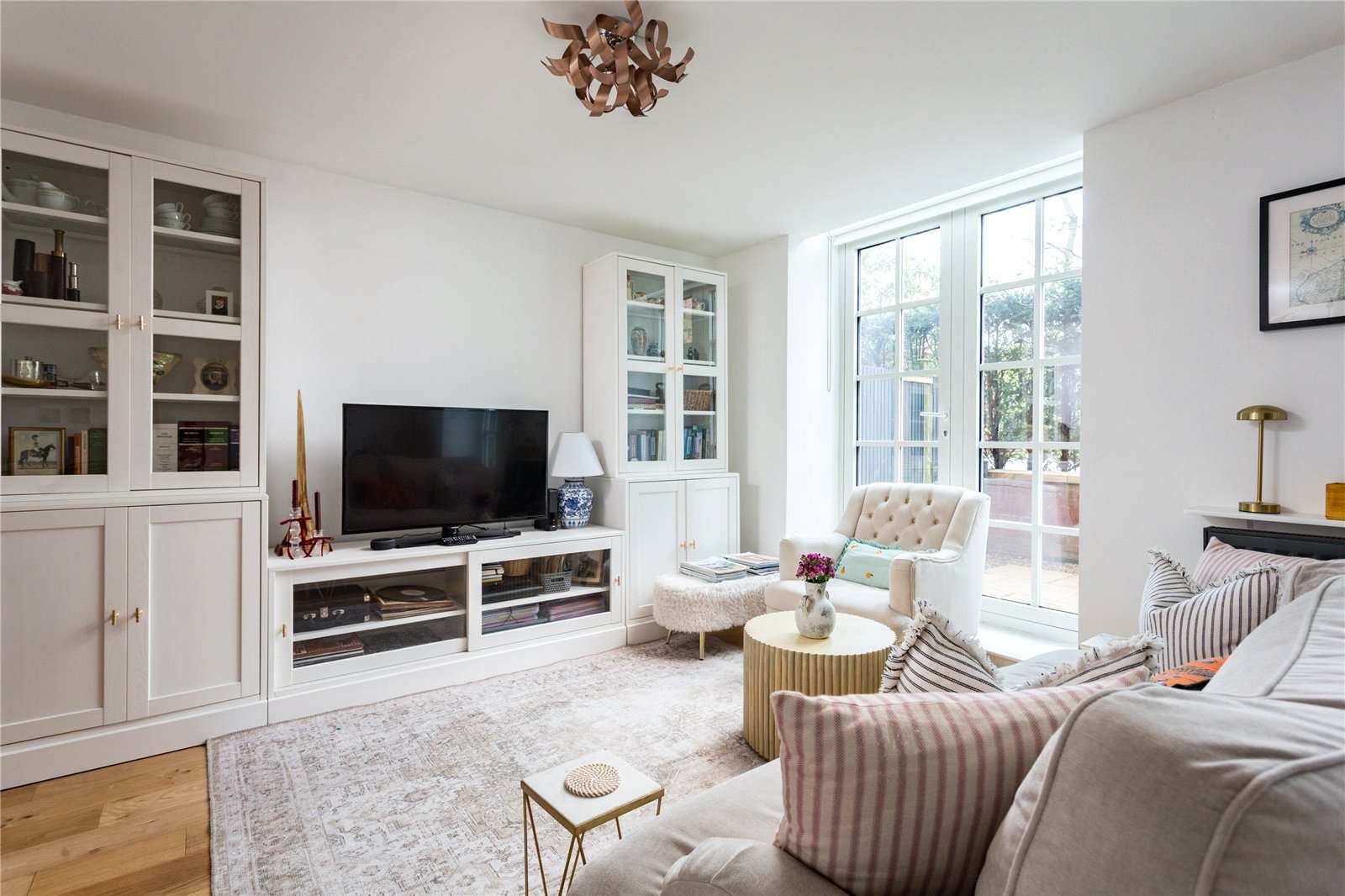
The Residence, Bishopthorpe Road, York, North Yorkshire, YO23 1DQ
POA
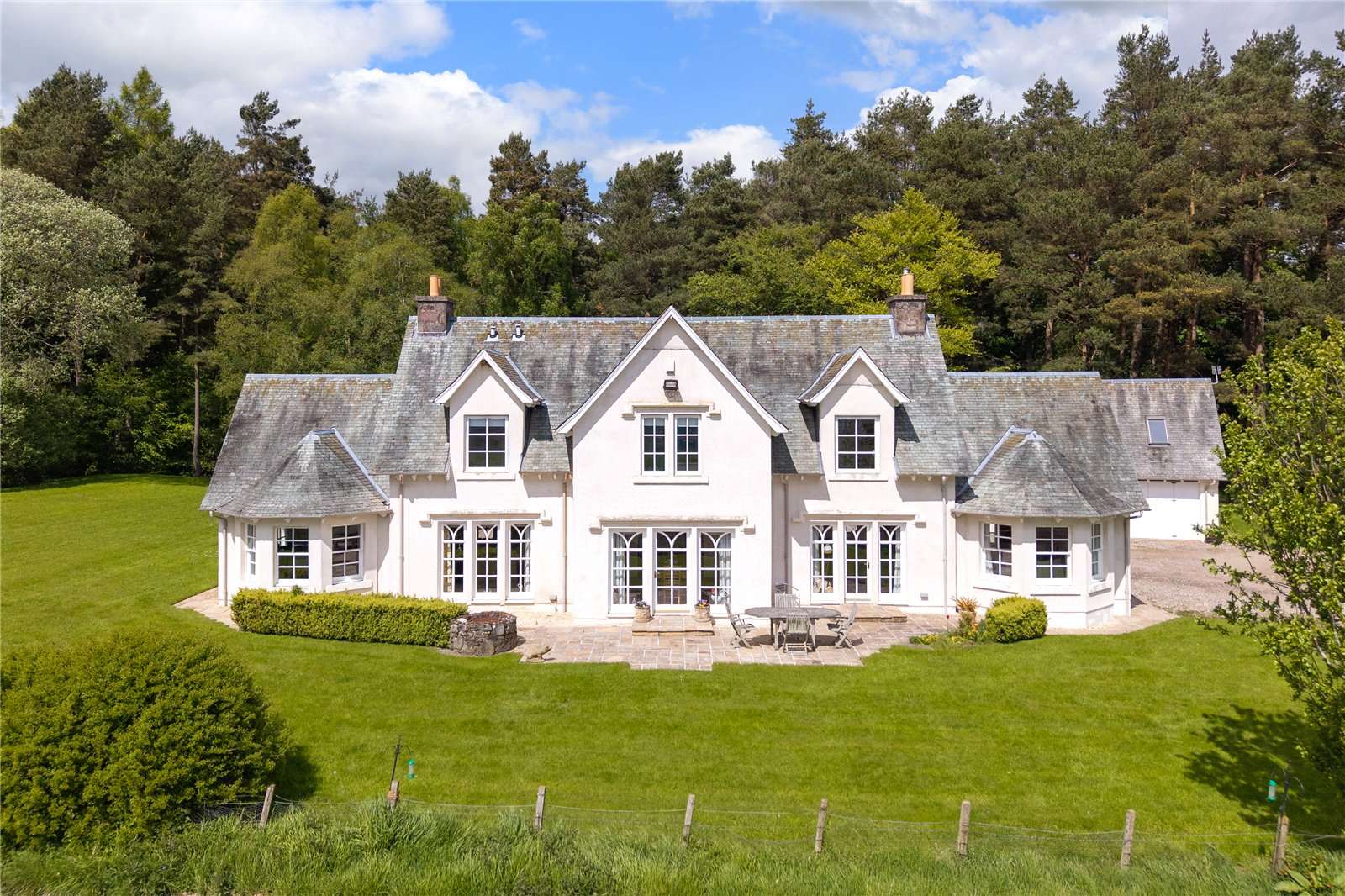
Ferniehill House, Stanley, Perth, Perth and Kinross, PH1 4QD
POA
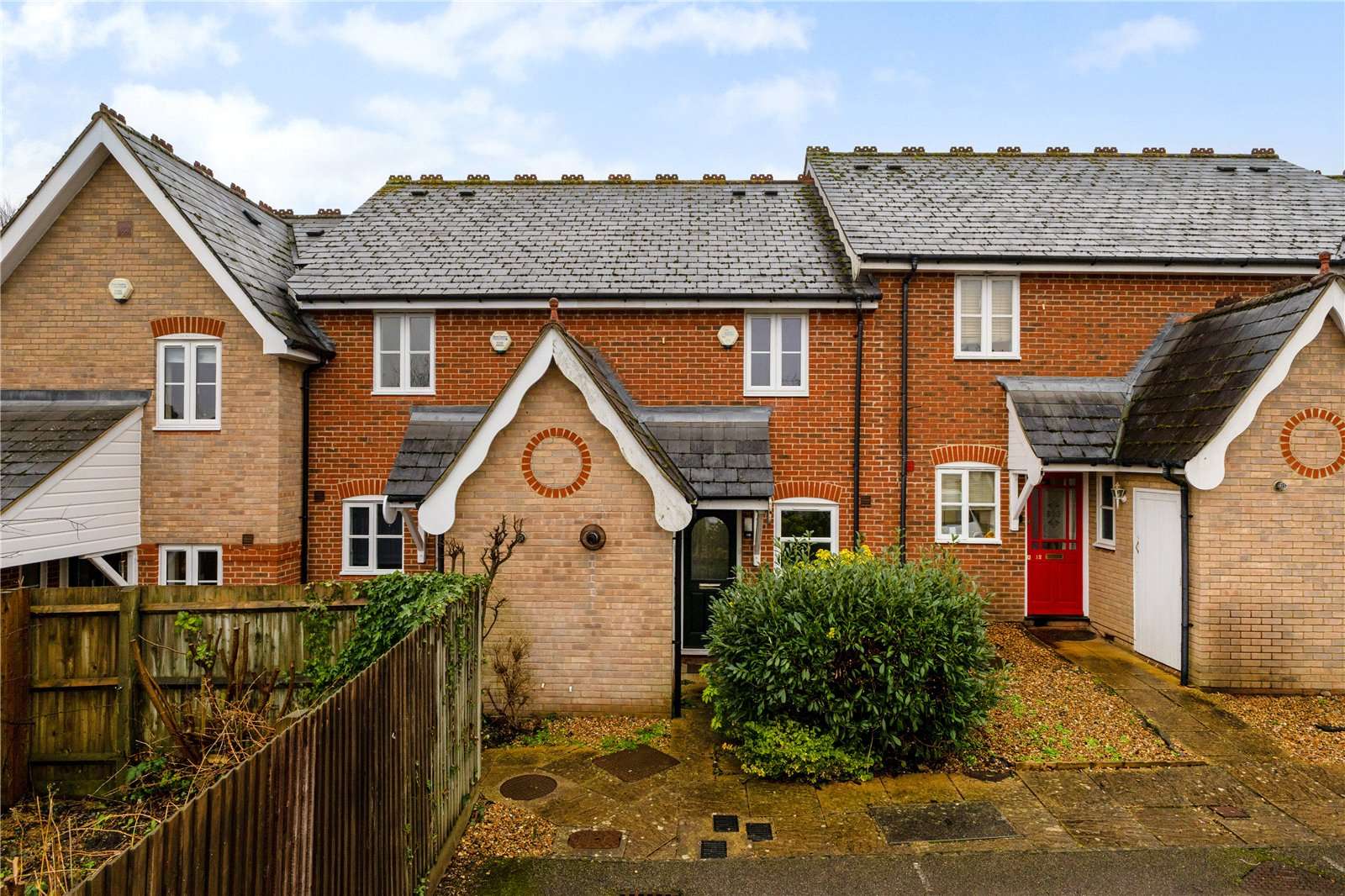
Vallance Place, Harpenden, Hertfordshire, AL5 1AX
POA
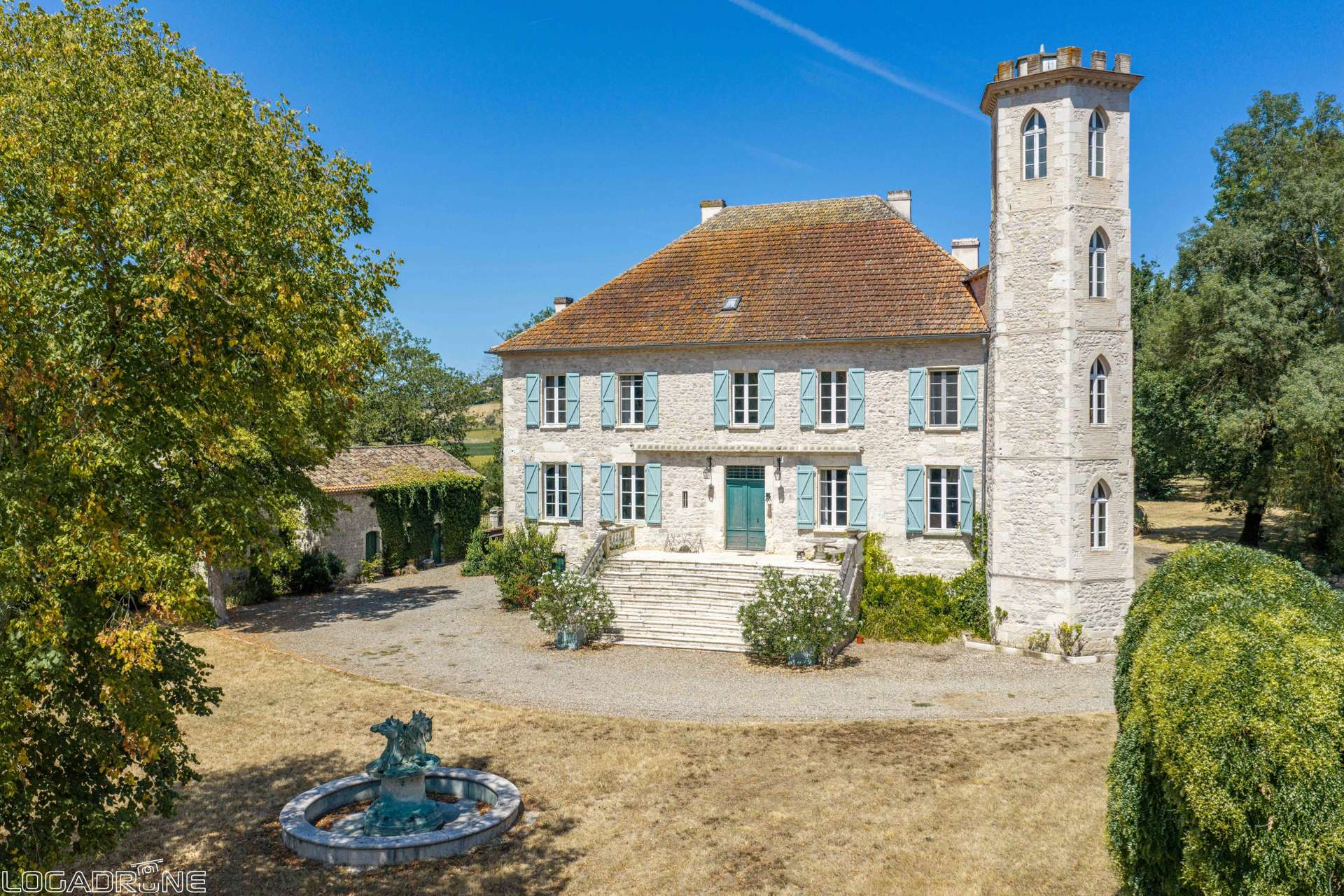
Montcuq, Lot
POA
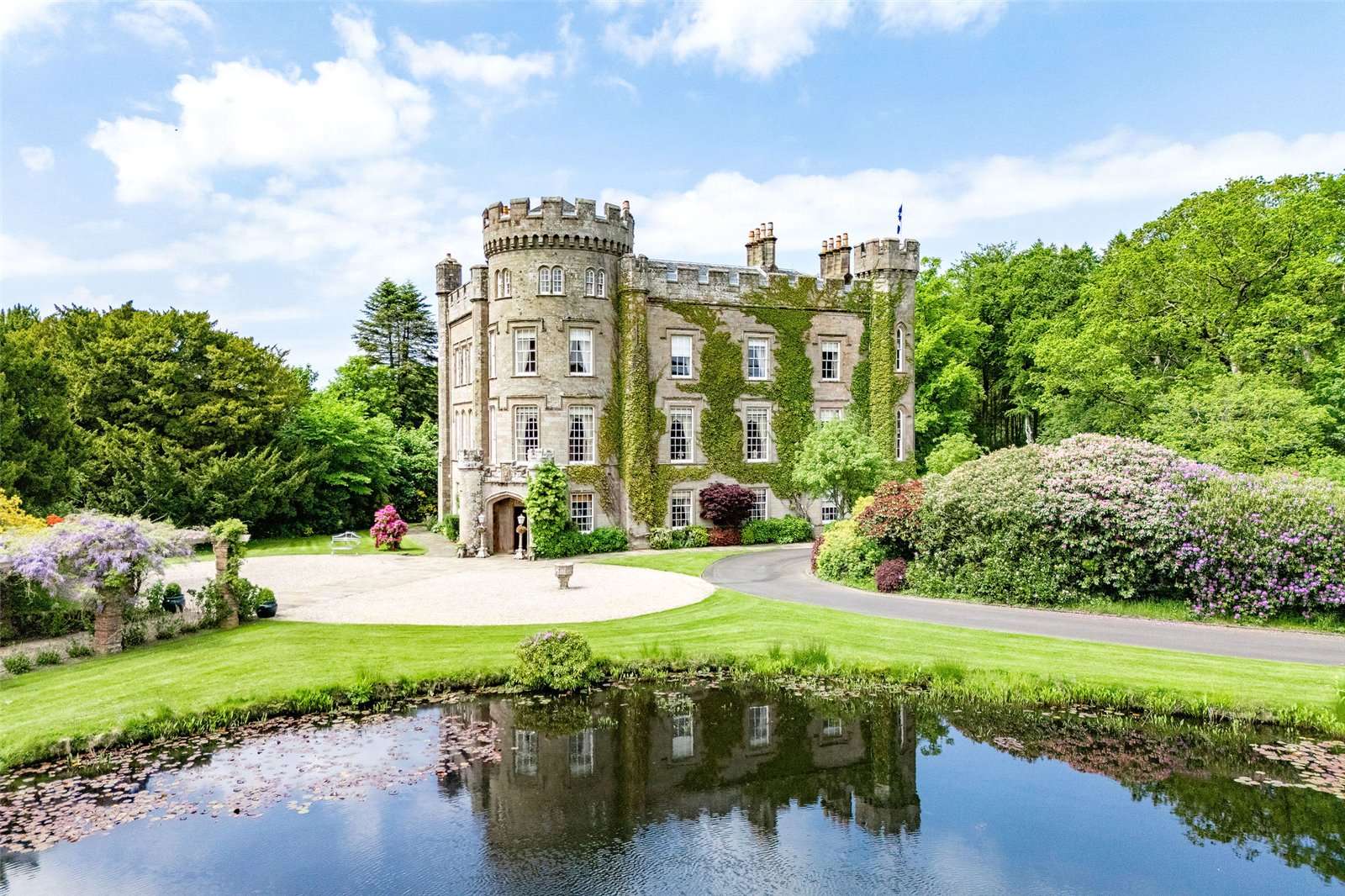
Cloncaird Castle, Maybole, South Ayrshire, KA19 7LU
POA
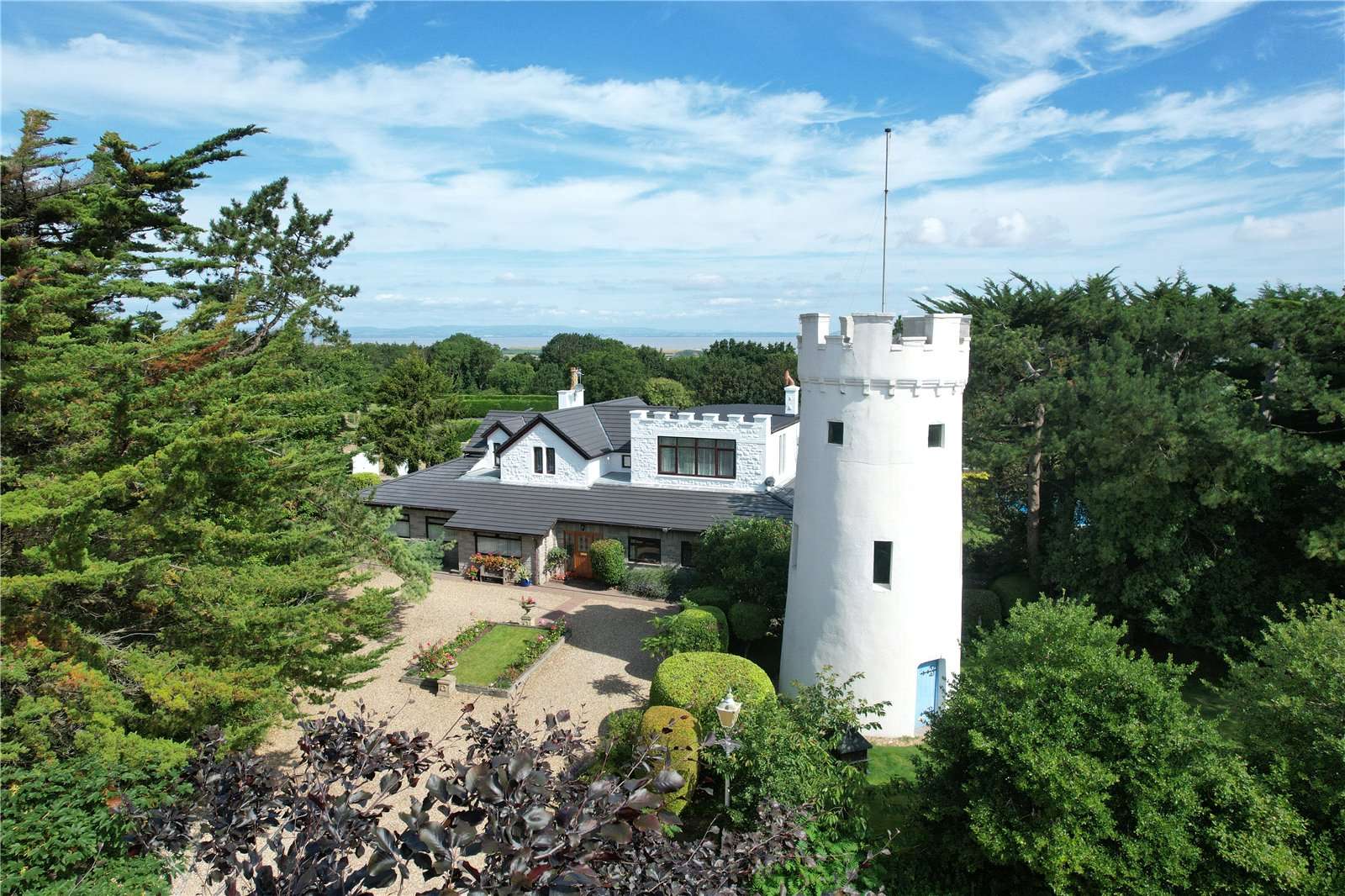
Worlebury Hill Road, Weston-super-Mare, North Somerset, BS22 9TP
POA
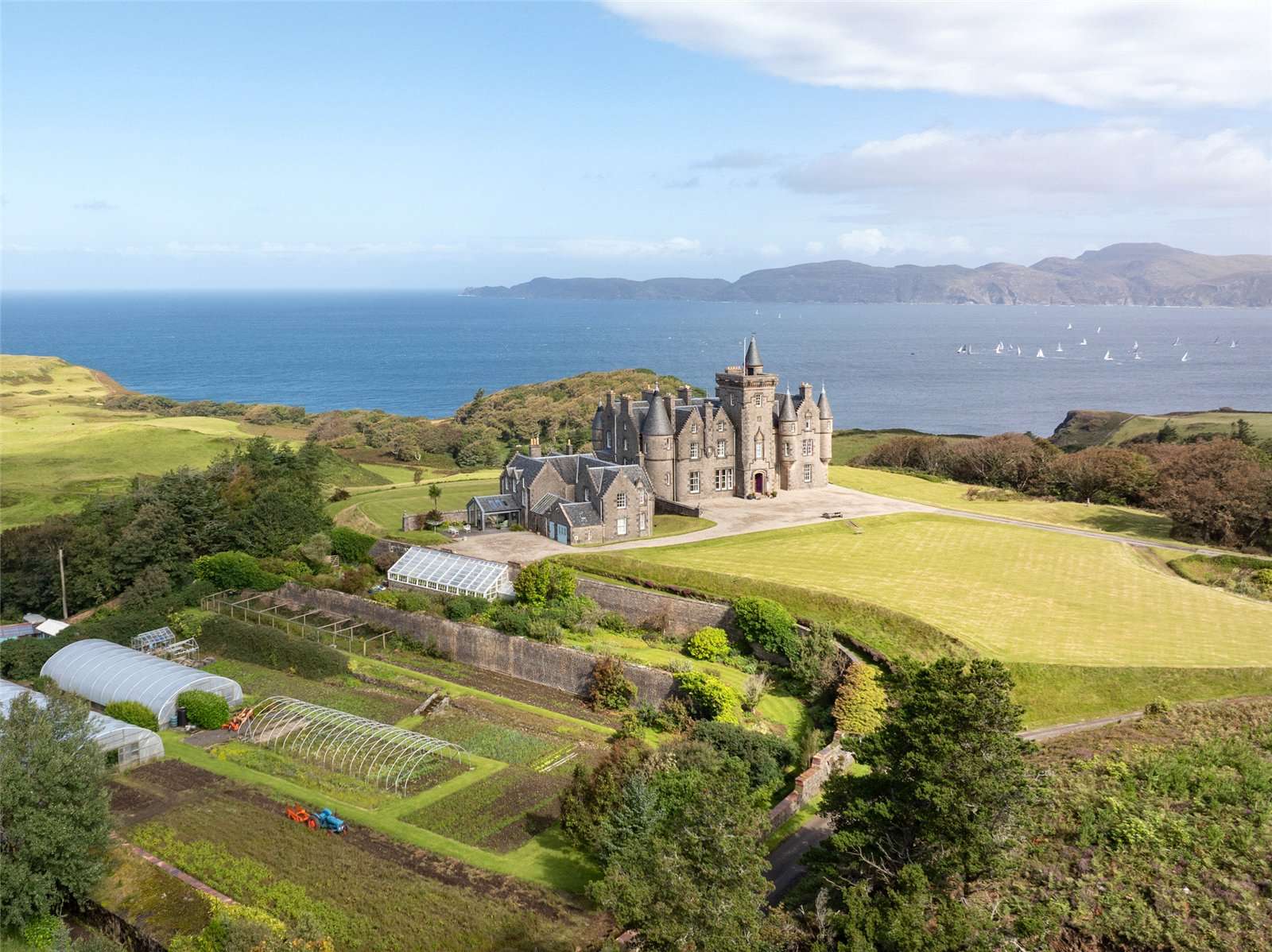
Glengorm, Tobermory, Isle of Mull, Argyll and Bute, PA75 6QE
POA
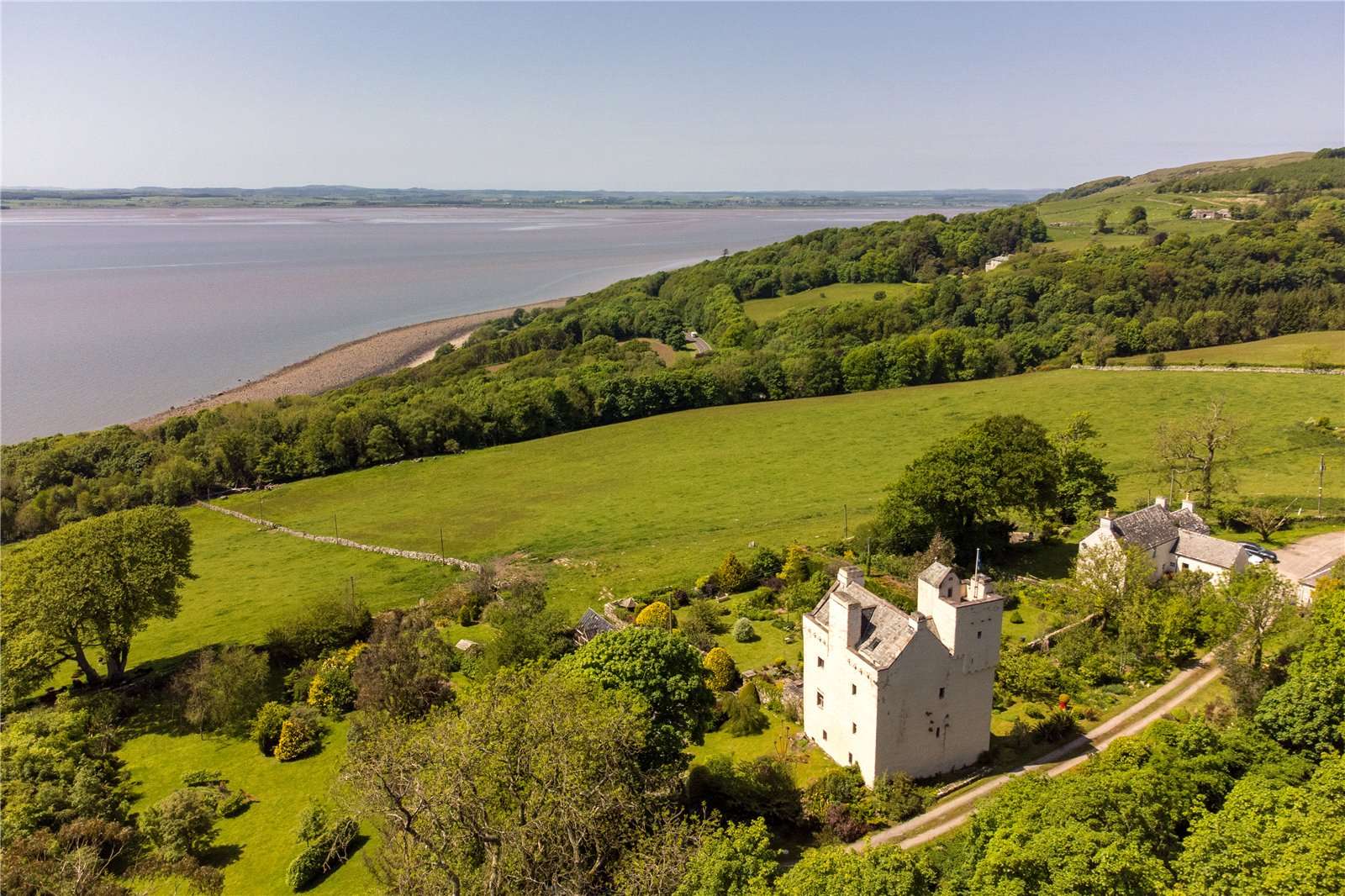
Barholm Castle, Gatehouse of Fleet, Castle Douglas, Kirkcudbrightshire, DG7 2EZ
POA
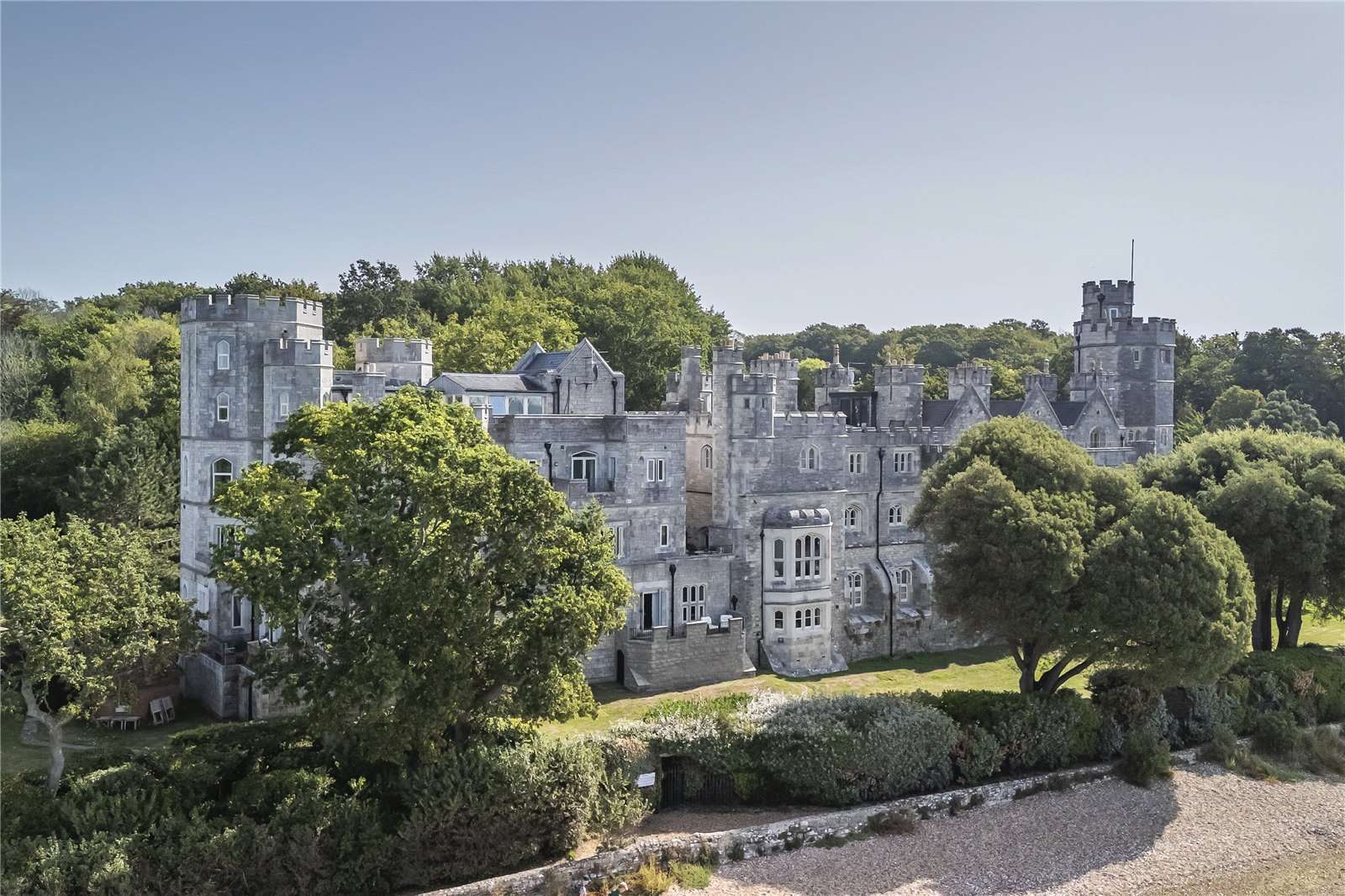
Abbey Hill, Netley Abbey, Southampton, Hampshire, SO31 5FA
POA
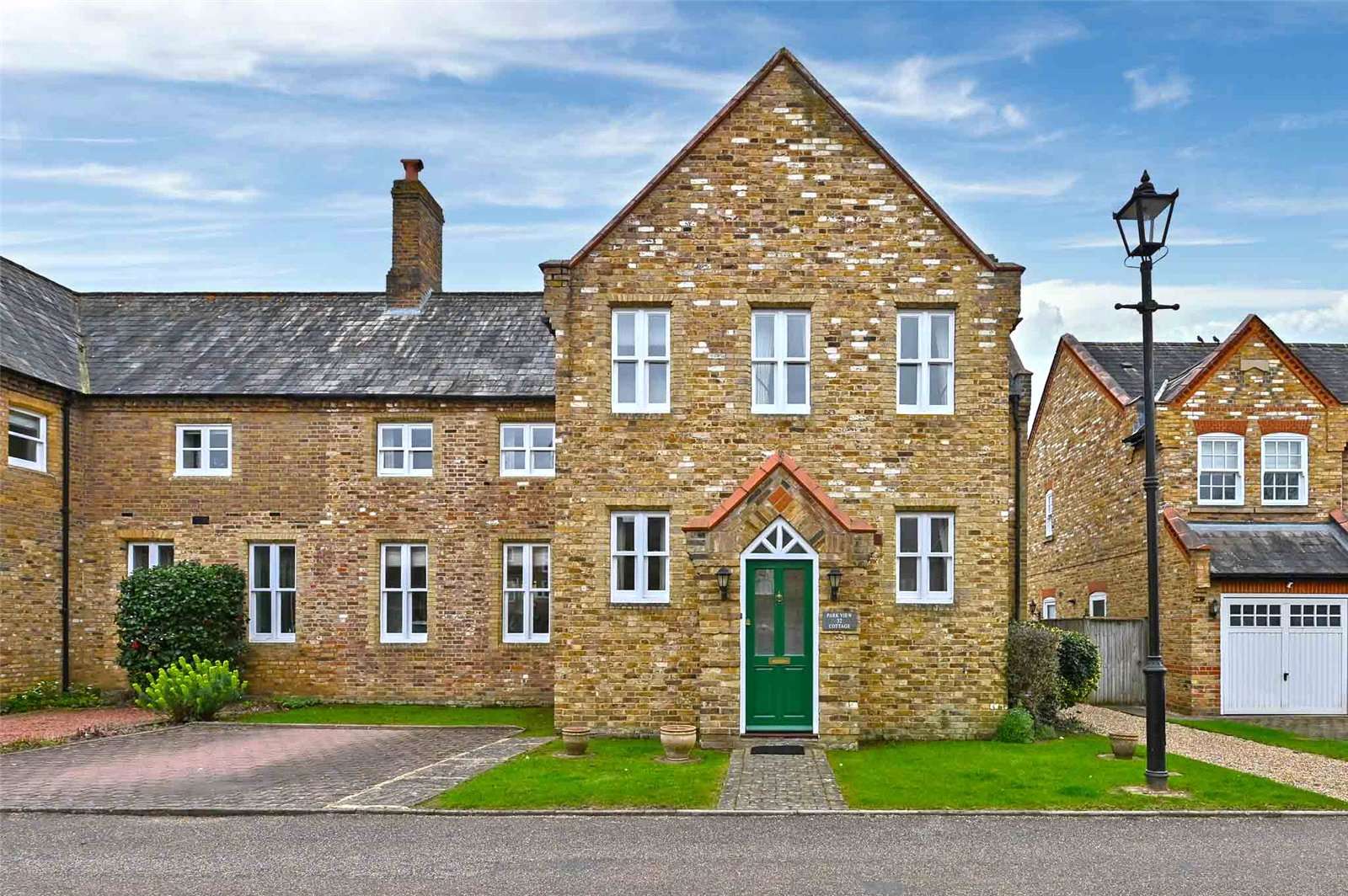
Bears Rails Park, Old Windsor, Windsor, Berkshire, SL4 2HN
POA
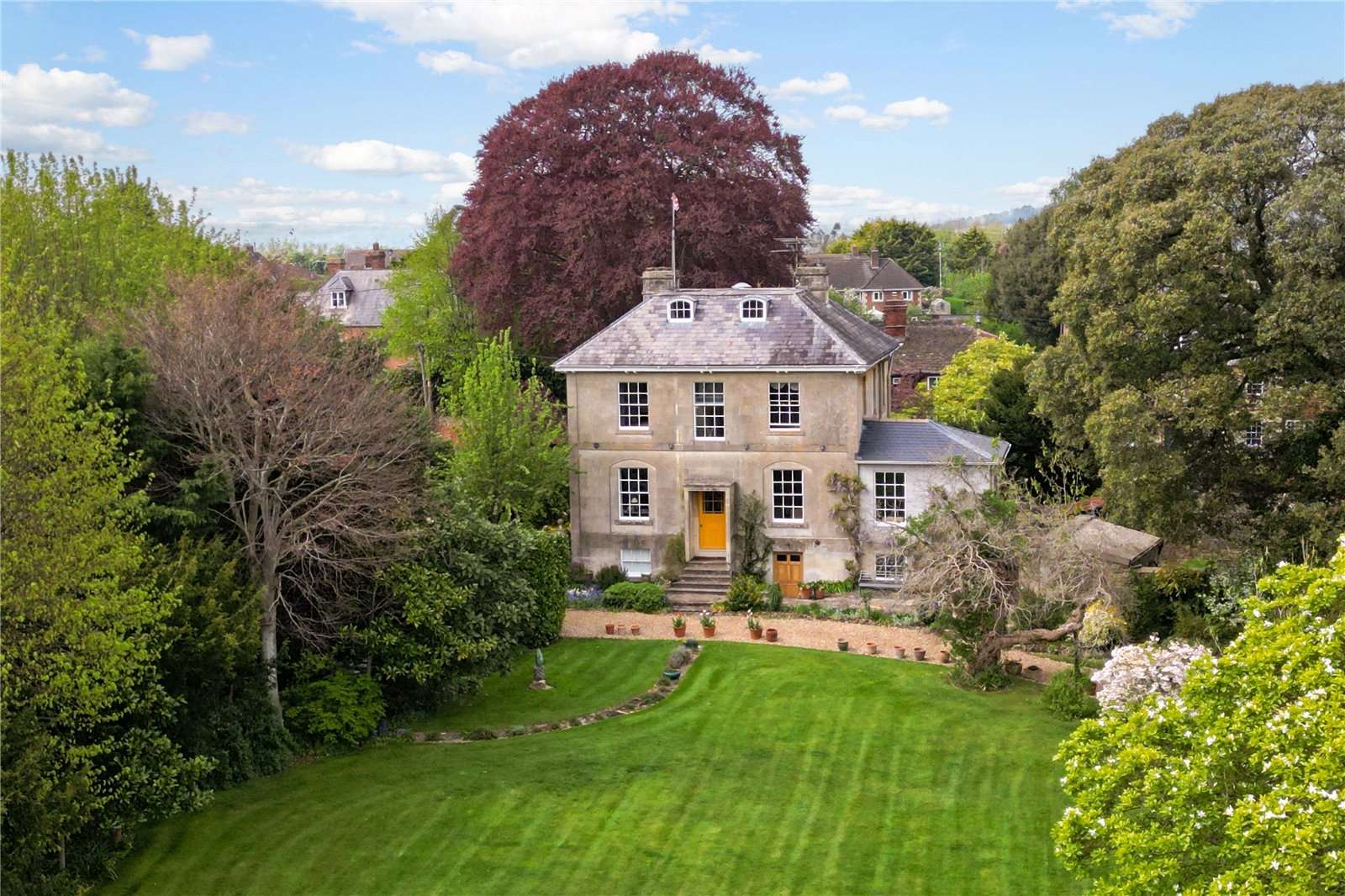
High Street, Seend, Wiltshire, SN12 6NU
POA
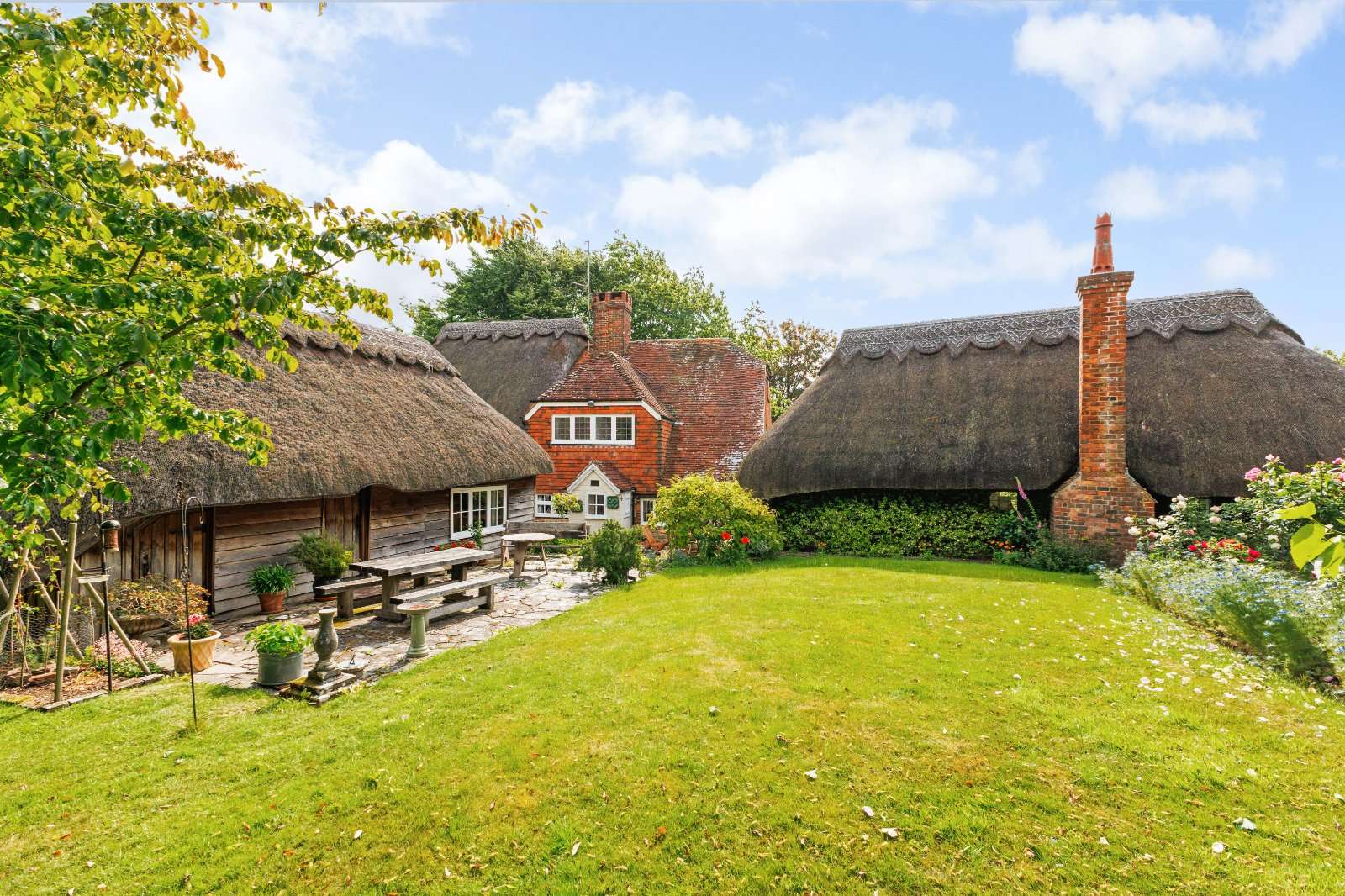
West Burton, Pulborough, West Sussex, RH20 1HD
POA
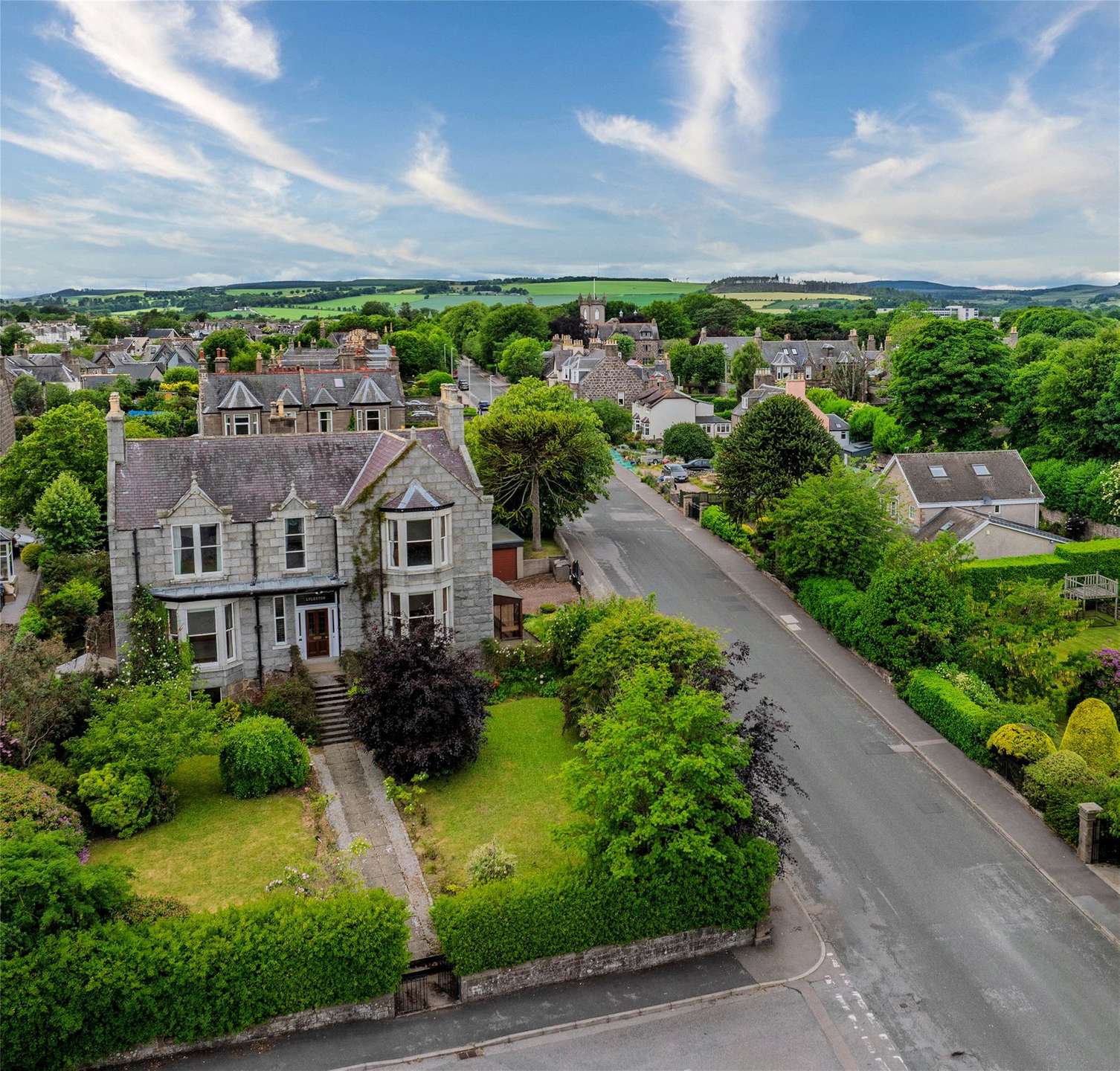
Lyleston, 44 Robert Street, Stonehaven, Aberdeenshire, AB39 2DJ
POA
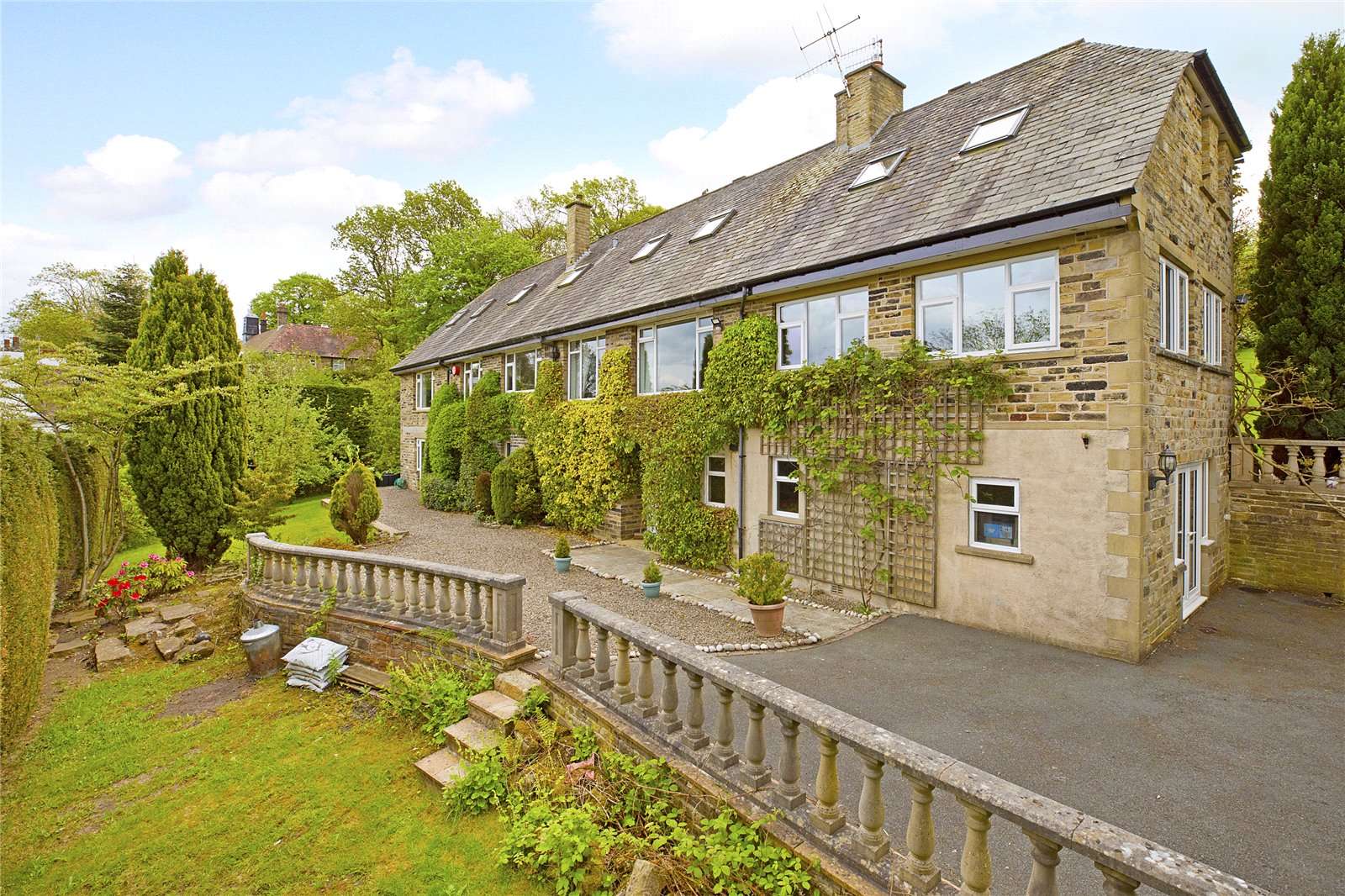
Ben Rhydding Drive, Ilkley, West Yorkshire, LS29 8BA
POA
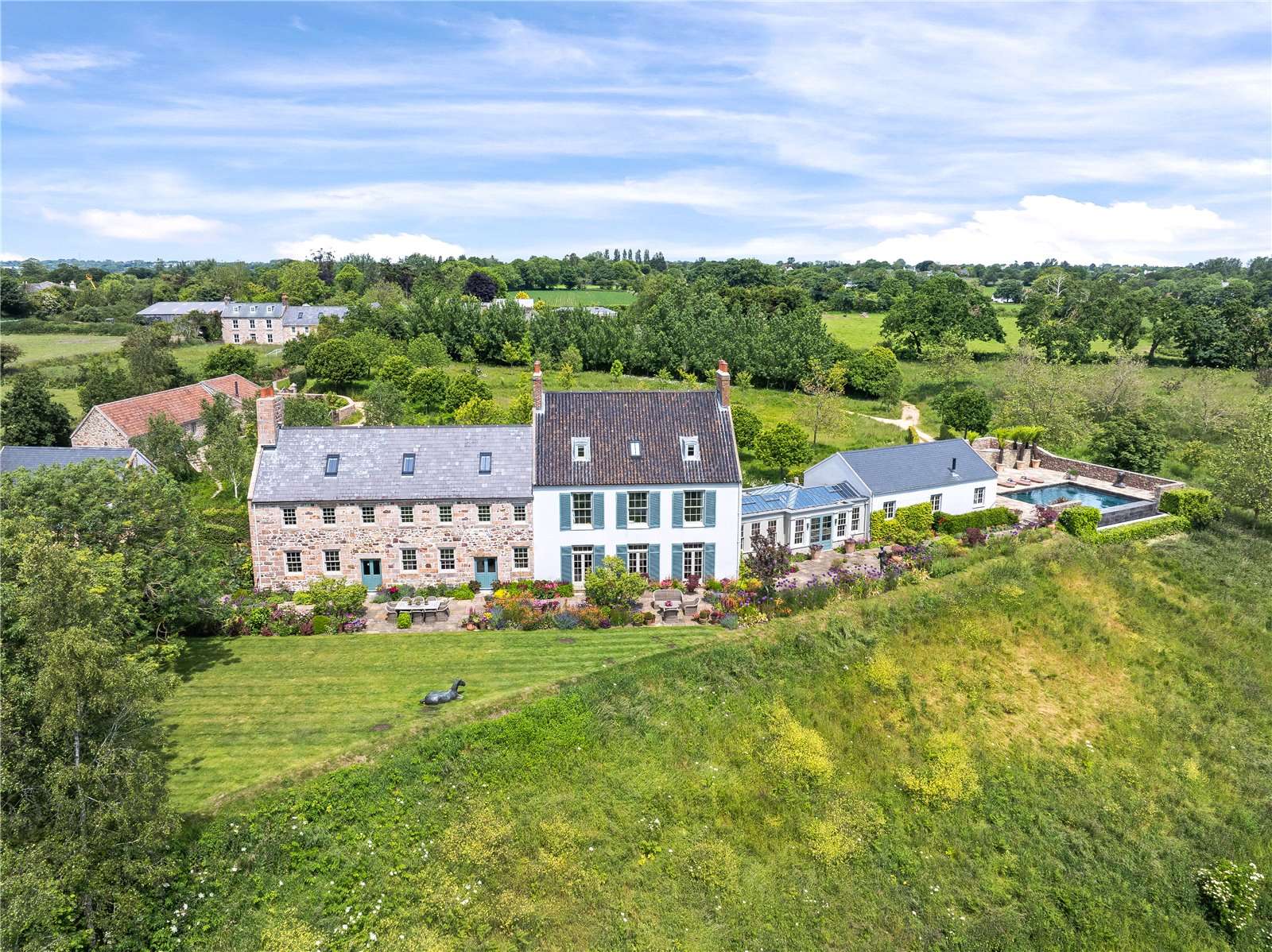
La Rue De St. Mannelier, St. Saviour, Jersey, JE2 7HJ
POA
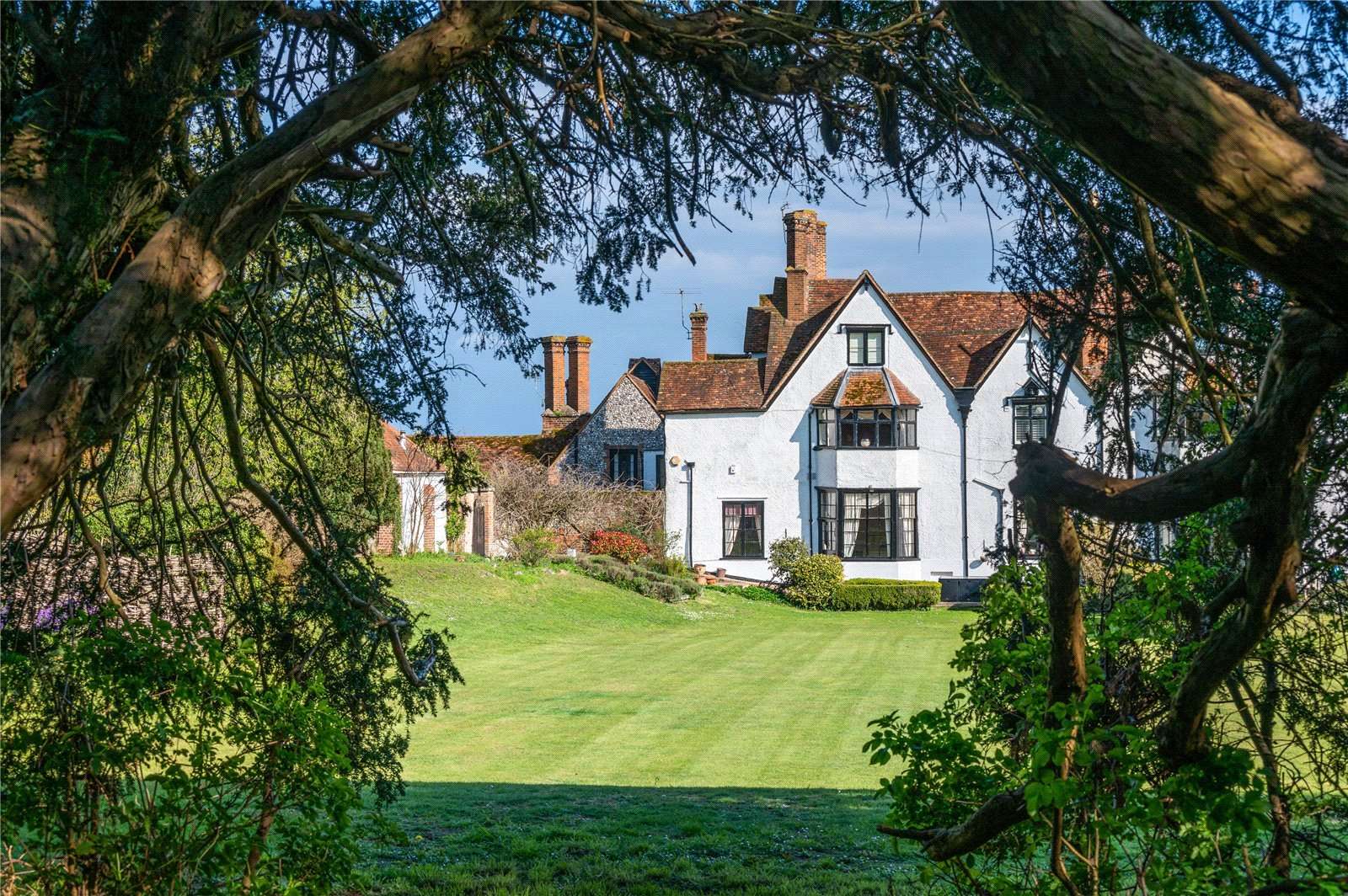
Hambleden, Henley-on-Thames, Buckinghamshire, RG9 6RJ
POA

South Tower, Cullen House, Cullen, Buckie, AB56 4XW
POA
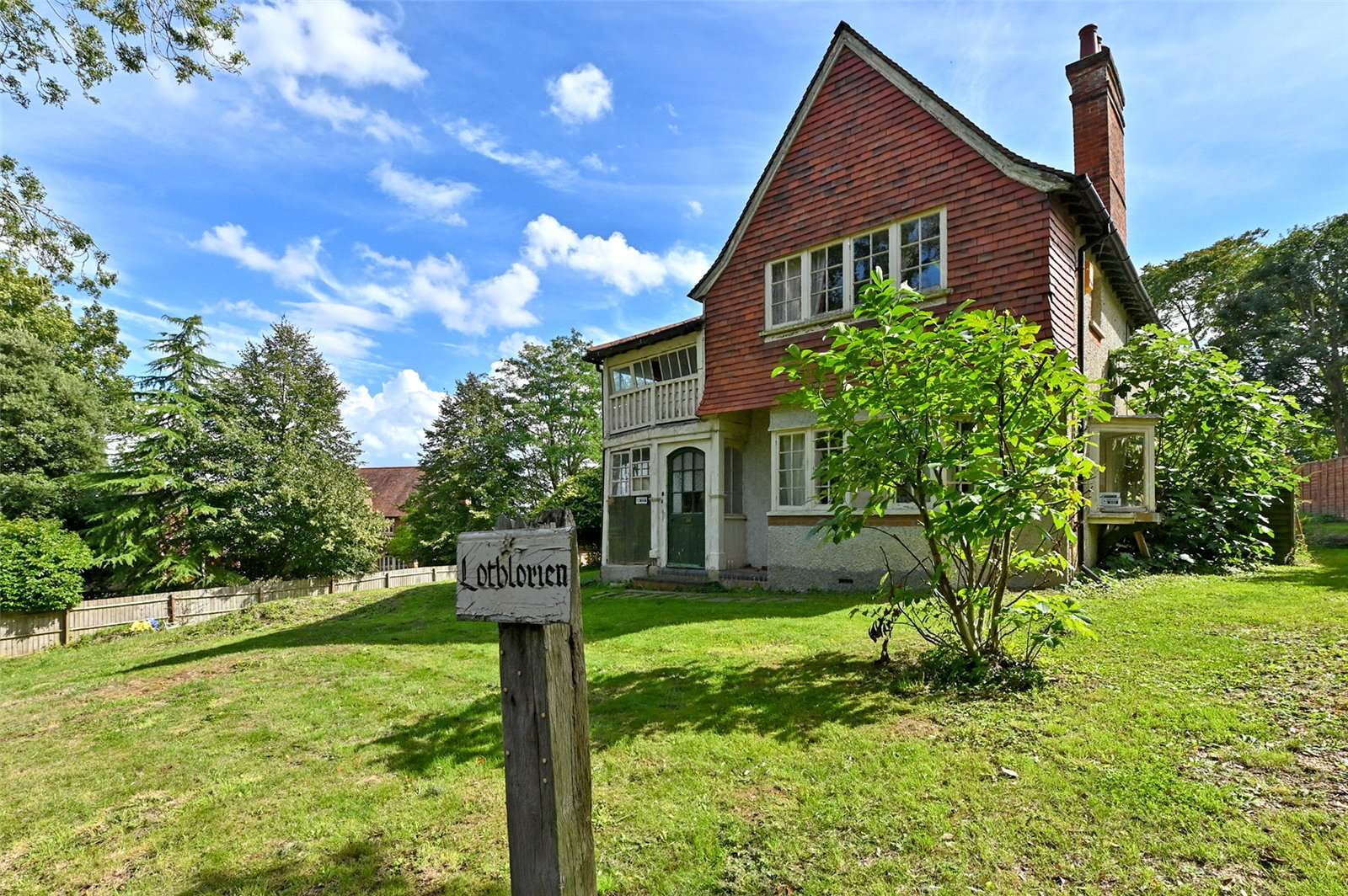
Harcourt Hill, Oxford, Oxfordshire, OX2 9AS
POA
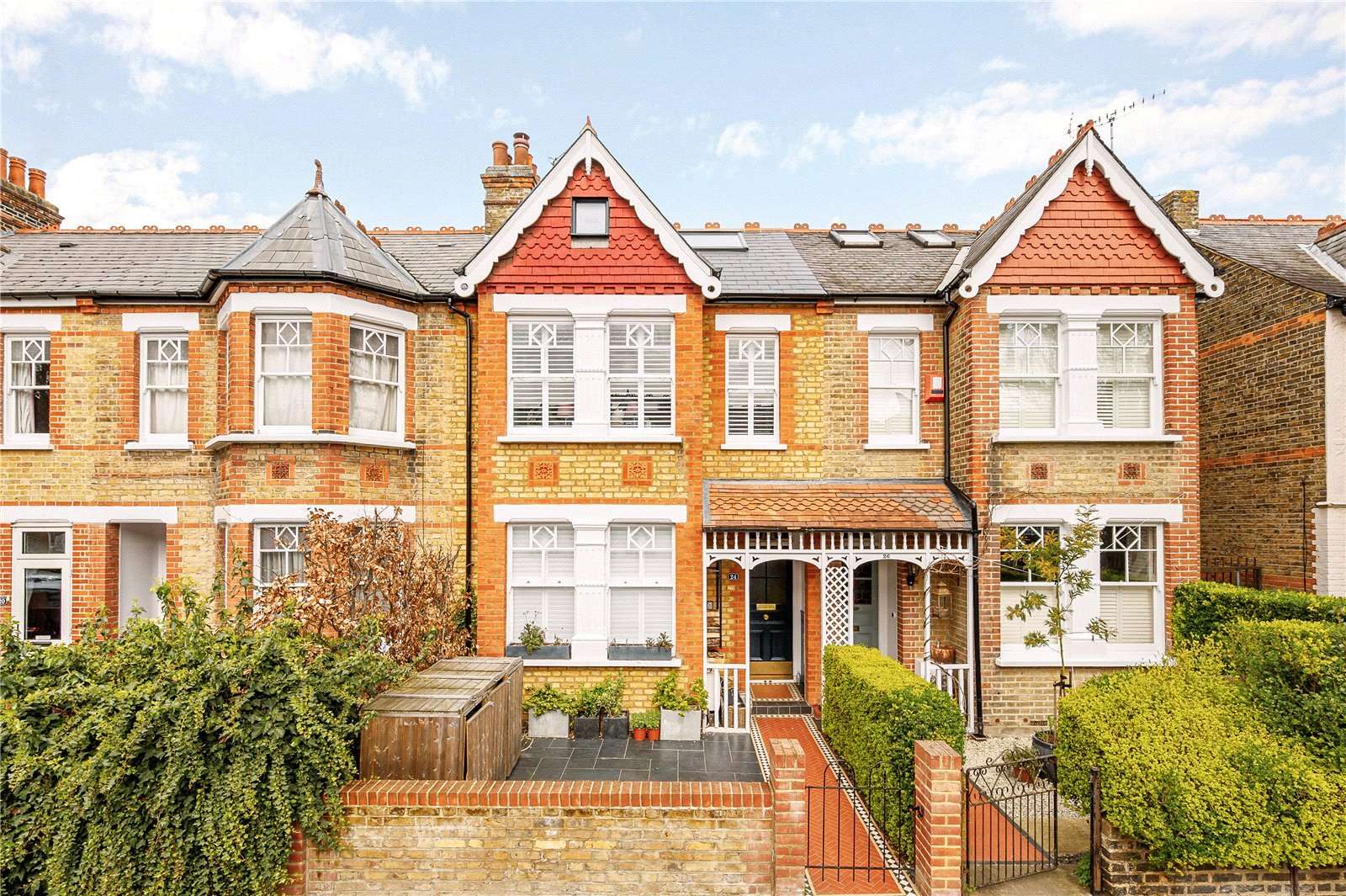
Windermere Road, London, W5 4TD
POA
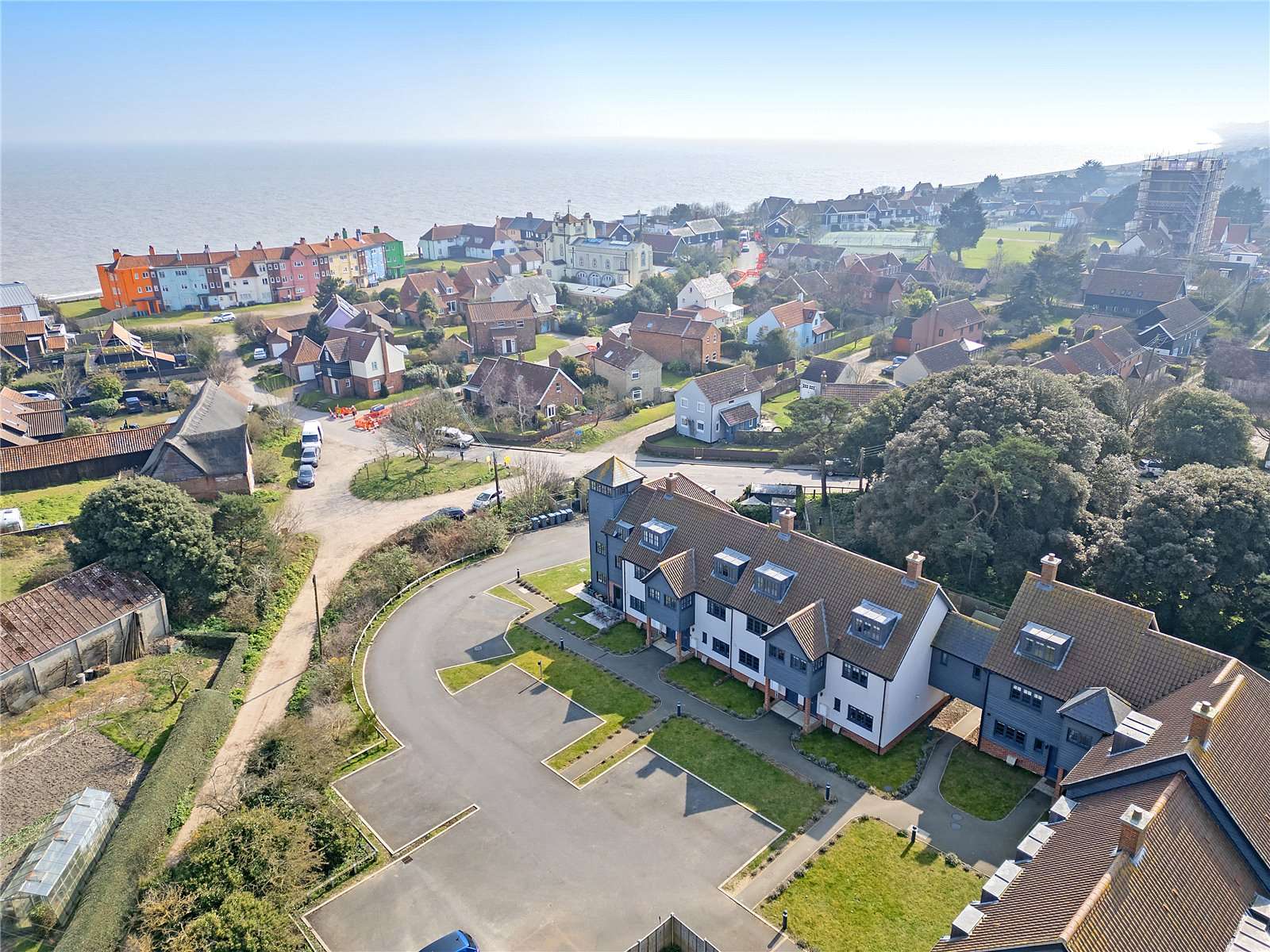
Oaks Court, Thorpeness, Leiston, Suffolk, IP16 4FF
POA
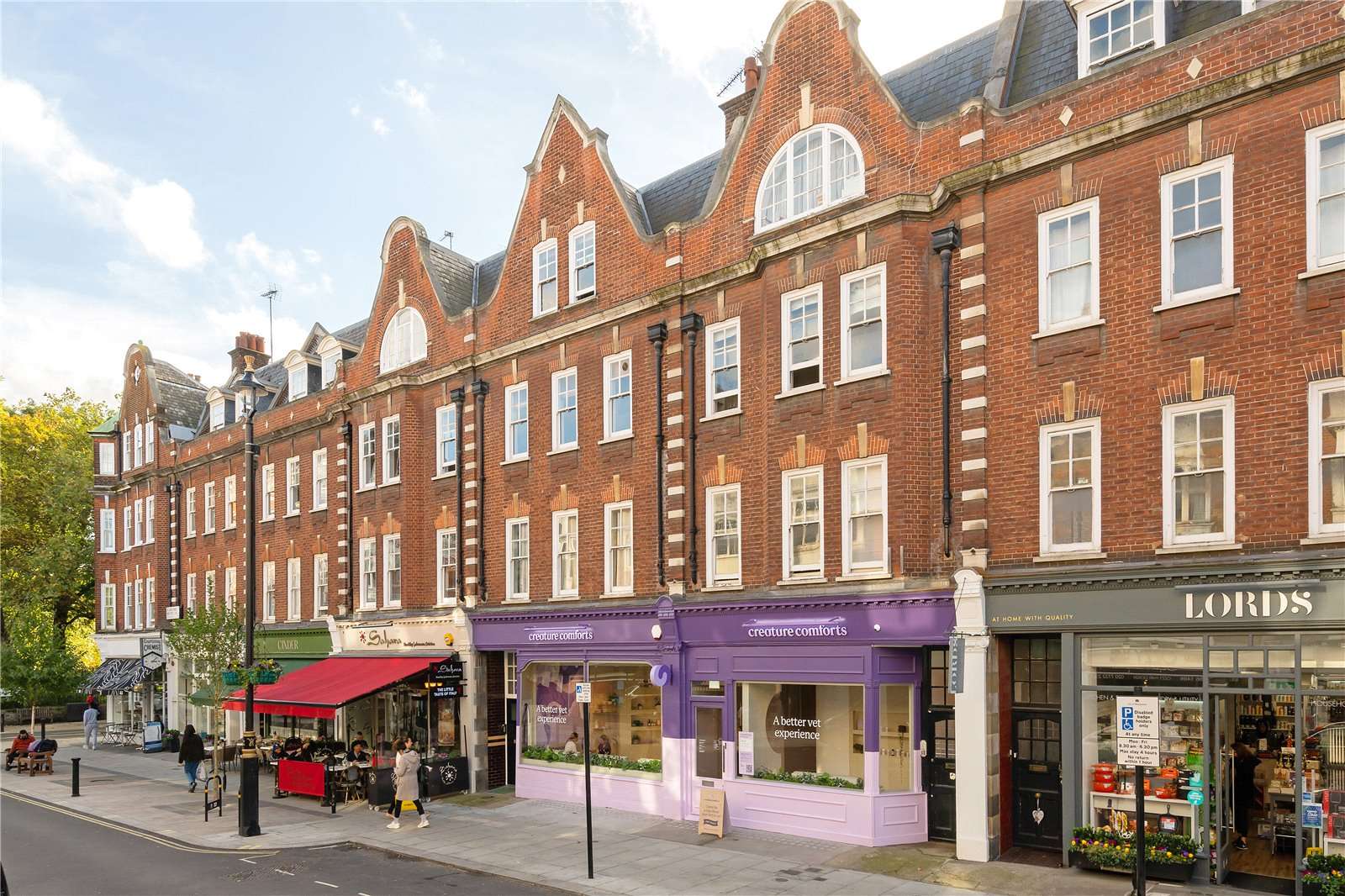
St. John's Wood High Street, St. John's Wood, London, NW8 7NG
POA
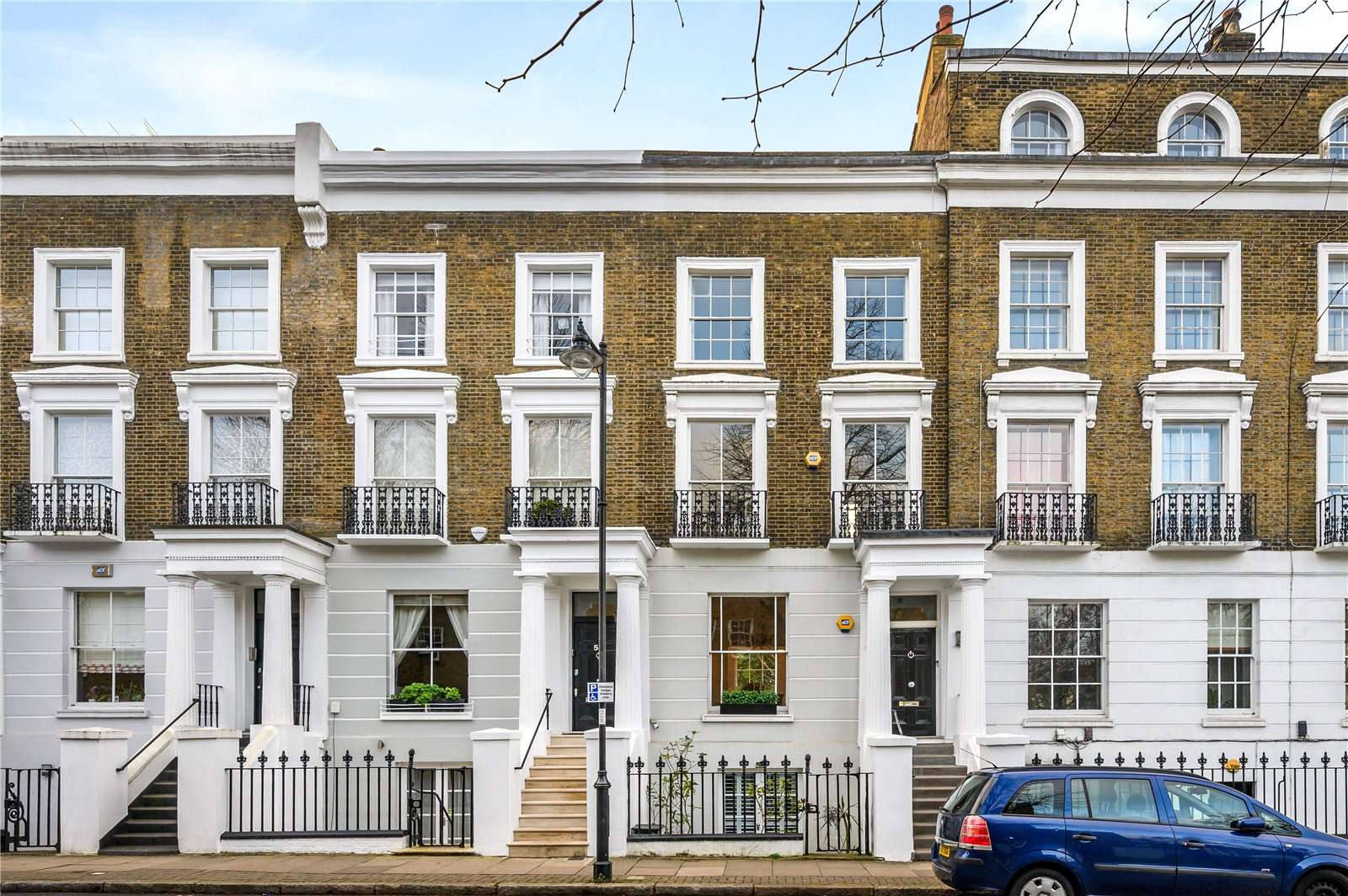
Compton Road, Islington, London, N1 2PB
POA
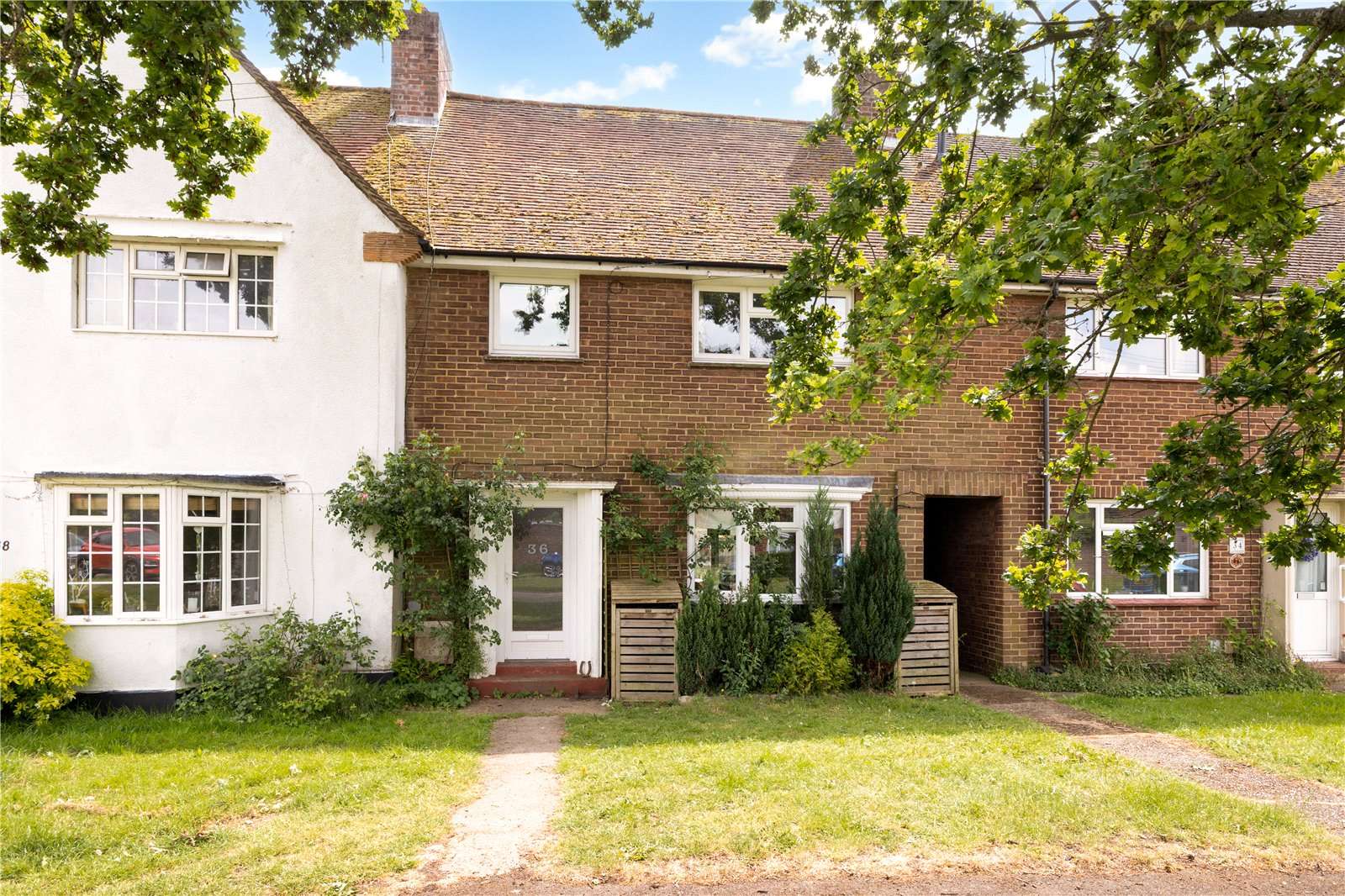
Dodds Park, Brockham, Betchworth, Surrey, RH3 7LD
POA
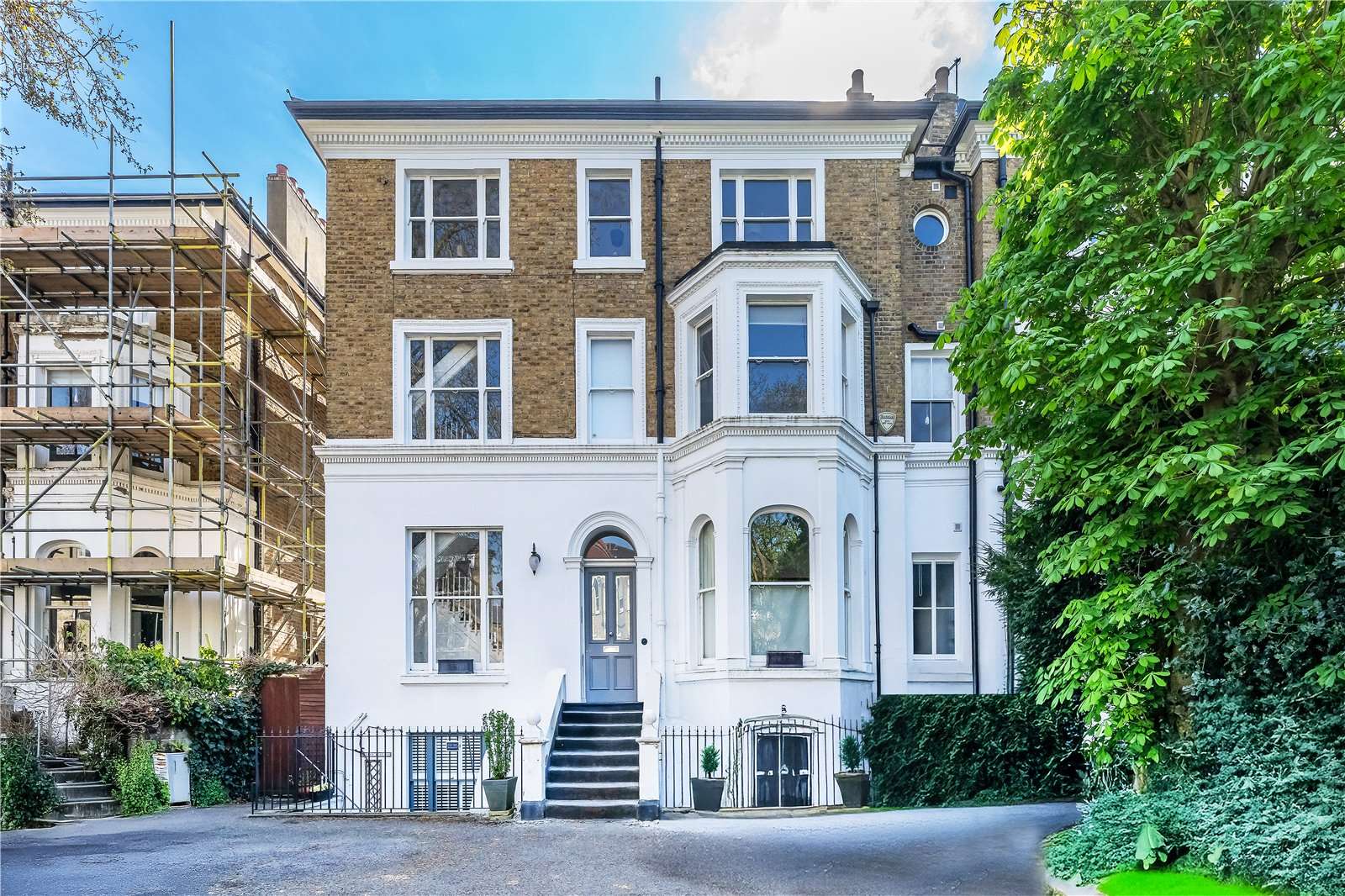
Richmond Road, Twickenham, TW1 2PD
POA
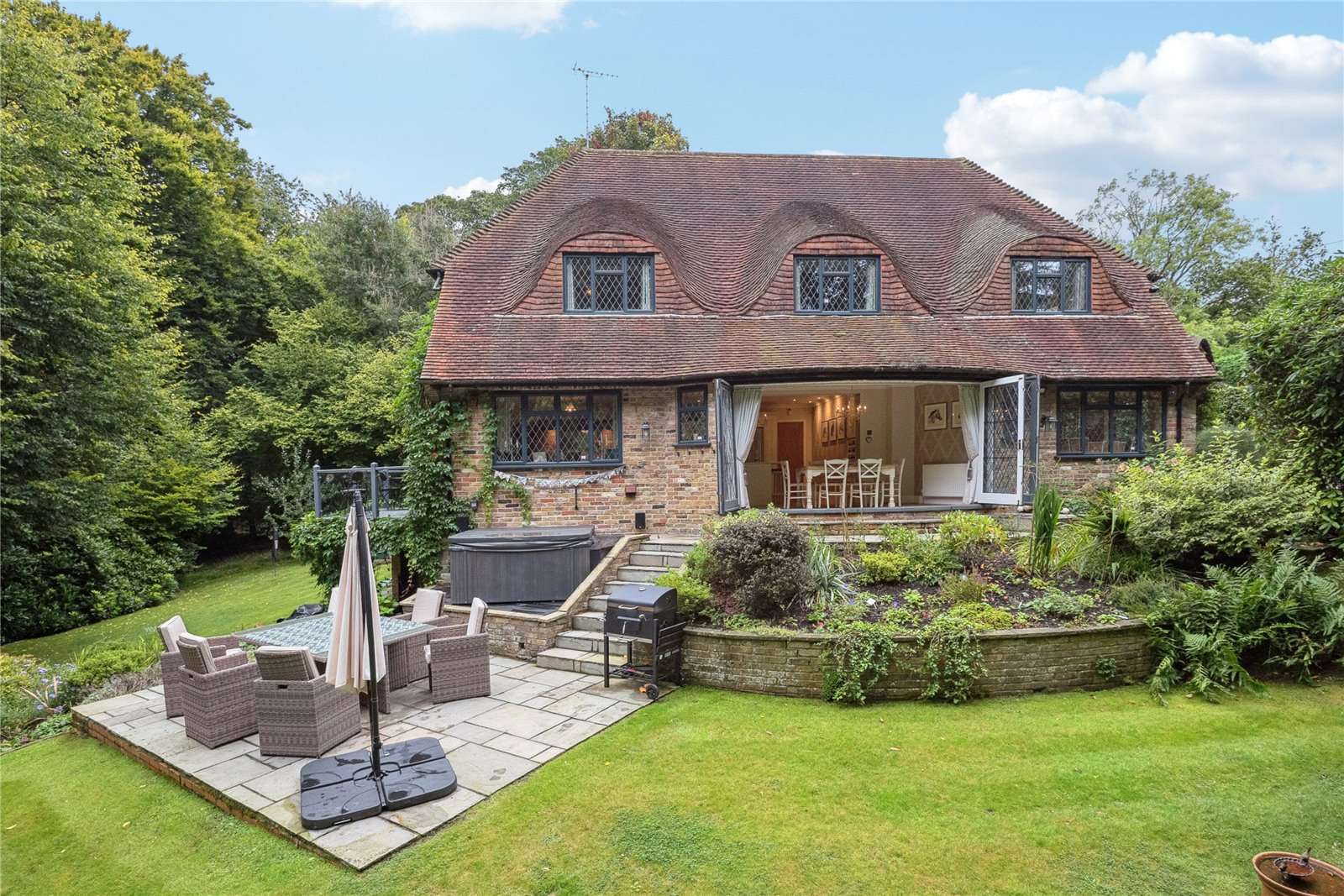
Whisperwood, Loudwater, Rickmansworth, Hertfordshire, WD3 4JU
POA
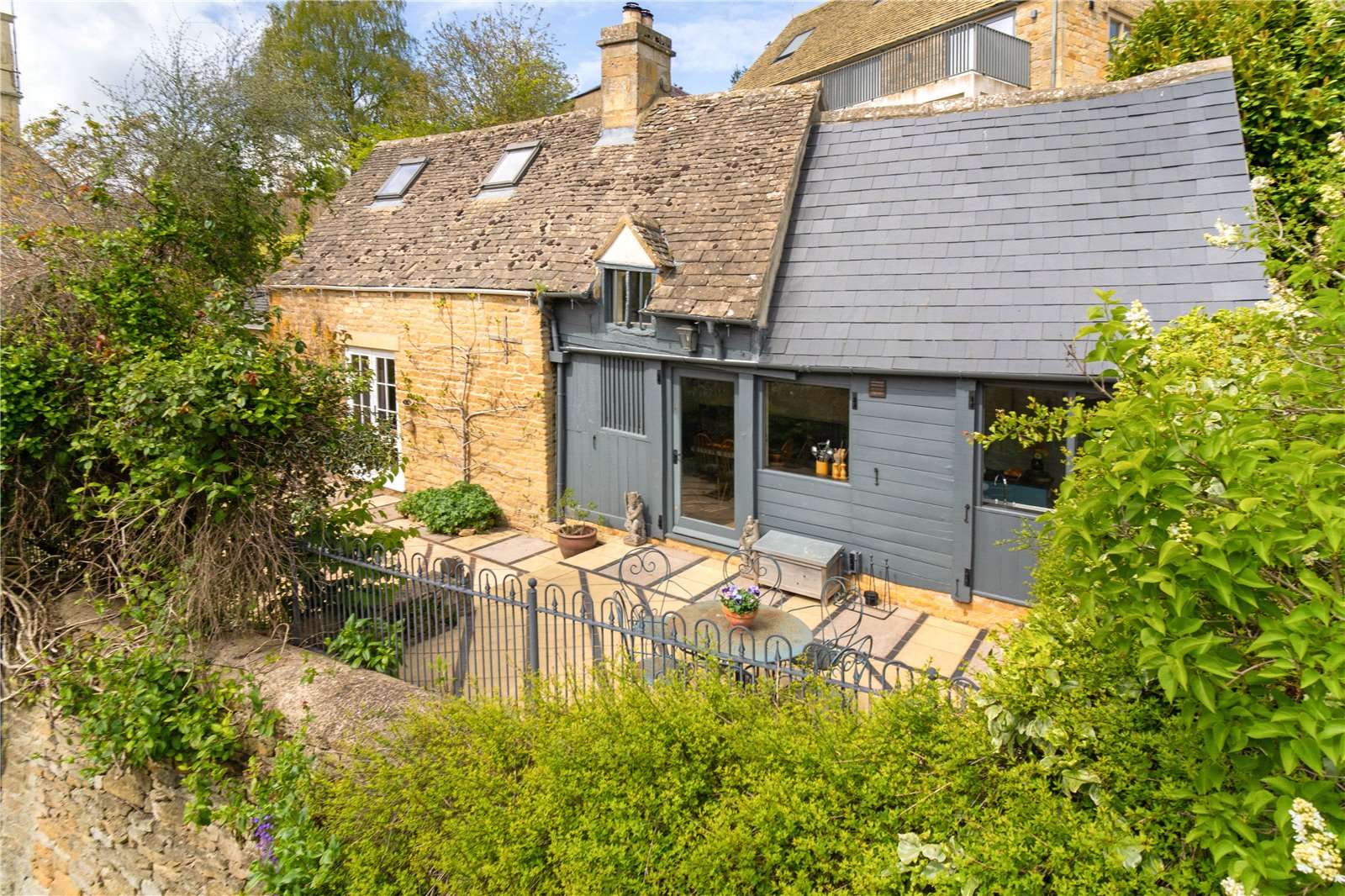
High Street, Blockley, Moreton-in-Marsh, Gloucestershire, GL56 9ET
POA
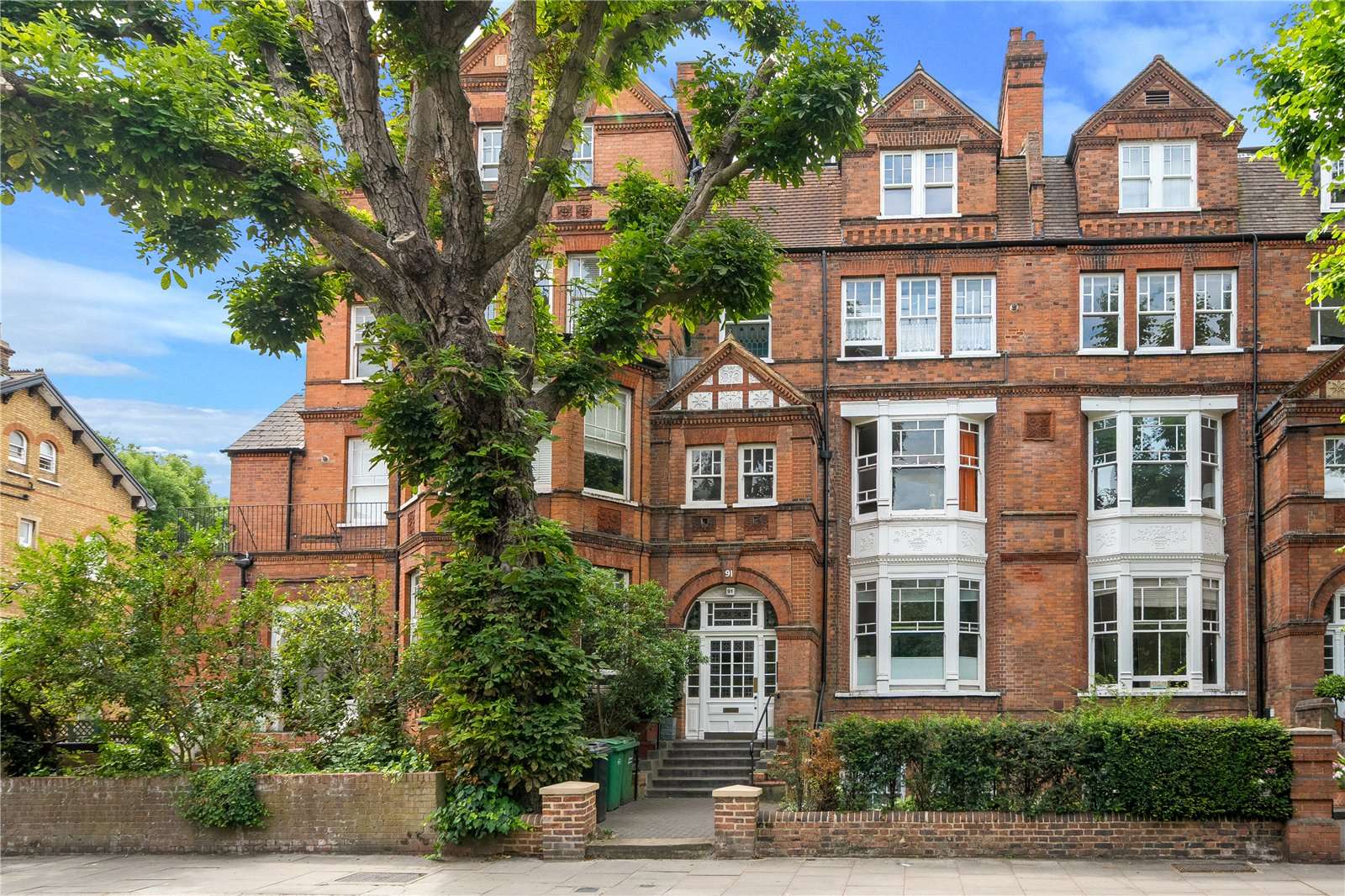
Fitzjohns Avenue, London, NW3 6NX
POA
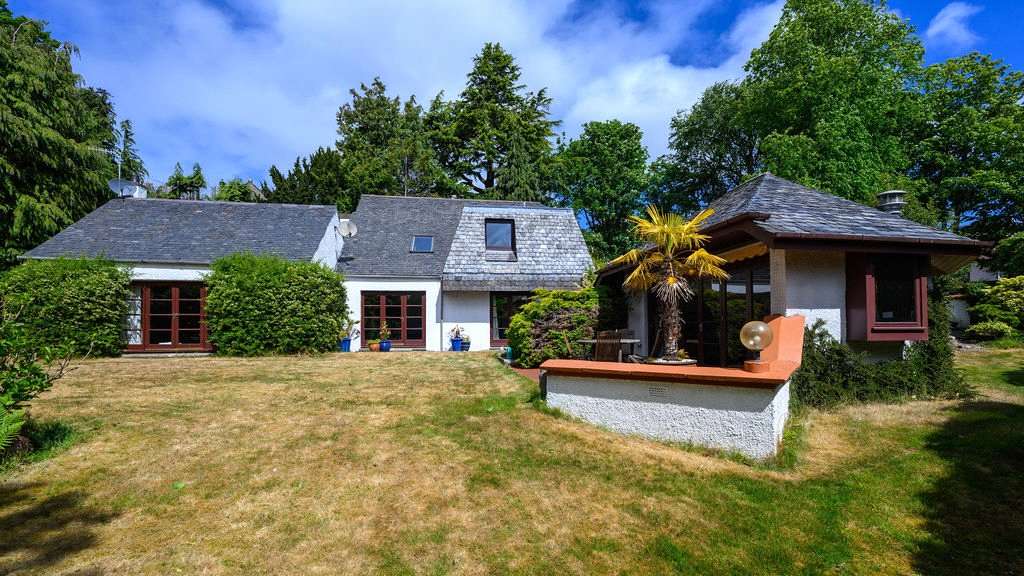
Dundarroch Gardens, Broughty Ferry, By Dundee, DD5 2TD
POA
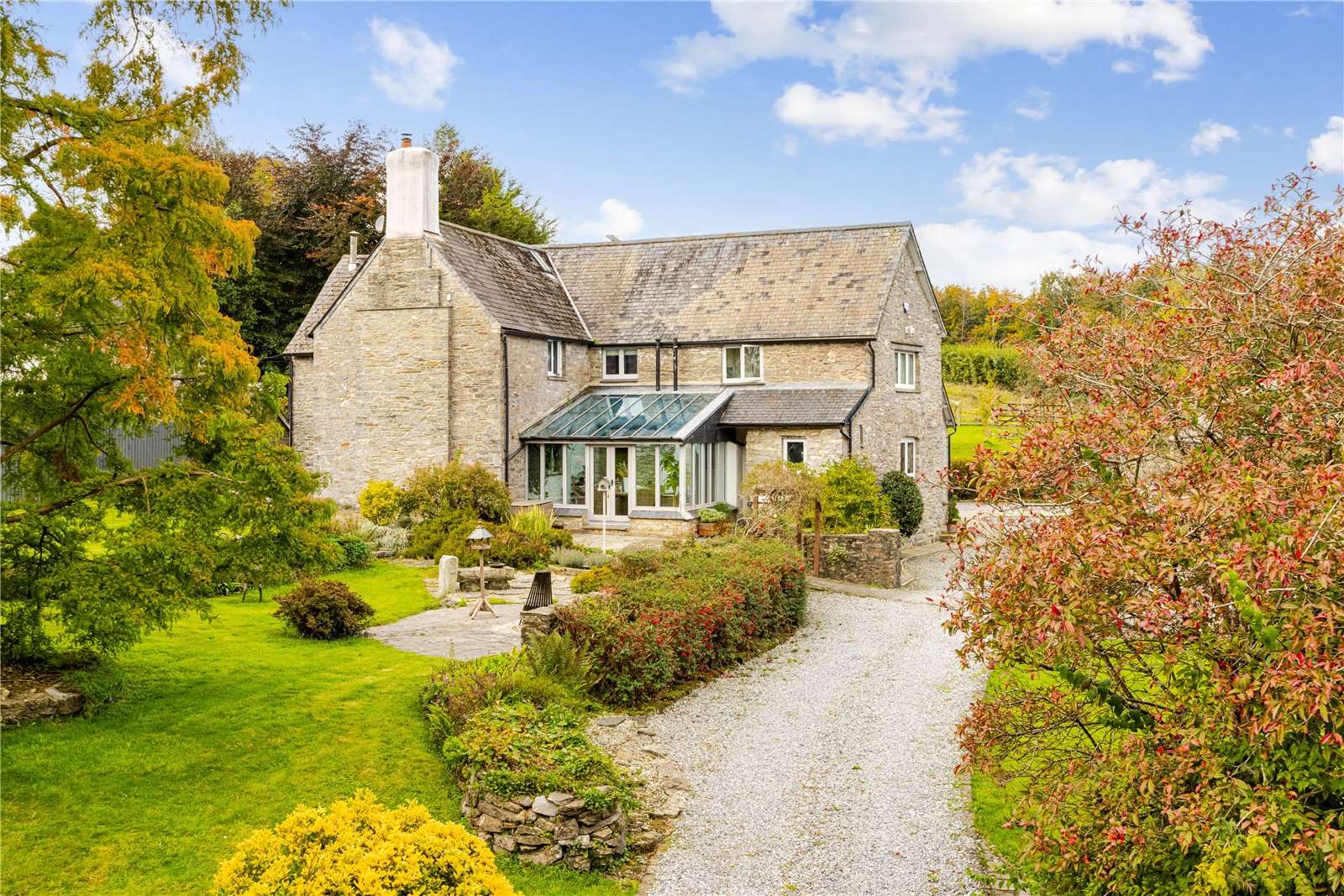
Dartington, Totnes, Devon, TQ9 6DP
POA
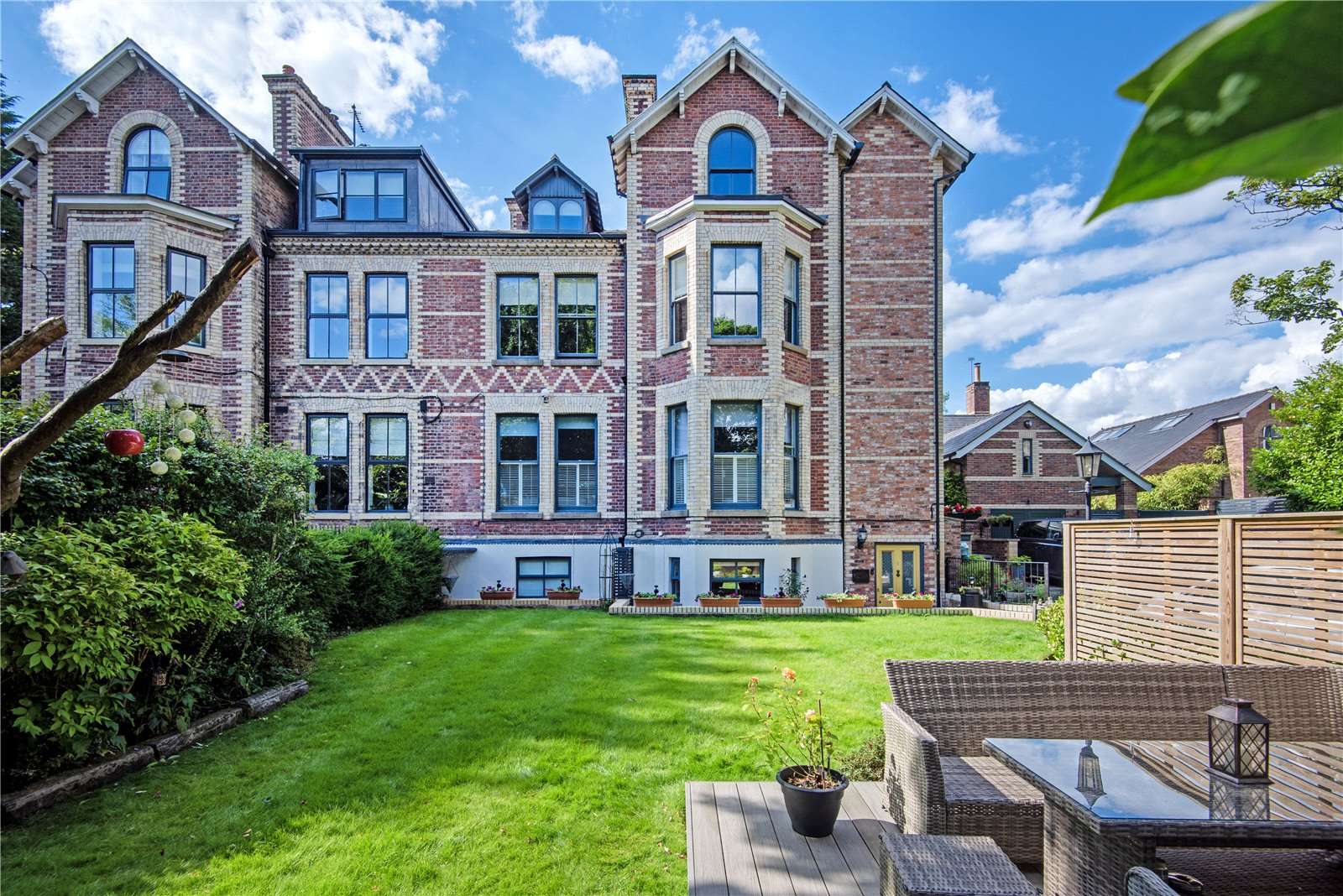
Daveylands, Wilmslow, Cheshire, SK9 2AG
POA
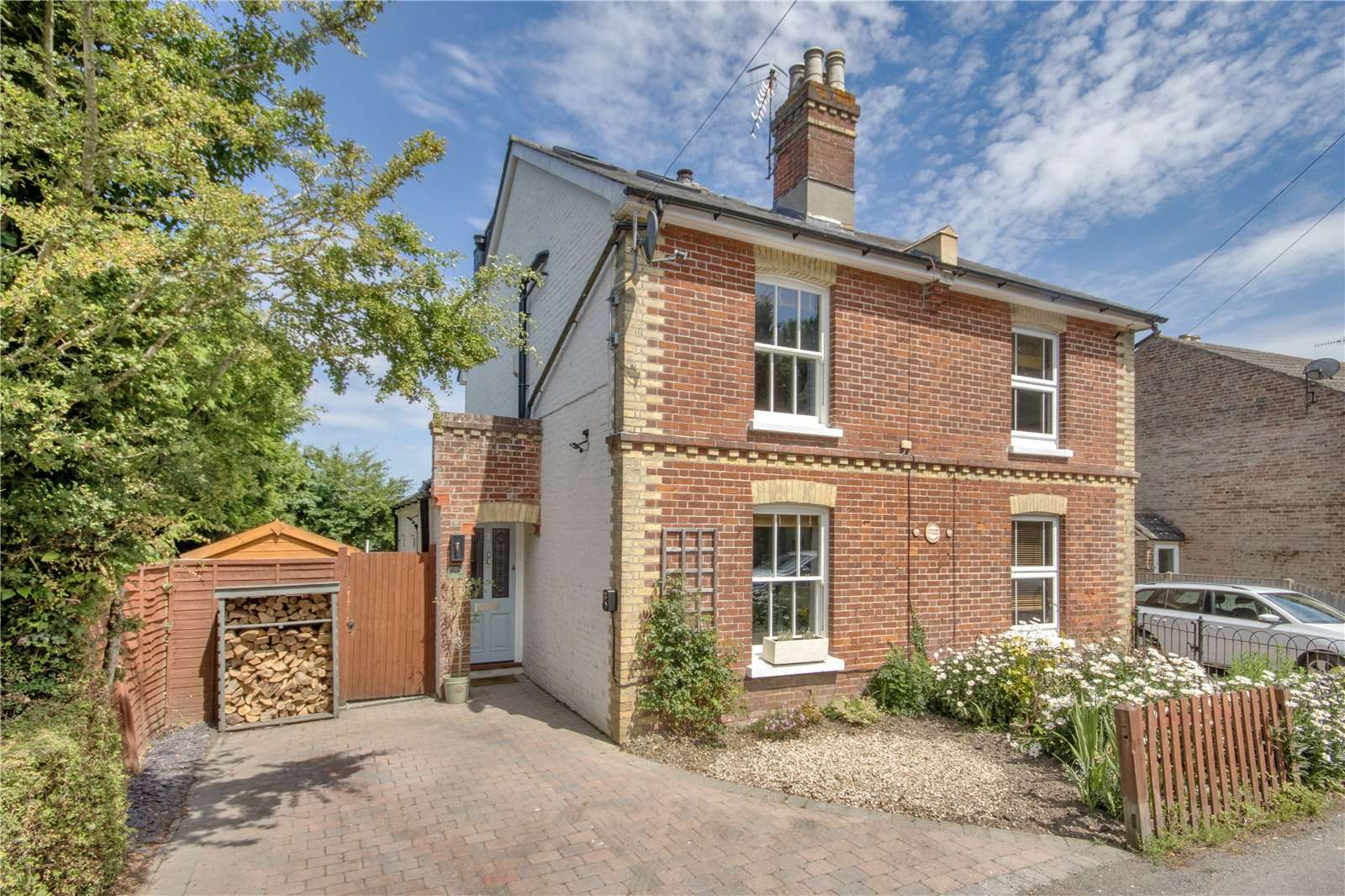
Barden Road, Speldhurst, Tunbridge Wells, Kent, TN3 0PX
POA
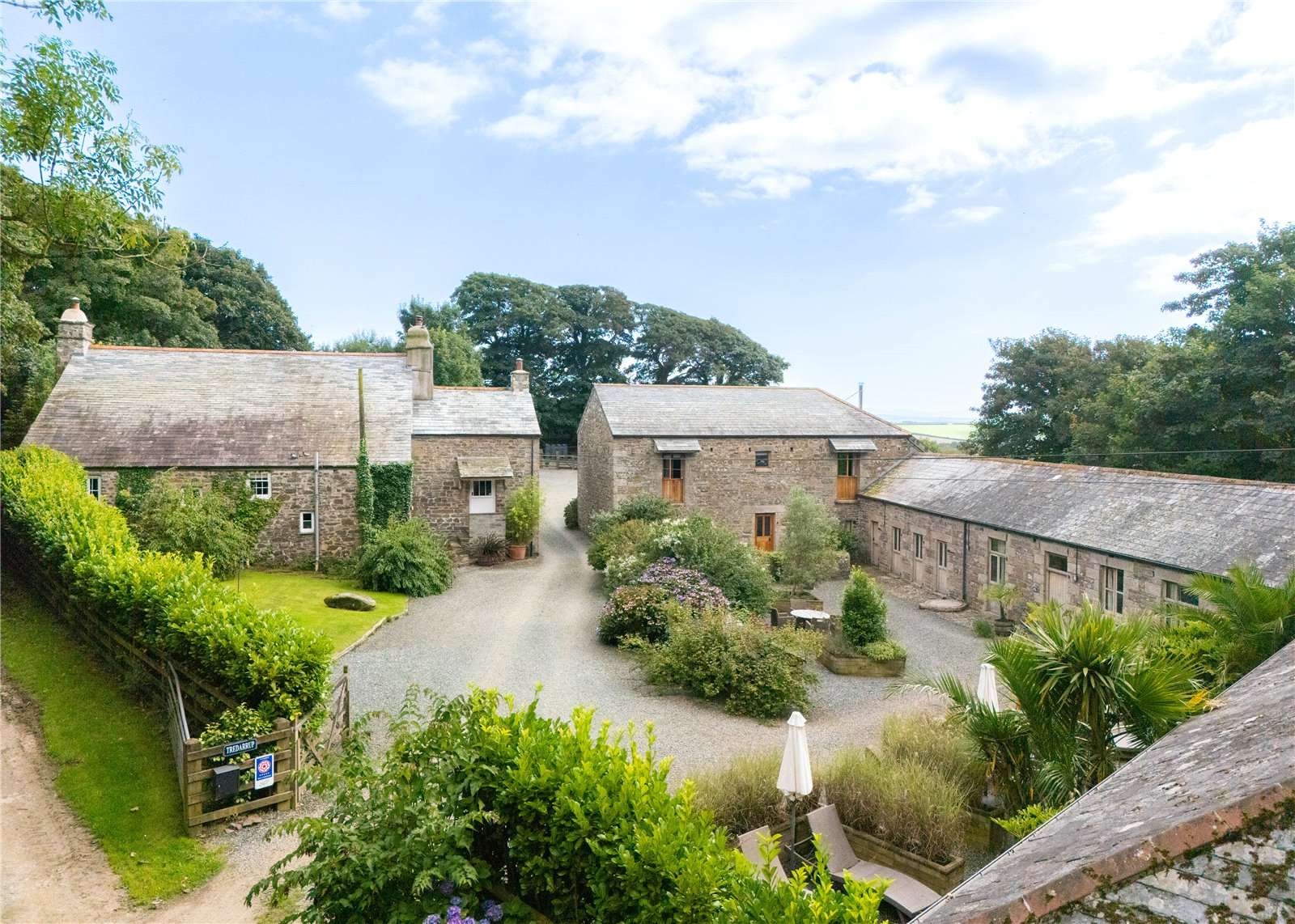
Treveighan, St. Teath, Bodmin, Cornwall, PL30 3JN
POA
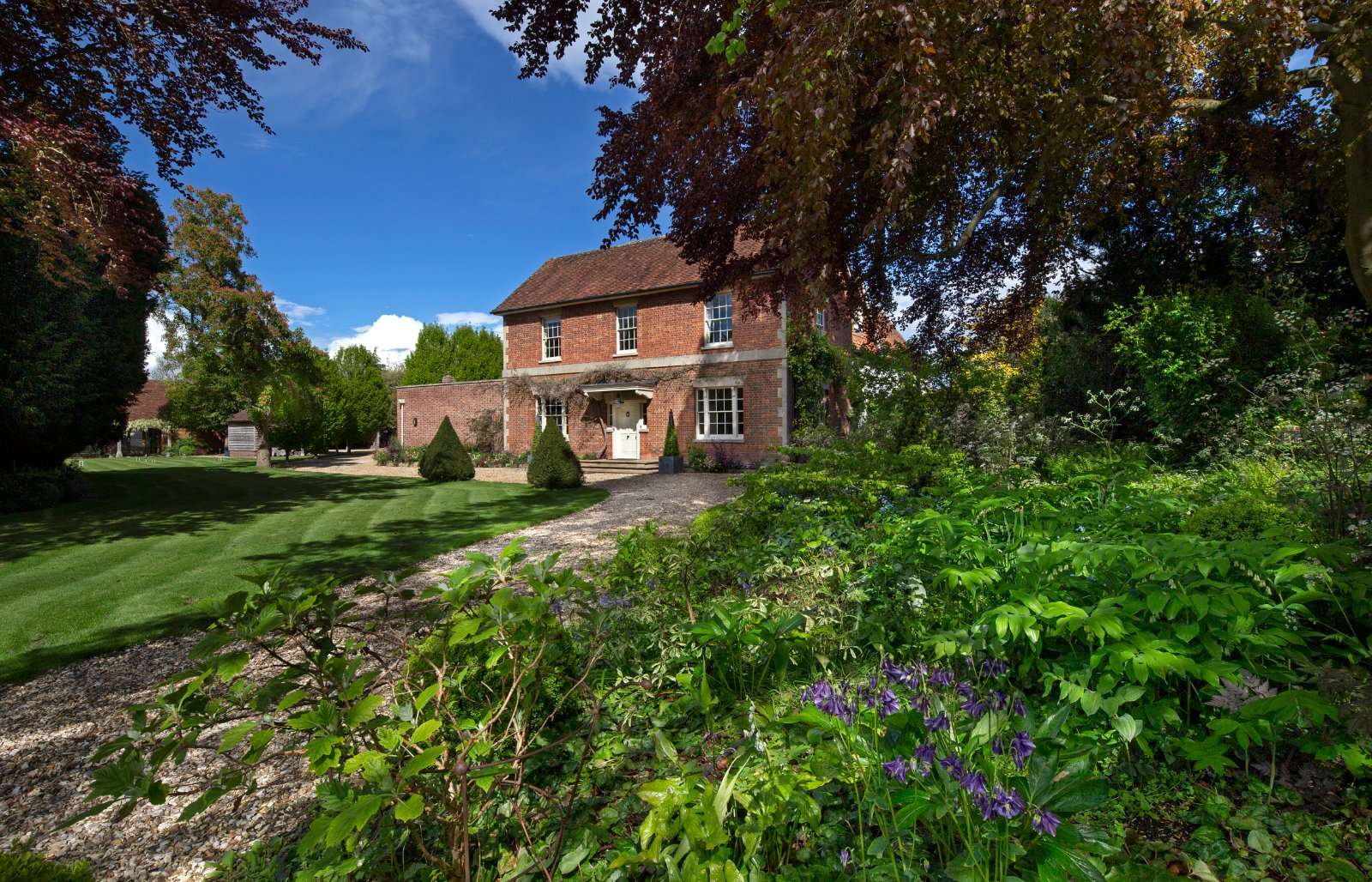
Wellshead, Harwell, Didcot, Oxfordshire, OX11 0HD
POA
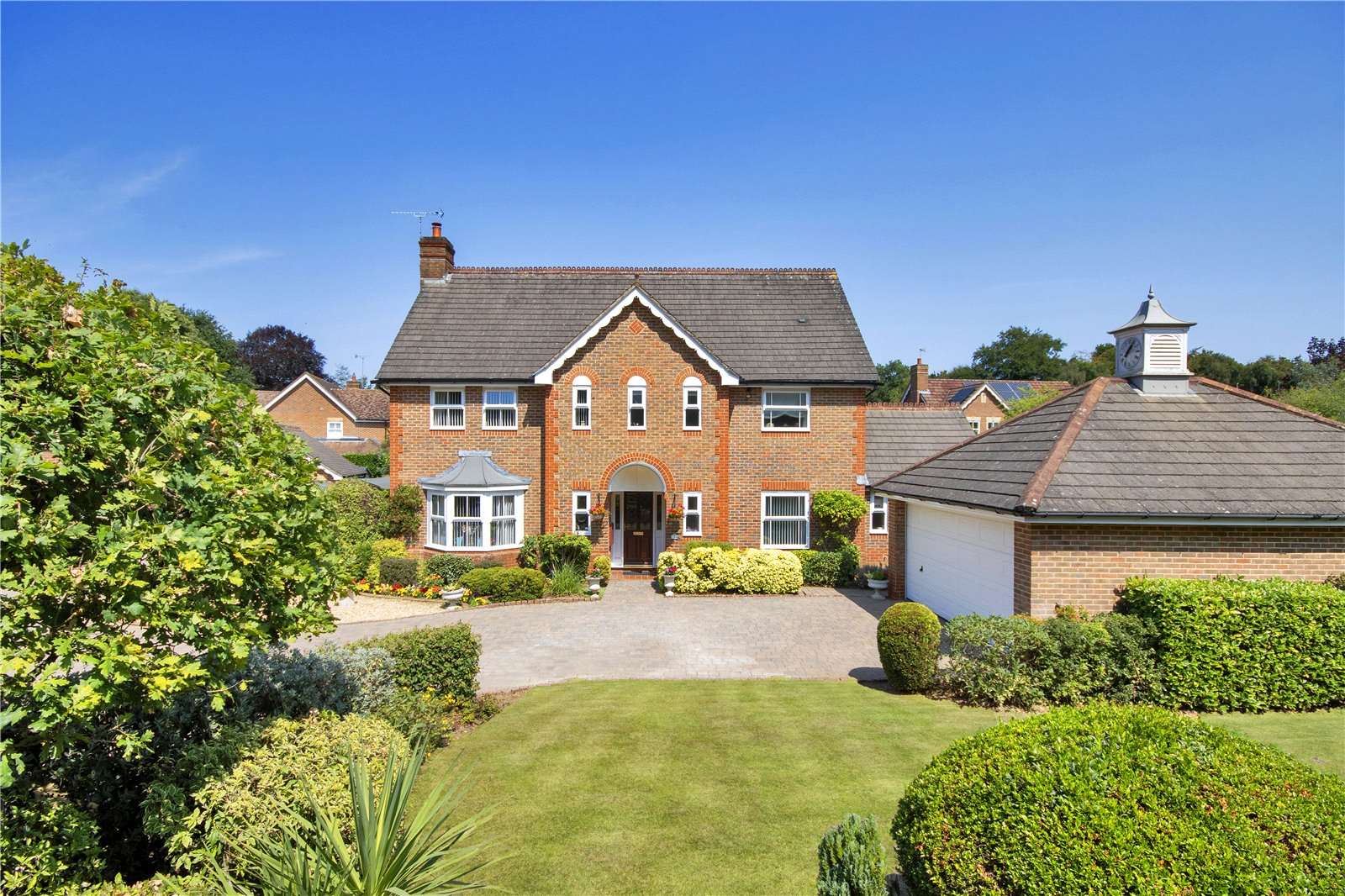
Nutfields, Ightham, Sevenoaks, Kent, TN15 9EA
POA
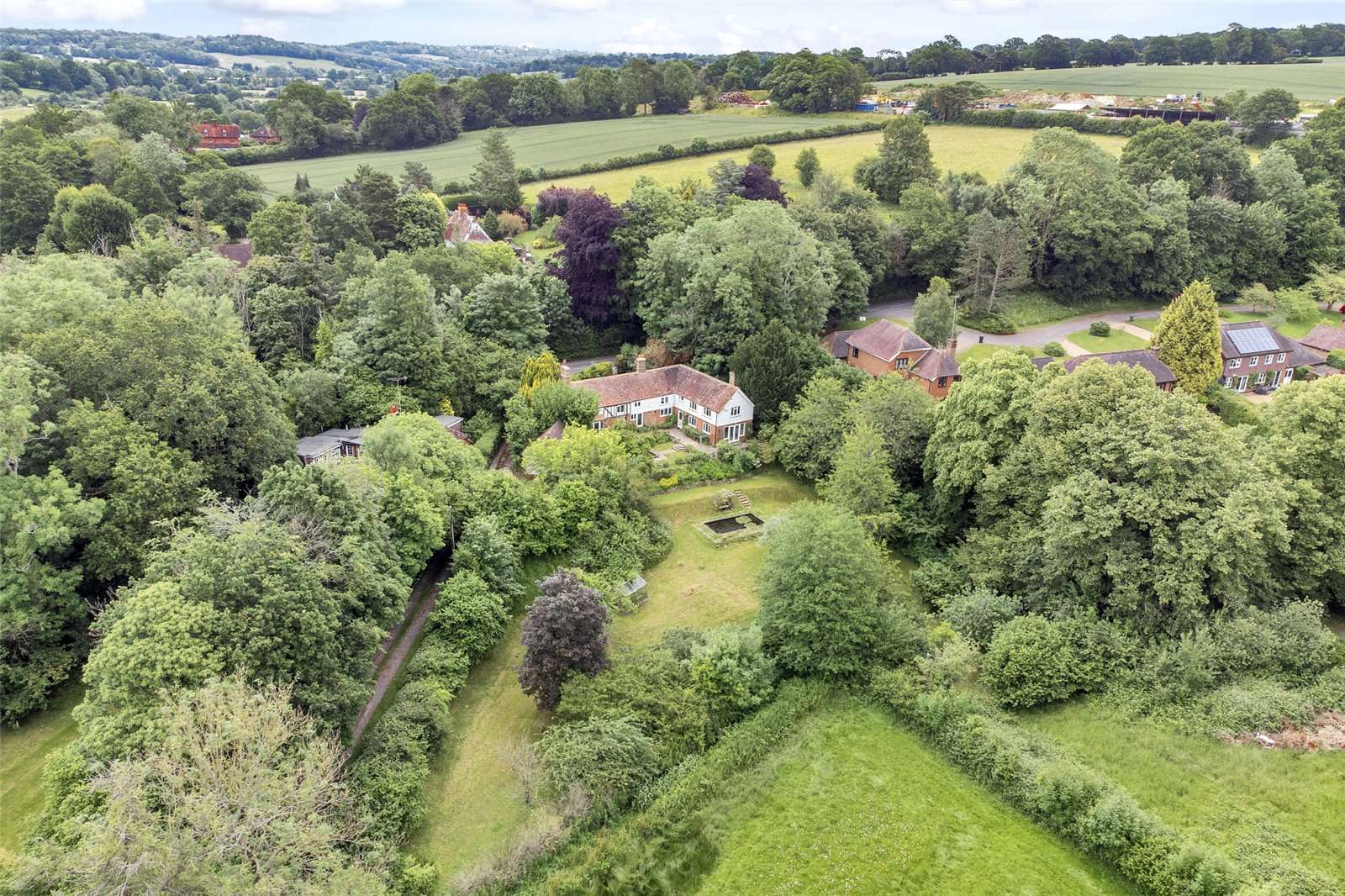
Spring Hill, Fordcombe, Tunbridge Wells, Kent, TN3 0SB
POA
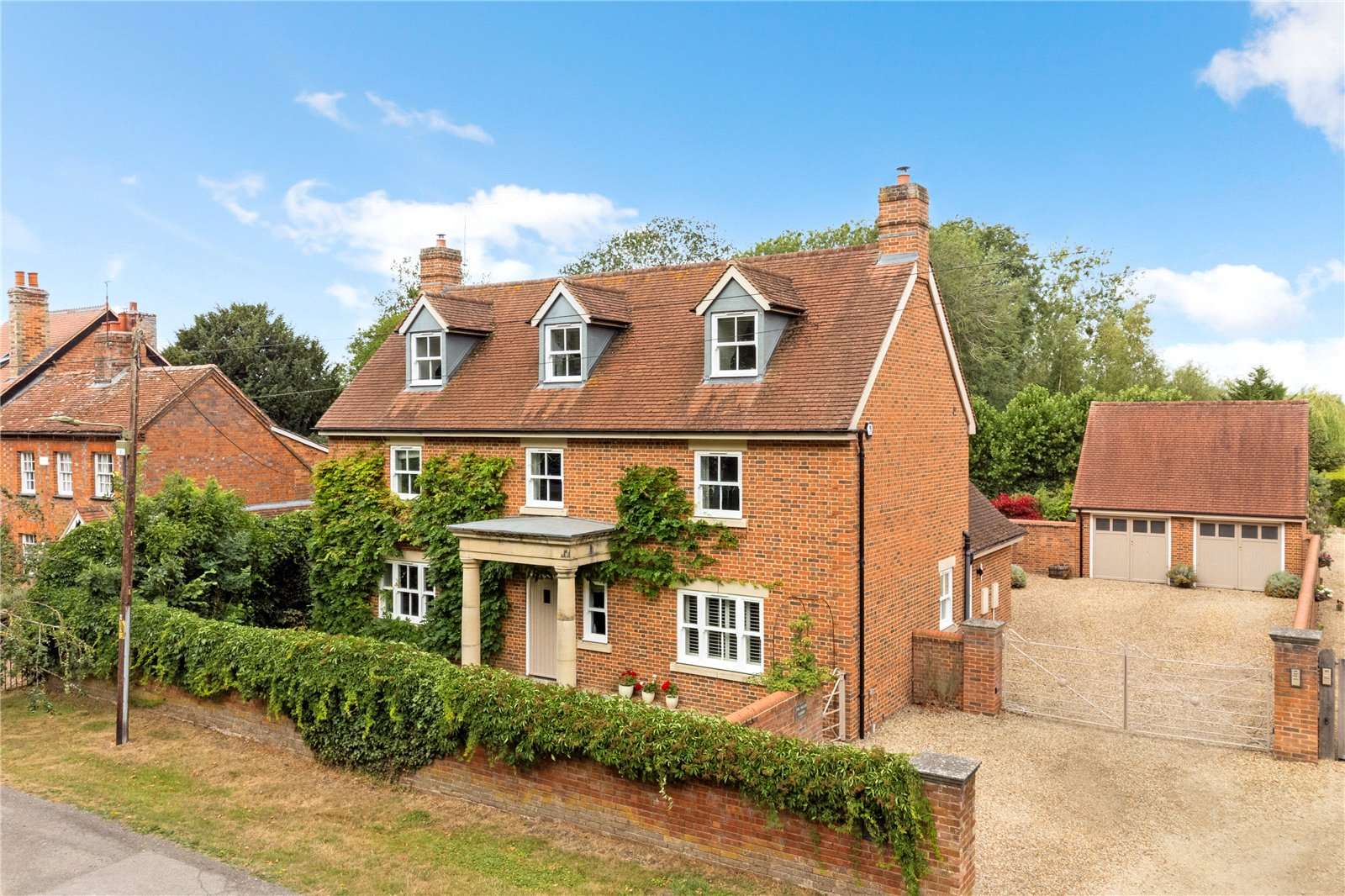
The Green, Steventon, Abingdon, Oxfordshire, OX13 6RR
POA
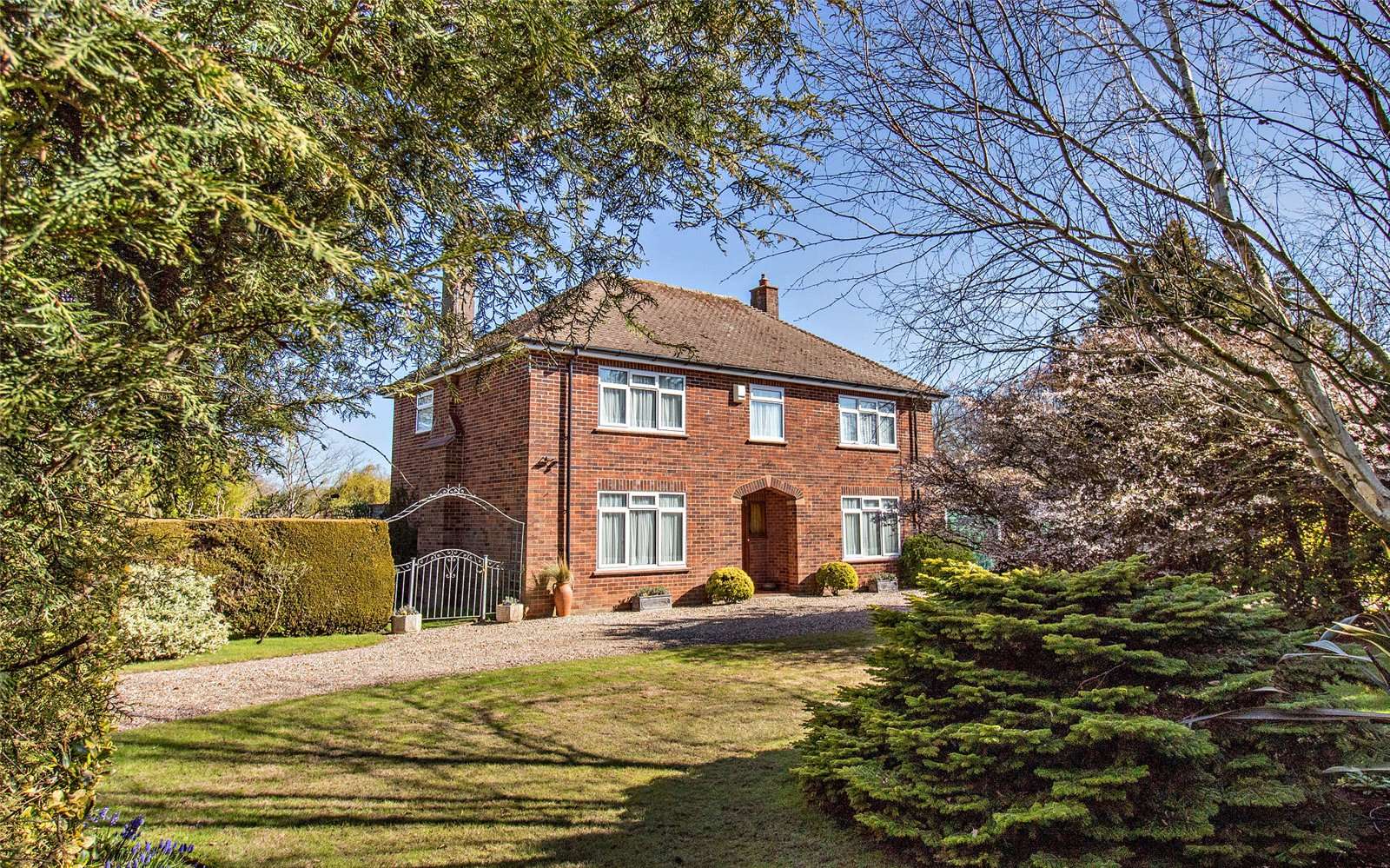
Yarmouth Road, Stalham, Norwich, Norfolk, NR12 9PQ
POA
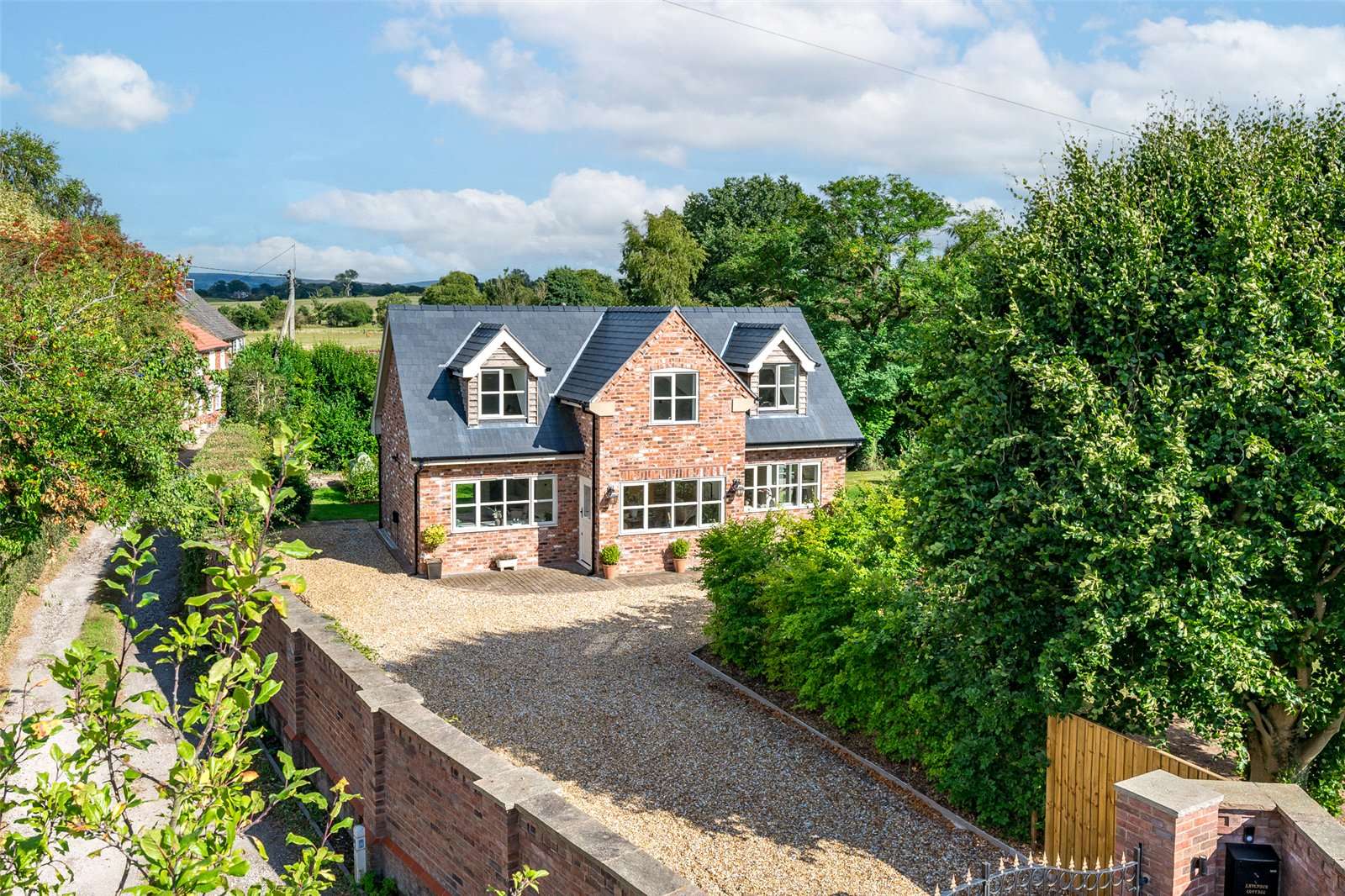
Wornish Nook, Somerford Booths, Cheshire, CW12 2JP
POA
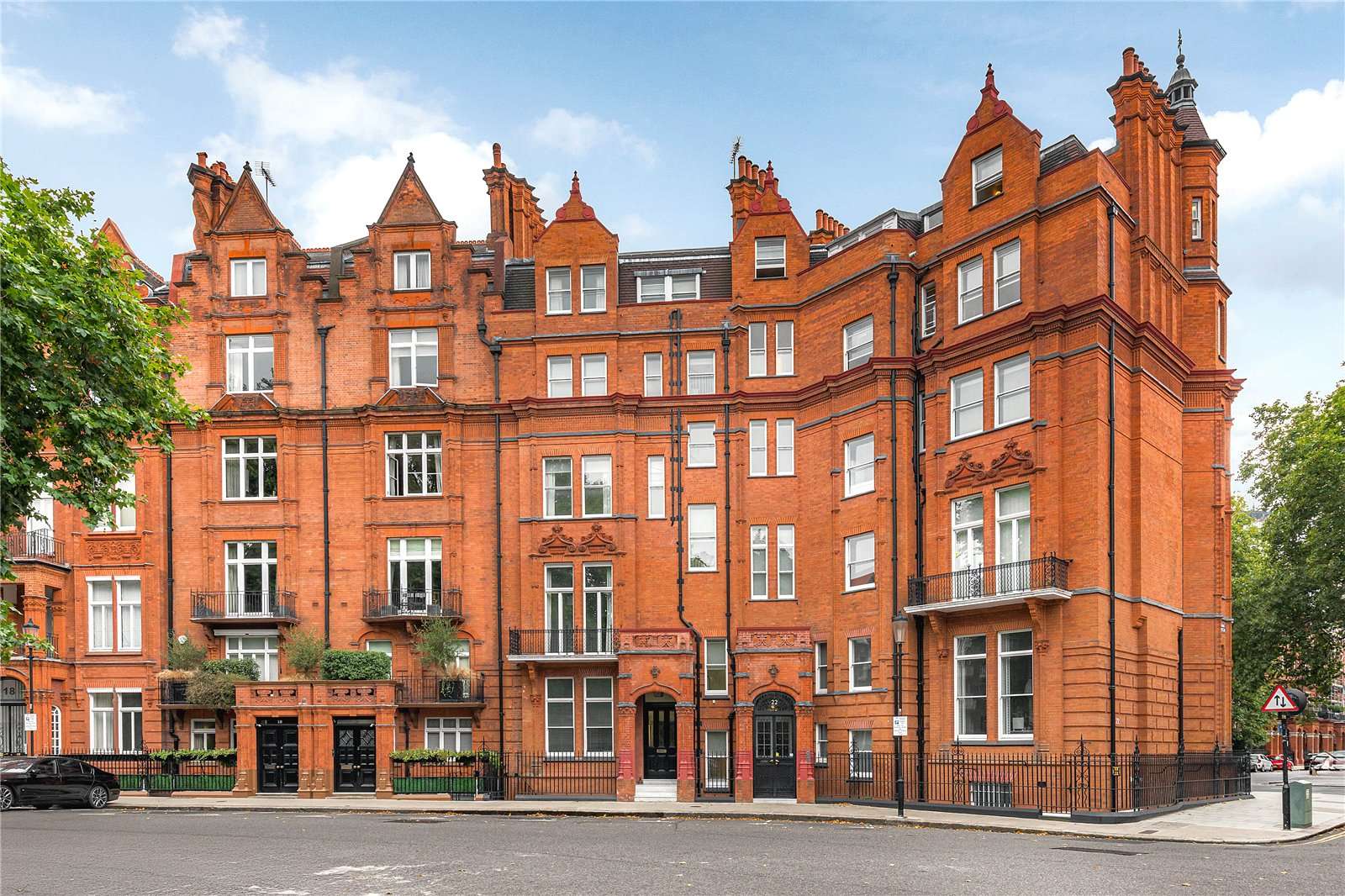
Hans Place, London, SW1X 0EP
POA
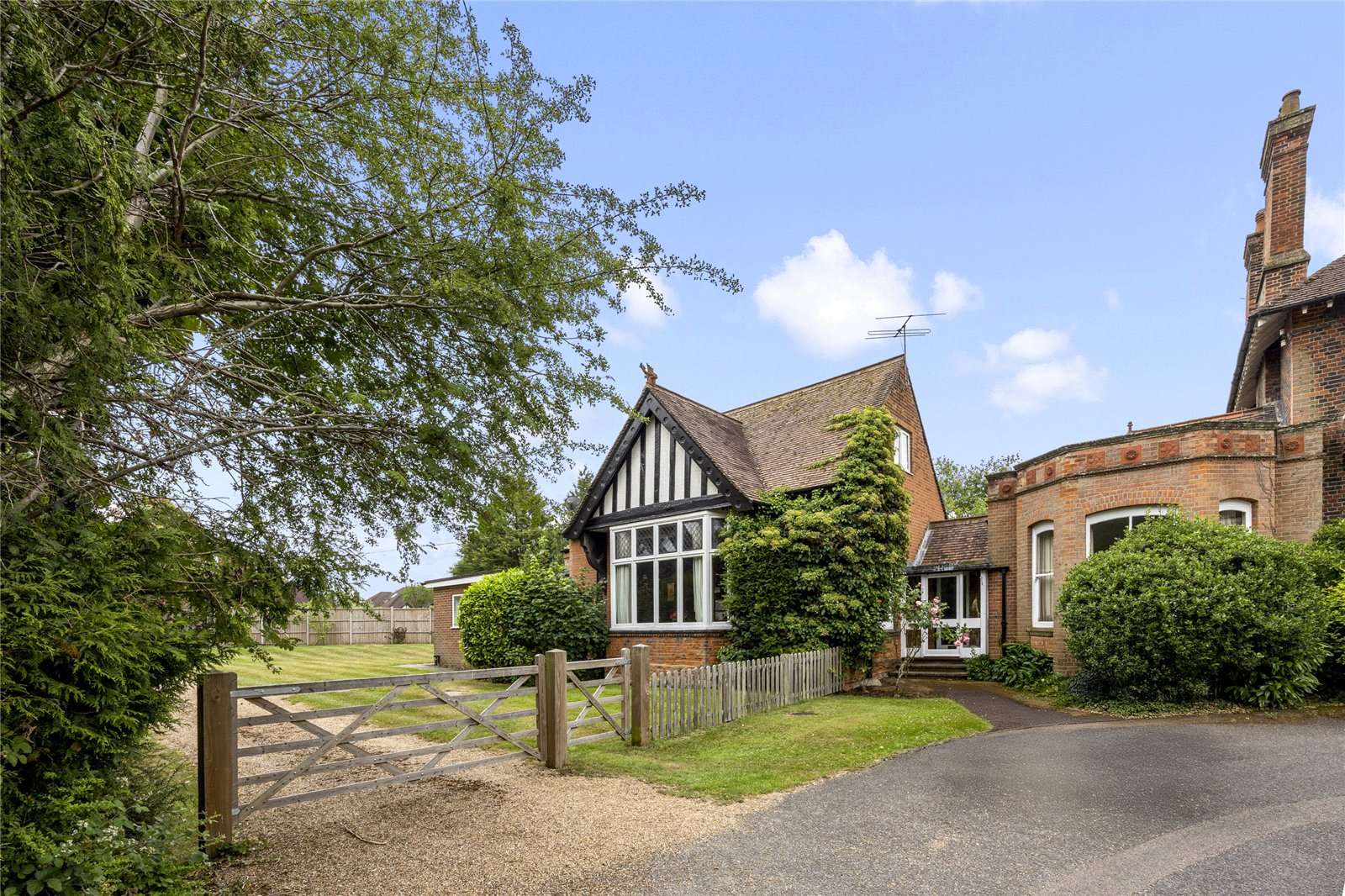
Oaklands, Oaks Road, Wray Common, Reigate, RH2 0LE
POA
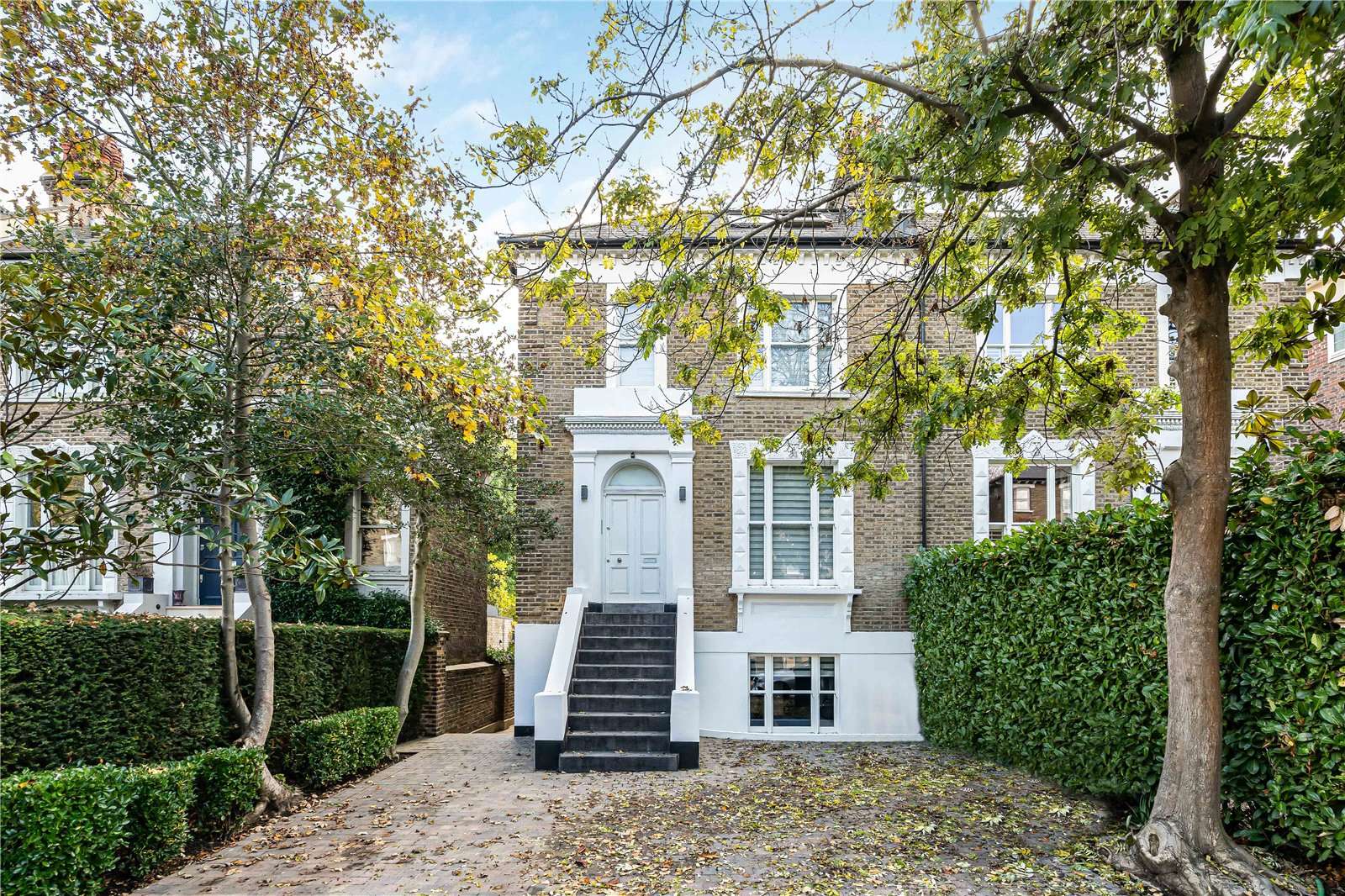
The Grove, London, W5 3SH
POA

Rouse Lane, Oxhill, Warwick, South Warwickshire, CV35 0NZ
POA
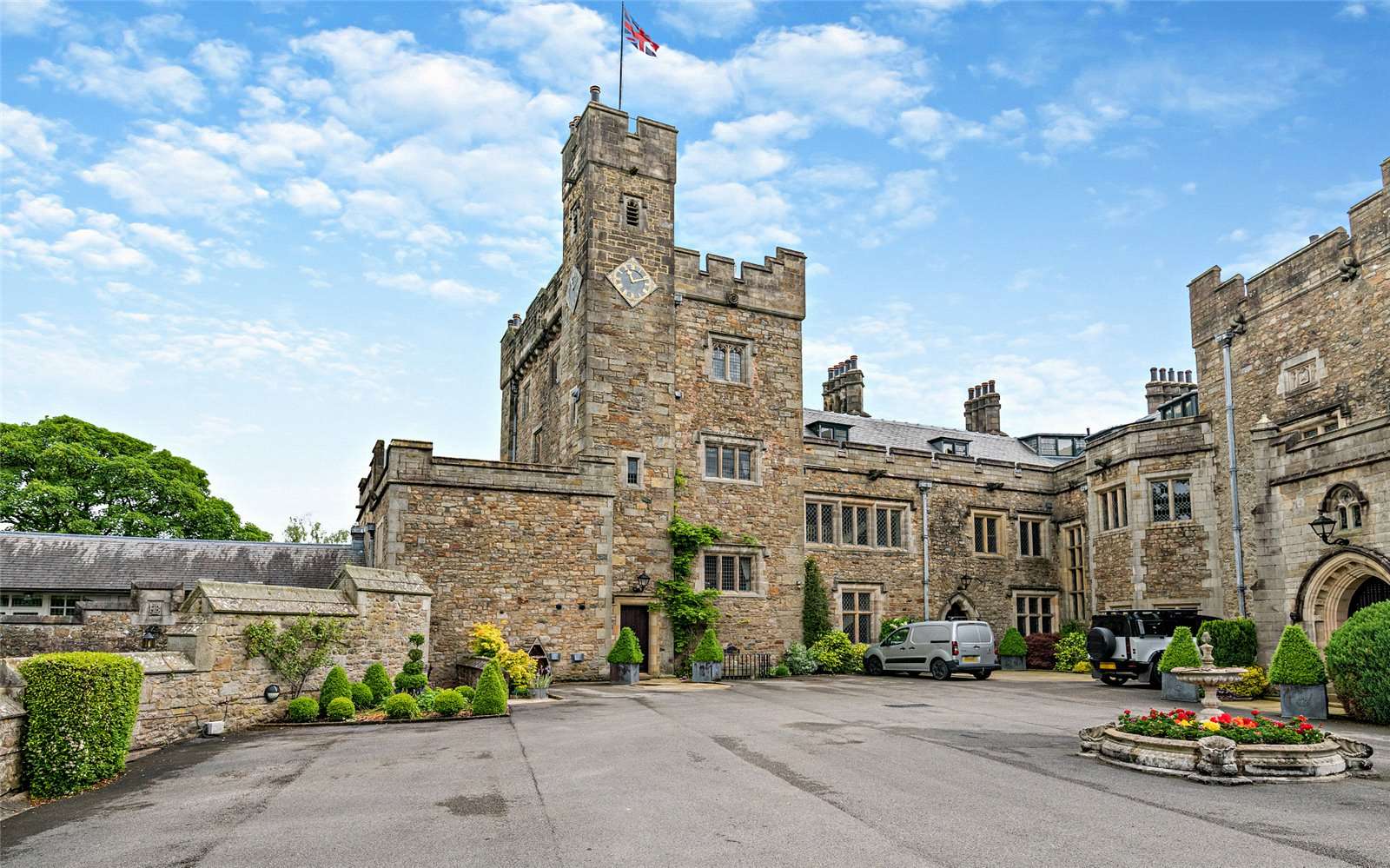
Tunstall Road, Tunstall, Carnforth, Lancashire, LA6 2QR
POA
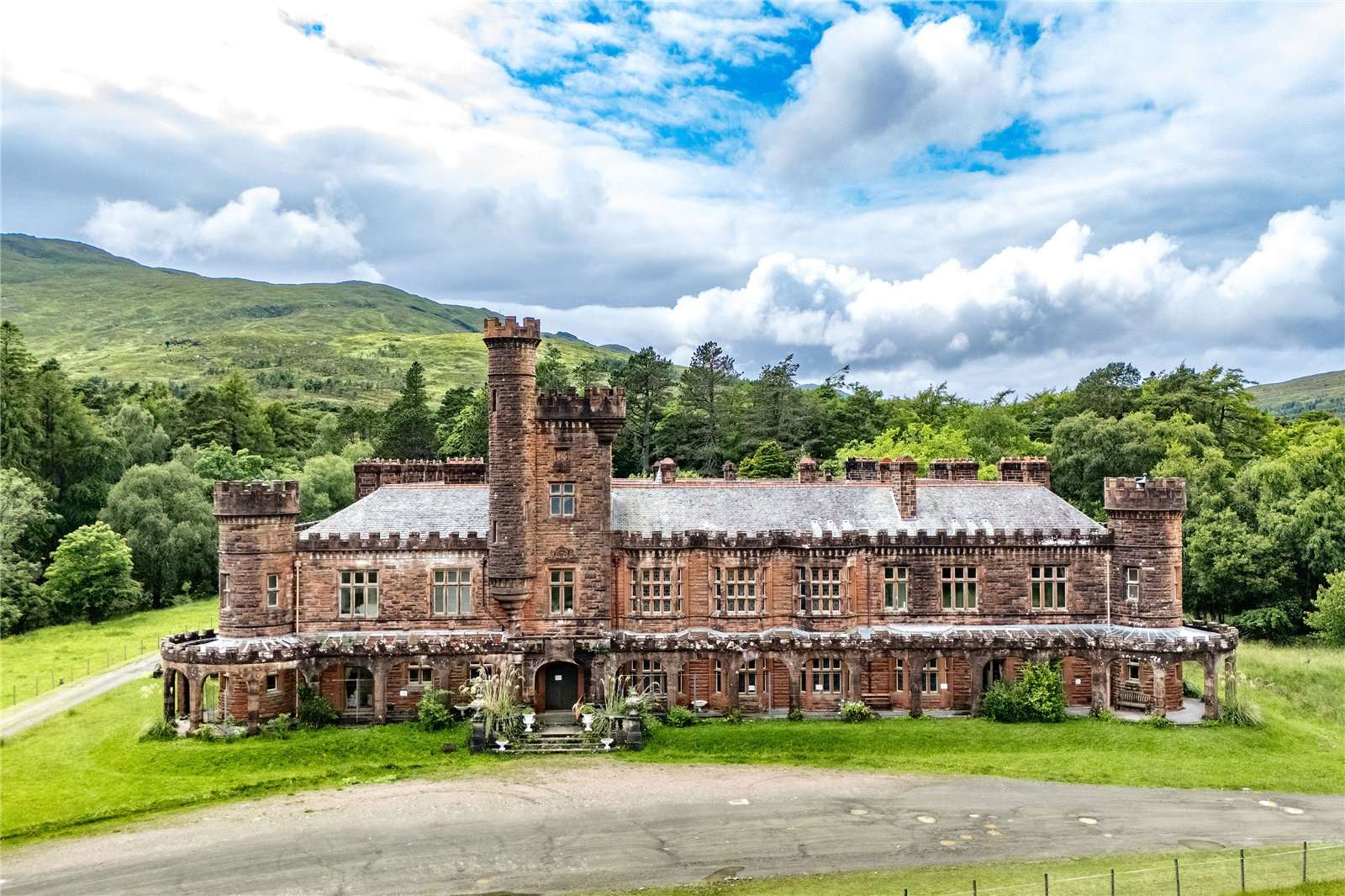
Kinloch Castle, Isle of Rum, PH43 4RR
POA
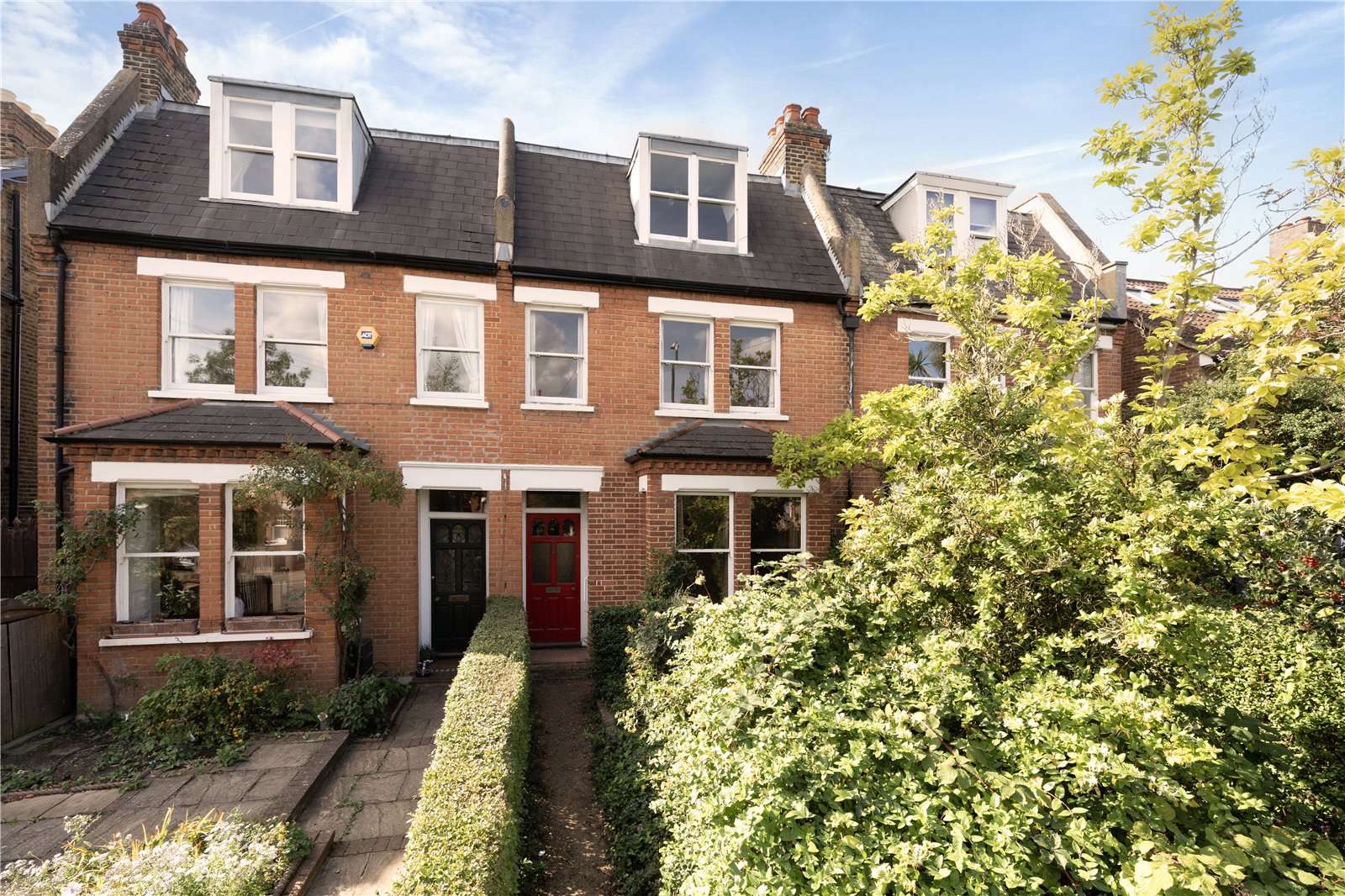
Lambton Road, Wimbledon, London, SW20 0LW
POA
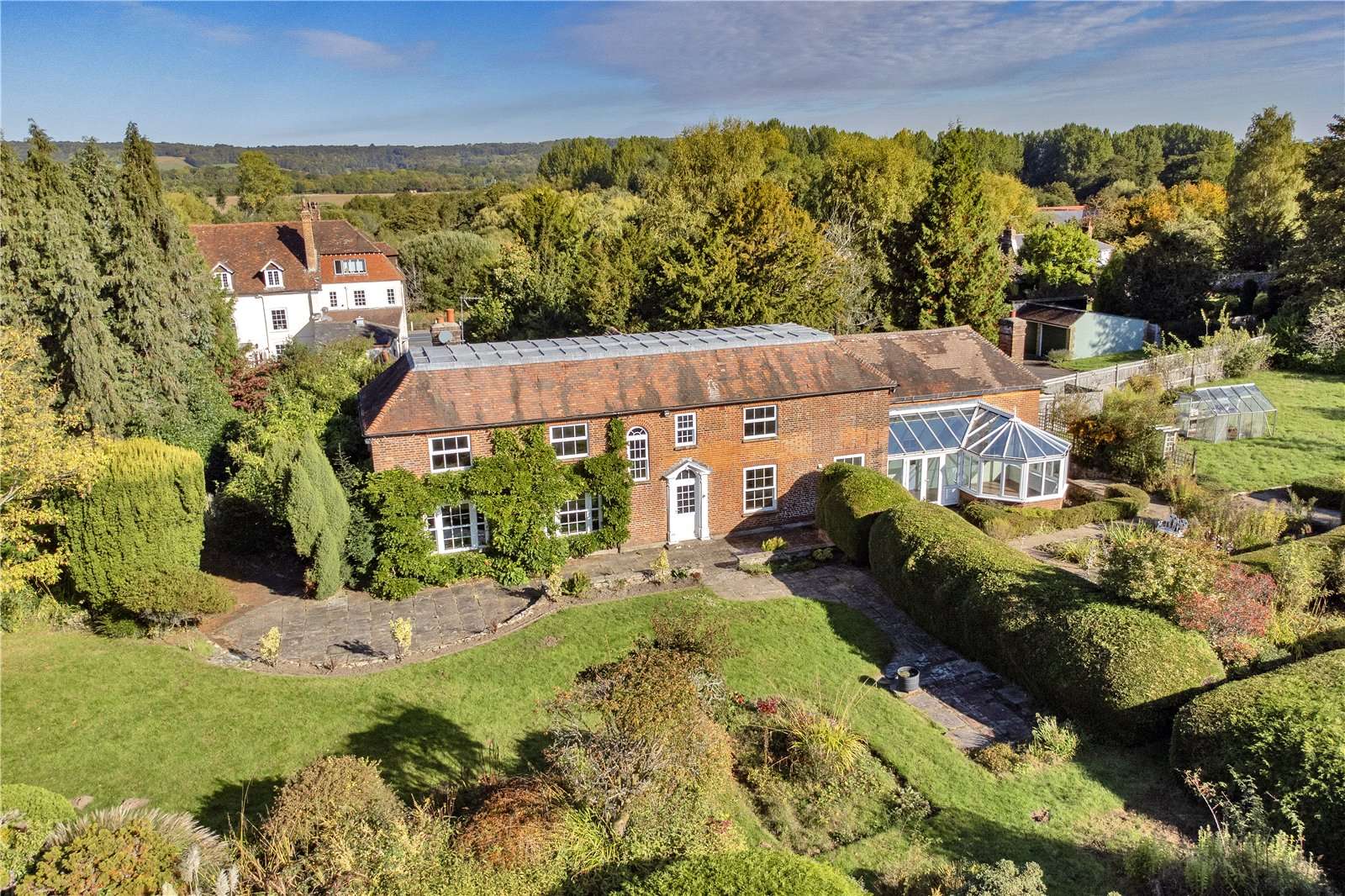
Main Road, Sundridge, Sevenoaks, TN14 6EQ
POA
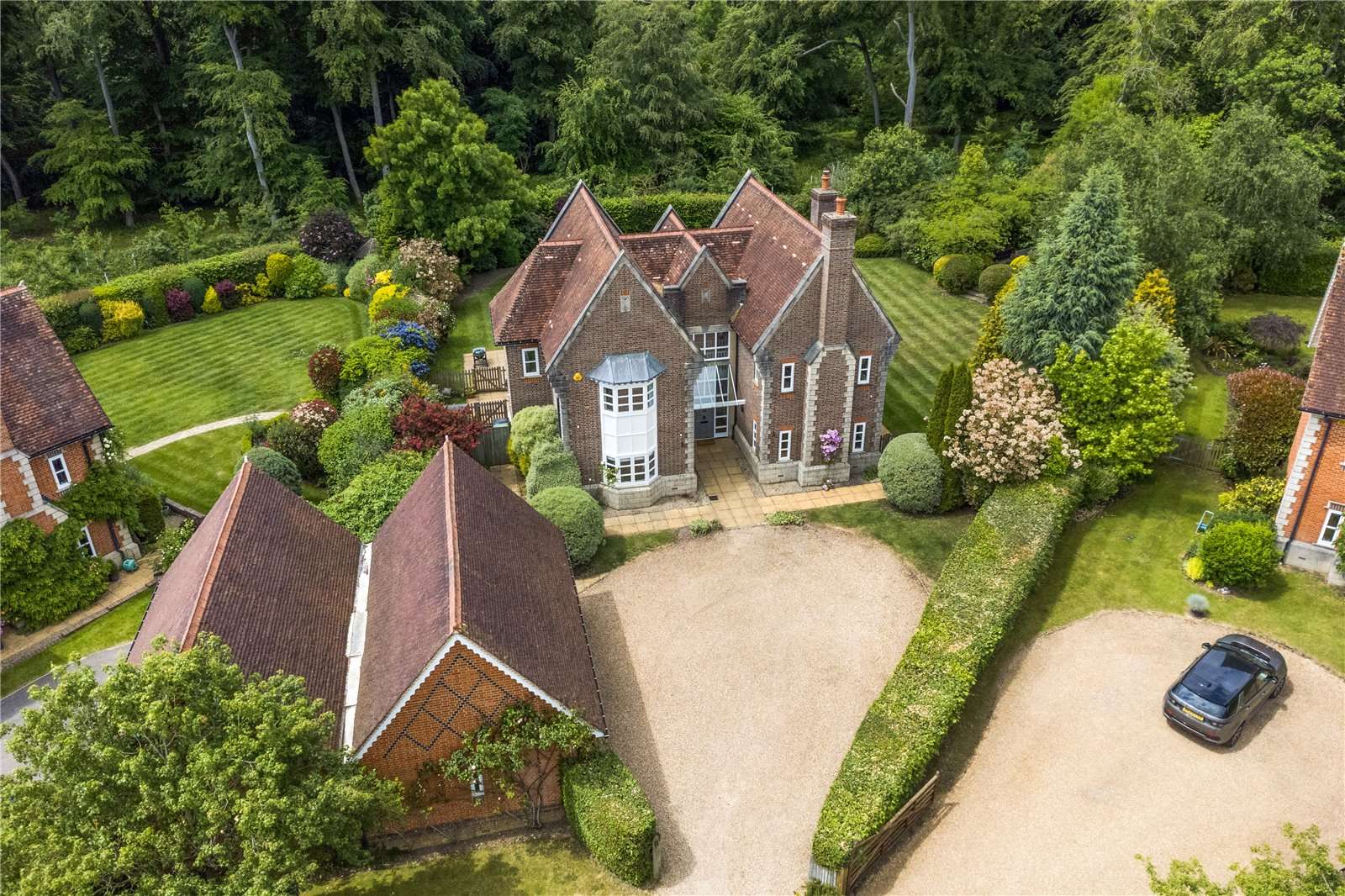
Ashdown Way, Kingwood, Henley-on-Thames, Oxfordshire, RG9 5WD
POA
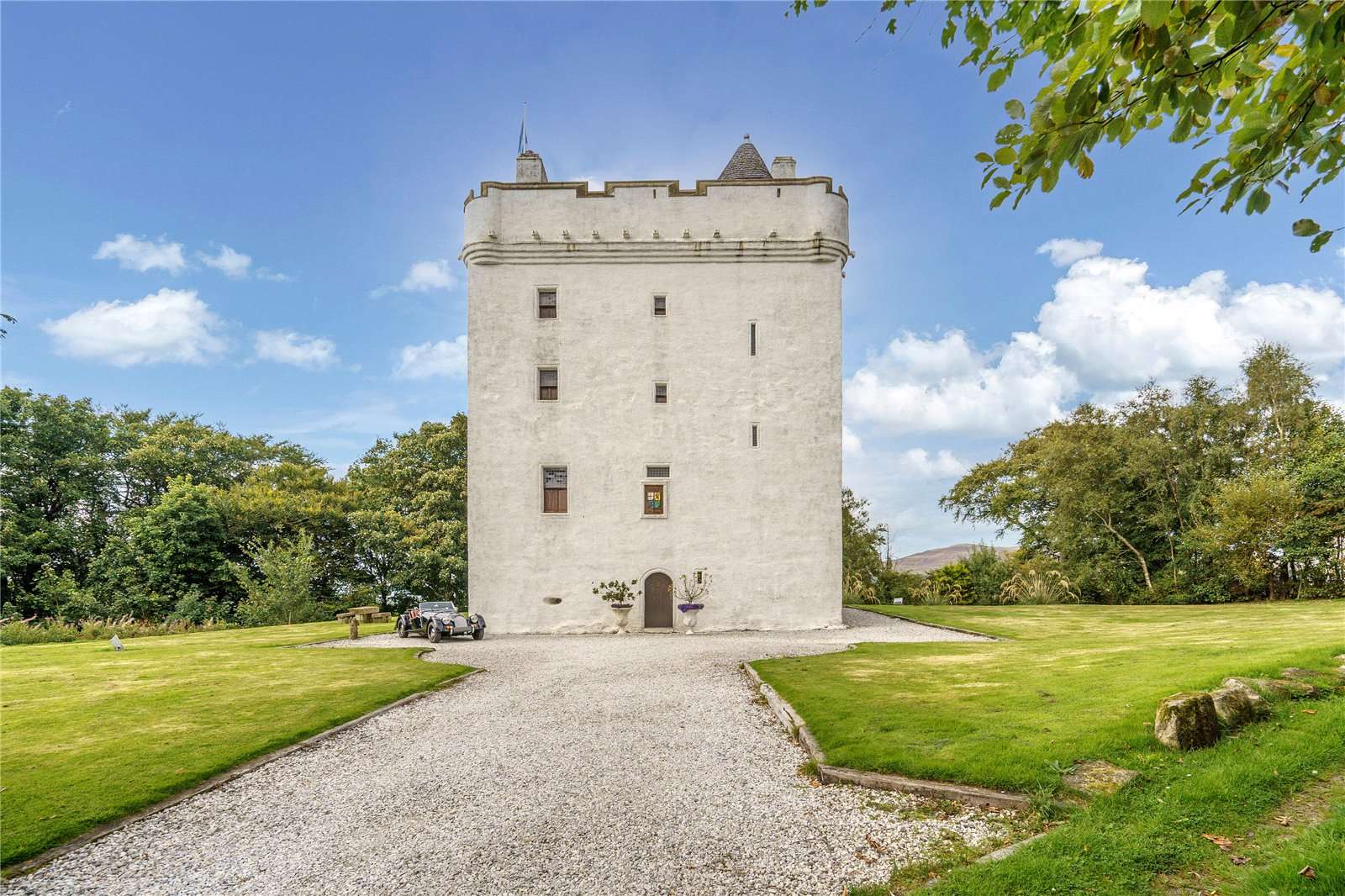
Law Castle, West Kilbride, North Ayrshire, KA23 9PB
POA
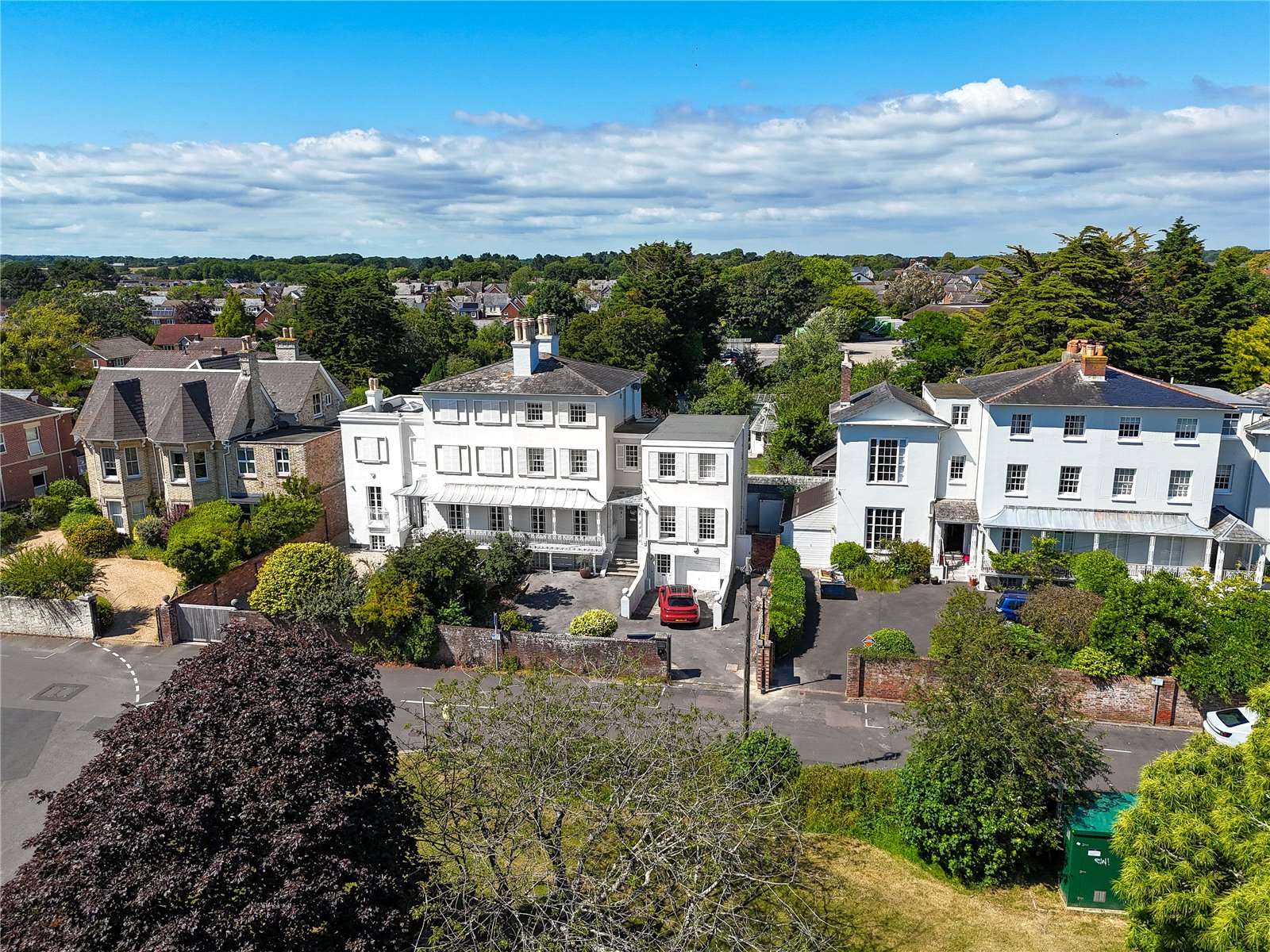
Highfield, Lymington, Hampshire, SO41 9GB
POA
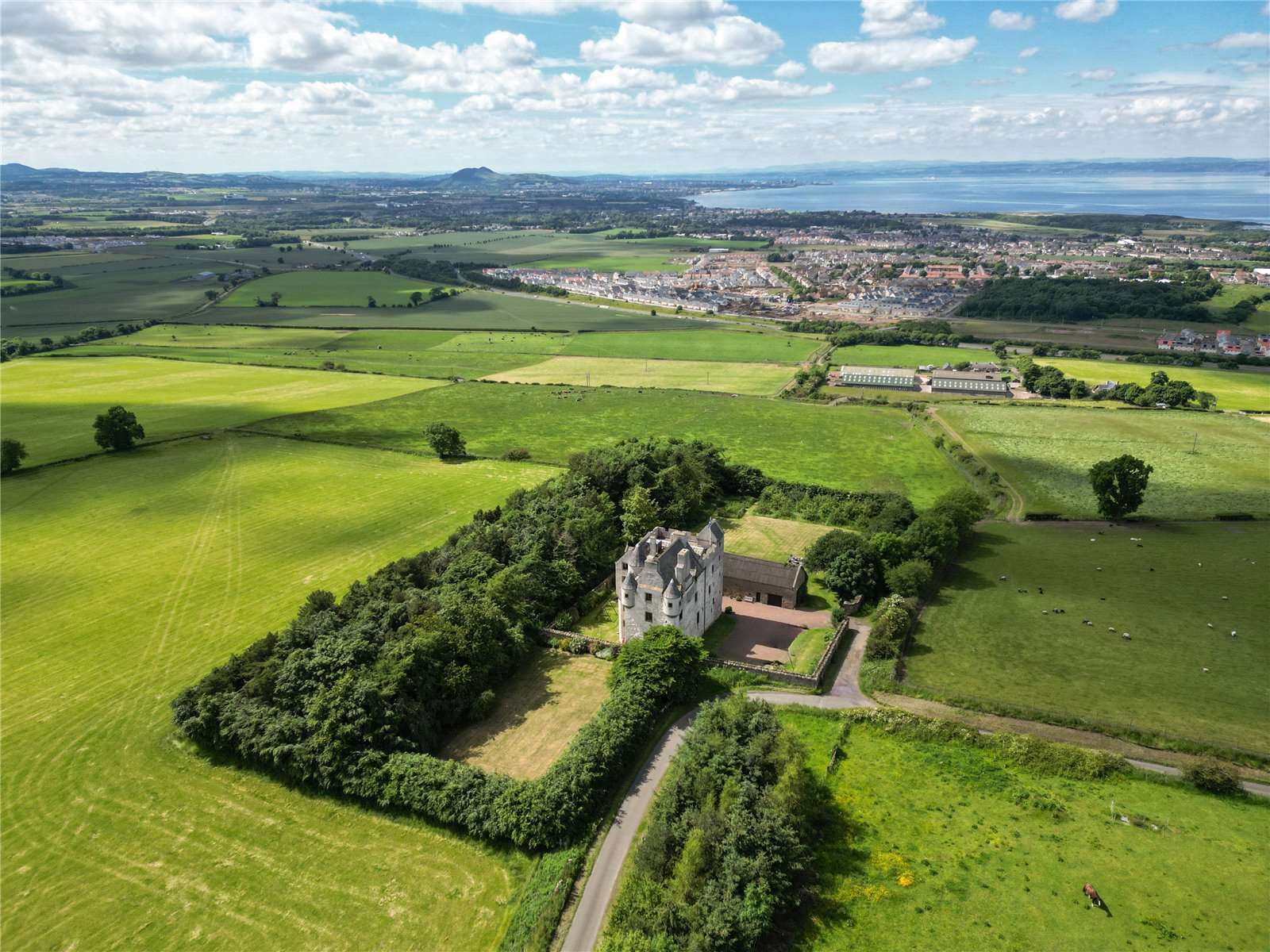
Fa'side Castle, Tranent, East Lothian, EH33 2LE
POA
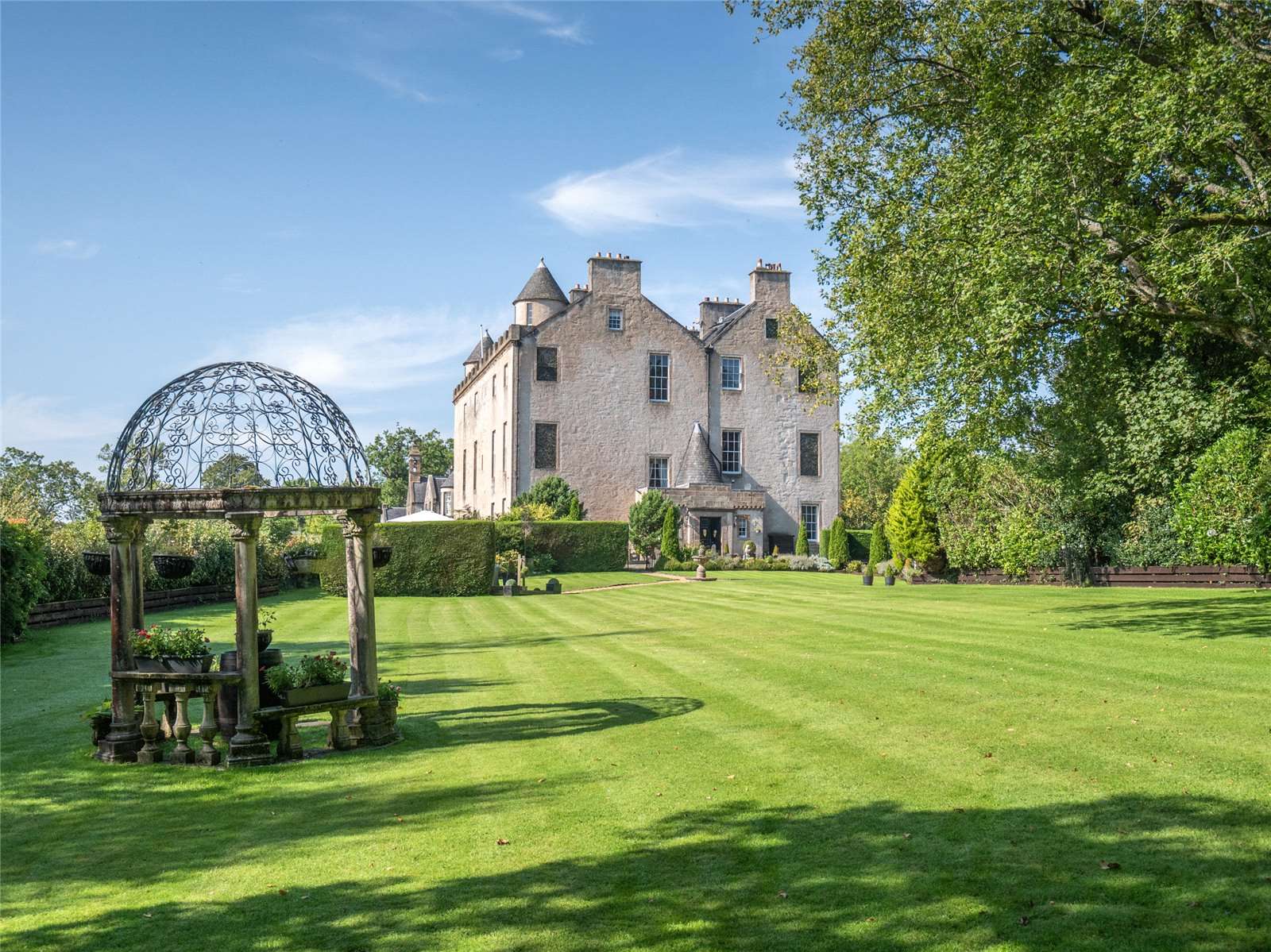
The East Wing, Sundrum Castle, Sundrum, Ayr, South Ayrshire, KA6 5JY
POA
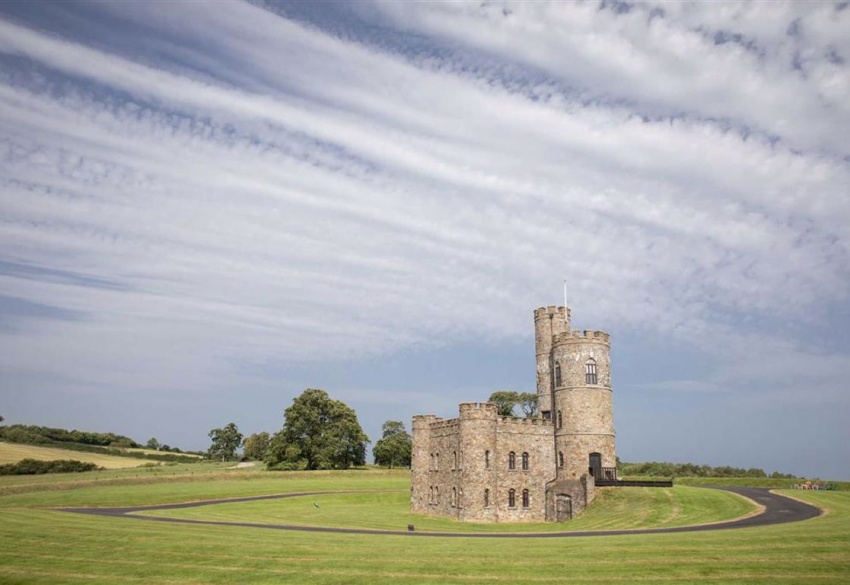
Devon, UK
£POA
Browse our exclusive collection of 59 historic castles and luxury estates available for sale in UK. Each property is carefully curated to meet the highest standards of luxury, heritage, and architectural significance.
Our portfolio includes exceptional properties across Fife, Monflanquin, Wiltshire, Nottinghamshire, London , offering diverse opportunities for discerning international buyers seeking unique heritage properties.
Data-led country guide
Market figures are calculated from the published Castelle catalogue and update with the inventory.
Castelle currently indexes 59 published properties in UK. Of this live inventory, 0 listings carry a public price in the market's most frequently used currency and 59 are offered on a price-on-application or undisclosed basis. There is not yet a sufficiently clear same-currency sample to publish a reliable range, so individual cards remain the source of truth for asking prices. These figures describe the catalogue visible now, rather than a completed-sales index: condition, land, commercial permissions, restoration quality and provenance can create substantial differences between two historic estates in the same area. The sample is refreshed from published listing records as the portfolio changes.
A defensible portfolio price comparison needs disclosed asking prices in the same currency. The current UK inventory does not yet provide that basis, so this page avoids converting or combining unlike figures. Price-on-application properties are also excluded because no numerical assumption can be justified. As more published records acquire structured prices, the comparison will update automatically. Until then, the useful comparison is qualitative: examine setting, usable floor area, land, state of restoration, heritage restrictions and potential operating use alongside the figure shown on each listing. Those factors commonly matter more than a single country-wide average for rare historic property.
The most frequently represented places in the current catalogue are Devon, London, Oxfordshire, Kent, and Cheshire. The leading property labels are house, castle / chateaux, and flat / apartment, but supplier terminology varies and should be checked against each description. Together, these location fields show where supply is concentrated today; they are not a claim that other parts of UK lack historic properties. A search across 59 live records also highlights the practical diversity of this niche: an urban palazzo, a rural fortified house and a large country estate can serve very different uses even when all appear under a castle search. Prospective owners should compare access to airports and services, privacy, surrounding land, climate, tourism demand and the availability of specialist craftspeople. For protected buildings, early checks on planning status, permitted alterations and maintenance history are as important as the headline location.
Historic property in UK reflects successive periods of defence, land ownership, courtly display and rural estate management. Buildings described today as castles may therefore include fortified residences, manor houses, palaces and later revival architecture, each with a different relationship to its landscape. The catalogue around Devon, London, Oxfordshire, Kent, and Cheshire should be read property by property: construction date, later extensions and restoration work can be as significant as the original style. Ownership also brings stewardship. Documentary research, a specialist structural survey and advice on local heritage rules help distinguish original fabric from later additions and clarify what may be altered. This context is intentionally general where a listing does not provide a verified chronology; Castelle does not infer a date, architect or historic event that is absent from the source material.
Each category page carries its own aggregate market data.
We can't find the internet
Attempting to reconnect
Something went wrong!
Attempting to reconnect