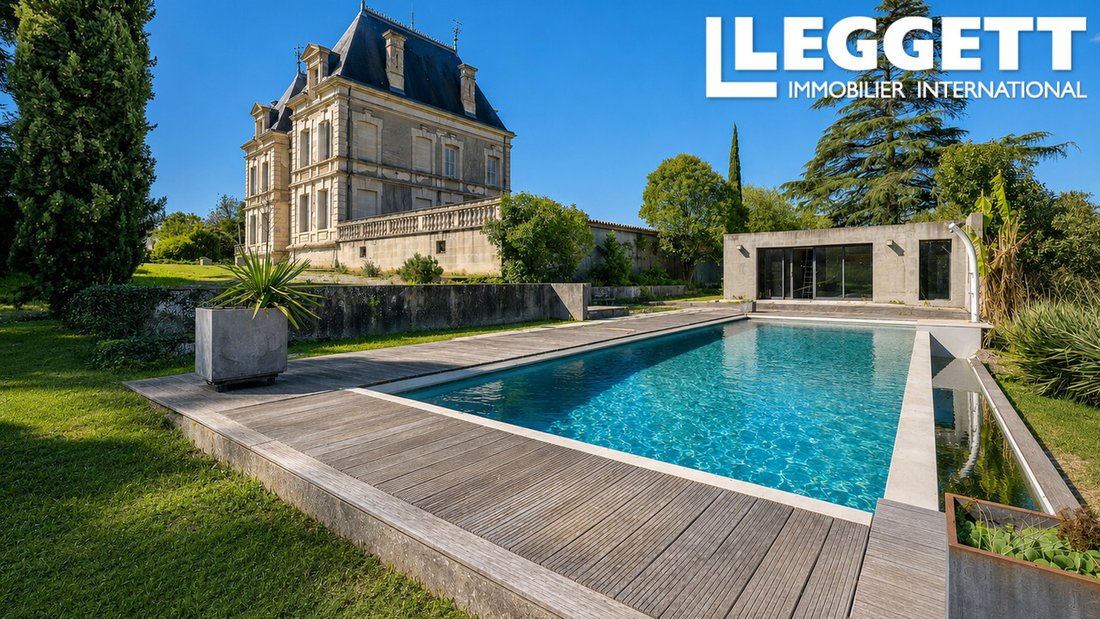
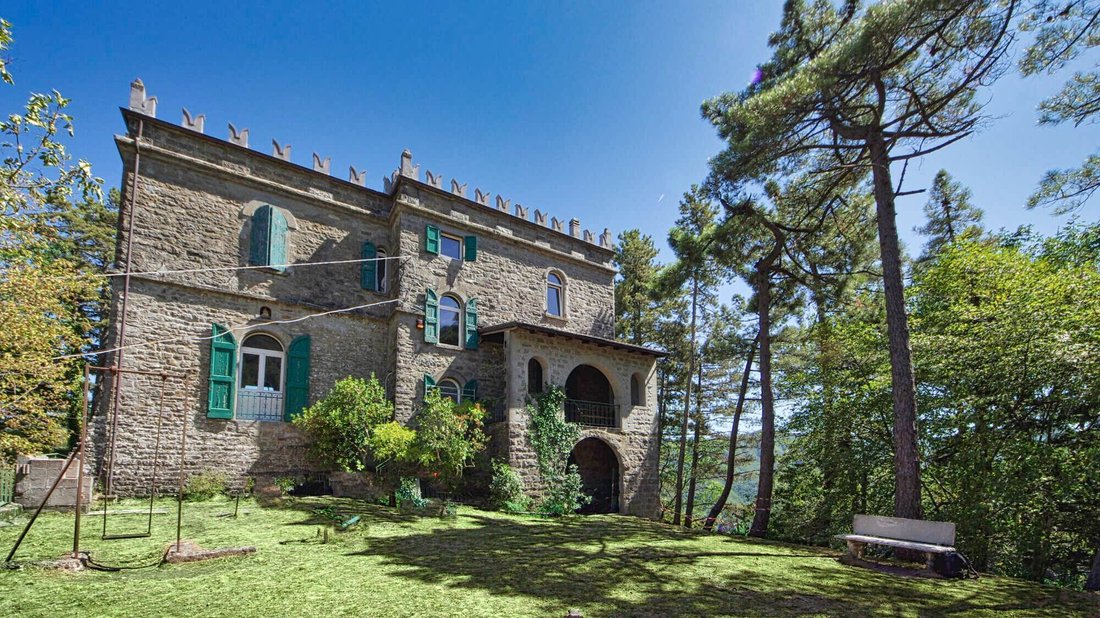
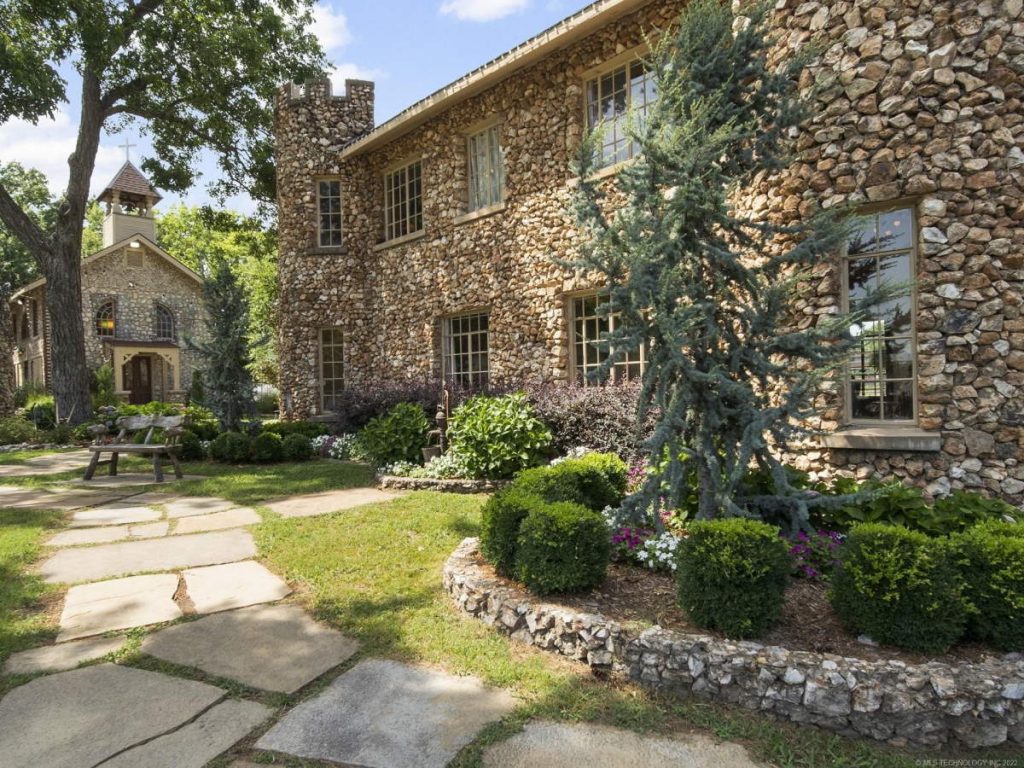
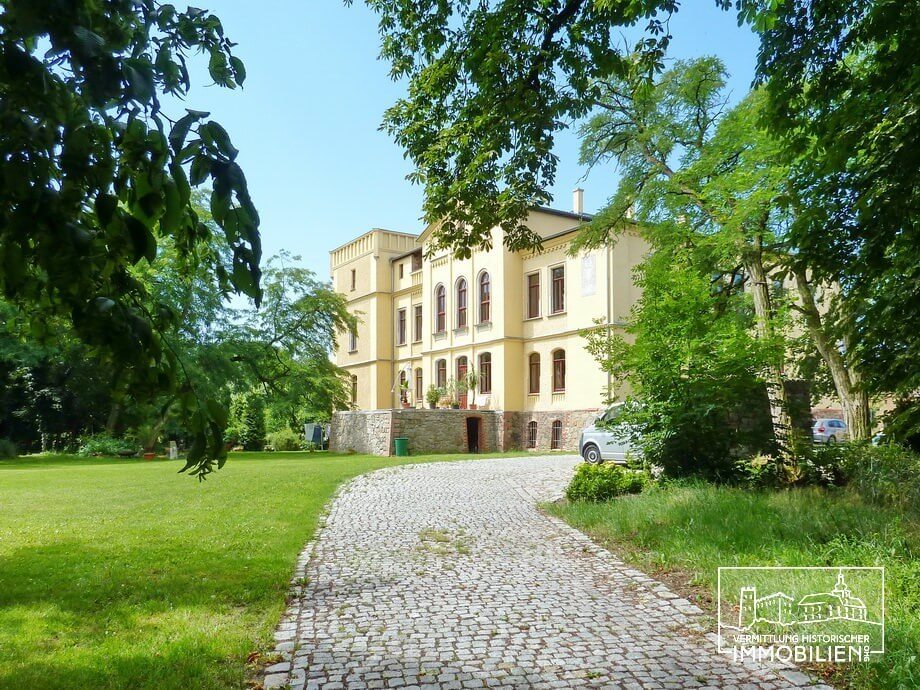
Whispers of Bryce & Anderson: A Baronial Dream in 34 Enchanted Acres
West Fife, SCOTLAND
Offers over £3,950,000
View details
Discover 17 historic castles and luxury estates in Scotland
West Fife, SCOTLAND
Offers over £3,950,000
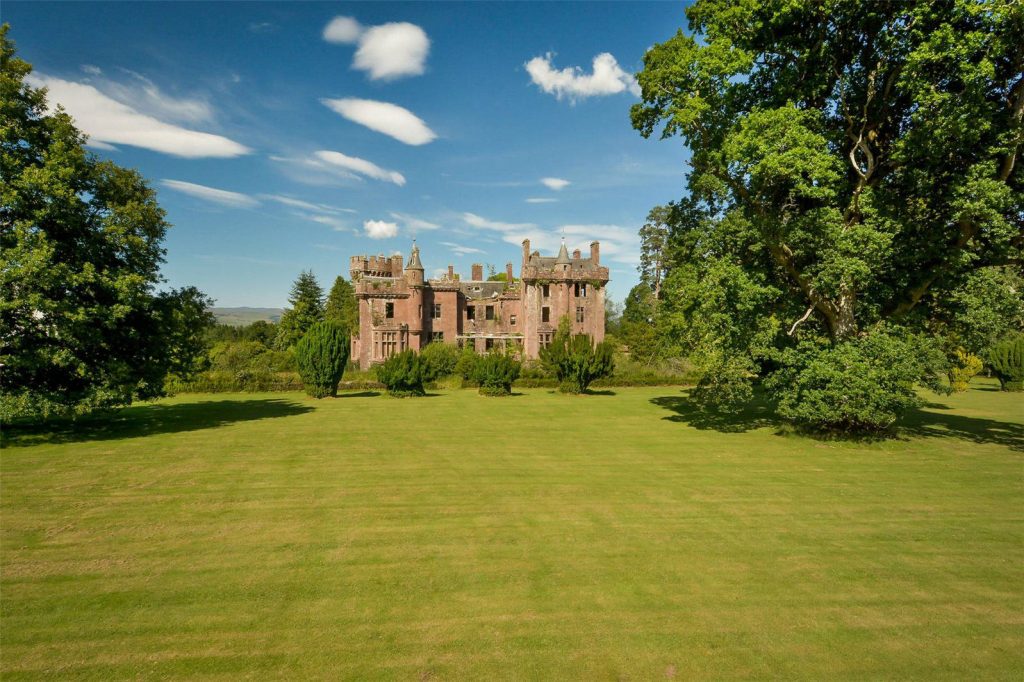
Perthshire, SCOTLAND
£730k
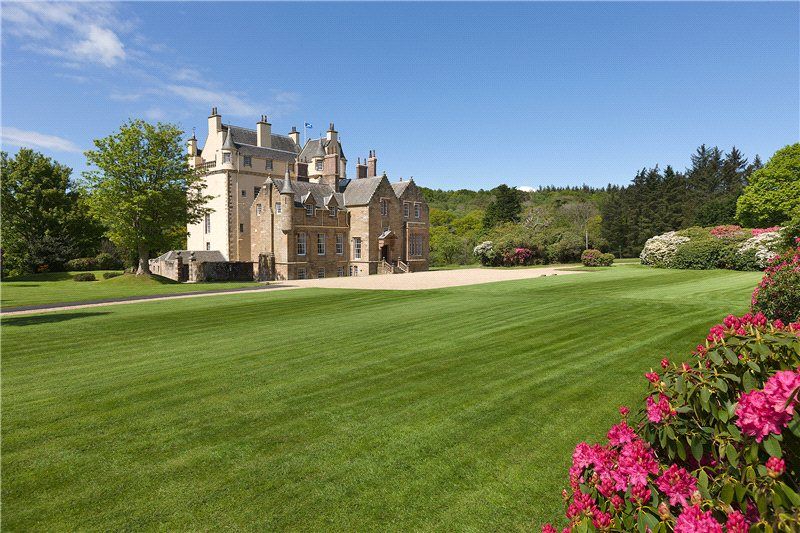
Ayrshire, Scotland
£3.9m
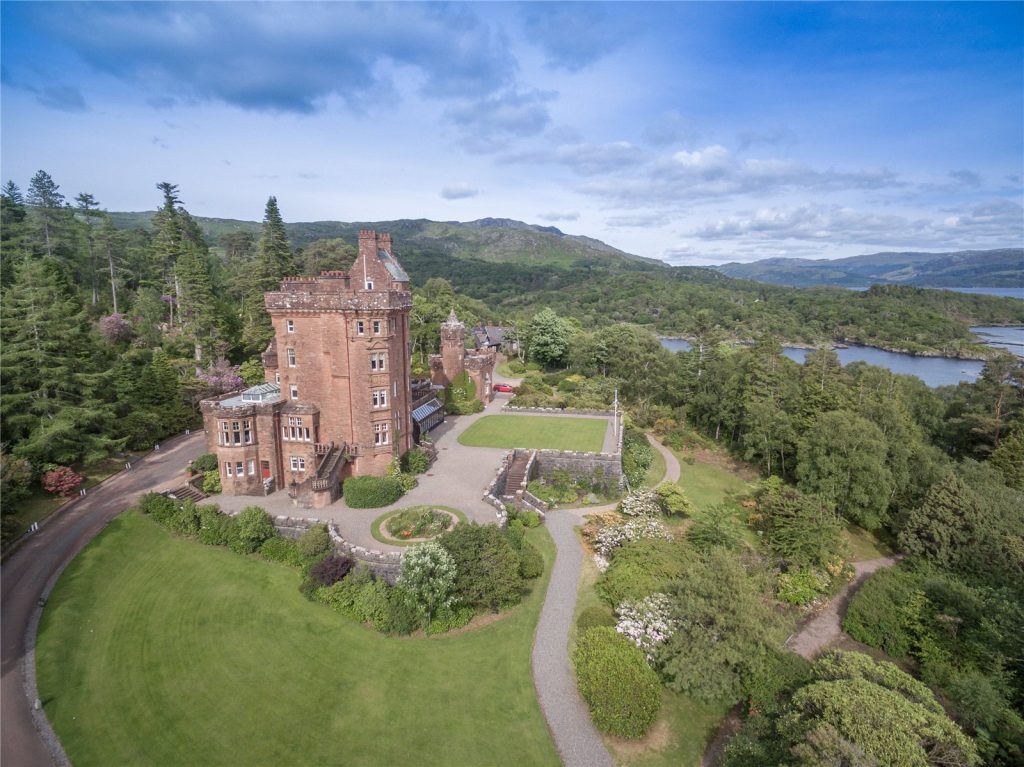
Glenborrodale, Scotland
£3.75m
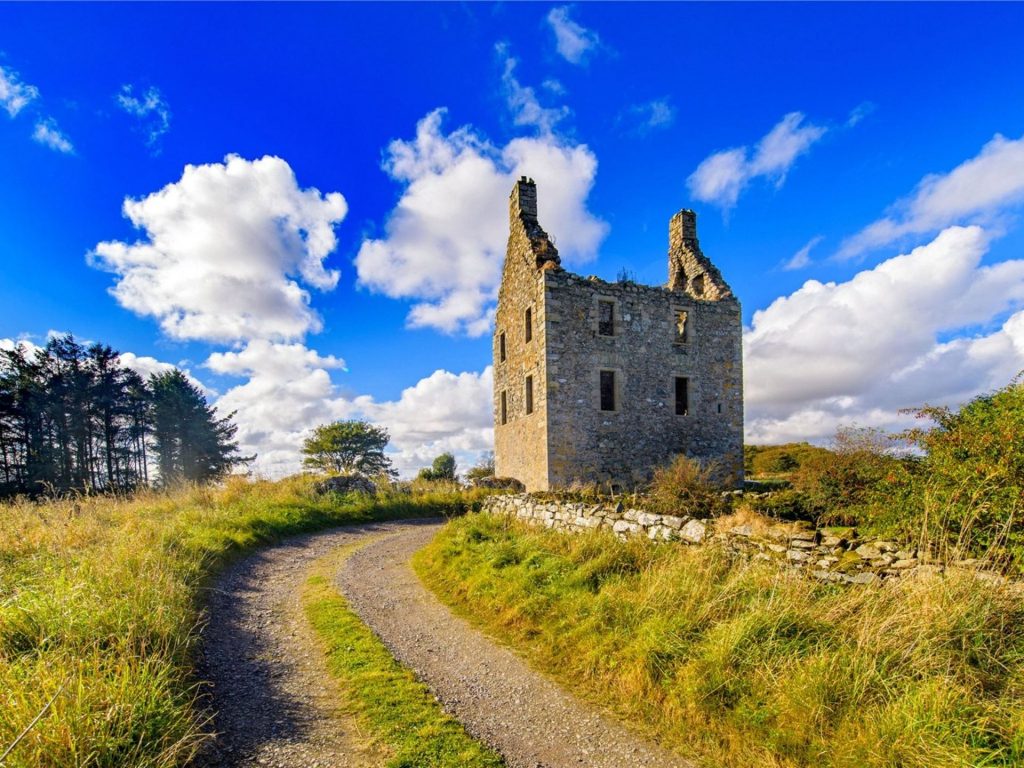
Newburgh, Scotland
£130k
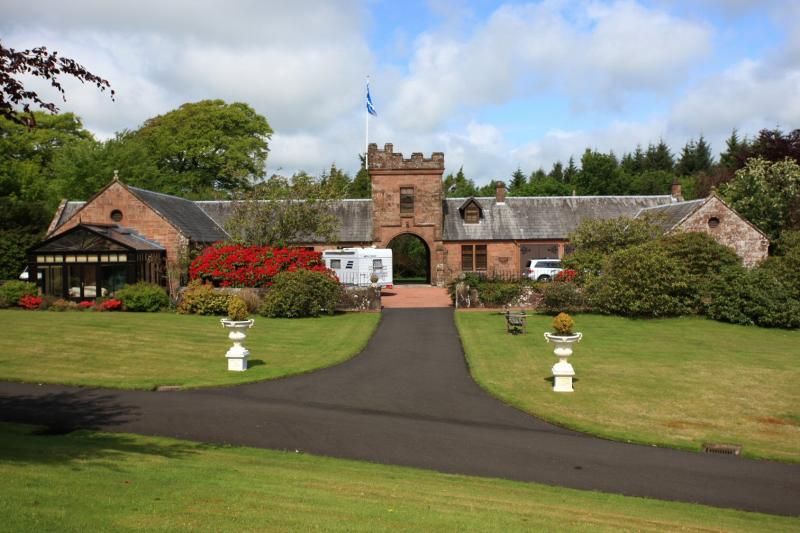
Kirtlebridge, SCOTLAND
£1.9m
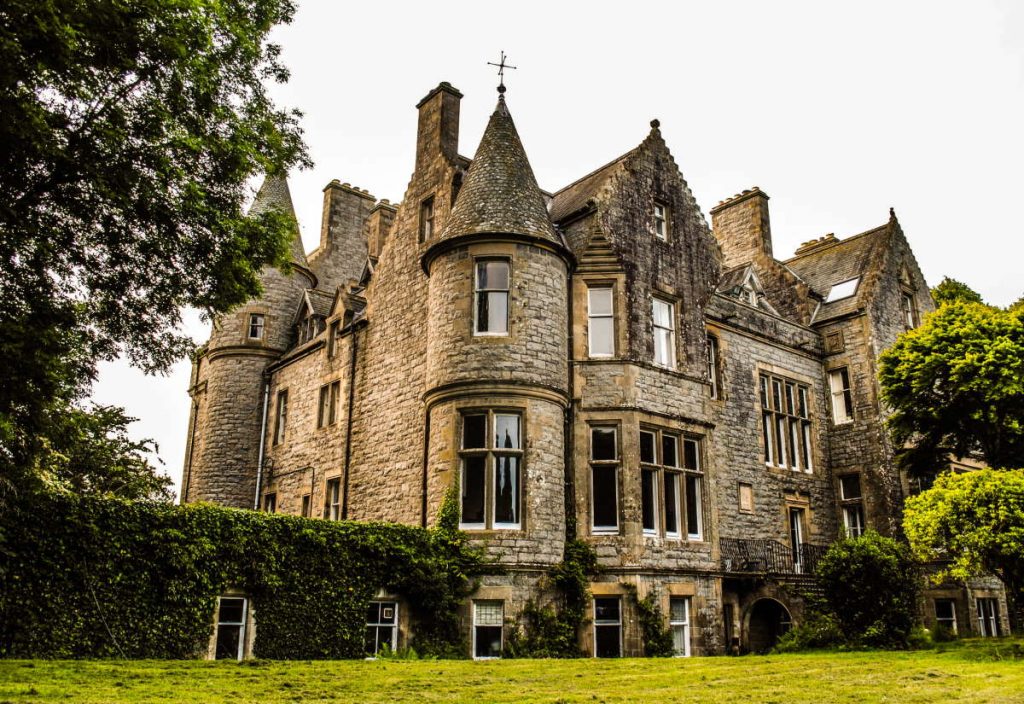
Auchencairn, SCOTLAND
£1.7m
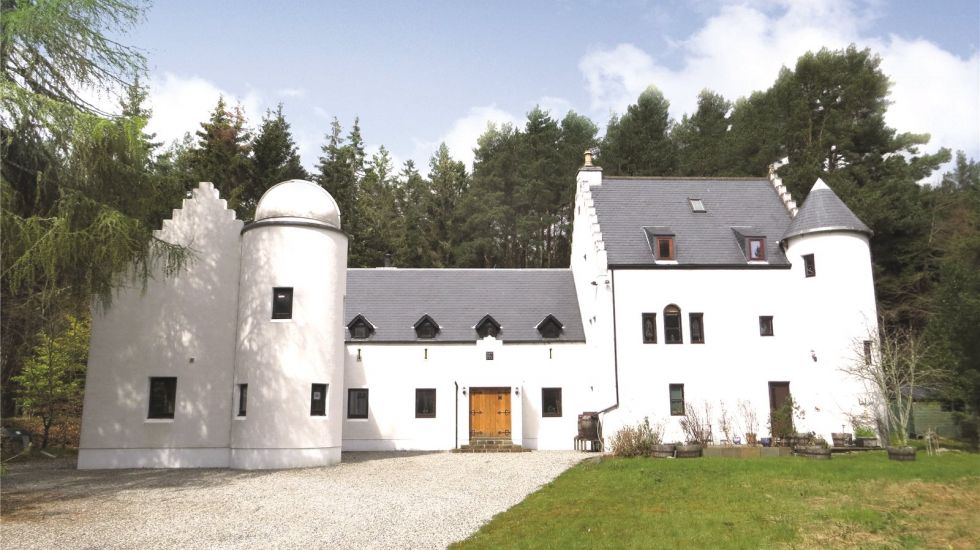
Invergordon, SCOTLAND
€450k
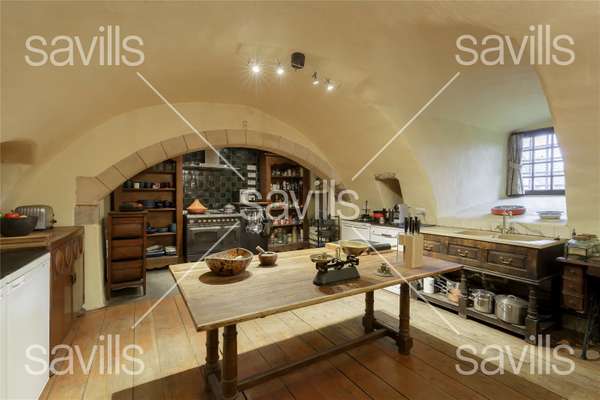
East Lothian, SCOTLAND
£1.9m
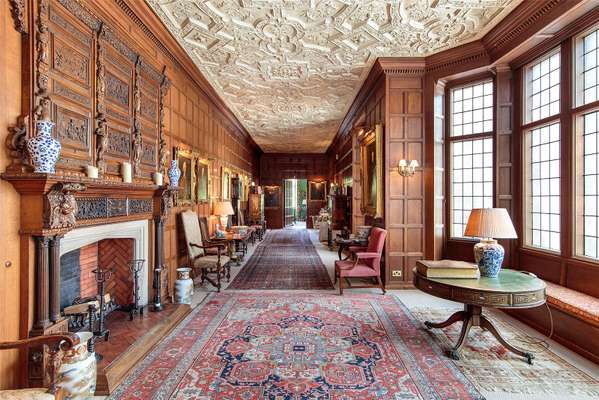
Angus, SCOTLAND
£3m
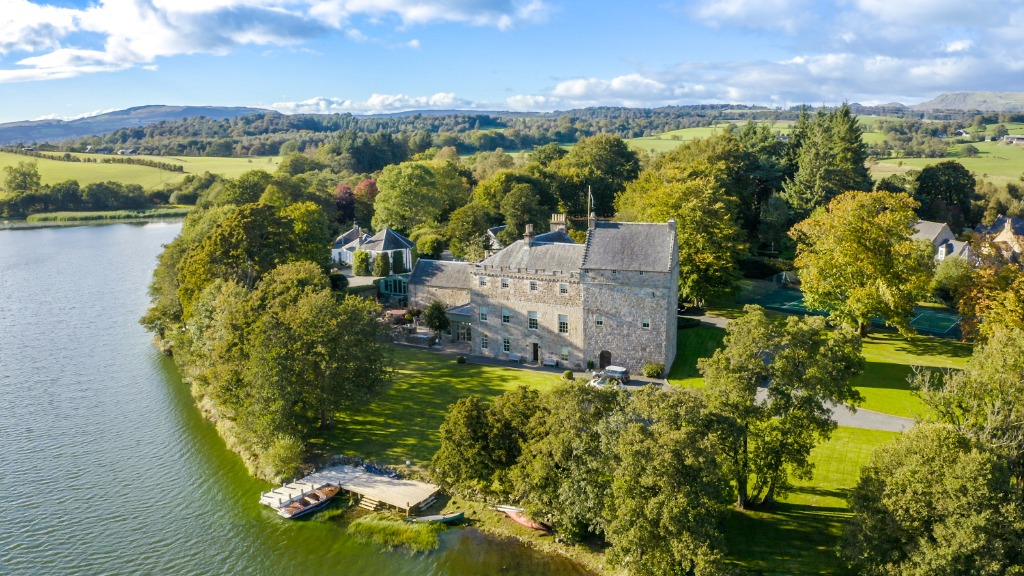
East Dunbartonshire, SCOTLAND
POA
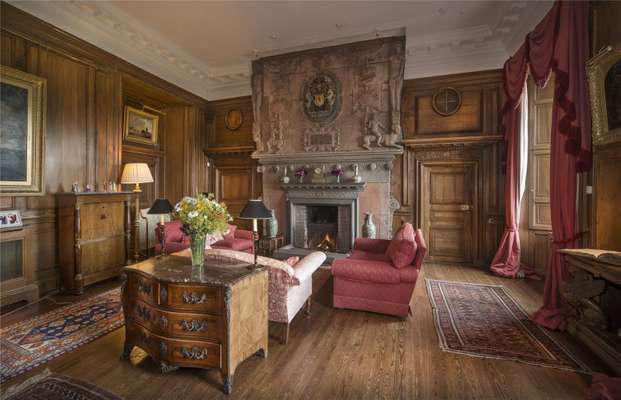
Brechin, SCOTLAND
£2.9m

Sutherland, SCOTLAND
£5m
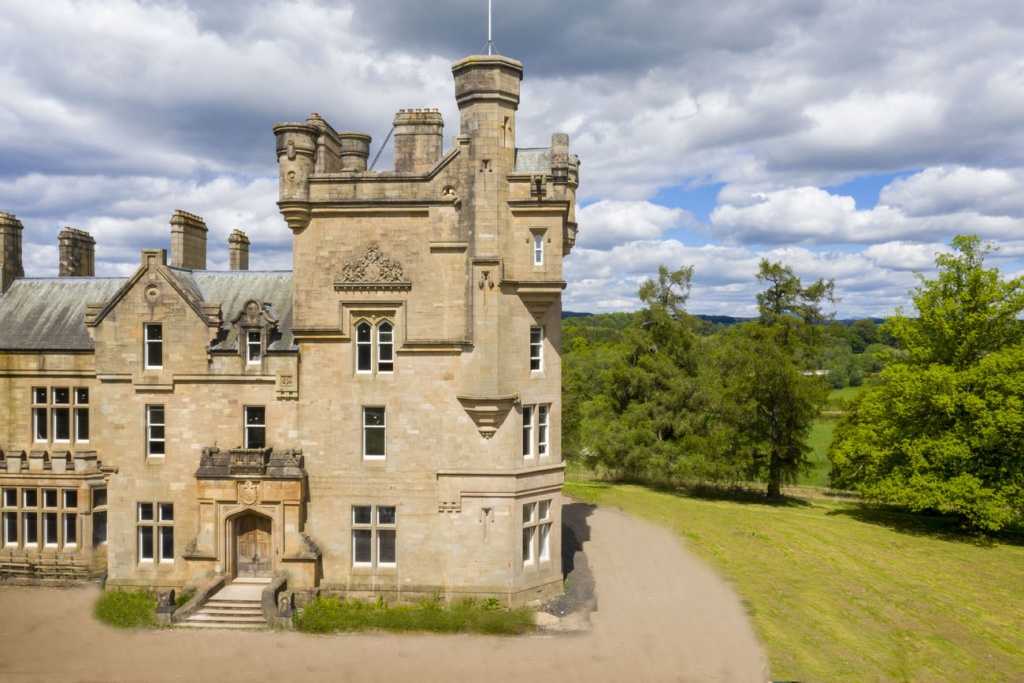
Loch Lomond, SCOTLAND
£310k-£575k
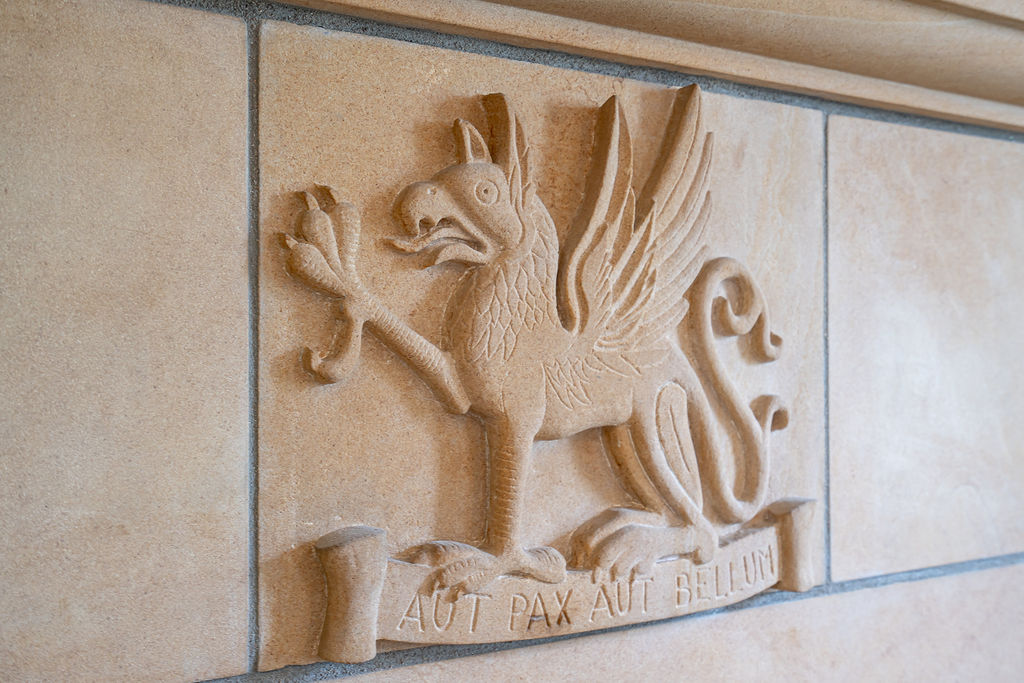
Elgin, SCOTLAND
Offers Over £1m
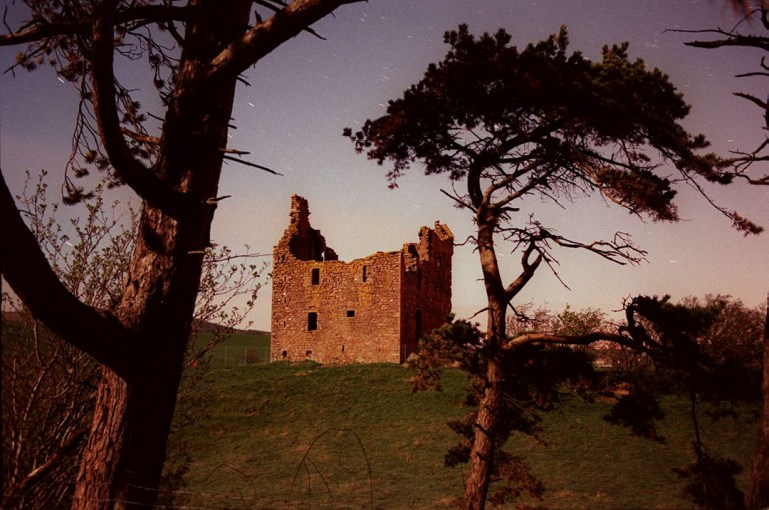
Turnberry, Scotland
£POA

Aberdeenshire, Scotland
£5m
Browse our exclusive collection of 17 historic castles and luxury estates available for sale in Scotland. Each property is carefully curated to meet the highest standards of luxury, heritage, and architectural significance.
Our portfolio includes exceptional properties across Acharacle, Newburgh, Kirtlebridge, Castle Douglas, Kildary , offering diverse opportunities for discerning international buyers seeking unique heritage properties.
Data-led country guide
Market figures are calculated from the published Castelle catalogue and update with the inventory.
Castelle currently indexes 17 published properties in Scotland. Of this live inventory, 14 listings carry a public price in the market's most frequently used currency and 2 are offered on a price-on-application or undisclosed basis. A further 1 record uses another disclosed currency and is kept outside this price summary. Within the 14 listings quoted in GBP, asking prices run from £130k to £5m, with a median of £2.4m. These figures describe the catalogue visible now, rather than a completed-sales index: condition, land, commercial permissions, restoration quality and provenance can create substantial differences between two historic estates in the same area. The sample is refreshed from published listing records as the portfolio changes.
For a like-for-like portfolio comparison, the £2.4m median in Scotland is 57% above the £1.5m median across all Castelle listings advertised in GBP. The comparison uses 14 local observations and 50 portfolio observations in the same currency; it does not convert currencies or mix price-on-application records into the calculation. A median marks the midpoint of advertised prices, not the cost of a typical castle and not a valuation. Buyers should therefore read it as a navigation aid: an estate above the midpoint may include more land, a stronger location, income-producing accommodation or a completed restoration, while a lower figure may reflect scale, access, protected-building obligations or work still required.
The most frequently represented places in the current catalogue are Aberdeenshire, Angus, Auchencairn, Ayrshire, and Acharacle. The leading property labels are castle, tower, and historic_property, but supplier terminology varies and should be checked against each description. Together, these location fields show where supply is concentrated today; they are not a claim that other parts of Scotland lack historic properties. A search across 17 live records also highlights the practical diversity of this niche: an urban palazzo, a rural fortified house and a large country estate can serve very different uses even when all appear under a castle search. Prospective owners should compare access to airports and services, privacy, surrounding land, climate, tourism demand and the availability of specialist craftspeople. For protected buildings, early checks on planning status, permitted alterations and maintenance history are as important as the headline location.
Historic property in Scotland reflects successive periods of defence, land ownership, courtly display and rural estate management. Buildings described today as castles may therefore include fortified residences, manor houses, palaces and later revival architecture, each with a different relationship to its landscape. The catalogue around Aberdeenshire, Angus, Auchencairn, Ayrshire, and Acharacle should be read property by property: construction date, later extensions and restoration work can be as significant as the original style. Ownership also brings stewardship. Documentary research, a specialist structural survey and advice on local heritage rules help distinguish original fabric from later additions and clarify what may be altered. This context is intentionally general where a listing does not provide a verified chronology; Castelle does not infer a date, architect or historic event that is absent from the source material.
No. Scotland has its own land law (conveyancing runs through the Scottish system, not English land registry) and its own listed-building regime, graded A, B or C(S) rather than England's Grade I/II. A solicitor qualified in Scots law, not a generic UK conveyancer, should handle the purchase.
Category A is reserved for buildings of national or international significance, and it is the strictest tier: alterations to anything affecting the building's character, inside or out, need listed building consent from the local authority, usually informed by Historic Environment Scotland. Establish the category before budgeting any renovation, since it changes both cost and timeline.
Often yes per square metre, reflecting remoteness and climate rather than lower quality — many are in the Highlands or islands, with the access and heating costs that implies. The saving on acquisition is frequently offset by higher running costs than a comparable property further south.
Each category page carries its own aggregate market data.
We can't find the internet
Attempting to reconnect
Something went wrong!
Attempting to reconnect